


Customs Broker China to Dubai: Expert Shipping and Clearance Guide
Navigating the complexities of international trade requires precision and expertise to avoid costly delays at the border. When you partner with Top China Freight, you gain access to a streamlined logistics network designed for efficiency. Selecting a reliable customs broker china to dubai is the most effective way to ensure your cargo complies with all United Arab Emirates regulations while maintaining a strict delivery schedule.
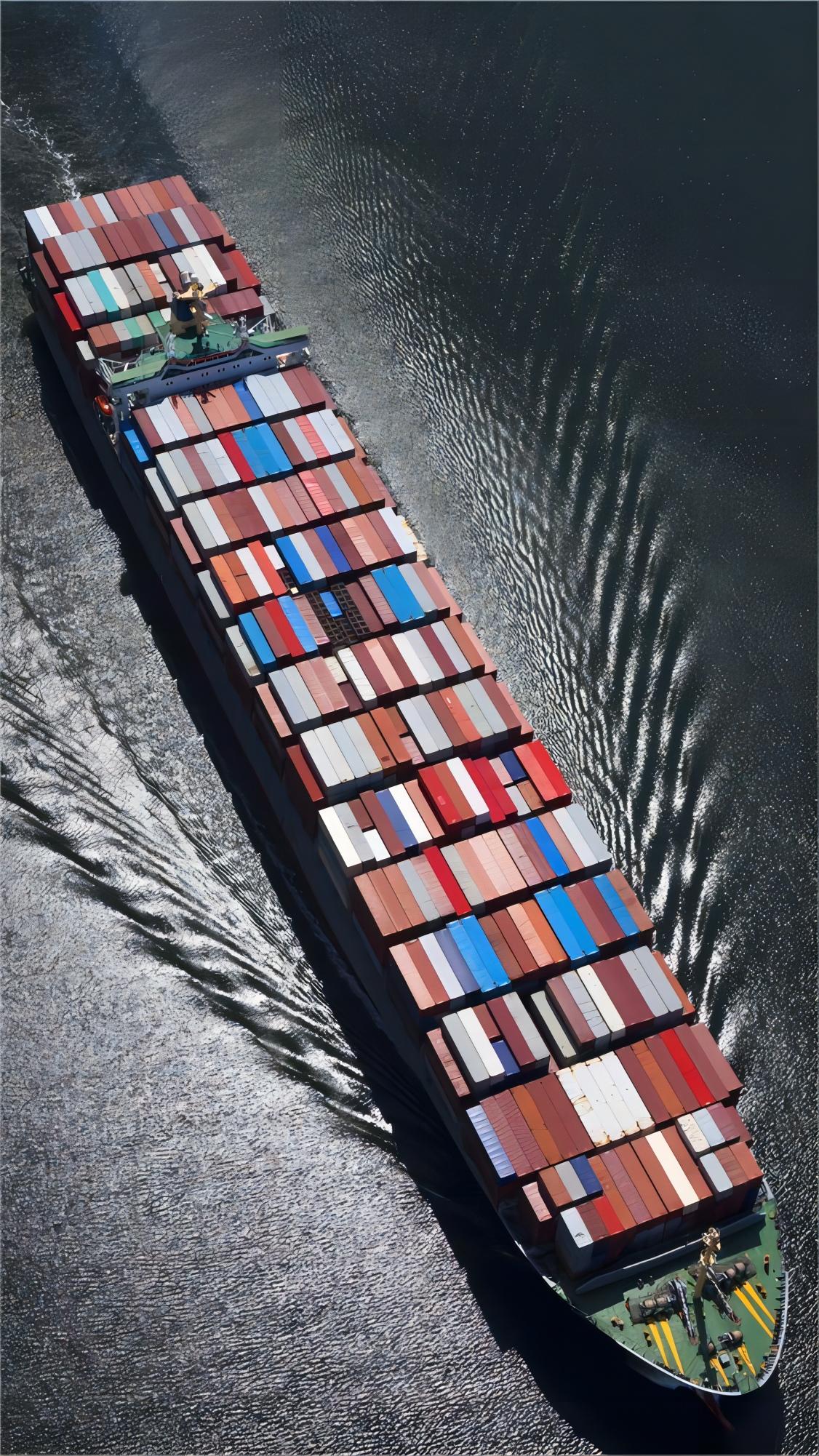
Why Should You Use a Customs Broker China to Dubai?
Hiring a dedicated customs brokerage professional ensures that your business avoids the common pitfalls of international shipping. These experts manage the intricate details of HS code classification for Dubai, which directly impacts the duties you pay. Furthermore, they act as a bridge between your suppliers in China and the UAE customs authorities to prevent communication breakdowns.

Consequently, working with a specialist reduces the risk of your goods being held in storage, which can lead to high demurrage fees. In addition, a broker stays updated on the latest import laws in the United Arab Emirates, including new VAT registration requirements and restricted items lists. Therefore, you can focus on your core business operations while the logistics experts handle the paperwork and compliance hurdles.
What Are the Essential Customs Documents for Dubai?
Successful clearance depends entirely on the accuracy of your documentation. Every shipment must be accompanied by a commercial invoice that clearly states the value, quantity, and description of the goods. Moreover, a packing list is required to detail the dimensions and weight of each individual package within the container.
Additionally, a certificate of origin for China imports is mandatory to verify where the products were manufactured. This document is crucial for determining if your cargo qualifies for any specific trade agreements or exemptions. Meanwhile, you must provide the bill of lading for sea shipments or the airway bill for air cargo to prove ownership and transport details.
| Document Name | Required By | Purpose | Critical Detail |
|---|---|---|---|
| Commercial Invoice | UAE Customs | Valuation | Must match HS Code |
| Packing List | Port Authorities | Cargo Inspection | Net and Gross weight |
| Certificate of Origin | Ministry of Economy | Duty Calculation | Legalized by Chamber |
| Bill of Lading | Carrier/Customs | Title of Goods | Must be original/telex |
How to Choose Between Sea Freight and Air Freight?
Choosing the right transport mode depends on your budget and how quickly you need the items to arrive in the market. For large volumes of heavy goods, sea freight is typically the most cost-effective solution available. However, transit times are significantly longer, usually ranging from 15 to 25 days depending on the port of loading.
In contrast, air freight offers the fastest delivery for urgent shipments or high-value electronics. Although the costs are higher, the transit time is reduced to just 3 to 7 days. Consequently, businesses often use air cargo to meet tight deadlines or restock popular inventory quickly during peak seasons.
| Feature | Sea Freight (FCL) | Air Freight | Sea Freight (LCL) |
|---|---|---|---|
| Cost | Low to Moderate | High | Moderate |
| Transit Time | 18-25 Days | 3-7 Days | 22-30 Days |
| Capacity | Very High | Limited | Flexible |
| Best For | Bulk Goods | Urgent Items | Small Batches |
How Does Sea Freight Compare to Other Shipping Options?
While sea freight remains the dominant choice for the China-Dubai route, alternative strategies can optimize your supply chain. For example, door to door services combine multiple transport modes to provide a seamless experience from the factory to your warehouse. Indeed, these hybrid solutions often balance cost and speed more effectively than traditional methods.
Furthermore, you might consider sea-air combined transport for mid-range urgency. This involves shipping goods by sea to a hub like Colombo or Singapore and then flying them to Dubai. Accordingly, this method saves about 40 percent of the cost compared to pure air freight while being twice as fast as standard sea freight.
| Shipping Method | Cost Range | Transit Time | Best For |
|---|---|---|---|
| Direct Sea FCL | $1,200 – $2,200 | 18-22 Days | Full containers |
| Standard Air | $3.50 – $6.00/kg | 3-5 Days | Time-sensitive |
| Sea-Air Hybrid | $2.00 – $3.50/kg | 10-14 Days | Balanced priority |
| Express Courier | $7.00 – $12.00/kg | 2-4 Days | Samples/Small parcels |
Decision Framework: Which Option Should You Choose?
If your primary goal is budget priority, you should recommend sea freight for any shipment exceeding 2 cubic meters. On the other hand, if speed is your priority, air freight is the only viable choice for meeting weekly retail demands. For cargo type considerations, heavy machinery and raw materials are best suited for FCL sea containers.
Meanwhile, volume thresholds play a major role in the decision-making process. If your shipment is under 15 CBM, LCL shipping is usually more economical than a full container. However, once you exceed 15 CBM, the cost of a 20GP container often becomes lower than the per-cubic-meter rate of LCL.
Real-World Case Studies for China to Dubai Shipping
Case Study 1: Electronics from Shenzhen to Jebel Ali. A tech distributor needed to move 2,500 units of smart home devices. We utilized a 40HQ container via a major carrier with a total sea transit of 20 days. The ocean freight cost was approximately $2,400, and the total landed cost including customs and duties was $3,150. Key insight: Early HS code verification saved the client 5 percent in potential duty overpayment.
Case Study 2: Apparel from Guangzhou to Dubai World Central. A fashion retailer required urgent stock for a seasonal launch. We arranged air freight for 800 kg of textiles with a total door-to-door timeline of 5 days. The total cost was $4,200, including customs clearance and local delivery. Key insight: Using a pre-clearing process allowed the goods to be released within 4 hours of arrival at the airport.
How to Reduce Your Shipping Costs and Duties?
One of the most effective cost-saving strategies is to consolidate multiple small orders into a single shipment. By doing this, you reduce the fixed origin and destination charges applied to each bill of lading. Additionally, ensure your supplier provides a detailed commercial invoice to avoid customs valuation disputes that lead to higher taxes.
Moreover, check if your products qualify for duty exemptions under specific UAE industrial programs. Many manufacturing businesses in free zones can import raw materials without paying the standard 5 percent customs duty. Consequently, selecting the right port of discharge can also impact your final land transport costs within the UAE.
Final Thoughts on Hiring a Customs Broker China to Dubai
Navigating the logistics landscape between China and the UAE requires a combination of local knowledge and global expertise. By hiring an experienced customs broker china to dubai, you eliminate the stress of documentation errors and regulatory compliance. Whether you choose sea or air freight, the right partner ensures your goods move through customs without unnecessary delays.
To summarize, successful importing depends on early planning, accurate paperwork, and choosing the most efficient transport mode for your specific needs. Start optimizing your logistics strategy today to gain a competitive edge in the Dubai market. Remember that freight rates are subject to change based on fuel costs and seasonal demand, so always request a current quote.
Ready to streamline your logistics?
Streamline your supply chain today by partnering with a professional customs broker china to dubai. Contact Top China Freight now to receive a competitive quote and ensure your next shipment arrives on time and within budget. Send Inquiry: https://Top China Freight.com/
Request Quote