


Shipping Requirements for Machinery from China to Europe: The Complete Guide
Shipping machinery across continents involves navigating complex regulatory landscapes and logistics hurdles. Understanding the specific shipping requirements for machinery from China to Europe is critical for ensuring a smooth supply chain. By partnering with a reliable partner like Top China Freight, importers can mitigate risks and optimize their delivery schedules effectively.
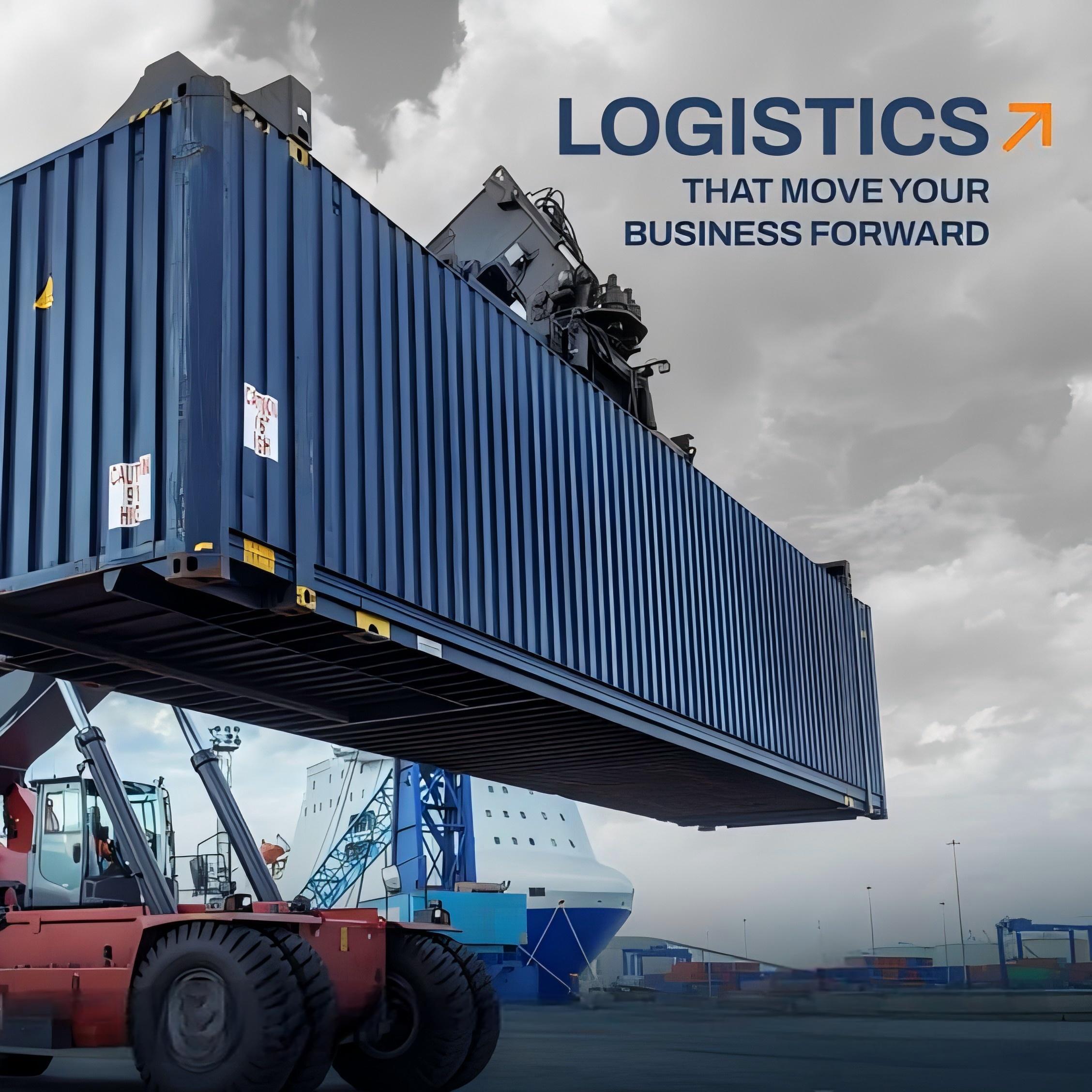
What are the Essential Shipping Requirements for Machinery from China to Europe?
Shipping industrial equipment requires meticulous planning and adherence to strict international standards. Furthermore, the technical nature of machinery means that standard shipping procedures are often insufficient for protecting the cargo. Consequently, businesses must prioritize specialized handling and robust documentation to avoid costly delays at the border.
Importers must verify that all equipment meets the European Union’s safety and environmental standards before departure. Specifically, the CE marking is a mandatory requirement for most machinery entering the European market. Without this certification, your shipment may be seized or rejected by customs authorities upon arrival.
Additionally, the physical dimensions and weight of the machinery dictate the type of container or vessel required. Indeed, oversized equipment often necessitates Flat Rack or Open Top containers rather than standard dry vans. Therefore, providing accurate measurements to your freight forwarder is the first step in meeting the logistical requirements.
Understanding Customs Documentation and Compliance
Documentation serves as the backbone of international trade, especially when dealing with high-value industrial assets. Moreover, the accuracy of your commercial invoice and packing list determines the speed of the clearance process. Utilizing a professional customs brokerage service can significantly reduce the risk of clerical errors.
Customs officials in Europe require a detailed breakdown of the machinery’s components and their respective HS codes. For instance, misclassifying a CNC machine as a general metalworking tool can lead to incorrect duty assessments or fines. Consequently, you should consult with experts to ensure every item is coded according to the latest Harmonized System updates.
Meanwhile, the Certificate of Origin is another vital document that may grant you preferential tariff rates under specific trade agreements. Nevertheless, you must ensure that the manufacturer provides all necessary technical manuals and safety data sheets in the destination language. Accordingly, preparation remains the most effective strategy for managing customs compliance.
| Document Name | Purpose | Required By | Criticality |
|---|---|---|---|
| Commercial Invoice | Value Declaration | Customs | High |
| Packing List | Cargo Details | Carrier/Customs | High |
| CE Certificate | Safety Compliance | EU Authorities | Mandatory |
| Bill of Lading | Title of Goods | Bank/Carrier | High |
| Certificate of Origin | Duty Assessment | Customs | Medium |
How Does Sea Freight Compare to Other Shipping Options?
Comparing different transport modes is essential for balancing cost and speed in your logistics strategy. While sea freight is the most common choice for heavy machinery, it is not always the most efficient. Therefore, businesses must weigh the benefits of ocean transport against the speed of rail or air alternatives.
Ocean transport offers the lowest cost per unit for large-scale industrial projects and heavy equipment. However, the transit times can exceed 35 days, which might not suit urgent production schedules. In contrast, rail freight provides a middle ground, offering faster delivery than sea but at a higher price point.
Furthermore, the choice between Full Container Load (FCL) and Less than Container Load (LCL) depends on your cargo volume. For machinery, FCL is generally preferred to minimize handling and reduce the risk of damage from other goods. Consequently, most industrial importers opt for dedicated 20GP or 40HQ containers.
| Shipping Method | Cost Range | Transit Time | Best For |
|---|---|---|---|
| Sea Freight (FCL) | $2,500 – $4,500 | 30 – 45 Days | Heavy/Bulky Cargo |
| Rail Freight | $4,000 – $7,000 | 18 – 25 Days | Time-Sensitive |
| Air Freight | $15,000+ | 5 – 10 Days | Urgent Spare Parts |
| Sea-Rail Hybrid | $3,500 – $5,500 | 25 – 30 Days | Cost-Speed Balance |
Which Shipping Method Should You Choose for Machinery?
Choosing the right method requires a clear understanding of your budget priorities and delivery deadlines. If your primary goal is cost reduction, sea freight remains the undisputed leader for machinery logistics. Conversely, if you are facing a factory shutdown, the high cost of air freight becomes a necessary investment.
Rail freight has become an increasingly popular alternative for shipments traveling from inland China to Central Europe. Indeed, the China-Europe Railway Express offers a reliable schedule that bypasses potential maritime congestion. For this reason, many automotive and electronics manufacturers have shifted their machinery logistics to the tracks.
Additionally, you should consider the geographical location of your supplier and your final destination. For instance, a factory in Xi’an might find rail freight more convenient than trucking goods to a coastal seaport. Without a doubt, a localized logistics analysis can reveal significant time and cost savings.
Logistics Trends and Market Context for 2025
Market conditions in early 2025 suggest that freight rates from China to Europe have stabilized after the disruptions of previous years. Nevertheless, seasonal peaks during the third quarter often lead to space shortages and equipment imbalances. As a result, booking your shipment at least 3-4 weeks in advance is highly recommended.
Sustainability is also becoming a key factor in European shipping requirements for machinery. Many EU-based companies now require carbon footprint reporting for their entire supply chain. Consequently, choosing carriers that utilize LNG-powered vessels or offer carbon offset programs can provide a competitive advantage.
Moreover, digital transformation in the logistics sector is streamlining the tracking and management of heavy cargo. Real-time GPS tracking for machinery containers is now a standard expectation rather than a luxury. Indeed, this visibility allows importers to manage their inventory and production schedules with much greater precision.
Essential Packaging and Cargo Handling Standards
Proper packaging is the most effective way to protect high-value machinery from the rigors of international transit. Specifically, machinery must be secured with heavy-duty lashing and bracing to prevent movement within the container. Furthermore, anti-corrosive coatings or VCI packaging are essential for protecting metal surfaces from sea salt and humidity.
Wooden crates used for international shipping must comply with ISPM 15 heat treatment standards. Failure to provide the correct fumigation certificates can lead to the immediate quarantine of your shipment. Therefore, you must verify that your supplier uses compliant packaging materials before the cargo is loaded.
In addition, sensitive electronic components within the machinery may require shock absorbers or tilt sensors. These devices provide a record of any rough handling that occurs during the journey. Consequently, they serve as vital evidence in the event of an insurance claim for transit damage.
Real Case Studies: Successful Machinery Shipments
Examining real-world examples provides valuable insights into the practical application of shipping requirements. These cases highlight the importance of choosing the right route and managing the landed costs effectively. Indeed, every shipment presents unique challenges that require tailored logistics solutions.
Case Study 1: CNC Machine Export Route: Jinan, China to Hamburg, Germany Cargo: Precision CNC Milling Machine, 12 CBM, 4,500 kg Container: 20GP FCL Shipping Details: – Carrier: COSCO – Port of Loading: Qingdao – Port of Discharge: Hamburg Cost Breakdown: – Ocean Freight: $2,450 – Origin Charges: $450 – Destination Charges: $600 – Total Landed Cost: $3,500 Timeline: 38 Days Door-to-Door Key Insight: Using a direct route from Qingdao minimized handling risks for the sensitive electronics.
Case Study 2: Industrial Excavator Transport Route: Xuzhou, China to Rotterdam, Netherlands Cargo: Hydraulic Excavator, 22 Tons Method: Ro-Ro (Roll-on/Roll-off) Shipping Details: – Carrier: Wallenius Wilhelmsen – Port of Loading: Shanghai – Port of Discharge: Rotterdam Cost Breakdown: – Ocean Freight: $5,800 – Customs & Duties: $1,200 – Inland Transport: $900 – Total Landed Cost: $7,900 Timeline: 42 Days Key Insight: Ro-Ro was chosen over containerization to accommodate the machinery’s height and weight efficiently.
Alternative Strategies for Machinery Logistics
Developing a flexible logistics strategy allows businesses to adapt to unforeseen market changes. For example, a sea-air hybrid solution can be used when sea freight is too slow but air freight is too expensive. In this scenario, goods are shipped by sea to a hub like Dubai and then flown to Europe.
Another alternative is the use of door to door services, which simplify the entire process for the importer. This model consolidates trucking, shipping, and customs clearance into a single contract. Accordingly, it reduces the administrative burden on your internal team and ensures accountability.
Furthermore, businesses should consider the benefits of bonded warehousing in Europe. By storing machinery in a bonded facility, you can defer the payment of duties and VAT until the equipment is sold or put into use. Without a doubt, this strategy can significantly improve your company’s cash flow management.
How to Meet Shipping Requirements for Machinery from China to Europe Safely
Safety during transit is not just about physical protection but also about legal and financial security. Investing in comprehensive marine insurance is a non-negotiable requirement for high-value machinery. Meanwhile, you must ensure that your Incoterms are clearly defined in the sales contract to avoid disputes over liability.
Working with a provider that has a strong presence in Europe ensures that local regulations are always met. Local agents can provide on-the-ground support for final-mile delivery and offloading at the factory site. Consequently, this end-to-end oversight minimizes the risk of last-minute complications.
Note: Freight rates are subject to change based on fuel costs, carrier capacity, and seasonal demand. Contact us for a current quote tailored to your specific shipment.
Final Thoughts on Machinery Shipping
Successfully navigating the shipping requirements for machinery from China to Europe is a multifaceted task that demands careful attention to detail. From ensuring CE compliance to choosing the optimal freight mode, every decision impacts your bottom line and production schedule. By following the guidelines outlined in this article, you can build a more resilient and efficient supply chain.
Remember that the logistics landscape is constantly evolving, making it essential to stay informed about the latest market trends and regulatory changes. Whether you choose sea, rail, or air freight, the key to success lies in proactive planning and professional partnerships. Start your machinery shipping journey with confidence by prioritizing compliance and safety at every step.
Ready to streamline your logistics?
Managing the complex shipping requirements for machinery from China to Europe requires expertise and precision. Contact the experts at Top China Freight today to receive a customized logistics plan and a competitive quote for your next industrial shipment. Visit our website to learn more about our specialized machinery handling services.
Request Quote