

What Documents Needed for Electronics from China to UK: The Complete Guide
Navigating the complexities of international trade requires a clear understanding of the paperwork involved in logistics. If you are planning to import consumer goods or industrial components, knowing what documents needed for electronics from china to uk is the first step toward a successful shipment. Our team at Top China Freight specializes in simplifying these procedures to ensure your cargo reaches its destination without unnecessary delays.

What Documents Needed for Electronics from China to UK for Customs?
Preparing the correct paperwork is essential for passing through both Chinese export control and UK Border Force inspections. Furthermore, missing or incorrect information can lead to significant fines or the seizure of your goods. Consequently, you must ensure that every detail on your commercial invoice matches your packing list exactly.
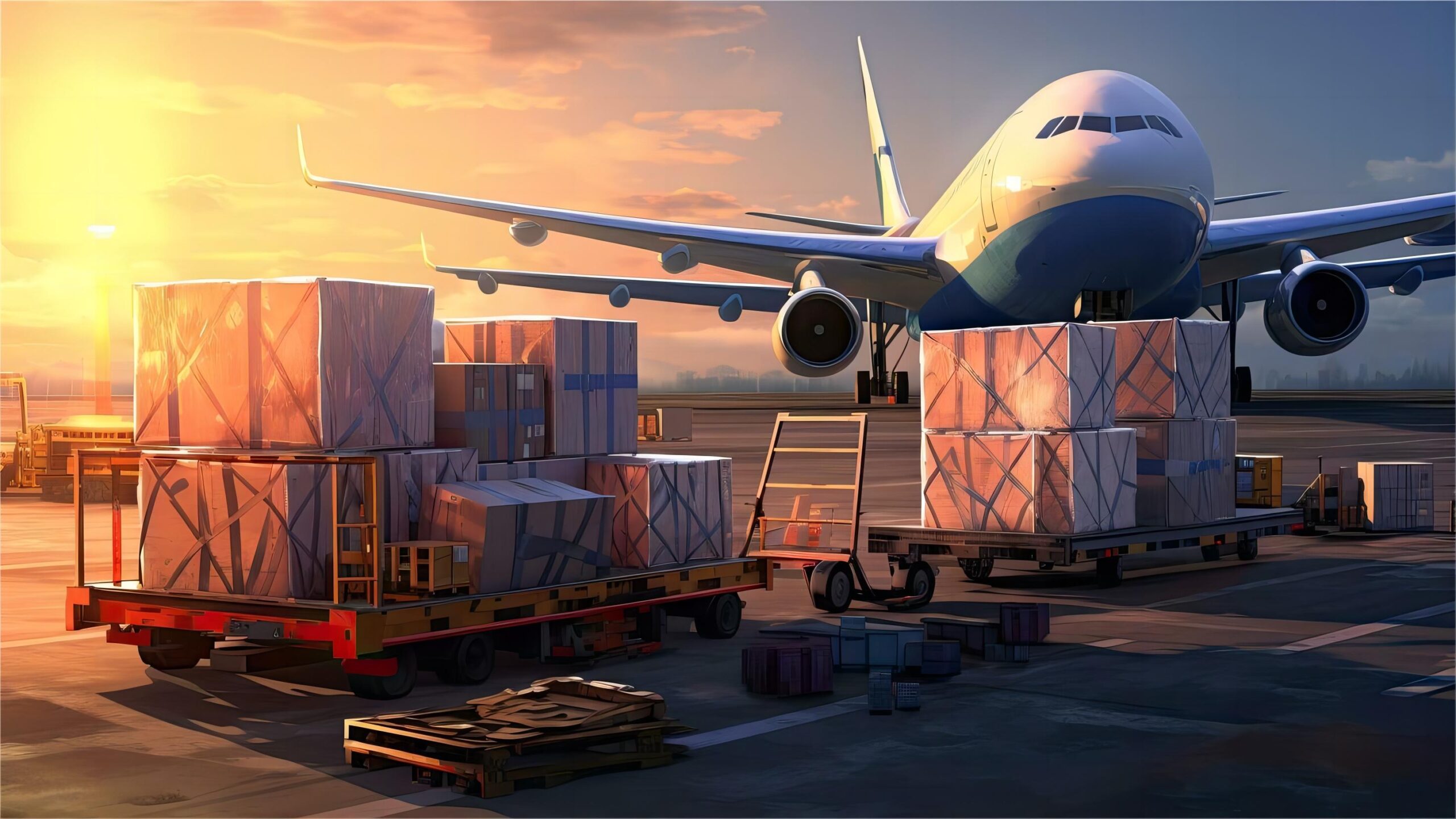
The commercial invoice serves as the primary record of the transaction between the buyer and the seller. It must include the Harmonized System (HS) code, which determines the duty rates applicable to your electronics. Additionally, this document should clearly state the terms of sale, such as FOB or CIF, to clarify insurance and shipping responsibilities.
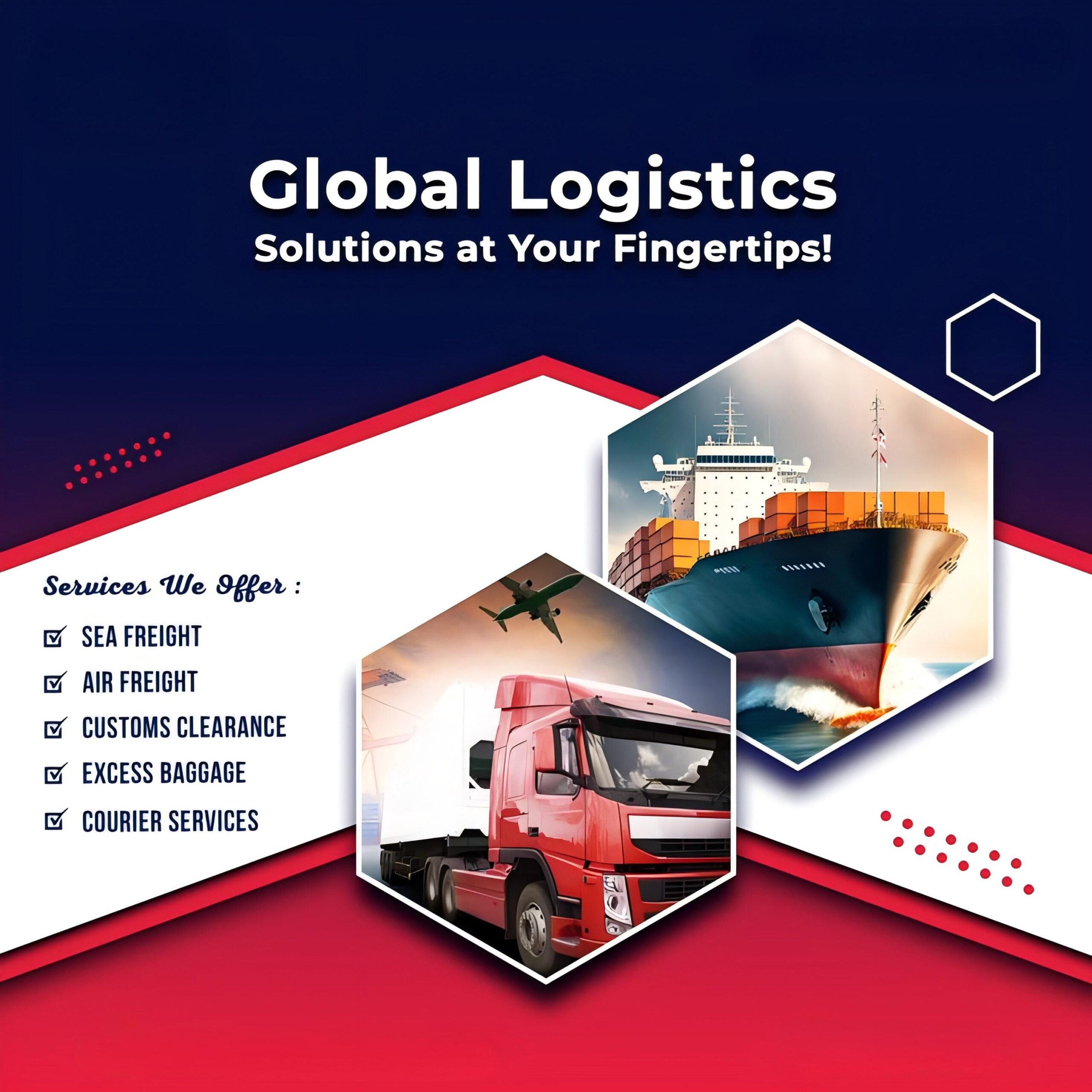
Packing lists provide a detailed breakdown of the contents within each carton or pallet. Specifically, for electronics, you should list serial numbers or model numbers if required by your insurance provider. Moreover, customs officials use this list to verify that the physical cargo matches the declared value and quantity.
Bill of Lading or Air Waybill acts as the contract of carriage and a receipt for the goods. This document is issued by the carrier and is vital for claiming ownership of the shipment upon arrival. Indeed, without the original Bill of Lading or a telex release, you cannot legally take possession of your electronics at the port.
Essential Compliance Certificates for Electronic Imports
Compliance is a major hurdle when determining what documents needed for electronics from china to uk. Since the UK left the European Union, the UKCA (UK Conformity Assessed) marking has become the mandatory standard for most electronics sold in Great Britain. Therefore, you must obtain a Declaration of Conformity from your manufacturer to prove the product meets safety standards.
RoHS and REACH certificates are also necessary to demonstrate that your electronics do not contain hazardous substances. Many UK retailers will refuse to stock items that lack these environmental certifications. As a result, verifying these documents during the sourcing phase is a critical step in your supply chain management.
Lithium battery documentation is particularly important because these components are classified as dangerous goods. If your electronics contain batteries, you must provide a Material Safety Data Sheet (MSDS) and a UN38.3 test report. Failure to provide these will result in the carrier refusing to load your cargo on the aircraft or vessel.
| Document Type | Purpose | Mandatory? | Source |
|---|---|---|---|
| UKCA Declaration | Safety and technical compliance | Yes | Manufacturer |
| RoHS Certificate | Restriction of hazardous substances | Yes | Testing Lab |
| MSDS | Safety data for batteries | If batteries included | Manufacturer |
| UN38.3 Report | Battery transport safety test | If batteries included | Testing Lab |
How Does Air Freight Compare to Other Shipping Options?
Choosing the right transport mode is just as important as the paperwork itself. While air freight is the fastest method, it is also the most expensive option for bulk electronics. However, for high-value items like smartphones or laptops, the speed and security of air transport often justify the higher freight rates.
Sea freight offers a more cost-effective solution for large volumes of goods. For instance, shipping a full container of home appliances is significantly cheaper via ocean than by air. Nevertheless, you must account for the longer transit times, which can range from 30 to 40 days depending on the port of origin.
Rail freight has emerged as a middle-ground alternative, offering faster speeds than sea and lower costs than air. This method is particularly popular for shipments originating from inland Chinese cities like Chengdu or Xi’an. In contrast, express services are best suited for small samples or urgent replacement parts that need to arrive within a few days.
| Method | Cost Range | Transit Time | Best For |
|---|---|---|---|
| Air Freight | High ($5-9/kg) | 5-8 Days | High-value electronics |
| Sea Freight | Low ($2000-4500/40HQ) | 30-40 Days | Bulk shipments |
| Rail Freight | Medium ($150-200/CBM) | 18-25 Days | Heavy electronics |
| Express | Very High ($10+/kg) | 3-5 Days | Small samples |
Customs Brokerage and the EORI Requirement
Every business importing into the UK must have an Economic Operators Registration and Identification (EORI) number. This number is used by customs to track your shipments and apply the correct taxes. Without an EORI, your electronics will be held at the border, incurring expensive storage fees.
Professional customs brokerage services can help you navigate the complex UK Global Tariff. They will calculate the VAT and duty owed based on the value of your goods. For example, most consumer electronics carry a 0% duty rate, but you must still pay the standard 20% VAT upon entry.
Deferred payment accounts are available for regular importers to help manage cash flow. This allows you to pay your duties and VAT monthly rather than at the moment of arrival. Consequently, this can speed up the release of your cargo from the port and streamline your logistics trends.
Which Option Should You Choose for Your Electronics?
Budget priority dictates that you should opt for sea freight whenever your lead times allow for it. This method maximizes your profit margins by minimizing the landed cost of each unit. However, you must be prepared for the documentation requirements of LCL or FCL shipping, which include a detailed manifest.
Speed priority is best served by express service or air freight. If you are launching a new product or replenishing low stock, the faster transit time ensures you do not miss sales opportunities. In these cases, the documentation process is often handled directly by the courier, simplifying your workload.
Cargo type considerations are vital for items with large batteries or sensitive components. Some airlines have strict restrictions on lithium-ion batteries, which might force you to use sea freight regardless of your timeline. Always consult with your freight forwarder to confirm which carriers are currently accepting your specific type of electronics.
Real-World Case Studies for UK Electronics Imports
Case Study 1: High-End Tablet Shipment. Route: Shenzhen to London Heathrow. Cargo: 200kg of tablets. Method: Air Freight. Cost: $1,450. Transit Time: 6 days. Key Insight: The importer saved time by having the UKCA declaration ready before the goods left the factory, preventing a 3-day delay at customs.
Case Study 2: Kitchen Appliance Bulk Order. Route: Ningbo to Felixstowe. Cargo: 15 CBM of air fryers. Method: Sea Freight (LCL). Cost: $1,100. Transit Time: 38 days. Key Insight: Using a consolidated shipping method allowed the small business to compete with larger retailers on pricing while maintaining a steady supply chain.
Case Study 3: Urgent Component Delivery. Route: Shanghai to Manchester. Cargo: 15kg of PCB boards. Method: Express Service. Cost: $280. Transit Time: 4 days. Key Insight: The express carrier’s door-to-door service included customs clearance, making it the most efficient choice for small, high-priority parts.
Managing the Risks of Importing Electronics
Quality control inspections should always take place before the goods are loaded. Indeed, once the electronics have left China, it is extremely difficult and expensive to return them for repairs. Therefore, hiring a third-party inspector to check the functionality and the UKCA marking is a wise investment.
Marine insurance is another essential component of a secure import strategy. Electronics are susceptible to moisture damage and theft during long sea voyages. While carriers have limited liability, a comprehensive insurance policy will cover the full value of your goods in the event of an accident.
Documentation errors are the leading cause of delays in the UK. For instance, using the wrong HS code can lead to overpaying duty or being accused of tax evasion. Double-checking every field on your forms is the best way to ensure a smooth transition through the port of discharge.
Final Thoughts on Importing Electronics to the UK
To summarize, understanding what documents needed for electronics from china to uk is vital for any business looking to succeed in the international market. From the EORI number to the UKCA marking, each piece of paperwork plays a specific role in compliance and safety. By preparing your documentation in advance and choosing the right shipping partner, you can avoid costly delays and ensure your electronics arrive safely.
Remember that the logistics landscape is constantly changing due to new regulations and market trends. Staying informed and working with a reliable freight forwarder like Top China Freight will give you the competitive edge you need. Whether you choose air, sea, or rail, your focus should always be on accuracy and compliance to maintain a healthy supply chain.
Ready to streamline your logistics?
Are you ready to streamline your import process and ensure you have all the what documents needed for electronics from china to uk ready? Contact our expert team today to receive a customized quote and professional guidance for your next shipment. Visit our website to learn more about our comprehensive logistics solutions. Send Inquiry: https://Top China Freight.com/
Request Quote