

What Documents Needed for Textiles from China to USA: A Complete Guide
Navigating the complexities of international trade requires a deep understanding of regulatory compliance and logistics. When you are importing apparel or fabric, knowing what documents needed for textiles from china to usa is the first step toward avoiding costly delays at the border. At Top China Freight, we specialize in simplifying the global supply chain for businesses of all sizes. This comprehensive guide will walk you through the essential paperwork, customs requirements, and strategic shipping options available for your textile business.
Detailed Breakdown: What Documents Needed for Textiles from China to USA?
Importing textiles into the United States involves more than just standard shipping paperwork. Consequently, you must be prepared to provide specific details regarding fiber content and manufacturing origins to satisfy US Customs and Border Protection (CBP).
Furthermore, the commercial invoice serves as the primary document for valuation and duty assessment. It must clearly state the Harmonized Tariff Schedule (HTS) code for each specific textile item. Additionally, a detailed packing list is necessary to verify the contents of every carton in your shipment.
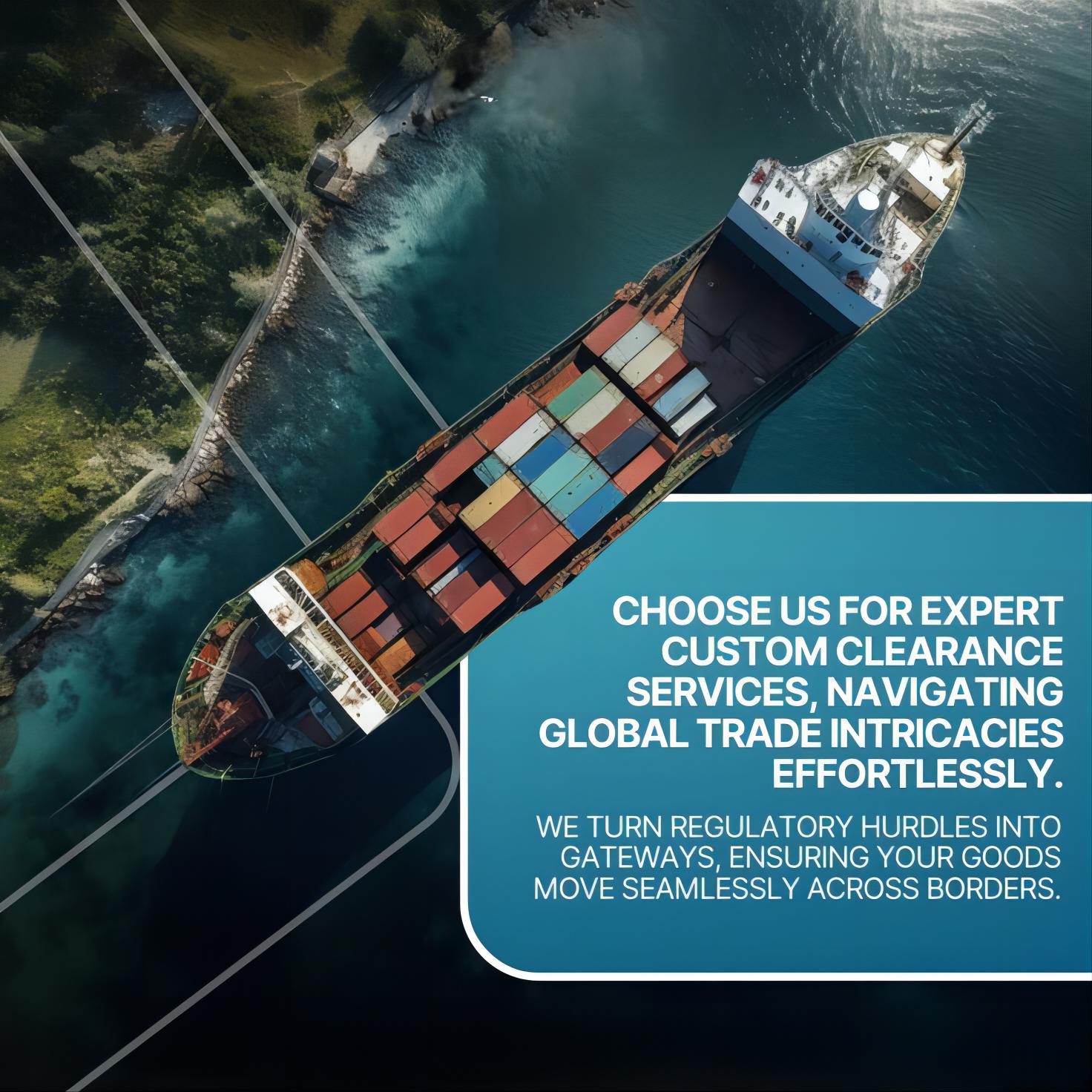
Moreover, the Bill of Lading acts as the contract of carriage and a receipt for the goods. If you are using sea freight, this document is vital for claiming your cargo at the port of discharge. Without a correctly endorsed Bill of Lading, your goods will remain stuck at the terminal, accruing storage fees.
| Document Name | Primary Purpose | Issuing Party | Requirement Level |
|---|---|---|---|
| Commercial Invoice | Duty valuation | Exporter/Supplier | Mandatory |
| Packing List | Cargo verification | Exporter | Mandatory |
| Textile Declaration | Fiber content detail | Manufacturer | Mandatory |
| Bill of Lading | Title to goods | Carrier | Mandatory |
The Importance of the Textile Declaration Form
A textile declaration is a specialized document that provides a breakdown of the materials used in your products. For instance, if you are importing blended fabrics, the form must list the exact percentage of cotton, polyester, or silk. Indeed, CBP uses this information to determine the correct duty rates and check for any trade restrictions.
In addition to fiber content, the declaration must include the Manufacturer Identification (MID) code. This code identifies the specific factory in China where the textiles were produced. Therefore, ensuring your supplier provides an accurate MID code is essential for a smooth customs entry process.
Consequently, any discrepancies in the textile declaration can lead to intensive examinations or even seizure of the goods. We recommend working with a professional customs brokerage to review these forms before your shipment departs from China.
How Does Sea Freight Compare to Other Shipping Options?
Choosing the right transport mode is just as important as knowing what documents needed for textiles from china to usa. While sea freight is the most common method for large textile volumes, several alternatives exist depending on your budget and timeline requirements.
For example, air freight offers significantly faster transit times for high-value fashion collections or urgent samples. On the other hand, sea freight remains the most cost-effective solution for bulk fabric rolls and mass-produced apparel. Meanwhile, express services provide the highest level of convenience for smaller parcels.
To summarize, your choice should balance the cost of shipping against the urgency of your inventory needs. Below is a detailed comparison of the primary shipping methods used for the China-to-USA route.
| Shipping Method | Cost Range | Transit Time | Best For |
|---|---|---|---|
| Sea Freight (FCL) | $2,500 – $4,500 | 18 – 35 Days | Bulk inventory |
| Air Freight | $5 – $9 per kg | 3 – 7 Days | High-value goods |
| Express Service | $8 – $12 per kg | 2 – 5 Days | Small samples |
| LCL (Sea) | $80 – $150 per CBM | 22 – 40 Days | Small businesses |
Decision Framework: Which Option Should You Choose?
Determining the best shipping strategy requires an objective analysis of your business priorities. If your primary goal is cost reduction, sea freight is undoubtedly the superior choice for large shipments. However, if you are facing a tight deadline for a seasonal launch, the speed of air transport justifies the higher expense.
Cargo type also plays a significant role in your decision. Delicate silk fabrics might benefit from the cleaner environment of air cargo, whereas durable denim is perfectly suited for standard shipping containers. Additionally, consider the volume thresholds; once your shipment exceeds 15 cubic meters, a full container load (FCL) usually becomes more economical than less-than-container load (LCL) shipping.
Furthermore, many importers now utilize hybrid solutions to optimize their supply chains. For instance, you might ship the bulk of your order via sea while sending a small portion via express service to meet immediate demand. This strategy allows you to maintain stock levels without overspending on total freight costs.
Understanding Customs Bonds and Power of Attorney
Every commercial import into the USA requires a customs bond to guarantee the payment of duties and taxes. Without a valid bond, CBP will not release your textile shipment. You can choose between a single-entry bond for one-off shipments or a continuous bond for frequent importing.
Moreover, you must grant a Power of Attorney (POA) to your customs broker or freight forwarder. This legal document authorizes them to act on your behalf during the customs clearance process. Consequently, this step is vital for ensuring that all paperwork is filed correctly and on time.
Additionally, the ISF (Importer Security Filing) or 10+2 rule must be followed for all ocean shipments. This filing must occur at least 24 hours before the vessel is loaded in China. Failure to comply with ISF regulations can result in heavy fines, often starting at five thousand dollars.
Case Study 1: Shipping Cotton Apparel from Ningbo to Los Angeles
Route: Ningbo, China to Los Angeles, USA. Cargo: 100 percent cotton t-shirts, 28 CBM, 5,500 kg. Container: 40GP Full Container Load.
Shipping Details: The client utilized a major carrier via a direct route to the West Coast. Port of Loading was Ningbo, and Port of Discharge was Long Beach.
Cost Breakdown: Ocean Freight: 2,800 dollars. Origin Charges: 450 dollars. Destination Charges: 600 dollars. Total Landed Cost (excluding duties): 3,850 dollars. Timeline: 18 days door-to-door.
Key Insight: By choosing door to door service, the client avoided the hassle of coordinating multiple logistics providers. Based on Q4 2024 market rates, this was a highly efficient shipment.
Case Study 2: Urgent Fabric Samples from Guangzhou to New York
Route: Guangzhou, China to New York, USA. Cargo: Synthetic fabric samples, 0.5 CBM, 120 kg. Method: Air Freight.
Shipping Details: The cargo was moved as consolidated air freight from Guangzhou Baiyun International Airport to JFK International Airport.
Cost Breakdown: Air Freight: 950 dollars. Documentation and Handling: 150 dollars. Customs Clearance: 200 dollars. Total Landed Cost: 1,300 dollars. Timeline: 6 days total.
Key Insight: Although the per-kilogram cost was higher than sea freight, the rapid transit time allowed the designer to approve samples and begin production weeks ahead of schedule. Typical rates as of early 2025 suggest air freight is stabilizing after previous disruptions.
Common Challenges in Textile Import Documentation
One of the most frequent issues importers face is incorrect HTS classification. Because textiles have highly specific codes based on weave, weight, and fiber, a small error can lead to a significant difference in duty rates. Indeed, some textiles are subject to additional trade enforcement measures.
Furthermore, the origin of the raw materials must be clearly documented. If the fabric contains components from restricted regions, the shipment may be detained under the Uyghur Forced Labor Prevention Act (UFLPA). Consequently, you must maintain a transparent supply chain and provide certificates of origin when requested.
In addition, language barriers can sometimes lead to mistakes on the commercial invoice. Ensure that all descriptions are in clear English and match the physical goods exactly. To avoid these pitfalls, many successful importers rely on the expertise of professional logistics partners to audit their paperwork.
Cost-Saving Strategies for Textile Importers
Reducing your total landed cost is essential for maintaining a competitive edge in the textile market. One effective strategy is to consolidate multiple small orders into a single FCL shipment. By doing this, you reduce the per-unit shipping cost and minimize the number of customs entries required.
Moreover, negotiating Incoterms with your supplier can lead to significant savings. For instance, buying on FOB (Free On Board) terms allows you to control the shipping process and choose your own freight forwarder. This often results in lower freight rates compared to CIF (Cost, Insurance, and Freight) terms where the supplier controls the logistics.
Finally, always request a current quote before scheduling your shipment. Freight rates are subject to change based on fuel costs, carrier capacity, and seasonal demand. Contact us for a current quote tailored to your specific shipment needs.
Mastering Your Textile Logistics
To summarize, successfully importing fabric and apparel requires a proactive approach to documentation and logistics. By understanding what documents needed for textiles from china to usa, you protect your business from unnecessary fines and delivery delays. From the essential textile declaration to the complexities of HTS codes, every detail matters.
Furthermore, choosing the right shipping method and partner can significantly impact your bottom line. Whether you opt for the speed of air or the economy of sea freight, ensure your paperwork is impeccable. With the right preparation and expert support, your textile business can thrive in the competitive US market.
Ready to streamline your logistics?
Managing the documentation for textile imports doesn’t have to be overwhelming. Whether you need assistance with customs clearance or are looking for the most competitive freight rates, our team is here to help. Contact Top China Freight today to streamline your shipping process and ensure you have every document needed for textiles from china to usa. Visit our website to request a personalized quote and speak with a logistics expert. Send Inquiry: info@Top China Freight.com
Request Quote