

Time to Ship Home Goods from China to USA: 2025 Logistics Guide
Shipping home goods from China to the United States requires a deep understanding of logistics timelines and carrier schedules. When you partner with Top China Freight, you receive expert guidance on navigating complex international routes efficiently. Determining the exact time to ship home goods from China to USA depends on several variables, including the chosen transport mode, destination port, and seasonal demand fluctuations.
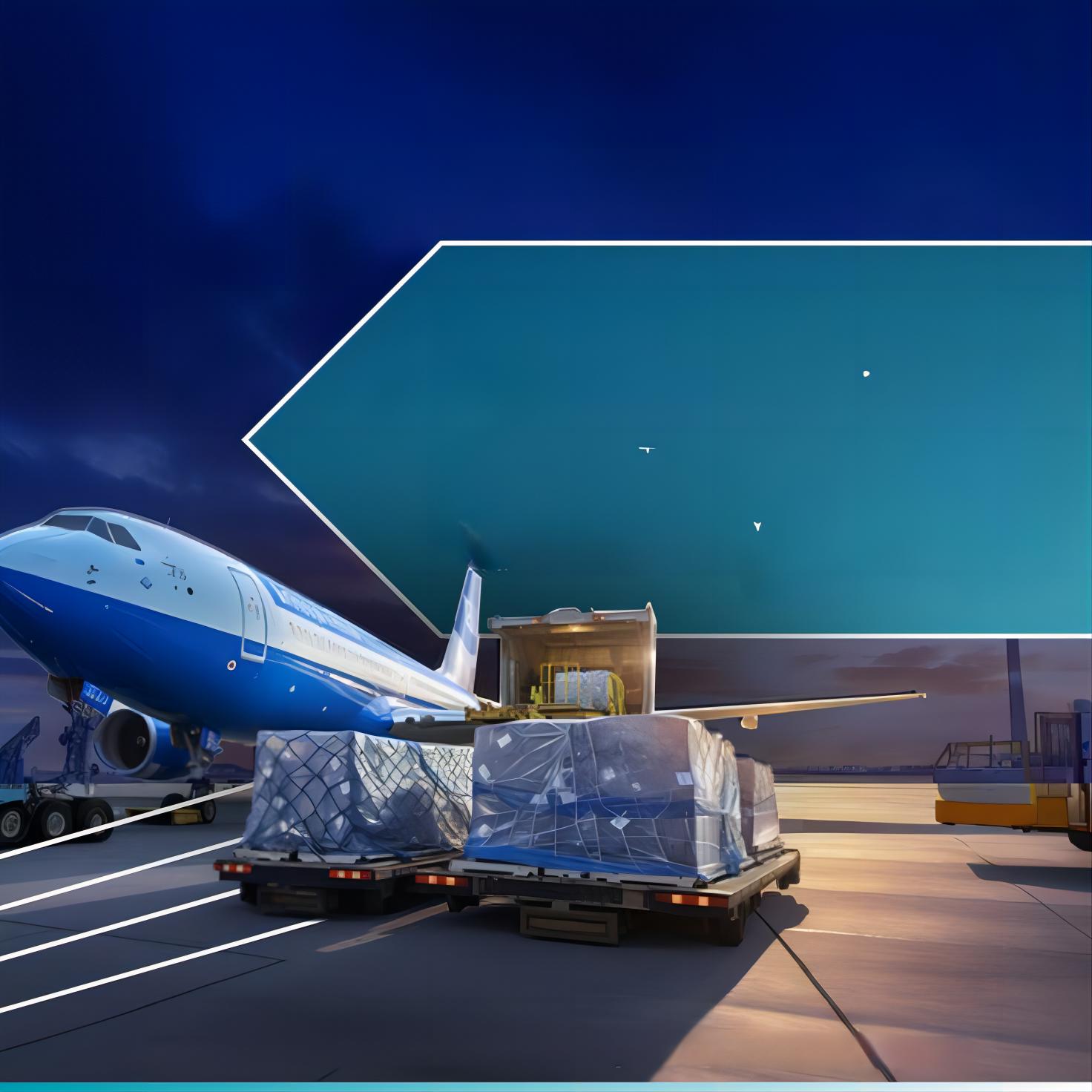
Primary Factors Affecting the Time to Ship Home Goods from China to USA
Geographic distance plays a fundamental role in determining how long your cargo remains in transit. For instance, shipping from Shenzhen to Los Angeles is significantly faster than shipping from Shanghai to New York due to the shorter transpacific route. Furthermore, the distance from the arrival port to your final warehouse or residence adds several days to the total delivery timeline.

Port congestion frequently disrupts even the most meticulously planned shipping schedules. Major hubs like Long Beach or Savannah often experience vessel backlogs during peak retail seasons, which can add one to two weeks to your estimated ocean freight transit. Consequently, importers must monitor port productivity reports to anticipate potential bottlenecks and adjust their inventory planning accordingly.
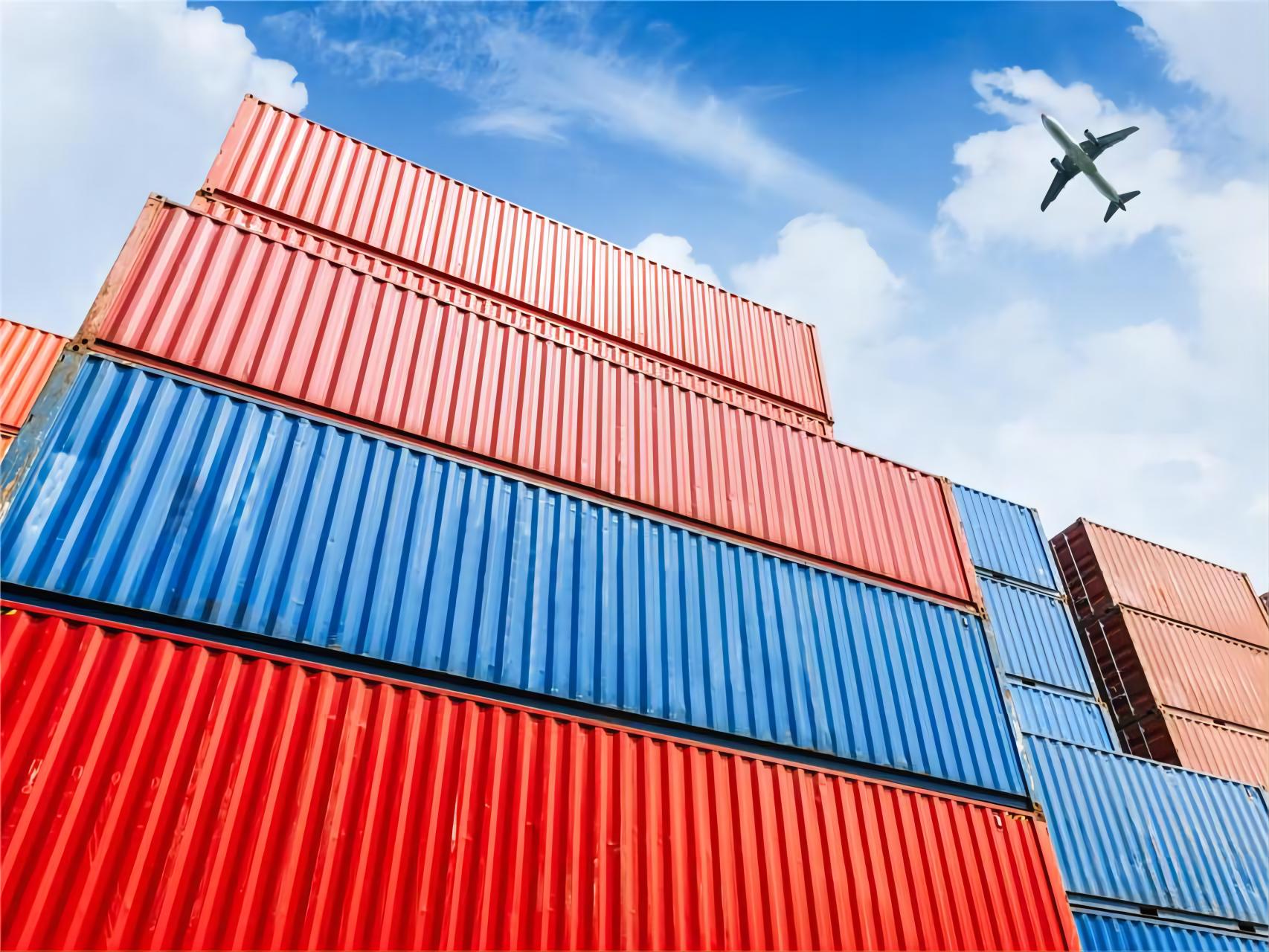
Weather conditions across the Pacific Ocean represent another unpredictable element in the logistics chain. Typhoons in the South China Sea or heavy winter storms in the North Pacific can force vessels to take longer routes or seek shelter in intermediate ports. Consequently, these environmental factors occasionally cause transit delays that are beyond the control of any freight forwarder.
Comparing Transit Times for Different Shipping Methods
Choosing the right transportation mode is the most effective way to control your delivery schedule. While sea freight offers the most economical solution for large furniture or bulky home appliances, it also requires the longest lead time. Importers typically allow 30 to 45 days for a standard ocean shipment to reach the East Coast of the USA.
Air transport provides a much faster alternative for high-value or time-sensitive home goods. If you utilize air freight, your products can arrive at major US airports within 5 to 9 days. This speed allows businesses to respond quickly to market trends, although the cost per kilogram is substantially higher than ocean transport.
Express courier services represent the fastest shipping methods available for small parcels or samples. Companies like DHL or FedEx can deliver home goods from China to a USA doorstep in as little as 3 to 5 business days. This method streamlines the process by combining international transport and customs clearance into a single, rapid service.
| Shipping Method | Transit Time | Best For | Cost Level |
|---|---|---|---|
| Express Courier | 3-5 Days | Small parcels/samples | Highest |
| Air Freight | 5-9 Days | High-value goods | High |
| Sea Freight (FCL) | 18-35 Days | Large inventory | Low |
| Sea Freight (LCL) | 25-45 Days | Small shipments | Moderate |
How Sea Freight Compares to Other Shipping Options
Ocean transport remains the backbone of the home goods industry despite its longer duration. When comparing sea freight to air or rail, the primary trade-off involves cost versus speed. For example, a 40HQ container might cost 4,000 dollars for a 30-day journey, whereas shipping that same volume by air would be financially impossible for most home goods.
Hybrid solutions like sea-air shipping offer a middle ground for importers seeking a balance. This strategy involves shipping goods by sea to a hub like Dubai or Korea and then flying them to the USA. This approach can reduce the total transit time by 40 percent compared to pure sea freight while keeping costs lower than direct air transport.
Full Container Load (FCL) and Less than Container Load (LCL) also differ in their time requirements. FCL is generally faster because the container goes directly from the supplier to the port. In contrast, LCL requires additional time for consolidation at the origin and deconsolidation at the destination, often adding 7 to 10 days to the total schedule.
| Method | Cost Range | Transit Time | Limitations |
|---|---|---|---|
| Sea Freight | $2,500 – $6,000 | 20-40 Days | Slowest speed |
| Air Freight | $5 – $12 per kg | 5-10 Days | Weight limits |
| Sea-Air Hybrid | Moderate | 15-22 Days | Complex logistics |
Understanding the Role of Customs Clearance Duration
The time spent in customs can make or break your delivery schedule. Professional customs brokerage services ensure that all documentation is accurate, which minimizes the risk of inspections. Usually, standard customs clearance in the USA takes between 24 and 48 hours, but intensive exams can extend this to several weeks.
Documentation errors are the leading cause of avoidable delays at the border. Ensure that your commercial invoice, packing list, and bill of lading match perfectly to avoid red flags. Moreover, certain home goods like wooden furniture may require specific Lacey Act declarations, which can add complexity to the clearance process.
Importers should also consider the impact of the Automated Broker Interface (ABI) used by US Customs. This system allows for pre-filing of entries before the vessel arrives, which significantly speeds up the release of cargo. Consequently, proactive communication with your broker is essential for maintaining a fast door to door delivery timeline.
Door to Door vs. Port to Port Shipping Duration
Many first-time importers confuse port-to-port transit times with the total time required for delivery. A port-to-port estimate only covers the time the ship is on the water. However, a comprehensive door to door service includes trucking from the factory, port handling, ocean transit, customs, and final delivery.
Last mile delivery in the USA can add significant time depending on the inland destination. If your warehouse is located in a rural area far from a major rail ramp, inland trucking might add 3 to 7 days to the process. Furthermore, driver shortages or equipment scarcity can occasionally delay the pickup of containers from the terminal.
Utilizing specialized services like Amazon FBA shipping requires even stricter adherence to timelines. Amazon has specific delivery windows, and missing these slots can lead to rejected shipments or additional storage fees. Therefore, planning for a buffer of at least 5 days is a wise strategy for e-commerce sellers.
Real-World Case Studies of Shipping Home Goods
Case Study 1: Kitchenware from Ningbo to Los Angeles. Route: Ningbo, China to Los Angeles, USA. Cargo: Ceramic sets, 15 CBM, 4500 kg. Container: LCL 15 CBM. Shipping Details: Carrier: COSCO. Port of Loading: Ningbo. Port of Discharge: Los Angeles. Route Type: Direct. Cost Breakdown: Ocean Freight: 1,200 USD. Origin Charges: 350 USD. Destination Charges: 500 USD. Customs and Duties: 800 USD. Total Landed Cost: 2,850 USD. Timeline: Booking to Loading: 4 days. Sea Transit: 16 days. Customs Clearance: 2 days. Total Door-to-Door: 28 days. Key Insight: Choosing a direct route to the West Coast saved 14 days compared to an East Coast discharge.
Case Study 2: Luxury Furniture from Shenzhen to New York. Route: Shenzhen, China to New York, USA. Cargo: Sofa sets and tables, 68 CBM, 8000 kg. Container: 40HQ. Shipping Details: Carrier: Maersk. Port of Loading: Yantian. Port of Discharge: Newark. Route Type: Via Panama Canal. Cost Breakdown: Ocean Freight: 5,200 USD. Origin Charges: 450 USD. Destination Charges: 750 USD. Customs and Duties: 1,500 USD. Total Landed Cost: 7,900 USD. Timeline: Booking to Loading: 6 days. Sea Transit: 32 days. Customs Clearance: 3 days. Total Door-to-Door: 46 days. Key Insight: Seasonal shipping delays in the Panama Canal added 5 days to the standard transit time.
Note: Freight rates are subject to change based on fuel costs, carrier capacity, and seasonal demand. Contact us for a current quote tailored to your specific shipment.
Which Option Should You Choose for Your Home Goods?
Selecting the best shipping method depends on your specific business priorities and budget constraints. If your primary goal is cost reduction and you have a flexible schedule, sea freight is undoubtedly the best choice for large volumes. Conversely, if you are launching a new product line and need to meet a strict deadline, air freight provides the necessary speed.
Volume thresholds often dictate the most economical path forward. For shipments larger than 15 CBM, booking a 20GP container is usually more cost-effective and faster than LCL. Smaller shipments of home decor or textiles benefit from the lower entry price of LCL, even if it adds a few days to the ocean cargo transit times.
Strategic planning for peak season logistics can save both time and money. Rates typically increase 15-25 percent during the August to October period as retailers prepare for the holidays. By shipping your home goods in the early summer, you can avoid both the highest freight rates and the worst port congestion delays.
Summary of Shipping Timelines for Home Goods
Mastering the time to ship home goods from China to USA involves balancing speed, cost, and reliability. Whether you choose the rapid delivery of air freight or the high-capacity benefits of ocean transport, understanding the underlying factors of transit is essential. By accounting for customs, port congestion, and inland trucking, you can build a resilient supply chain.
Effective communication with your freight forwarder remains the most critical factor in successful international shipping. Top China Freight provides the transparency and expertise needed to navigate the complexities of transpacific trade. Start planning your next shipment today to ensure your home goods reach the US market without unnecessary delays.
Ready to streamline your logistics?
Ready to streamline your logistics and reduce the time to ship home goods from China to USA? Contact Top China Freight today for a customized quote and expert routing advice to ensure your cargo arrives on schedule. Visit our website to start your shipment inquiry now.
Request Quote