

Machinery Freight China to USA: The Ultimate Logistics Guide
Transporting industrial equipment across the Pacific requires precision and deep logistics expertise. Navigating the complexities of machinery freight China to USA often presents significant challenges for manufacturers and distributors who must manage tight deadlines and strict budgets. Consequently, partnering with a reliable logistics provider like Top China Freight ensures your heavy cargo arrives safely and efficiently at its destination. This comprehensive guide explores the essential aspects of shipping machinery, including cost-saving strategies, transit time optimization, and customs compliance requirements.

What is the Best Way for Machinery Freight China to USA?
Determining the most efficient shipping method depends largely on the dimensions, weight, and urgency of your equipment. For standard industrial machines that fit within container dimensions, sea freight remains the most cost-effective solution for large-scale imports. In addition, businesses frequently choose between Full Container Load (FCL) and Less than Container Load (LCL) based on their specific cargo volume.

Oversized machinery often requires specialized handling such as Flat Rack containers or Open Top containers to accommodate height and width restrictions. Furthermore, extremely large equipment might necessitate Roll-on/Roll-off (RoRo) or breakbulk shipping methods where the cargo is loaded directly onto the vessel. Therefore, understanding the physical characteristics of your machinery is the first step in selecting the optimal transport mode.
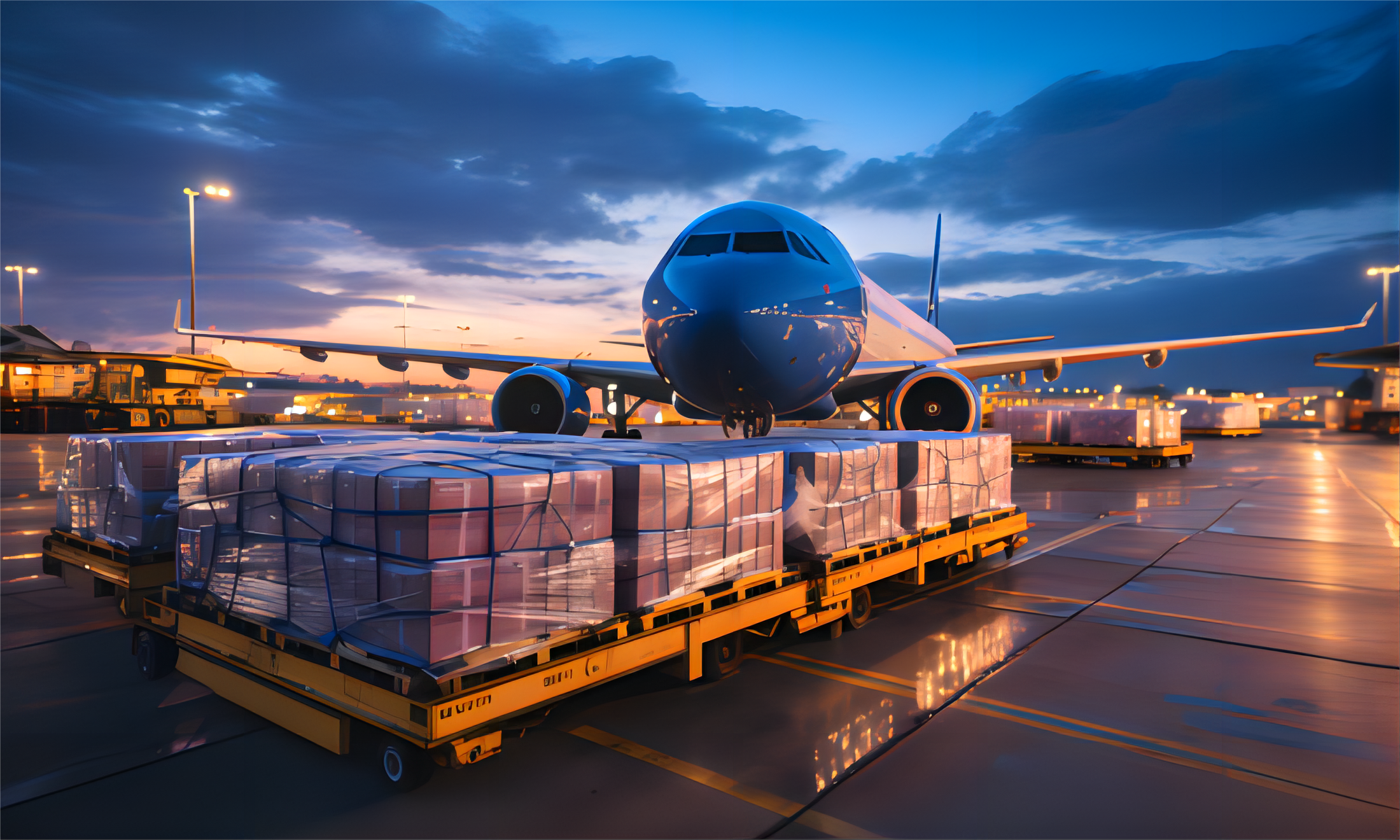
Air freight provides a faster alternative for critical spare parts or high-value precision instruments that cannot withstand long transit times. Meanwhile, sea-air hybrid solutions can offer a balance between speed and expenditure for certain supply chain requirements. Accordingly, most importers prioritize ocean transport for the bulk of their industrial machinery freight China to USA due to the significant savings on heavy tonnage.
How Much Does Machinery Freight China to USA Cost?
Shipping costs for heavy equipment fluctuate based on fuel surcharges, seasonal demand, and port congestion levels. For instance, shipping a standard 40HQ container from Shanghai to Los Angeles currently ranges between 2,500 and 3,800 USD depending on the carrier. Moreover, origin charges such as trucking to the port and export documentation fees typically add several hundred dollars to the total invoice.
Heavy machinery often incurs additional surcharges due to the specialized equipment needed for loading and unloading. Consequently, you should budget for crane fees or heavy-lift charges if your machines exceed standard weight limits. Typical rates as of early 2025 suggest that freight prices have stabilized, though peak season spikes still occur during the third quarter.
| Container Type | China to West Coast | China to East Coast | Best For |
|---|---|---|---|
| 20GP Container | $1,500 – $2,200 | $2,500 – $3,500 | Small heavy machines |
| 40HQ Container | $2,500 – $3,800 | $4,500 – $6,000 | High volume cargo |
| Flat Rack | $3,500 – $5,500 | $5,500 – $8,000 | Oversized equipment |
| LCL (per CBM) | $50 – $90 | $80 – $140 | Small parts/units |
How Does Sea Freight Compare to Other Shipping Options?
While ocean transport is the standard for machinery freight China to USA, alternative methods serve specific logistical needs. For example, air freight reduces transit time from weeks to days but costs significantly more per kilogram. In contrast, sea freight allows for massive weight capacities that would be cost-prohibitive or physically impossible for aircraft.
Without a doubt, the choice between air and sea involves a trade-off between lead time and landed cost. For urgent repairs or high-stakes project deadlines, the speed of air transport justifies the premium. On the other hand, for routine inventory replenishment or large-scale factory installations, the economy of ocean freight is unmatched.
Note: Freight rates are subject to change based on fuel costs, carrier capacity, and seasonal demand. Contact us for a current quote tailored to your specific shipment.
| Shipping Method | Cost Range | Transit Time | Limitations |
|---|---|---|---|
| Sea Freight | $2,500 – $6,000 | 15 – 35 Days | Slow transit speed |
| Air Freight | $5.00 – $9.00/kg | 3 – 7 Days | Weight/size limits |
| Express | $8.00 – $15.00/kg | 2 – 5 Days | Very expensive for bulk |
| RoRo | Variable | 25 – 40 Days | Limited port options |
Which Shipping Option Should You Choose?
Selecting the right strategy depends on your specific business priorities and the nature of the machinery. If your primary goal is budget optimization, FCL sea freight is the clear winner for any shipment exceeding 15 cubic meters. However, if you are shipping a single small machine, LCL might be more economical despite the slightly higher risk of handling damage.
Speed-sensitive projects require a different approach, often involving door to door shipping services to minimize delays at the port. Indeed, this comprehensive service manages every step from the factory floor in China to the final installation site in the USA. Consequently, you can focus on your core operations while logistics experts handle the complex transit details.
Cargo type also dictates the method, as sensitive electronics within machinery might require the climate-controlled environment of a specialized container. Furthermore, volume thresholds play a role; once you reach about 60% of a container’s capacity, booking the full container often becomes cheaper than paying for multiple LCL units. Therefore, analyzing your total volume is crucial for cost control.
Real-World Case Studies for Machinery Shipments
Case Study 1: CNC Machine Export. Route: Shenzhen, China to Los Angeles, USA. Cargo: 3 Axis CNC Milling Machine, 12 CBM, 4,500 kg. Container: 20GP. Shipping Details: Carrier: COSCO, Port of Loading: Shenzhen, Port of Discharge: Los Angeles, Route Type: Direct. Cost Breakdown: Ocean Freight: $1,850, Origin Charges: $450, Destination Charges: $600, Customs and Duties: $1,200, Total Landed Cost: $4,100. Timeline: Booking to Loading: 4 days, Sea Transit: 16 days, Customs Clearance: 2 days, Total Door-to-Door: 22 days. Key Insight: Direct routing saved 6 days compared to transshipment via Busan.
Case Study 2: Construction Excavator. Route: Shanghai, China to Savannah, USA. Cargo: Hydraulic Excavator, 35 CBM, 12,000 kg. Container: 40FR (Flat Rack). Shipping Details: Carrier: Maersk, Port of Loading: Shanghai, Port of Discharge: Savannah, Route Type: Transshipment via Panama. Cost Breakdown: Ocean Freight: $5,200, Origin Charges: $850, Destination Charges: $1,100, Customs and Duties: $3,400, Total Landed Cost: $10,550. Timeline: Booking to Loading: 7 days, Sea Transit: 32 days, Customs Clearance: 4 days, Total Door-to-Door: 43 days. Key Insight: Professional lashing and securing prevented damage during heavy swells in the Pacific.
Essential Customs and Documentation for US Imports
Navigating US Customs and Border Protection (CBP) is often the most daunting part of machinery freight China to USA. To avoid delays, you must ensure that all documentation, including the Commercial Invoice, Packing List, and Bill of Lading, is perfectly accurate. Additionally, many industrial machines are subject to specific Section 301 tariffs which can significantly impact your total landed cost.
Engaging a professional customs brokerage service is highly recommended for first-time importers. These experts verify the correct Harmonized Tariff Schedule (HTS) codes and ensure compliance with EPA or UL standards where applicable. Consequently, you reduce the risk of costly inspections, storage fees, or cargo seizures at the port of entry.
Importers must also file an ISF (Import Security Filing) at least 24 hours before the vessel departs from China. Failure to do so results in automatic fines of 5,000 USD from US Customs. Therefore, proactive communication with your freight forwarder is essential to meet these strict regulatory deadlines.
Transit Times and Delivery Schedules
The time it takes for your cargo to travel from China to the USA varies significantly based on the destination port. For instance, shipments to the West Coast are much faster than those heading to the East Coast or Gulf Coast. Understanding these timelines allows you to plan your production schedules and customer commitments more effectively along North America shipping routes.
Port congestion and seasonal weather patterns can also influence the delivery schedule. During the winter months, Pacific storms may cause delays of several days for vessels crossing the ocean. Meanwhile, labor negotiations at major ports can occasionally slow down the unloading process, making it vital to build a buffer into your logistics timeline.
| Origin Port | Destination Port | Average Transit | Route Type |
|---|---|---|---|
| Shanghai | Los Angeles | 14 – 18 Days | Direct |
| Shenzhen | Long Beach | 15 – 19 Days | Direct |
| Ningbo | New York | 30 – 35 Days | Via Panama Canal |
| Qingdao | Savannah | 32 – 38 Days | Via Suez/Panama |
Packaging and Cargo Handling Requirements
Proper packaging is critical to protect expensive machinery from the rigors of ocean transit. Salt air, humidity, and the physical motion of the ship can cause corrosion or mechanical failure if the equipment is not adequately shielded. For instance, using vacuum-sealed moisture barriers and VCI (Volatile Corrosion Inhibitor) films is a standard practice for high-end industrial tools.
Heavy machinery must be securely bolted to skids or crates to prevent shifting within the container. Furthermore, if you are using wooden packaging materials, they must be heat-treated and stamped with the ISPM-15 logo to pass international quarantine inspections. Accordingly, investing in high-quality crating at the origin saves significant money by preventing transit damage and insurance claims.
In some cases, specialized lifting points must be clearly marked to guide port workers during the loading process. Without a doubt, clear communication regarding center of gravity and weight distribution helps avoid accidents during crane operations. As a result, your machinery arrives in the same condition it left the factory floor.
Final Thoughts on Machinery Shipping
Successfully managing machinery freight China to USA requires a strategic blend of cost analysis, transit planning, and regulatory compliance. By choosing the right shipping method and ensuring meticulous documentation, you can significantly reduce risks and overhead expenses. Whether you are importing a single CNC machine or an entire production line, the right logistics partner makes all the difference.
Remember that the cheapest freight rate is not always the most economical choice if it leads to delays or damaged equipment. Therefore, prioritize reliability and expertise to ensure your industrial assets are protected throughout their journey. With the right preparation, shipping machinery from China to the United States becomes a predictable and profitable component of your business operations.
Ready to streamline your logistics?
Streamline your industrial supply chain with expert logistics support. Contact Top China Freight today for a customized quote on your next machinery freight China to USA shipment and experience hassle-free international transport.
Request Quote