


Cost to Ship Toys from China to Europe: 2025 Freight Guide
Calculating the cost to ship toys from china to europe is a critical step for businesses aiming to maximize their profit margins in a competitive market. Top China Freight offers comprehensive logistics solutions designed to simplify the complexities of international trade. This guide provides a detailed breakdown of current freight rates, transit times, and hidden fees associated with importing toy products to the European continent.
What Factors Influence the Cost to Ship Toys from China to Europe?
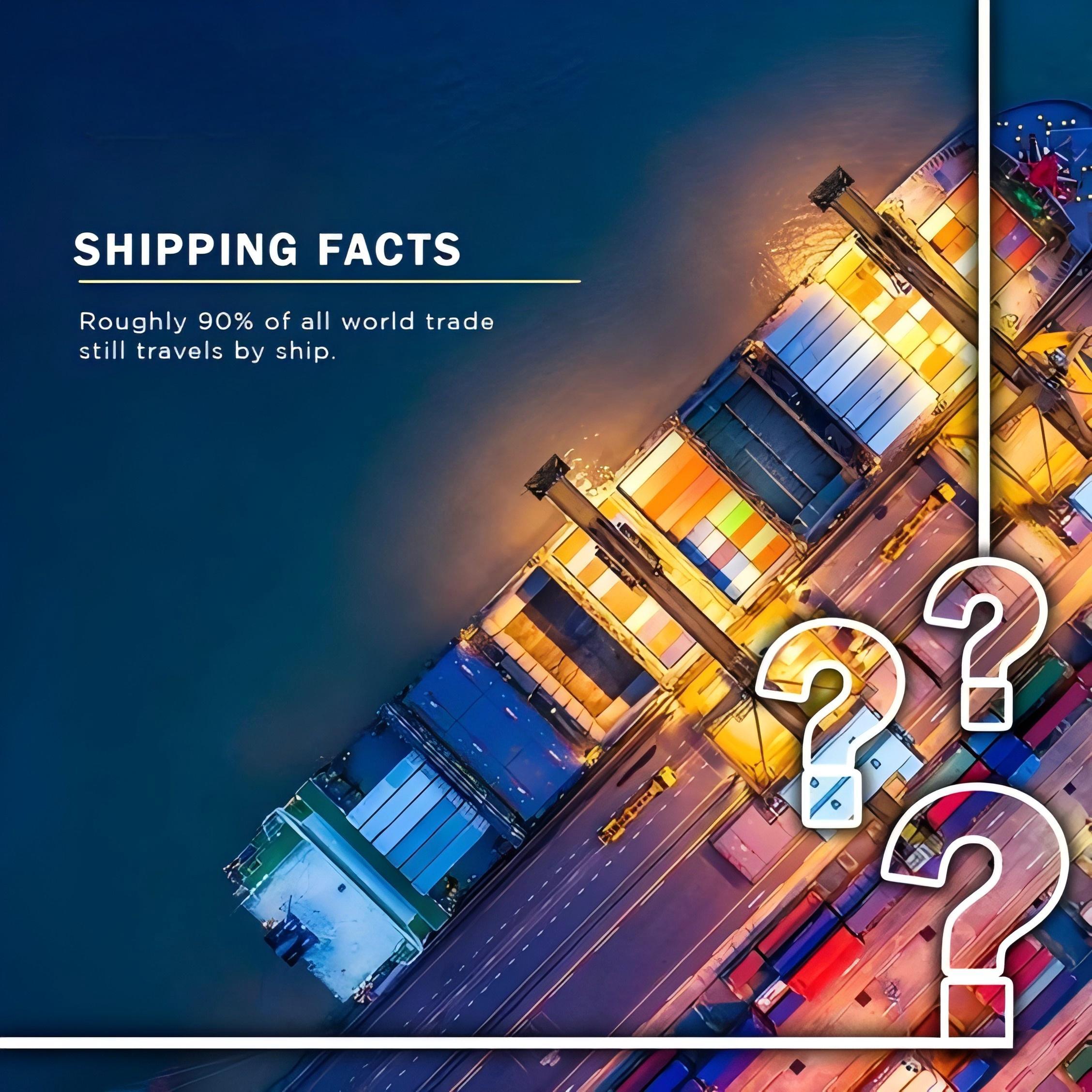
Multiple variables determine the final price you pay when moving toy inventory across the globe. Freight rates are primarily influenced by the weight and volume of your cargo, as toys often have high volume-to-weight ratios.
Fuel surcharges and seasonal demand also play significant roles in pricing fluctuations throughout the year. For instance, the pre-holiday peak season starting in August typically sees a sharp increase in logistics expenses.
Geopolitical events can alter shipping routes, leading to longer transit times and higher operational costs for carriers. Consequently, staying informed about global maritime trends is essential for accurate budgeting.
Port congestion and labor availability at major European hubs can further impact the overall cost of your shipment. Therefore, planning your logistics well in advance helps mitigate the risk of unexpected surcharges.
Comparing Shipping Methods: Air, Sea, and Rail Freight
Choosing the right transportation mode is a balance between speed and the cost to ship toys from china to europe. Sea freight remains the most economical choice for large volumes of bulky toys.
Alternatively, air freight provides the fastest delivery times for high-value or time-sensitive toy launches. While it is more expensive, the reduced lead time can be vital for meeting sudden market demands.
Businesses looking for a middle ground often turn to rail freight, which offers faster transit than sea at a lower price point than air. This method has become increasingly popular for shipments heading to Central and Eastern Europe.
Each method has specific advantages depending on your total shipment volume and budget constraints. Indeed, a diversified shipping strategy can help you manage costs while ensuring inventory stability.
| Method | Cost Level | Transit Time | Best For |
|---|---|---|---|
| Sea Freight | Lowest | 30-45 Days | Bulk orders/FCL |
| Rail Freight | Moderate | 18-25 Days | Mid-sized batches |
| Air Freight | Highest | 5-8 Days | Urgent/Samples |
How Does Sea Freight Compare to Other Shipping Options?
Sea freight is the backbone of the toy industry due to its ability to handle massive quantities of goods at a low unit cost. While sea freight for a 40HQ container might cost between $3,000 and $4,500, air freight for the same volume would be prohibitively expensive.
Moreover, ocean transport allows for the shipping of oversized toy items that might not fit easily into aircraft cargo holds. However, the longer transit time requires businesses to maintain larger safety stocks to avoid stockouts.
In contrast, rail freight serves as a viable alternative for shipments to landlocked European regions. It typically costs about 50% more than sea freight but cuts the transit time nearly in half.
Hybrid solutions like sea-air combinations are also available for those needing a compromise between cost and speed. These strategies involve shipping by sea to a hub like Dubai and then flying the goods to Europe.
| Shipping Method | Cost Range | Transit Time | Limitations |
|---|---|---|---|
| Sea (FCL) | $2,500 – $4,200 | 30-40 Days | Slow transit |
| Rail (LCL) | $120 – $180/CBM | 20-25 Days | Route limits |
| Air (Cargo) | $4.50 – $7.50/kg | 5-7 Days | High cost |
Understanding Container Pricing and LCL Options
For smaller toy shipments, Less than Container Load (LCL) allows you to pay only for the space you use. This is particularly useful for Amazon FBA sellers who may not have enough inventory for a full container.
Full Container Load (FCL) pricing is generally more cost-effective if you have more than 15 cubic meters of goods. Consequently, consolidating your orders can lead to significant savings on the total cost to ship toys from china to europe.
Standard container sizes include the 20GP, 40GP, and the 40HQ, which is the most popular for lightweight toy products. Choosing the 40HQ provides the best value per cubic meter for light but voluminous items like plush toys.
Freight rates for these containers fluctuate weekly based on market capacity and carrier availability. Therefore, it is advisable to lock in rates at least two weeks before your cargo is ready for departure.
Navigating Customs Duties and Import VAT for Toys
Importing toys into Europe requires strict adherence to safety standards and customs documentation. You must ensure all products carry the CE mark to prove compliance with European Union safety regulations.
Customs duties for toys vary depending on the specific HS code and the country of origin. Generally, toy duties range from 0% to 4.7%, but you must also account for Import VAT, which varies by European country.
Utilizing a professional door to door service can simplify the clearance process by handling all paperwork on your behalf. This reduces the risk of costly delays at the border due to incorrect documentation.
Failure to provide the correct certificates of conformity can lead to your shipment being seized or returned to China. Accordingly, always verify your supplier’s testing reports before the shipment leaves the factory.
Which Option Should You Choose for Your Toy Business?
Deciding on a shipping method depends on your specific business priorities and the nature of your toy products. If your primary goal is to minimize the cost to ship toys from china to europe, sea freight is the clear winner.
Businesses with tight deadlines or seasonal products should consider rail or air freight to ensure they do not miss sales windows. Furthermore, high-value electronics or limited-edition collectibles often justify the higher cost of air transport.
Volume thresholds are also a key factor in your decision-making process. For shipments under 100kg, express couriers are often more efficient, while shipments over 15 CBM should almost always move via FCL sea freight.
Market data suggests that most successful toy importers use a mix of methods to balance their inventory flow. For example, they might use sea freight for core stock and air freight for rapid replenishment of top-selling items.
Strategic Cost-Saving Tips for Importing Toys
Optimizing your packaging can drastically reduce your shipping costs by minimizing wasted space inside containers. Since many toys are sold in air-filled boxes, reconsidering your retail packaging can lead to massive freight savings.
Consolidating shipments from multiple Chinese suppliers into one container is another effective way to lower overhead. This strategy reduces the number of individual documentation fees and handling charges you incur.
Booking your shipments during off-peak periods can save you up to 20% on ocean freight rates. Typically, the weeks following the Chinese New Year offer some of the lowest rates of the year.
Working with a freight forwarder that has strong carrier relationships can provide access to better contract rates. Additionally, choosing a port of discharge closer to your final warehouse will minimize inland trucking expenses.
Real Case Studies: Shipping Toys from China to Europe
Case Study 1: Large Scale Distribution. Route: Ningbo, China to Felixstowe, UK. Cargo: Educational Plastic Toys, 68 CBM. Container: 1x40HQ. Shipping Details: Major carrier, direct route. Ocean Freight: $3,250. Origin Charges: $450. Destination Charges: $600. Customs and Duties: $1,200. Total Landed Cost: $5,500. Sea Transit: 32 days. Total Door-to-Door: 42 days. Key Insight: FCL was 30% cheaper than LCL for this volume.
Case Study 2: Fast Replenishment. Route: Shenzhen, China to Hamburg, Germany. Cargo: Remote Control Cars, 5 CBM, 1,200 kg. Container: LCL. Shipping Details: Rail freight via Xian. Rail Freight: $950. Origin Charges: $200. Destination Charges: $350. Customs and Duties: $800. Total Landed Cost: $2,300. Transit Time: 22 days. Total Door-to-Door: 28 days. Key Insight: Rail saved 15 days compared to sea freight at a manageable cost.
Case Study 3: Peak Season Air Shipment. Route: Shanghai, China to Paris, France. Cargo: New Launch Action Figures, 300 kg. Method: Air Freight. Shipping Details: Direct flight. Air Freight: $1,800. Origin/Dest Charges: $400. Customs and Duties: $500. Total Landed Cost: $2,700. Transit Time: 3 days. Total Door-to-Door: 7 days. Key Insight: Air freight ensured the product hit shelves before the holiday marketing campaign began.
Final Thoughts on Toy Shipping Costs
Managing the cost to ship toys from china to europe requires a deep understanding of logistics options and market trends. By choosing the right shipping method and optimizing your cargo, you can significantly enhance your business profitability.
Remember that freight rates are subject to change based on fuel costs, carrier capacity, and seasonal demand. Always consult with a professional logistics partner to get the most accurate and up-to-date pricing for your specific needs.
Staying proactive and flexible with your shipping strategy will ensure your toy business remains resilient in an ever-changing global market. Start planning your next shipment today to secure the best possible rates.
Ready to streamline your logistics?
Ready to optimize your toy supply chain? Contact Top China Freight today for a customized quote and expert guidance on reducing the cost to ship toys from china to europe. Our team is here to help you navigate every step of the logistics process. Send Inquiry
Request Quote