

Food Products Sea Freight China to UK: The Complete Logistics Guide
Importing food products sea freight China to UK requires a high level of precision and adherence to strict safety standards. Top China Freight provides comprehensive logistics solutions designed to maintain the quality of your consumables throughout the long journey. This guide explains how to navigate the complexities of international food shipping while optimizing your supply chain for maximum efficiency.

How Does Sea Freight Compare to Other Shipping Options?
Choosing the right transportation method is vital for maintaining the shelf life and profitability of your inventory. Sea freight remains the most popular choice for bulk food imports due to its significant cost advantages over air transport. However, businesses must weigh the lower costs against the longer transit times inherent in ocean voyages.
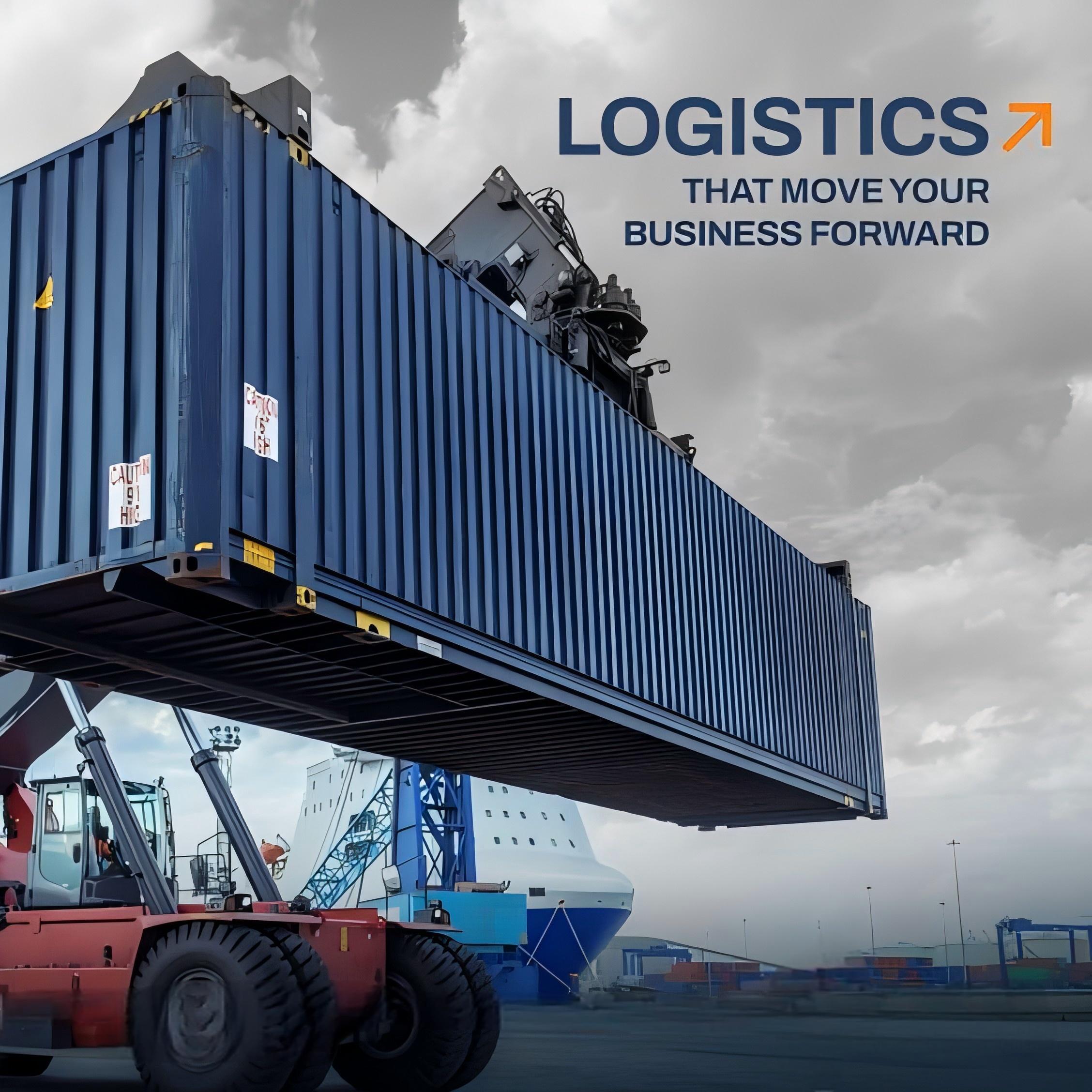
Air freight offers unparalleled speed for highly perishable items like fresh berries or premium seafood. Consequently, companies often reserve air transport for high-value goods that cannot survive a 35-day journey. Rail freight presents a middle-ground solution, offering faster delivery than sea but at a higher price point than traditional ocean routes.
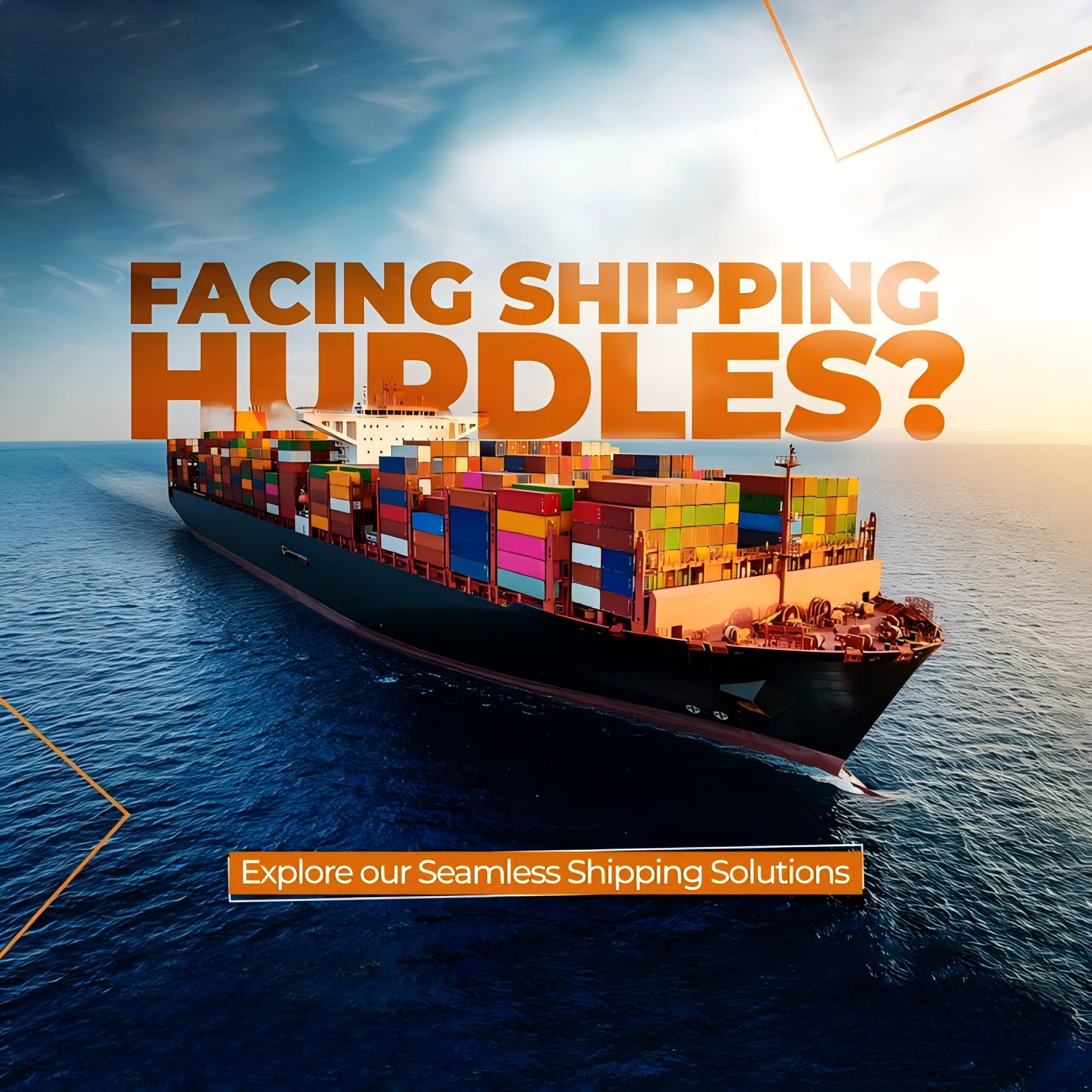
Moreover, sea freight allows for the use of specialized reefer containers that provide precise temperature control. This capability is essential for frozen and chilled products that must remain within a specific range. In contrast, standard air cargo may face more temperature fluctuations during ground handling and transfers.
Ultimately, your choice depends on your budget, the nature of the food products, and your required delivery schedule. Most large-scale importers utilize sea freight for the majority of their stock while using air freight only for emergency replenishments.
| Sea Freight | $2,000 – $4,500 | 30 – 40 Days | Bulk & Shelf-stable |
| Air Freight | $15,000 – $25,000 | 5 – 8 Days | High-value Perishables |
| Rail Freight | $6,000 – $9,000 | 18 – 22 Days | Time-sensitive Dry Goods |
Navigating Customs and Compliance for Food Imports
Shipping food products sea freight China to UK involves strict compliance with the UK Food Standards Agency and HMRC regulations. You must ensure all products meet the safety requirements and possess the necessary health certificates before they leave the port of loading. Failure to provide accurate documentation often results in costly delays or even the destruction of the shipment.
Professional customs brokerage services are indispensable for navigating the complex paperwork involved in food logistics. These experts help you classify your goods correctly under the UK Global Tariff and manage the payment of duties and VAT. Furthermore, they ensure that your labels comply with UK legislation, including ingredient lists and allergen warnings.
Specifically, products of animal origin require even more rigorous checks and must enter the UK through a designated Border Control Post. Consequently, you should verify that your chosen port of discharge is equipped to handle the specific category of food you are importing. Advance notification via the IPAFFS system is also a mandatory step in the import process.
Documentation accuracy remains the single most important factor in preventing port congestion issues for your cargo. Always double-check that your commercial invoice, packing list, and bill of lading match the information on your health certificates exactly.
Understanding the Costs of Sea Freight for Food
Ocean freight rates fluctuate based on seasonal demand, fuel surcharges, and global economic conditions. For food importers, the type of container used significantly impacts the final price of the shipment. Standard dry containers are the most economical option for shelf-stable items like canned goods or dried grains.
Refrigerated containers, or reefers, carry a premium price due to the energy required to maintain temperature and the specialized equipment involved. Additionally, you must account for origin charges in China, such as terminal handling and documentation fees. These costs can add several hundred dollars to your total landed cost before the ship even leaves the harbor.
Note: Freight rates are subject to change based on fuel costs, carrier capacity, and seasonal demand. Contact us for a current quote tailored to your specific shipment.
Market data from early 2025 suggests that rates have stabilized, but peak seasons still see a 15% to 25% increase in pricing. Therefore, booking your shipments at least four weeks in advance is highly recommended to secure the best possible rates.
| Standard Dry | $2,100 – $2,700 | $3,400 – $4,300 | 32-38 Days |
| Reefer (Chilled) | $4,500 – $5,800 | $6,500 – $8,200 | 32-38 Days |
| Reefer (Frozen) | $4,800 – $6,200 | $6,900 – $8,500 | 32-38 Days |
Choosing Between FCL and LCL for Your Food Cargo
Full Container Load (FCL) shipping is generally the preferred method for food products to minimize handling and contamination risks. When you utilize sea freight for a full container, you have exclusive use of the space, which is ideal for large bulk orders. This method also tends to be faster as the container does not need to be deconsolidated at the destination.
Less than Container Load (LCL) is a viable alternative for smaller businesses or those testing new product lines. In this scenario, your goods share space with other shippers’ cargo, which can be more cost-effective for volumes under 15 cubic meters. However, LCL shipments carry a slightly higher risk of damage due to the increased handling at consolidation warehouses.
Furthermore, LCL is typically only suitable for shelf-stable food products that do not require temperature control. Chilled or frozen goods almost always require FCL reefer shipping to ensure the cold chain remains unbroken. Consequently, you must evaluate your volume and product sensitivity before deciding on the shipment type.
Indeed, many successful importers start with LCL to manage cash flow and then transition to FCL as their order volumes grow. This strategy allows for scalable growth while keeping initial logistics investments manageable.
Strategic Port Selection and Transit Times
The choice of departure and arrival ports significantly influences both the cost and the speed of your logistics chain. Most food products sea freight China to UK departs from major hubs like Shanghai, Ningbo, or Shenzhen. These ports offer the highest frequency of sailings and the most competitive rates due to the high volume of traffic.
Arrival ports in the UK such as Felixstowe, Southampton, and London Gateway are well-equipped to handle large container ships. Selecting a port closer to your final warehouse can reduce inland haulage costs and delivery times. For shipments destined for Northern England or Scotland, the Port of Liverpool or Hull might be more efficient options.
Shipping to Europe and the UK generally takes between 30 and 40 days depending on the specific route and carrier. Direct services are faster but often cost 10% more than routes that involve transshipment in hubs like Singapore. You should balance the need for speed against your budget when selecting a specific carrier service.
Accordingly, monitoring port congestion reports is essential to avoid unexpected delays during peak seasons. Meanwhile, working with an experienced freight forwarder can help you identify the most reliable routes based on real-time market conditions.
Case Studies: Successful Food Logistics Scenarios
Case Study 1: Large Scale Canned Goods Import. Route: Ningbo, China to Felixstowe, UK. Cargo: Canned mushrooms and bamboo shoots, 28 CBM, 18,000 kg. Container: 20GP FCL. Shipping Details: Direct service via COSCO. Ocean Freight: $2,350. Origin Charges: $450. Destination Charges: $600. Customs and Duties: $1,200. Total Landed Cost: $4,600. Timeline: 34 days door-to-door. Key Insight: Using FCL for shelf-stable goods provided the lowest per-unit shipping cost.
Case Study 2: Temperature Controlled Frozen Seafood. Route: Qingdao, China to London Gateway, UK. Cargo: Frozen shrimp, 55 CBM, 22,000 kg. Container: 40HQ Reefer. Shipping Details: Direct service with temperature monitoring. Ocean Freight: $7,200. Origin Charges: $800. Destination Charges: $1,100. Customs and Duties: $3,500. Total Landed Cost: $12,600. Timeline: 38 days door-to-door. Key Insight: Continuous temperature logging ensured the product met all UK health standards upon arrival.
Case Study 3: Small Batch Specialty Snacks. Route: Shenzhen, China to Southampton, UK. Cargo: Dried fruit snacks, 5 CBM, 1,200 kg. Container: LCL. Shipping Details: Transshipment via Singapore. Ocean Freight: $450. Origin Charges: $200. Destination Charges: $350. Customs and Duties: $400. Total Landed Cost: $1,400. Timeline: 45 days door-to-door. Key Insight: LCL allowed the importer to test the UK market without committing to a full container.
Which Shipping Option Should You Choose?
Determining the best logistics strategy requires a clear understanding of your business priorities and product requirements. If your primary goal is cost reduction and you are shipping shelf-stable goods in high volumes, FCL sea freight is the definitive choice. This method provides the most stability and the lowest risk of external contamination.
For businesses prioritizing speed for high-margin perishables, air freight is the only viable solution despite the higher expense. If you find yourself in a situation where sea freight is too slow but air is too expensive, consider rail freight or a sea-air hybrid solution. These alternatives can help you bridge the gap during periods of high demand or supply chain disruptions.
Volume thresholds also play a critical role in your decision-making process. Once your shipment exceeds 15 cubic meters, the cost of FCL often becomes lower than LCL on a per-unit basis. Therefore, consolidating multiple small orders into a single full container is a common strategy for growing food businesses.
Finally, always consider the specific handling requirements of your cargo. Fragile food items or those requiring strict temperature ranges may dictate the shipping method regardless of the cost differences. Professional door to door services can help manage these variables and provide a seamless experience from the factory to your warehouse.
Summary of Food Logistics from China to the UK
Successfully managing food products sea freight China to UK requires a combination of strategic planning, regulatory knowledge, and reliable partnerships. By understanding the differences between FCL and LCL, selecting the right ports, and ensuring total customs compliance, you can build a resilient supply chain. Whether you are shipping shelf-stable canned goods or delicate frozen items, the right logistics approach will protect your margins and your brand reputation.
Additionally, staying informed about market trends and freight rate fluctuations allows you to make data-driven decisions for your business. Partnering with an experienced freight forwarder ensures that your food products arrive safely, legally, and cost-effectively. Start optimizing your international food shipping strategy today to gain a competitive edge in the UK market.
Ready to streamline your logistics?
Ready to streamline your food products sea freight China to UK? Contact Top China Freight today for a customized quote and expert guidance on your next shipment. Visit our website to learn more about our specialized food logistics solutions.
Request Quote