


Medical Equipment Sea Freight from China: The Ultimate 2025 Guide
Navigating the complexities of medical equipment sea freight from China requires a strategic approach to ensure both safety and regulatory compliance. Many healthcare providers struggle with the high costs of transporting bulky diagnostic machinery, making maritime solutions a vital alternative for global supply chains. At Top China Freight, we specialize in streamlining these international logistics processes to help you manage your inventory effectively and affordably.
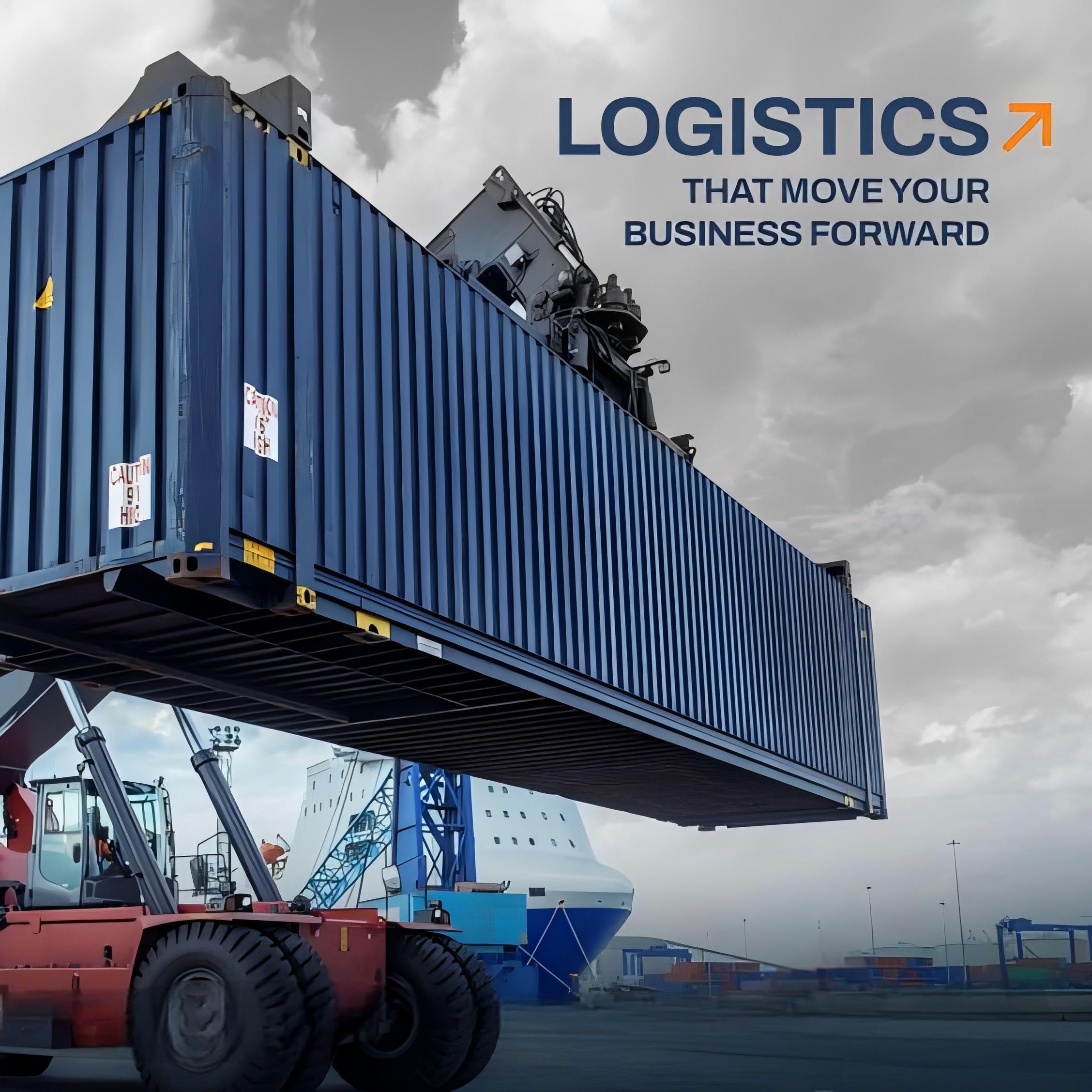
How Does Medical Equipment Sea Freight from China Compare to Other Shipping Options?
Choosing the right transportation method is a critical decision for any medical equipment importer. While sea freight remains the most cost-effective choice for heavy items, it is important to understand how it stacks up against faster alternatives. However, the choice often depends on your specific budget constraints and the urgency of the medical facility’s needs.

Air transport provides unparalleled speed but comes with a significantly higher price tag that can drain your profit margins. Meanwhile, rail options offer a middle ground for shipments heading toward Europe, though they are not applicable for North American or Australian routes. Consequently, most businesses opt for maritime transport when shipping bulk quantities of hospital beds, MRI machines, or dental chairs.

Moreover, sea transport allows for the movement of oversized cargo that simply cannot fit into standard cargo planes. Therefore, it is the primary method for large-scale hospital infrastructure projects where volume is high. In contrast, smaller, high-value surgical instruments might benefit from a hybrid approach to balance cost and speed.
| Shipping Method | Cost Range | Transit Time | Best For |
|---|---|---|---|
| Sea Freight | $1,500 – $6,000 | 20-45 Days | Bulk/Heavy Gear |
| Air Freight | $5,000 – $25,000 | 3-7 Days | Urgent/High Value |
| Rail Freight | $2,000 – $4,500 | 15-22 Days | EU Land Routes |
Understanding the Cost Structure of Medical Equipment Sea Freight from China
Calculating the total landed cost of your medical equipment requires a deep understanding of several moving parts. Beyond the base ocean freight rate, you must account for terminal handling charges, documentation fees, and inland trucking costs. Additionally, insurance is non-negotiable for sensitive medical technology to protect against potential transit damage.
Market data suggests that freight rates have stabilized in early 2025 after the volatile disruptions of previous years. Nevertheless, seasonal peaks during the third quarter can still cause prices to rise by 15-20% due to increased demand. Indeed, booking your shipments at least 3-4 weeks in advance can help you secure better rates and guaranteed space on the vessel.
If you are shipping smaller volumes, LCL (Less than Container Load) might seem cheaper, but FCL (Full Container Load) offers better protection for fragile gear. As a result, many importers prefer to consolidate their orders into a single 20GP or 40HQ container. This approach minimizes handling risks and often results in a lower cost per unit.
Transit Times and Delivery Schedules for Global Routes
Transit times for medical equipment sea freight from China vary significantly based on the destination port and the specific shipping line used. For instance, shipments to the United States West Coast are much faster than those heading to the East Coast via the Panama Canal. Furthermore, direct routes are always preferable for sensitive equipment to reduce the risks associated with transshipment.
Typical transit times as of early 2025 show that shipments to Europe take roughly 30 to 40 days. On the other hand, routes to Australia are much shorter, often arriving within 12 to 18 days from major ports like Shenzhen or Ningbo. Accordingly, you should plan your inventory cycles with these timelines in mind to avoid stockouts at the healthcare facility.
Port congestion can occasionally add unexpected delays to your delivery schedule. However, working with a logistics provider that offers door to door service can mitigate these issues by managing the entire flow. This ensures that your equipment moves seamlessly from the Chinese factory to the final hospital destination.
| Destination | Major Port | Avg. Transit | Service Type |
|---|---|---|---|
| USA West Coast | Los Angeles | 14-18 Days | Direct |
| USA East Coast | New York | 30-35 Days | Via Panama |
| Europe | Rotterdam | 28-35 Days | Direct |
| Australia | Sydney | 12-18 Days | Direct |
Crucial Customs Documentation for Medical Imports
Shipping healthcare products involves strict regulatory oversight from agencies like the FDA in the USA or the EMA in Europe. Consequently, your documentation must be flawless to avoid expensive delays or cargo seizures at the border. You will need a detailed commercial invoice, a packing list, and a Certificate of Origin at a minimum.
Moreover, medical devices often require specific licenses or CE/FDA certification documents to prove compliance with safety standards. Therefore, engaging a professional customs brokerage service is highly recommended for first-time importers. They can verify that your HS codes are correct, which directly impacts the amount of duty you will pay upon arrival.
In addition to standard forms, some equipment may require specialized handling instructions or battery declarations if they contain lithium components. Indeed, missing even a single signature can lead to your shipment being held in a bonded warehouse for weeks. To summarize, preparation is the most important factor in a successful medical logistics operation.
| Document Name | Required By | Purpose | Criticality |
|---|---|---|---|
| Bill of Lading | Carrier/Customs | Title of Goods | High |
| Commercial Invoice | Customs | Tax Valuation | High |
| CE/FDA Cert | Regulators | Safety Proof | Critical |
| Packing List | Warehouse | Cargo Audit | Medium |
Case Study 1: Shipping MRI Machines to Germany
Route: Shanghai, China to Hamburg, Germany. Cargo: 3 MRI Machines, 42 CBM, 8,500 kg. Container: 40HQ. Shipping Details: Direct service via major carrier. Sea Transit: 34 days. Customs Clearance: 3 days. Total Door-to-Door: 42 days. Cost Breakdown: Ocean Freight $3,200, Origin Charges $450, Destination Charges $600, Customs & Duties $1,200. Total Landed Cost: $5,450. Key Insight: Using a 40HQ allowed for specialized shock-absorption packaging which prevented any calibration issues during the long sea voyage.
Case Study 2: Hospital Bed Consolidation to the USA
Route: Shenzhen, China to Los Angeles, USA. Cargo: 50 Electric Hospital Beds, 65 CBM. Container: 2 x 40GP. Shipping Details: Direct route to North America. Sea Transit: 16 days. Customs Clearance: 2 days. Total Door-to-Door: 24 days. Cost Breakdown: Ocean Freight $5,200, Origin Charges $800, Destination Charges $950, Customs & Duties $2,100. Total Landed Cost: $9,050. Key Insight: Scheduling the shipment during the off-peak season in early Q1 saved the client approximately 15% on freight rates compared to the Q4 peak.
Which Shipping Option Should You Choose for Your Equipment?
Deciding between air freight and sea transport usually comes down to a trade-off between time and money. If your budget is the top priority and the equipment is not needed for an immediate emergency, sea freight is the clear winner. However, if you are dealing with a life-saving device that must be operational within a week, the high cost of air transport is justified.
Volume thresholds also play a major role in this decision-making process. For shipments larger than 15 CBM, sea freight becomes exponentially more economical than any other method. On the other hand, very small parcels of medical components might be better suited for express services to ensure rapid delivery and lower handling risks.
Consider a hybrid strategy if you have a large order with varying degrees of urgency. You could ship a small portion of the order via air to meet immediate needs while the bulk of the inventory follows via sea. This balanced approach ensures you satisfy your clients without overspending on logistics.
Strategic Tips to Optimize Your Medical Supply Chain
Improving your logistics efficiency starts with choosing the right partners in China. Furthermore, you should always request a detailed quote that includes all potential surcharges to avoid hidden costs. Additionally, investing in high-quality pallets and crating will significantly reduce the likelihood of damage during the multiple stages of sea transit.
Monitoring market trends and fuel surcharges allows you to time your purchases more effectively. Meanwhile, maintaining a strong relationship with your freight forwarder can provide you with access to priority space during busy seasons. Consequently, these small adjustments can lead to substantial long-term savings for your medical import business.
Ready to streamline your logistics?
Ready to optimize your medical equipment sea freight from china strategy? Contact us today for a free consultation and customized quote. Our expert team is here to help you streamline your logistics and reduce costs.
Request Quote