


What Documents Needed for Auto Parts from China to Europe? A Full Guide
Navigating the complexities of international trade requires precision and thoroughness to avoid costly delays. When you partner with Top China Freight, you gain access to expert logistics knowledge for your supply chain. Understanding exactly what documents needed for auto parts from china to europe is the first step toward a successful import operation.

Essential Paperwork: What Documents Needed for Auto Parts from China to Europe?
The backbone of any international shipment is its documentation which must be perfectly accurate. You must ensure that every piece of paper matches the physical cargo to avoid customs seizures. Failure to provide the correct information often leads to expensive storage fees at the border.
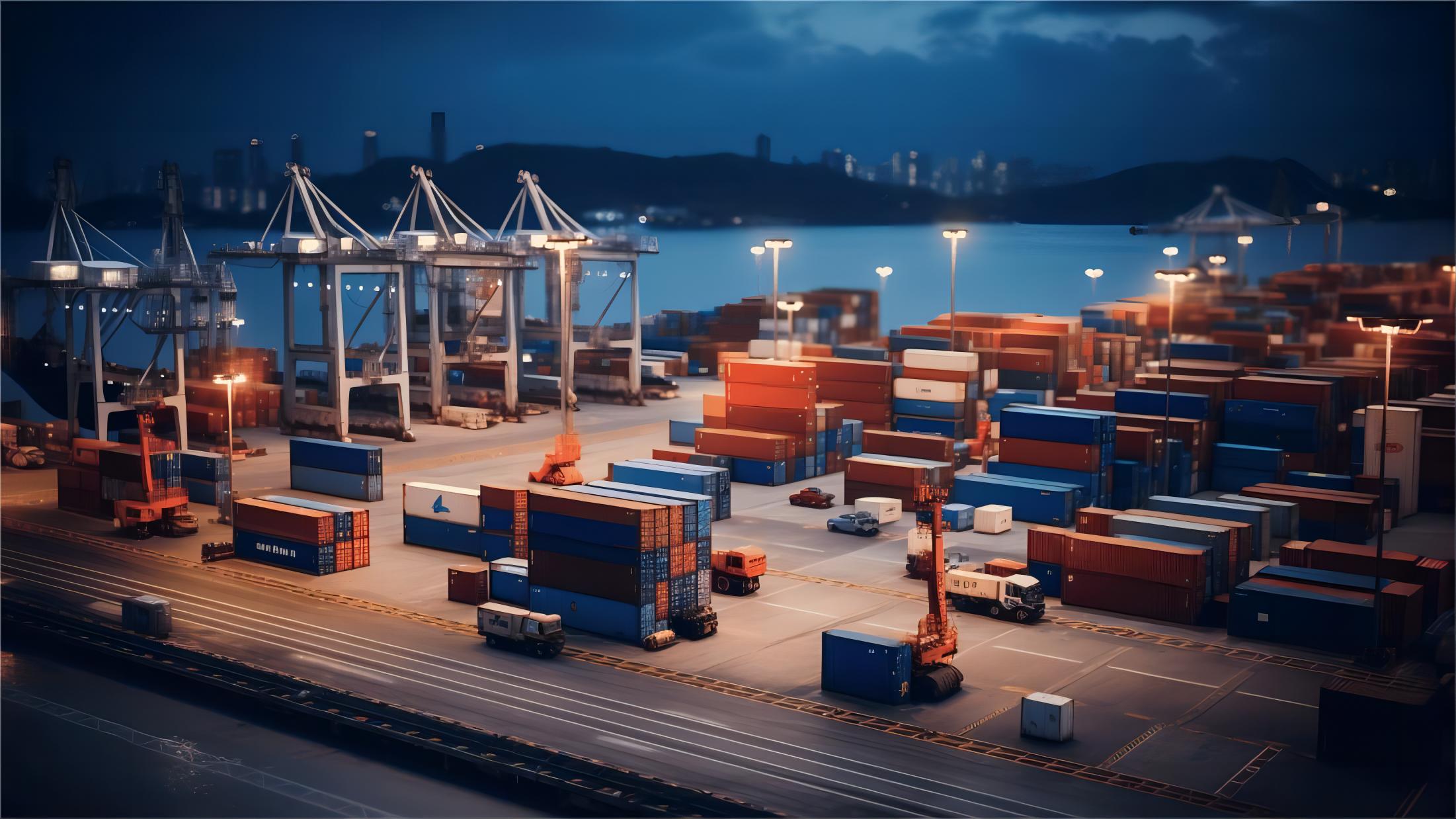
Specifically, the commercial invoice and packing list are the most critical items in your folder. Moreover, these documents must clearly state the value and quantity of every individual component. Without these, the European customs authorities cannot assess the correct duties or taxes.

Additionally, you will need a Bill of Lading or an Air Waybill depending on your chosen transport. These documents act as a contract of carriage and a receipt for the goods. Furthermore, they are essential for the release of the cargo once it reaches its destination.
Commercial Invoice and Packing List
A commercial invoice serves as the primary record of the transaction between the exporter and the importer. It must include the specific HS codes for each automotive part to ensure correct classification. Customs officials use these codes to determine the applicable duty rates for your specific products.
The packing list provides a detailed breakdown of the shipment’s physical characteristics. It includes the gross weight, net weight, and dimensions of each crate or pallet. Consequently, it allows port authorities to verify the cargo without opening every single box.
Bill of Lading and Air Waybill
The Bill of Lading is a legal document issued by the carrier to the shipper. It details the type, quantity, and destination of the goods being carried. In contrast, an Air Waybill is used for shipments moving via air freight services.
Both documents are indispensable for tracking your shipment throughout its journey. They also specify the Incoterms used for the transaction, such as FOB or CIF. Therefore, you must check these documents for any typographical errors before the vessel departs.
Technical Certifications and Compliance for the European Market
Europe maintains some of the strictest safety and environmental standards in the global automotive industry. Many parts require specific certifications to prove they are safe for use on European roads. For instance, electrical components often require CE marking to demonstrate compliance with health standards.
Moreover, functional parts like headlights, tires, and brake pads usually require an E-mark. This certification indicates that the part meets United Nations Economic Commission for Europe regulations. Consequently, you must verify that your Chinese supplier possesses these valid certificates before shipping.
Without these certifications, your goods may be rejected at the port of entry. Indeed, customs officials frequently request technical dossiers to verify the authenticity of the markings. It is vital to include these documents in your standard shipping package.
| Document Type | Applicable Parts | Purpose | Mandatory |
|---|---|---|---|
| CE Certificate | Electrical components | Safety compliance | Yes |
| E-mark Certificate | Lights, tires, brakes | Road safety standards | Yes |
| MSDS | Batteries, lubricants | Hazardous material info | If applicable |
| Test Reports | Mechanical parts | Quality assurance | Recommended |
How Does Sea Freight Compare to Other Shipping Options?
When importing from China, you have several logistics pathways to consider for your business. Sea freight remains the most popular choice for large volumes of engine components. It offers the lowest cost per unit, which is vital for maintaining healthy profit margins.
However, the transit time for ocean transport is significantly longer than air or rail alternatives. For urgent replenishment of stock, air transport provides the speed you need at a higher price. Meanwhile, rail freight serves as an excellent middle ground for transcontinental shipping.
Rail transport is particularly effective for shipments to Eastern and Central Europe. It is faster than the sea while remaining significantly more affordable than the air. As a result, many automotive distributors are shifting to rail for their regular inventory updates.
| Shipping Method | Cost Range | Transit Time | Best For |
|---|---|---|---|
| Sea Freight | $2,000 – $4,200 | 30-45 Days | Bulk/Heavy parts |
| Rail Freight | $4,000 – $6,500 | 18-24 Days | Mid-size shipments |
| Air Freight | $8,000 – $15,000 | 5-9 Days | Urgent/High-value |
| Express | $10,000+ | 3-5 Days | Small samples |
Customs Clearance and the EORI Number Requirement
Every business importing goods into the European Union must have an EORI number. This Economic Operators Registration and Identification number is used by customs to track shipments. You must apply for this number in the EU country where you first perform customs activities.
Furthermore, utilizing a professional customs brokerage can simplify the entire entry process. Brokers ensure that your HS codes are correct and that all taxes are paid on time. This prevents your auto parts from being held in expensive bonded warehouses.
Customs duties for auto parts from China typically range from 3% to 10% depending on the part. Additionally, you must account for the Value Added Tax (VAT) applicable in the destination country. Proper documentation ensures that you do not overpay these essential government fees.
Real-World Logistics Case Studies for Auto Parts
Examining real-world scenarios helps in understanding the practical application of these document requirements. These cases reflect actual market conditions and pricing trends seen throughout the current year. They highlight how different methods impact the total landed cost and delivery schedule.
Case Study 1: Rail Shipment of Brake Discs. A distributor in Warsaw imported 15 CBM of brake discs from Ningbo. By using rail freight, they achieved a balance between cost and speed, ensuring their retail partners remained stocked. All CE certificates were verified before the train departed China.
Case Study 2: Sea Freight for Body Panels. A manufacturer in Hamburg ordered a 40HQ container of steel body panels from Shenzhen. Because the panels were heavy and not urgent, sea freight was the most economical choice. The total transit time was 38 days, including customs clearance.
Case Study 1: Shanghai to Hamburg via Rail
Route: Shanghai, China to Hamburg, Germany. Cargo: Suspension kits, 12 CBM, 4,500 kg. Container: LCL. Carrier: Major rail operator. Transit: 22 days. Total Landed Cost: $5,800. Key Insight: Pre-clearing the documents saved three days at the Polish border.
Case Study 2: Shenzhen to Rotterdam via Sea
Route: Shenzhen, China to Rotterdam, Netherlands. Cargo: LED Headlights, 28 CBM. Container: 20GP. Carrier: COSCO. Transit: 35 days. Total Landed Cost: $3,450. Key Insight: Ensuring E-mark documentation was included prevented a customs hold for safety inspections.
Which Option Should You Choose for Your Business?
Choosing the right logistics strategy depends on your specific budget and timeline priorities. If your primary goal is cost reduction, sea freight is the clear winner for large shipments. However, you must plan your inventory at least two months in advance to account for transit times.
If you are dealing with high-value components or urgent repairs, air freight is the preferred method. For consistent, mid-speed delivery to landlocked European countries, rail is often the most logical choice. Always consider the total landed cost, which includes duties, taxes, and local delivery fees.
Moreover, the destination in Europe will influence your choice of port or terminal. For example, shipments to the UK might face different customs procedures than those heading to the EU mainland. Always consult with your freight forwarder to stay updated on the latest regional regulations.
Cost-Saving Strategies for Importing Auto Parts
One effective way to save money is to consolidate small shipments into a single LCL container. This reduces the per-unit shipping cost compared to sending multiple express packages. Additionally, choosing the right Incoterms can give you more control over the freight rates.
Working with a supplier that is familiar with European standards can also prevent costly mistakes. For instance, a supplier who provides accurate HS codes on the commercial invoice reduces the risk of duty overpayment. Consequently, you should build long-term relationships with reliable Chinese manufacturers.
Finally, always request multiple quotes to compare current market rates for different routes. Freight prices fluctuate based on fuel costs and seasonal demand, especially during the peak season from August to October. Staying informed about logistics trends allows you to book your shipments at the most opportune times.
Final Thoughts on Shipping Auto Parts to Europe
Successfully importing automotive components requires a deep understanding of what documents needed for auto parts from china to europe. From the commercial invoice to the E-mark certification, every detail matters for customs compliance. By preparing your paperwork in advance, you minimize the risk of delays and extra costs.
Whether you choose sea, air, or rail freight, the key is to maintain accuracy in your documentation. Partnering with a knowledgeable freight forwarder will help you navigate the complexities of European customs. Start planning your next shipment today with a focus on compliance and efficiency.
Ready to streamline your logistics?
Ensure your automotive supply chain remains efficient and compliant by working with experts. Contact us today to learn more about what documents needed for auto parts from china to europe and get a customized shipping quote for your next cargo. Visit Top China Freight to start your inquiry now.
Request Quote