

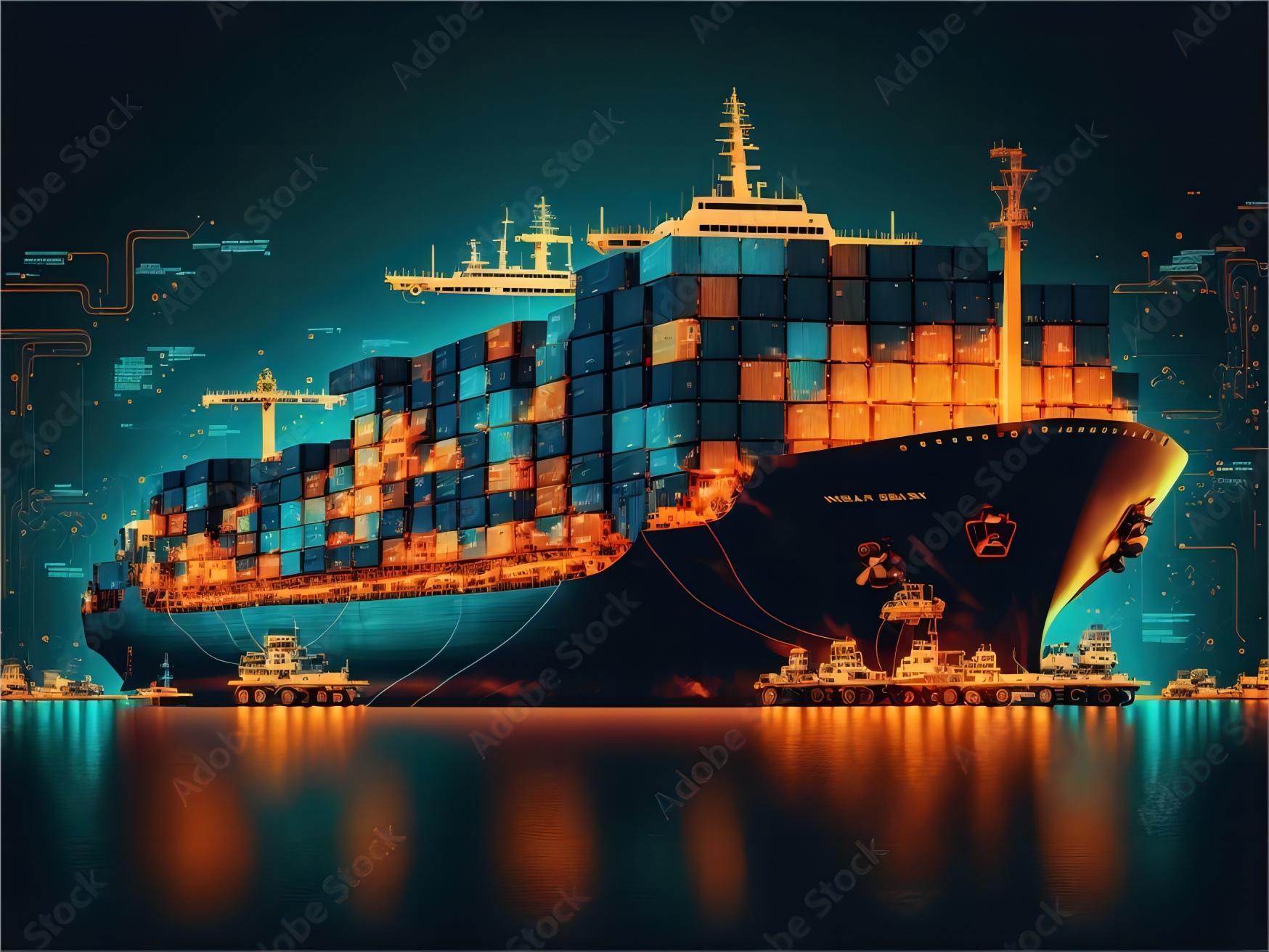
China Europe Rail China to Germany: The Ultimate Logistics Guide
Navigating international logistics requires a delicate balance between shipping speed and budgetary constraints. For many global businesses, the Top China Freight network provides a strategic advantage through the china europe rail china to germany route. This modern Silk Road offers a reliable alternative to traditional transport methods by connecting major industrial hubs across two continents.

What is the China Europe Rail China to Germany Route?
Specifically, this logistics corridor represents a massive network of railway lines connecting Chinese cities like Xi’an and Chengdu to German destinations such as Duisburg and Hamburg. Most traders recognize this route as the China Railway Express, which has revolutionized the way goods move between East and West. Consequently, it has become a primary choice for high-value cargo that requires faster delivery than sea freight.
Logistics experts often refer to this system as the Belt and Road Initiative’s land-based backbone. Indeed, the route spans thousands of miles, crossing through Kazakhstan, Russia, and Belarus before entering the European Union. Furthermore, the infrastructure supports both full container loads and smaller shipments, making it highly versatile for various business sizes.

How Does Rail Freight Compare to Other Shipping Options?
Choosing the right mode of transport depends heavily on your specific timeline and budget requirements. While sea freight remains the most economical choice for massive volumes, it often suffers from longer transit times and port congestion. In contrast, air freight provides the fastest delivery but at a significantly higher cost that can drain profit margins.
Rail transport occupies the middle ground, offering a ‘best of both worlds’ solution for many importers. Moreover, the stability of rail schedules provides better predictability for supply chain managers compared to the volatility of ocean shipping. Therefore, businesses can maintain lower inventory levels while ensuring a steady flow of products to the German market.
| Shipping Method | Cost Range | Transit Time | Best For |
|---|---|---|---|
| Sea Freight | $1,800 – $2,500 | 30-45 Days | Bulk Goods |
| Rail Freight | $3,000 – $4,200 | 15-22 Days | Mid-Value Cargo |
| Air Freight | $15,000 – $25,000 | 3-7 Days | Urgent/High Value |
| Express | $20,000+ | 2-5 Days | Samples/Small Parcels |
Why Choose Rail Freight for Your German Shipments?
Selecting rail freight offers distinct advantages in terms of environmental impact and cargo security. Since trains produce significantly lower carbon emissions than airplanes, this method aligns with the green initiatives of many European corporations. Additionally, the specialized container handling at rail terminals reduces the risk of damage during the long journey.
Safety remains a top priority for the china europe rail china to germany corridor. Specifically, most trains are equipped with GPS tracking and advanced security seals to prevent theft or tampering. Consequently, shippers can monitor their cargo in real-time as it moves through various transit countries toward its final German destination.
Key Routes and Transit Times for China Europe Rail China to Germany
Every shipment begins at a major inland rail terminal in China, where containers are consolidated for the journey. Xi’an has emerged as the busiest hub, offering direct connections that reach Germany in approximately 16 to 18 days. Meanwhile, other cities like Chongqing and Zhengzhou provide frequent departures to ensure flexibility for manufacturers located in central China.
Transit times can vary slightly depending on the specific border crossings and seasonal weather conditions. However, the efficiency of the ‘Iron Silk Road’ has improved steadily as customs procedures become more streamlined at each checkpoint. Specifically, the transition from broad-gauge to standard-gauge tracks at the Polish border is now handled with remarkable speed.
| Origin City | Destination City | Transit Time | Frequency |
|---|---|---|---|
| Xi’an | Duisburg | 16-18 Days | Daily |
| Chengdu | Hamburg | 18-20 Days | 4-5 per Week |
| Chongqing | Munich | 19-21 Days | 3 per Week |
| Zhengzhou | Hamburg | 17-19 Days | Daily |
Understanding the Cost Factors of Rail Logistics
Calculating the total cost of the china europe rail china to germany route involves looking beyond the basic freight rate. Factors such as fuel surcharges, terminal handling charges, and documentation fees contribute to the final invoice. As of Q1 2025, freight rates have stabilized, though they remain sensitive to global energy prices and geopolitical shifts.
Typically, FCL (Full Container Load) shipping offers the best value for larger volumes of goods. On the other hand, LCL (Less than Container Load) allows smaller businesses to share container space, making rail accessible for smaller batches. Note: Freight rates are subject to change based on fuel costs, carrier capacity, and seasonal demand. Contact us for a current quote tailored to your specific shipment.
Essential Customs Brokerage and Documentation
Navigating the complexities of international trade requires expert customs brokerage services. Every shipment must be accompanied by a commercial invoice, packing list, and a railway bill of lading to pass inspections. Furthermore, specific products may require certificates of origin or safety compliance documents to enter the German market legally.
Delays at the border often stem from incomplete or inaccurate paperwork. Therefore, partnering with a knowledgeable freight forwarder ensures that all declarations are filed correctly before the train arrives at the EU border. Indeed, proactive management of customs duties and VAT can prevent unexpected costs and keep your delivery schedule on track.
Door to Door Solutions and Logistics Trends
Modern businesses increasingly demand door to door services to simplify their operations. This comprehensive approach covers everything from the initial pickup at the Chinese factory to the final delivery at a German warehouse. Consequently, the importer only needs to deal with a single point of contact for the entire journey.
Logistics trends in 2025 show a growing reliance on multimodal transport combinations. For example, some companies use trucks to move goods from coastal factories to inland rail hubs before starting the long-haul journey. This flexibility allows for better optimization of the china europe rail china to germany route based on local infrastructure availability.
Real World Case Studies for Rail Shipments
Case Study 1: Solar Panel Distribution. Route: Shanghai, China -> Hamburg, Germany. Cargo: Solar Panels, 65 CBM, 12,000 kg. Container: 40HQ. Shipping Details: Major rail carrier, Port of Loading: Shanghai Terminal, Port of Discharge: Hamburg Billwerder, Route Type: Direct. Cost Breakdown: Rail Freight: $3,600, Origin Charges: $250, Destination Charges: $300, Customs and Duties: $1,200, Total Landed Cost: $5,350. Timeline: Booking to Loading: 4 days, Rail Transit: 16 days, Customs Clearance: 2 days, Total Door-to-Door: 22 days. Key Insight: Rail provided a 50% time saving over sea freight with manageable costs.
Case Study 2: Industrial Machinery Parts. Route: Chengdu, China -> Duisburg, Germany. Cargo: Machinery parts, 8 CBM, 2,500 kg. Container: LCL 8 CBM. Shipping Details: China Railway Express, Port of Loading: Chengdu Port, Port of Discharge: Duisburg Terminal, Route Type: Direct. Cost Breakdown: Rail Freight: $850, Origin Charges: $150, Destination Charges: $200, Customs and Duties: $450, Total Landed Cost: $1,650. Timeline: Booking to Loading: 3 days, Rail Transit: 19 days, Customs Clearance: 3 days, Total Door-to-Door: 25 days. Key Insight: LCL rail was significantly cheaper than air freight for this specific weight and volume.
Which Option Should You Choose?
Determining the best shipping method requires an analysis of your inventory turnover and customer expectations. If your primary goal is cost reduction and you have a flexible timeline, sea freight remains a strong contender. However, if you need to replenish stock quickly without the high cost of air transport, rail is the ideal solution.
Budget priority usually leads to sea freight for non-urgent bulk items. Speed priority dictates air freight for high-margin electronics or fashion. Meanwhile, the china europe rail china to germany route serves as the perfect strategic choice for automotive parts, industrial machinery, and consumer goods that need a balanced approach.
Final Thoughts on Rail Logistics
To summarize, the china europe rail china to germany route provides a vital link for modern international trade. This transport mode offers a unique combination of speed, reliability, and cost-efficiency that traditional methods cannot match. By understanding the routes, costs, and documentation requirements, businesses can optimize their logistics and stay competitive in the global market. Whether you are shipping full containers or smaller loads, rail freight remains a cornerstone of efficient supply chain management.
Ready to streamline your logistics?
Streamline your supply chain today by utilizing our expert china europe rail china to germany services. Contact Top China Freight for a personalized quote and professional logistics support. Visit our website to send an inquiry and start your shipment now.
Request Quote