


Trusted Sea Freight from China to UK: The 2025 Logistics Guide
Finding a reliable partner for international logistics is essential for maintaining a healthy supply chain in today’s global economy. When businesses require trusted sea freight from China to UK, they must navigate complex regulations and fluctuating market conditions. This comprehensive guide explores everything you need to know about securing efficient, cost-effective, and dependable ocean transport solutions for your British enterprise.
Why Choose Trusted Sea Freight from China to UK for Your Business?
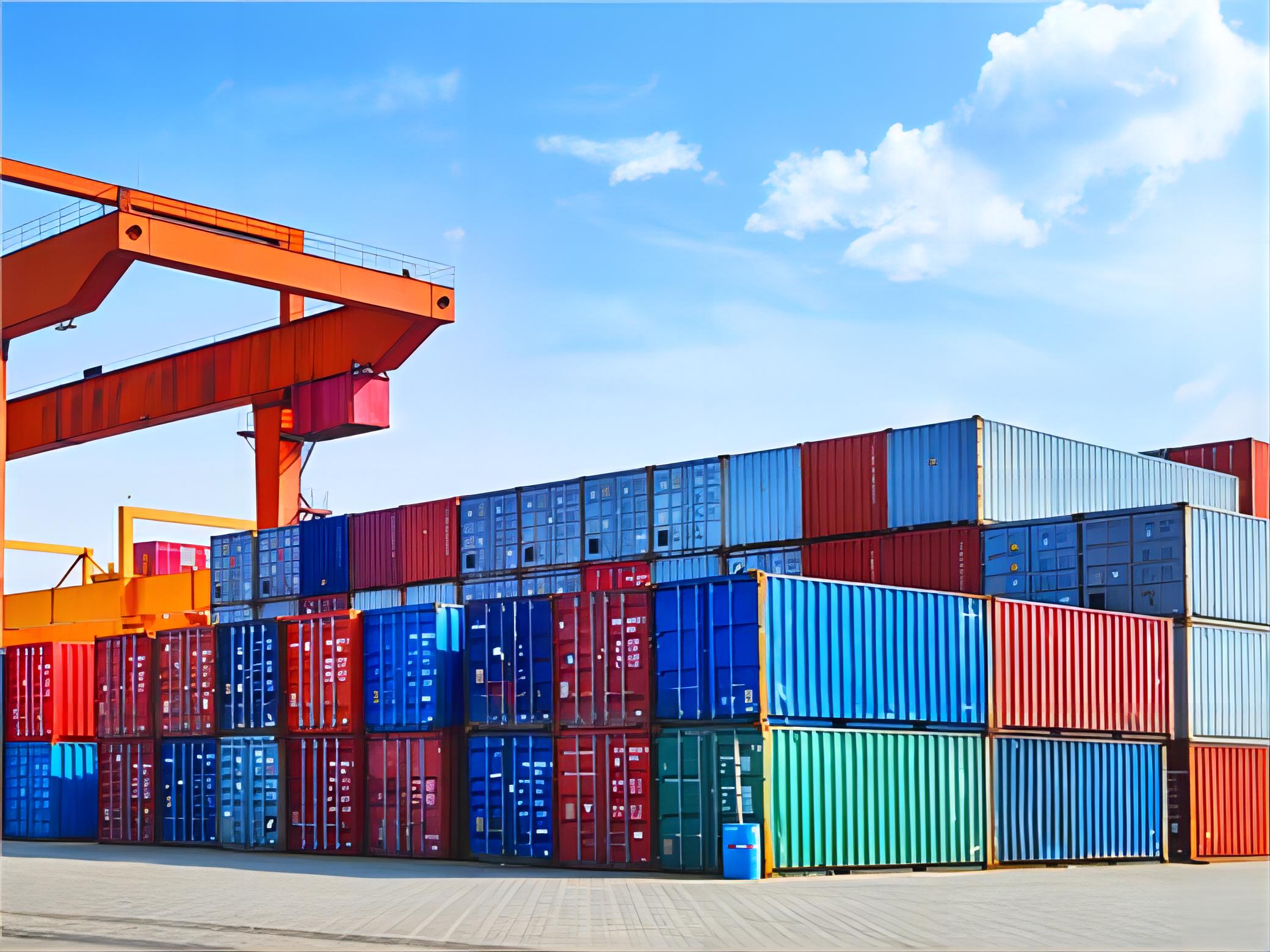
Ocean transport remains the backbone of international trade because it offers unparalleled capacity for large-scale shipments. Consequently, most UK importers prioritize this method to manage high-volume inventory while keeping unit costs low. Selecting a provider for trusted sea freight from China to UK ensures that your goods arrive safely without unexpected delays.
Moreover, the environmental impact of ocean shipping is significantly lower than air transport, making it a sustainable choice for modern brands. Additionally, the flexibility of choosing between different container sizes allows businesses to scale their operations according to seasonal demand. Indeed, the cost-effectiveness of sea freight remains its most attractive feature for long-term growth.
Furthermore, modern tracking technologies have revolutionized how we monitor cargo during transit. As a result, you can maintain visibility over your inventory throughout the entire journey across the ocean. Meanwhile, established carriers offer various service tiers to meet specific budget requirements and delivery timelines.
How Does Sea Freight Compare to Other Shipping Options?
Evaluating different transport modes is a critical step in optimizing your logistics strategy and reducing overhead. While ocean transport is the most common choice, alternative methods like rail or air may be more suitable for urgent or high-value items. Therefore, understanding the trade-offs between speed and cost is vital for making an informed decision.
For example, air freight offers the fastest transit times but comes at a premium price that can erode profit margins on low-value goods. On the other hand, rail freight provides a middle ground, offering faster delivery than the sea at a lower cost than air. Nevertheless, for the majority of bulk commodities and consumer goods, sea freight provides the best balance of reliability and affordability.
In addition, hybrid solutions such as sea-air combinations are becoming more popular for shipments that need a boost in speed without the full cost of air transport. However, these require careful coordination to avoid bottlenecks at transshipment hubs. Consequently, many businesses stick with direct ocean routes to simplify their documentation and handling processes.
| Shipping Method | Cost Range | Transit Time | Best For |
|---|---|---|---|
| Sea Freight (FCL) | $3,500 – $4,500 | 30-40 Days | Bulk goods and large volumes |
| Rail Freight | $4,000 – $6,000 | 18-22 Days | Urgent inventory, medium budget |
| Air Freight | $8,000 – $15,000+ | 5-8 Days | High-value or perishable items |
| Express Service | Premium Rates | 3-5 Days | Samples and small parcels |
Understanding FCL vs LCL: Which Trusted Sea Freight Option Fits?
Choosing between Full Container Load (FCL) and Less than Container Load (LCL) depends largely on your shipment volume and budget. FCL is ideal for large shipments where you have enough goods to fill a 20ft or 40ft container exclusively. Accordingly, this method often results in faster transit because the container does not need to be opened for consolidation with other shippers’ goods.
In contrast, LCL allows you to share container space with other importers, making it a cost-effective choice for smaller volumes. For instance, if you are only shipping a few pallets, paying for a portion of the container is much cheaper than booking the whole unit. However, LCL can involve slightly longer transit times due to the consolidation and deconsolidation processes at the ports.
Additionally, FCL offers better security for fragile items since the container is sealed at the origin and only opened at the destination. Meanwhile, LCL requires more handling, which increases the risk of minor damage if the cargo is not packed correctly. Therefore, investing in high-quality packaging is essential when opting for shared container space.
Key Factors Influencing Your Sea Freight Costs in 2025
Freight rates are influenced by a variety of global factors, including fuel prices, carrier capacity, and seasonal demand. Specifically, during the peak season from August to October, rates typically increase as retailers prepare for the holiday period. Without a doubt, booking your shipments well in advance can help you secure better rates and guaranteed space on vessels.
Furthermore, port congestion and labor strikes can lead to unexpected surcharges and delays that affect your bottom line. Consequently, working with an experienced partner who provides customs brokerage services can help mitigate these risks. Indeed, efficient paperwork management is just as important as the physical transport of goods.
Typical rates as of early 2025 suggest that a 40HQ container from Shanghai to Felixstowe ranges between $3,500 and $4,500. Nevertheless, these prices can fluctuate weekly based on market intelligence and geopolitical events. Note: Freight rates are subject to change based on fuel costs, carrier capacity, and seasonal demand. Contact us for a current quote tailored to your specific shipment.
| Container Type | Capacity (CBM) | Price Range (USD) | Typical Transit |
|---|---|---|---|
| 20GP Container | 33 CBM | $2,000 – $2,800 | 32-38 Days |
| 40GP Container | 67 CBM | $3,200 – $4,200 | 32-38 Days |
| 40HQ Container | 76 CBM | $3,500 – $4,500 | 32-38 Days |
| LCL (per CBM) | Variable | $80 – $150 | 38-45 Days |
Which Option Should You Choose? (Decision Framework)
Deciding on the best shipping strategy requires a clear understanding of your business priorities and cargo requirements. If your primary goal is cost reduction and you have a flexible timeline, trusted sea freight from China to UK is the clear winner. However, if you are launching a new product and need to hit a specific market date, air freight might be necessary despite the higher cost.
For budget priority, we recommend FCL for shipments over 15 CBM to maximize the value of the container space. On the other hand, for speed priority, consider rail freight as a viable alternative that cuts transit time by nearly 50% compared to sea. Additionally, for cargo type considerations, heavy machinery is almost always better suited for sea transport due to weight restrictions on aircraft.
Volume thresholds also play a major role in the decision-making process for UK importers. For example, once your LCL shipment exceeds 12-15 CBM, it often becomes more economical to book a full 20GP container. Consequently, analyzing your shipping data regularly can reveal opportunities for significant cost savings through method switching.
Essential Documentation for Smooth UK Customs Clearance
Navigating the legal requirements of importing into the United Kingdom is a complex task that requires meticulous attention to detail. Every shipment must be accompanied by a Commercial Invoice, a Packing List, and a Bill of Lading to pass through customs smoothly. Moreover, specific goods may require additional certificates, such as CE marking for electronics or health certificates for food items.
Additionally, choosing door to door service can simplify this process as the forwarder handles most of the red tape for you. Indeed, having a professional team manage your documentation reduces the risk of expensive port storage fees caused by clearance delays. Meanwhile, ensure that your EORI number is active and correctly listed on all import declarations.
Furthermore, understanding the difference between various Incoterms is vital for defining the responsibilities of the buyer and seller. For instance, under DDP (Delivered Duty Paid), the seller handles all costs including taxes, whereas under FOB (Free on Board), the buyer takes over once the goods are loaded. Therefore, clarifying these terms in your contract is essential for avoiding disputes.
Real-World Success: Trusted Sea Freight Case Studies
Case Study 1: Electronics Distribution Route: Shenzhen, China to London, UK Cargo: Consumer Electronics, 28 CBM, 4,500 kg Container: 1 x 20GP Shipping Details: – Carrier: COSCO – Port of Loading: Shenzhen – Port of Discharge: Felixstowe – Route Type: Direct Cost Breakdown: – Ocean Freight: $2,450 – Origin Charges: $350 – Destination Charges: $420 – Total Landed Cost: $3,220 Timeline: – Sea Transit: 34 days – Total Door-to-Door: 42 days Key Insight: Early booking during the Q4 peak season saved the client 15% compared to last-minute spot rates.
Case Study 2: E-commerce Furniture Route: Ningbo, China to Manchester, UK Cargo: Flat-pack Furniture, 12 CBM, 2,800 kg Container: LCL Shipment Shipping Details: – Carrier: Major Carrier – Port of Loading: Ningbo – Port of Discharge: Southampton – Route Type: Transshipment via Singapore Cost Breakdown: – Ocean Freight: $1,320 – Origin Charges: $210 – Destination Charges: $380 – Total Landed Cost: $1,910 Timeline: – Sea Transit: 40 days – Total Door-to-Door: 50 days Key Insight: Utilizing Amazon FBA prep services at the origin reduced UK warehouse handling costs significantly.
Case Study 3: Industrial Machinery Route: Shanghai, China to Birmingham, UK Cargo: CNC Machines, 65 CBM, 12,000 kg Container: 1 x 40HQ Shipping Details: – Carrier: Maersk – Port of Loading: Shanghai – Port of Discharge: London Gateway – Route Type: Direct Cost Breakdown: – Ocean Freight: $4,100 – Origin Charges: $550 – Destination Charges: $620 – Total Landed Cost: $5,270 Timeline: – Sea Transit: 36 days – Total Door-to-Door: 45 days Key Insight: Professional cargo handling and lashing were critical for the safe arrival of heavy precision equipment.
Step-by-Step Process for Shipping from China to the UK
The journey begins with a detailed quote request where you provide the dimensions, weight, and nature of your cargo. Once you accept the quote, the booking process involves coordinating with your supplier in China to arrange factory pickup or delivery to the port. Subsequently, the goods undergo export customs clearance before being loaded onto the vessel.
During the ocean transit phase, which typically takes 30 to 40 days, you can monitor the ship’s progress via GPS tracking. As the vessel approaches the UK, your agent will begin the pre-clearance process to ensure there are no hiccups at the port of discharge. Furthermore, if you are shipping to Europe or the UK, staying in touch with your logistics provider is key to managing the final mile delivery.
Finally, once the goods pass through UK customs, they are loaded onto a truck for delivery to your warehouse or fulfillment center. This final stage requires clear communication to ensure that the delivery site is prepared for the arrival of a large container. Consequently, having a dedicated account manager makes this entire sequence much easier to manage for busy business owners.
Mastering Your UK Imports with Reliable Sea Freight
Successfully managing international trade requires a combination of strategic planning and the right logistics partnerships. By choosing trusted sea freight from China to UK, you can optimize your shipping costs while ensuring a steady flow of inventory. Remember to consider factors like FCL vs LCL, seasonal rate changes, and the importance of accurate documentation.
As the global market continues to evolve, staying informed about the latest logistics trends will give your business a competitive edge. Whether you are a small e-commerce seller or a large industrial manufacturer, the right ocean freight strategy is fundamental to your success. Start planning your next shipment today to benefit from the reliability and efficiency of professional sea freight services.
Ready to streamline your logistics?
Ready to streamline your supply chain with trusted sea freight from China to UK? Contact our expert team today for a personalized quote and professional logistics advice tailored to your business needs.
Request Quote