

Cheap Sea Freight from China to Australia: The 2025 Shipping Guide
Finding cheap sea freight from China to Australia remains a top priority for businesses looking to optimize their global supply chain. Many importers struggle with rising logistics costs and complex customs regulations that can delay their shipments. By partnering with a reliable freight forwarder like Top China Freight, you can access competitive rates and streamlined processes that ensure your cargo arrives safely and on time.
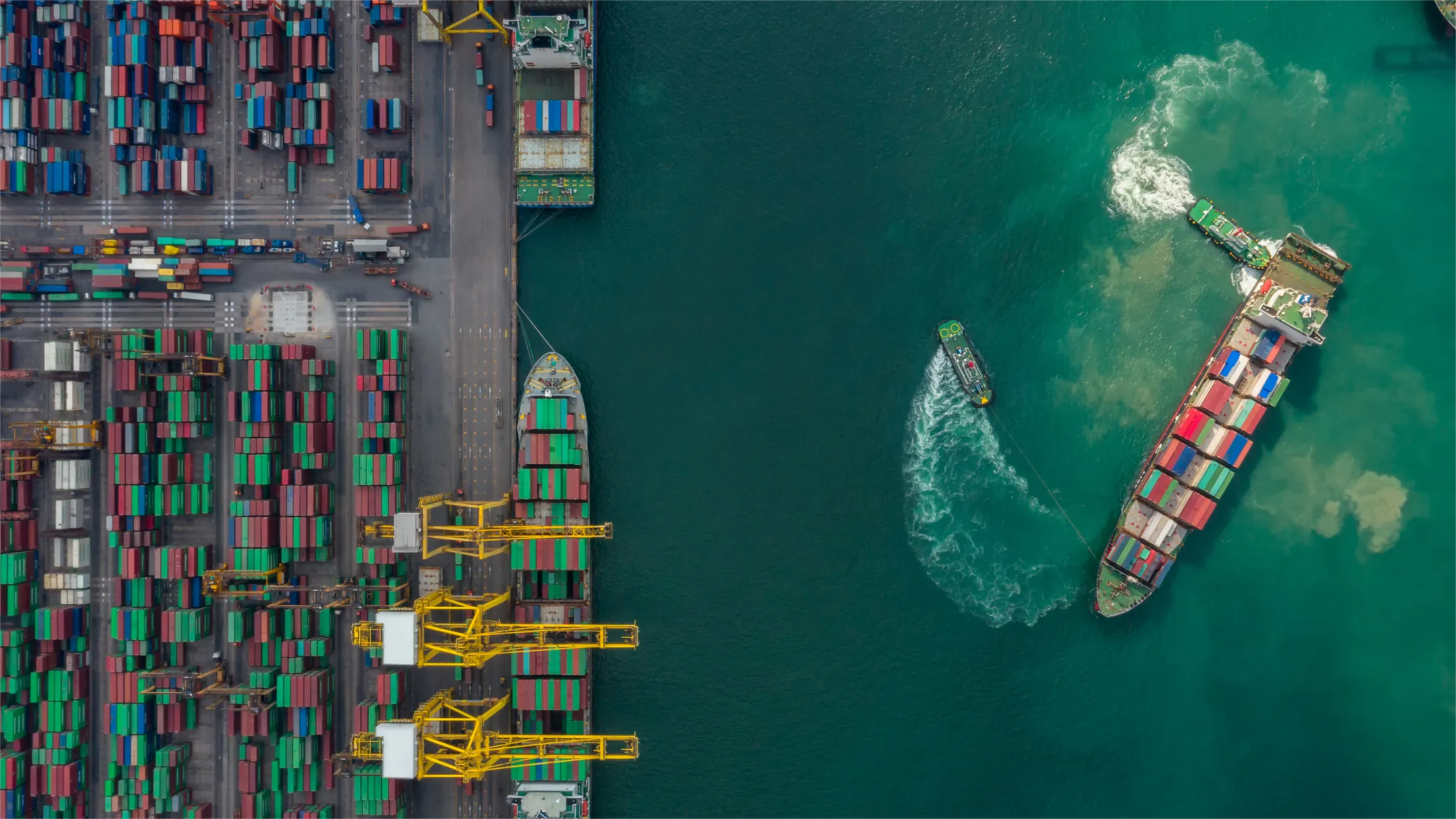
Understanding the Cost of Cheap Sea Freight from China to Australia
Shipping costs between these two major trading partners fluctuate based on several market variables. Consequently, businesses must stay informed about current freight rates to maintain their profit margins. Ocean transport is generally the most economical choice for bulky items or high-volume orders. However, the total landed cost involves more than just the ocean freight rate itself.
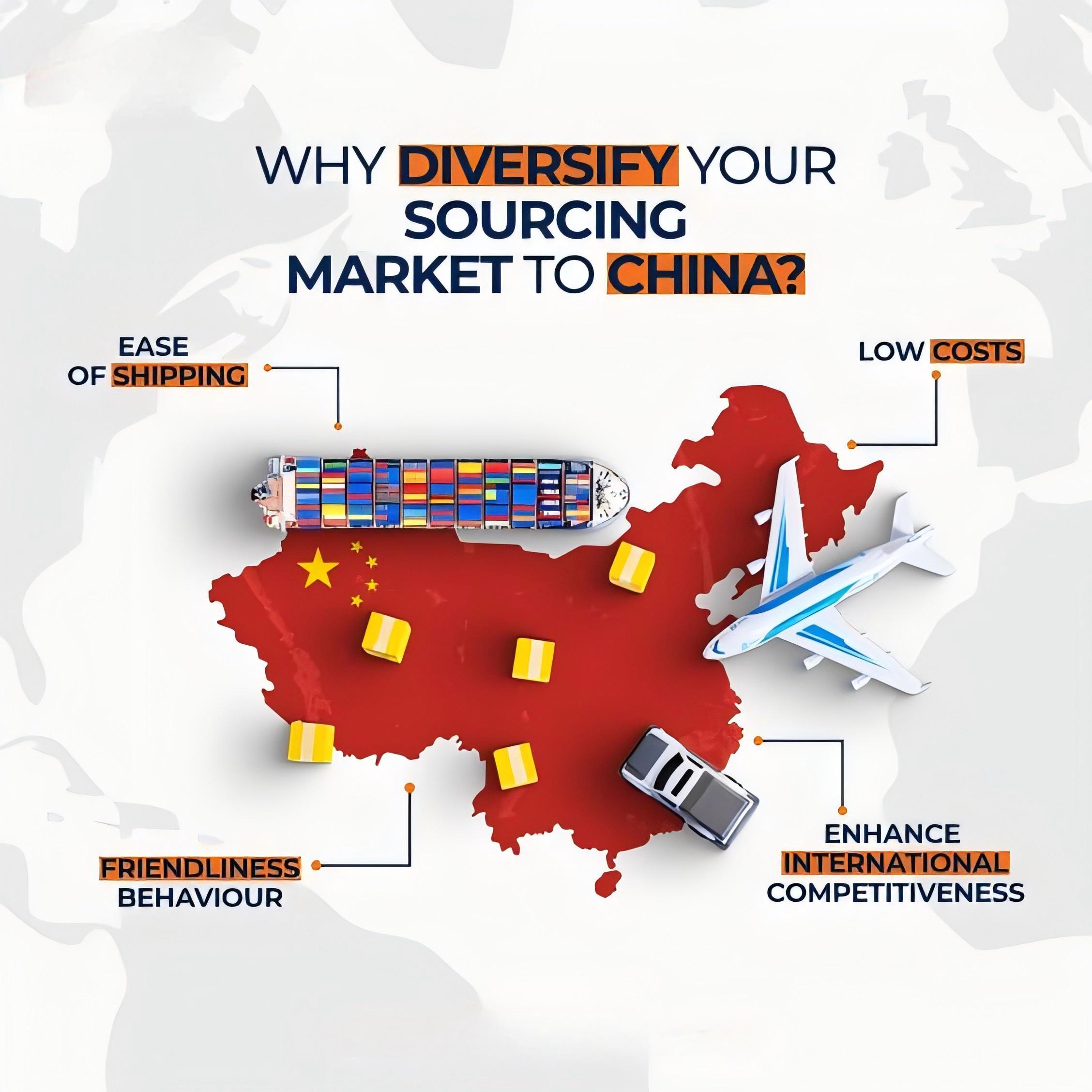
Freight rates typically include origin charges, ocean transit fees, and destination handling costs. For instance, port congestion or seasonal demand can cause prices to spike unexpectedly during the peak season from August to October. Therefore, booking your shipment several weeks in advance is a proven strategy to secure lower prices. Additionally, choosing the right port of loading in China can significantly impact your overall expenses.

Market data suggests that rates for a 20-foot container currently range between 800 and 1200 USD depending on the specific route. Meanwhile, larger 40-foot containers offer better value for high-volume shipments by reducing the cost per cubic meter. Understanding these nuances allows you to choose the most cost-effective sea freight solution for your specific business needs.
How Does Sea Freight Compare to Other Shipping Options?
Evaluating different transportation modes is essential for optimizing your logistics budget. While sea freight is the most affordable option, it is also the slowest compared to air or express services. For example, a shipment that takes 15 days by sea might arrive in just 5 days via air. Nevertheless, the cost difference is often substantial enough to justify the longer transit time for most commercial goods.
Air transport is ideal for high-value or time-sensitive products like electronics or fashion samples. On the other hand, sea freight is unbeatable for heavy machinery, furniture, and bulk commodities. It is important to note that rail freight is not a viable option for this specific route due to the geographic separation of the two countries. As a result, sea and air remain the primary methods for moving goods from China to the Australian market.
| Sea Freight (FCL) | $1,200 – $2,000 | 12-25 Days | Large volumes |
| Sea Freight (LCL) | $50 – $120/CBM | 18-30 Days | Small shipments |
| Air Freight | $4.50 – $8.00/kg | 3-7 Days | Urgent cargo |
| Express Service | $7.00 – $12.00/kg | 2-5 Days | Small parcels |
FCL vs LCL: Which Offers the Best Value?
Choosing between Full Container Load (FCL) and Less than Container Load (LCL) is a critical decision for every importer. FCL provides you with an entire container for your goods, which offers better security and faster handling. Moreover, FCL is usually cheaper per unit if you have enough cargo to fill at least 60 percent of a 20-foot container. Consequently, many growing businesses aim to consolidate their orders into full containers to maximize savings.
LCL shipping allows you to share container space with other importers, making it a flexible choice for smaller volumes. For instance, if you are only shipping 3 or 4 cubic meters of goods, LCL will be much more affordable than paying for a whole container. However, LCL shipments often face longer transit times because the cargo must be consolidated at the origin and deconsolidated at the destination. Therefore, you should factor in an extra 5 to 7 days for these processes when planning your Australia logistics schedule.
Hybrid solutions can also be effective for businesses with varying order sizes. Some companies use LCL for trial orders and switch to FCL once demand stabilizes. Indeed, analyzing your monthly shipping volume will help you determine the threshold where FCL becomes more economical than LCL. Without a doubt, the right choice depends on your specific cargo volume and urgency.
Key Factors Influencing Your Shipping Rates
Several external factors can cause freight rates to fluctuate without much warning. Fuel surcharges, also known as the Bunker Adjustment Factor, are a major component of the total cost. Furthermore, currency exchange rates between the USD, CNY, and AUD can influence the final price you pay. Accordingly, working with a forwarder that offers transparent pricing is vital for accurate budgeting.
Seasonal demand plays a massive role in pricing trends throughout the year. For example, the weeks leading up to the Chinese New Year often see a significant spike in rates and limited space availability. Similarly, the pre-Christmas rush in Australia increases demand for shipping services during the third and fourth quarters. To avoid these high costs, many experienced importers arrange their shipments during the slack season from March to June.
Port selection in both China and Australia also impacts the final quote. Major hubs like Shanghai, Shenzhen, and Ningbo offer more frequent departures and competitive pricing due to high carrier competition. In contrast, smaller inland ports might require additional trucking services, which adds to the overall expense. Selecting a comprehensive door to door service can often simplify this process by including all local transport costs in one single quote.
Essential Customs Documentation for Australian Imports
Navigating the legal requirements for importing goods into Australia is mandatory for a smooth shipping experience. The Australian Border Force (ABF) requires specific documents to verify the contents and value of your cargo. Furthermore, failing to provide accurate paperwork can result in heavy fines or lengthy delays at the port of discharge. Therefore, you must ensure that your commercial invoice and packing list are detailed and correct.
Customs duties and Goods and Services Tax (GST) are typically calculated based on the value of the imported goods. For instance, most goods imported into Australia are subject to a 10 percent GST. Additionally, certain products may be eligible for duty-free entry under the China-Australia Free Trade Agreement (ChAFTA). To benefit from these lower rates, you must provide a valid Certificate of Origin. Engaging a professional customs brokerage service is often the best way to ensure compliance and minimize tax liabilities.
Quarantine regulations in Australia are among the strictest in the world to protect the local ecosystem. Consequently, any wooden packaging materials must be treated and marked according to ISPM 15 standards. Moreover, specific items like food, plants, and chemicals may require additional permits before they can be loaded onto a ship. Indeed, proactive preparation of these documents will prevent your cheap sea freight from becoming an expensive headache.
Which Option Should You Choose?
Selecting the right shipping strategy requires a clear understanding of your business priorities. If your primary goal is to minimize costs and you have a flexible timeline, sea freight is the clear winner. However, if you are launching a new product and need it in the hands of customers immediately, air freight might be worth the extra investment. Businesses must weigh the trade-offs between speed and expense for every shipment.
Budget-conscious importers should prioritize LCL for shipments under 15 cubic meters to avoid paying for empty container space. Conversely, once your volume exceeds 15 cubic meters, a 20-foot FCL container usually becomes the more cost-effective choice. For very large shipments exceeding 30 cubic meters, a 40-foot container offers the best economies of scale. Following this framework ensures you always choose the most efficient method for your current needs.
Decision Framework for Australian Importers
Budget priority: Choose Sea Freight LCL for small loads or FCL for large volumes.
Speed priority: Choose Air Freight or Express Services for delivery within 7 days.
Cargo type: Use Sea Freight for heavy, bulky, or hazardous materials.
Volume thresholds: Switch from LCL to FCL at approximately 15 cubic meters.
Real-World Case Studies: Shipping Success Stories
Examining real-world examples provides valuable insight into the practicalities of international shipping. These cases illustrate how different strategies can lead to successful outcomes and significant cost savings. Whether you are a small business or a large enterprise, learning from these scenarios can help you optimize your own logistics operations.
Case Study 1: LCL Furniture Shipment
Route: Shenzhen, China to Sydney, Australia
Cargo: Office Furniture, 8 CBM, 1200 kg
Shipping Method: LCL Sea Freight
Ocean Freight Cost: $640 ($80 per CBM)
Total Landed Cost: $1,450 (Including customs and local delivery)
Transit Time: 22 Days
Key Insight: By using LCL instead of a full container, the client saved over $500 while still receiving their goods within a reasonable timeframe.
Case Study 2: FCL Electronics Shipment
Route: Shanghai, China to Melbourne, Australia
Cargo: Consumer Electronics, 20GP Container
Shipping Method: FCL Sea Freight
Ocean Freight Cost: $1,100
Total Landed Cost: $2,800 (Including duties and taxes)
Transit Time: 18 Days
Key Insight: Utilizing a direct route from Shanghai minimized handling risks for sensitive electronics and ensured a faster arrival at the Melbourne warehouse.
How to Optimize Your Amazon FBA Shipments
Selling on Amazon Australia requires a specialized logistics approach to meet the platform’s strict receiving guidelines. Many sellers choose Amazon FBA services to handle the storage and delivery of their products. However, getting your goods from a Chinese factory to an Australian FBA warehouse involves several critical steps. For instance, your products must be correctly labeled and palletized according to Amazon’s specific requirements.
Sea freight is the most common method for restocking FBA inventory due to its low cost. Additionally, many freight forwarders offer specialized FCL and LCL services tailored specifically for Amazon sellers. These services often include customs clearance and final mile delivery to warehouses in Sydney, Melbourne, or Brisbane. By consolidating your shipments, you can maintain high stock levels while keeping your per-unit shipping costs as low as possible.
Timing is everything when managing FBA inventory from overseas. Because sea freight can take up to 30 days including local handling, you must plan your restock cycles carefully. Furthermore, during peak shopping events like Prime Day or Black Friday, port delays can become more frequent. Therefore, maintaining a buffer of at least two weeks in your supply chain schedule is a wise move for any serious Amazon seller.
Conclusion
Securing cheap sea freight from China to Australia is achievable through careful planning and the right logistics partnerships. By understanding the differences between FCL and LCL, you can make informed decisions that protect your bottom line. Furthermore, staying updated on market trends and customs requirements will help you avoid unnecessary delays and expenses.
Ultimately, the goal is to create a reliable and cost-effective supply chain that supports your business growth. Whether you are shipping small trial orders or large-scale commercial cargo, sea freight remains the backbone of international trade for a reason. Start optimizing your shipping strategy today to enjoy the benefits of affordable and efficient global logistics.
Ready to streamline your logistics?
Ready to secure the most competitive rates for your next shipment? Contact our team today to get a personalized quote for cheap sea freight from China to Australia and experience hassle-free logistics. Visit Top China Freight to start your inquiry now.
Request Quote