

Fast Sea Freight from China to Australia: 2025 Shipping Guide
Finding the most efficient way to transport goods across the ocean is a top priority for modern importers. When you choose Top China Freight, you gain access to a logistics network designed for speed and reliability. Navigating the complexities of fast sea freight from China to Australia requires a deep understanding of port schedules, carrier performance, and local regulations. This guide provides everything you need to optimize your supply chain and reduce transit times significantly.
What Is Fast Sea Freight from China to Australia?
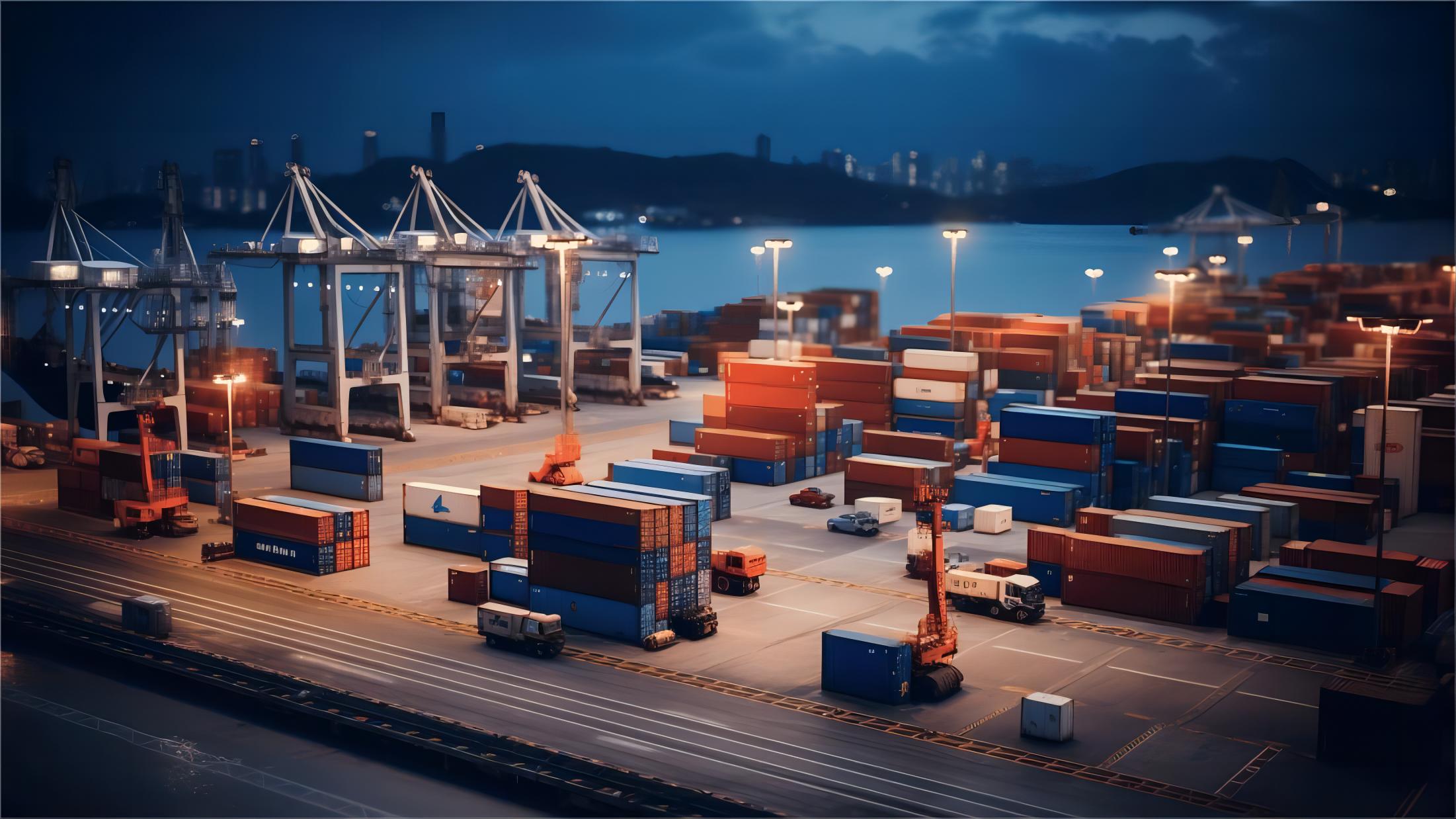
Fast sea freight refers to premium maritime services that prioritize direct routes and expedited handling to minimize the time your cargo spends at sea. While standard shipping might take several weeks, these specialized services utilize faster vessels and priority unloading at major Australian ports.
Choosing sea freight for your shipments allows you to move large volumes of goods without the prohibitive costs associated with air transport. Moreover, many carriers now offer ‘fast boat’ options that can rival the total door-to-door time of slower air cargo services when customs processing is included.
Consequently, businesses can maintain leaner inventories and respond more quickly to market demands in Melbourne, Sydney, or Brisbane. Therefore, understanding the nuances of these express ocean lanes is essential for any company looking to stay competitive in the Australian market.
How Does Fast Sea Freight Compare to Other Shipping Options?
Comparing different transport modes is the first step in creating a cost-effective logistics strategy. While air freight remains the fastest method, its high price point often makes it unsuitable for bulky or heavy items.
Specifically, sea freight offers a massive capacity advantage, allowing for the transport of heavy machinery, furniture, and large-scale electronics at a fraction of the cost. In addition, sea transport is significantly more environmentally friendly, producing fewer carbon emissions per ton-kilometer compared to planes.
On the other hand, express courier services are ideal for small parcels but become economically unviable for shipments exceeding 100 kilograms. To illustrate the differences clearly, we have compiled a comparison table based on current 2025 market averages.
| Shipping Method | Cost Range | Transit Time | Best For |
|---|---|---|---|
| Fast Sea Freight | $800 – $2,000 | 12-18 Days | Bulk goods, FCL |
| Standard Sea Freight | $600 – $1,500 | 22-30 Days | Non-urgent cargo |
| Air Freight | $5,000 – $15,000 | 3-7 Days | High-value, urgent |
| Express Courier | $20 – $50 per kg | 2-5 Days | Documents, samples |
Why Is Transit Time Critical for Your Supply Chain?
Speeding up the delivery of your goods directly impacts your cash flow and customer satisfaction levels. Furthermore, faster transit times reduce the risk of damage or loss that can occur during long periods of storage or multiple transshipments.
Indeed, most fast sea freight services from China to Australia focus on direct port-to-port connections, bypassing intermediate stops in Southeast Asia. This approach not only saves time but also simplifies the customs brokerage process by reducing the number of jurisdictions involved.
Nevertheless, importers must account for seasonal fluctuations, as peak periods like the lead-up to Christmas can increase port congestion. Accordingly, booking your space at least two weeks in advance is highly recommended to secure the fastest available vessel.
Major Ports and Routes for Fast Shipping
China’s eastern seaboard is home to some of the world’s most efficient container terminals, including Shanghai, Ningbo, and Shenzhen. These ports serve as the primary gateways for fast sea freight from China to Australia due to their high frequency of departures.
Typically, ships departing from the Port of Shenzhen can reach Brisbane or Sydney faster than those leaving from northern ports like Qingdao. Meanwhile, the Port of Melbourne remains the busiest destination for consumer goods, receiving daily arrivals from major Chinese hubs.
Specifically, the ‘Direct Express’ routes offered by certain carriers focus on the Shenzhen-to-Sydney lane, often achieving port-to-port times of just 11 to 13 days. Consequently, selecting the right origin port based on your manufacturer’s location is a vital part of minimizing inland transit costs.
| Origin Port | Destination Port | Transit (Days) | Frequency |
|---|---|---|---|
| Shenzhen (Yantian) | Sydney | 12-14 | Daily |
| Shanghai | Melbourne | 15-18 | 3x Weekly |
| Ningbo | Brisbane | 14-16 | 2x Weekly |
| Guangzhou | Adelaide | 18-22 | Weekly |
Understanding FCL vs LCL for Fast Sea Freight
Full Container Load (FCL) shipping is generally the faster sea-based option because it avoids the time-consuming consolidation process. When you book an entire 20GP or 40HQ container, your goods are sealed at the factory and remain untouched until they reach your warehouse.
Conversely, Less than Container Load (LCL) shipping requires your cargo to be grouped with other shipments at a warehouse before loading. Although LCL is more cost-effective for smaller volumes, it typically adds 3 to 5 days to the total transit time due to the extra handling involved.
However, many modern logistics providers now offer ‘Fast LCL’ services that use priority consolidation techniques to narrow this gap. In addition, choosing a door to door service for LCL can help streamline the final mile delivery once the container is deconsolidated in Australia.
Market Intelligence: Freight Trends for 2025
As of Q1 2025, freight rates from China to Australia have stabilized following the volatility seen in previous years. Industry benchmarks suggest that while fuel surcharges remain a factor, carrier capacity has increased, leading to more competitive pricing for fast sea routes.
Notably, the adoption of digital tracking technologies has made it easier for importers to monitor their shipments in real-time. This transparency allows for better planning and more accurate delivery estimates for Australian retailers.
Market data suggests that rates for a 40HQ container currently range between $1,400 and $2,000, depending on the specific carrier and service level. Note: Freight rates are subject to change based on fuel costs, carrier capacity, and seasonal demand. Contact us for a current quote tailored to your specific shipment.
Real Case Studies: Successful Shipments to Australia
Examining real-world examples helps illustrate the practical benefits of choosing the right shipping strategy. Below are two scenarios based on typical shipments handled during the 2024-2025 period.
Case Study 1: Electronics from Shenzhen to Sydney. A tech retailer needed 5 CBM of high-end tablets delivered urgently but found air freight too expensive at $4,500. By choosing fast sea freight (LCL), they paid $1,150 and received the goods in 15 days door-to-door, including customs clearance.
Case Study 2: Furniture from Ningbo to Melbourne. A home decor brand shipped a full 20GP container of designer chairs. The total landed cost was $2,100, and the sea transit took exactly 17 days, allowing them to meet their seasonal launch deadline without overspending on logistics.
Case Study 1 Details
Route: Shenzhen, China to Sydney, Australia. Cargo: Consumer Electronics, 5 CBM, 1,200 kg. Shipping Method: Fast LCL. Total Door-to-Door: 15 days. Key Insight: Priority deconsolidation saved 4 days compared to standard LCL services.
Case Study 2 Details
Route: Ningbo, China to Melbourne, Australia. Cargo: Wooden Furniture, 20GP Container. Shipping Method: FCL Direct. Total Door-to-Door: 21 days. Key Insight: Direct sailing avoided transshipment delays in Singapore, ensuring cargo safety.
Which Option Should You Choose? (Decision Framework)
Deciding on the best shipping method requires a careful analysis of your budget, timeline, and cargo type. If your primary goal is cost reduction and your timeline allows for two weeks of transit, fast sea freight is the clear winner.
Budget priority: Recommend LCL for shipments under 15 CBM or FCL for larger volumes to minimize the cost per unit. Speed priority: Recommend Air Freight for urgent samples, but use Fast Sea Freight for the bulk of your inventory to maintain healthy margins.
Cargo type considerations: Fragile or heavy items are often safer in a dedicated FCL container where handling is minimized. Volume thresholds: Once your shipment exceeds 15 CBM, it is almost always more economical to book a full 20GP container rather than paying LCL rates.
Customs and Documentation Checklist for Australia
Navigating shipping from China to Australia involves strict compliance with the Australian Border Force (ABF) and Department of Agriculture, Fisheries and Forestry (DAFF). Proper documentation is the only way to ensure your fast sea freight remains ‘fast’ once it reaches the port.
Specifically, you must provide a Commercial Invoice, Packing List, and a Bill of Lading for every shipment. Furthermore, Australia has unique biosecurity requirements, meaning any wooden packaging must be treated and accompanied by a valid fumigation certificate.
Without a doubt, errors in paperwork are the leading cause of delivery delays and unexpected storage fees at the wharf. Therefore, partnering with a knowledgeable freight forwarder who understands Australian import laws is essential for a smooth experience.
Mastering Fast Sea Freight for Your Business
Successfully importing goods requires a strategic approach to logistics that balances time and expense. Fast sea freight from China to Australia offers a compelling solution for businesses that need quicker turnarounds than standard ocean shipping but cannot justify the expense of air freight.
By selecting the right ports, choosing between FCL and LCL wisely, and ensuring all documentation is perfect, you can significantly optimize your operations. Ultimately, the key to success lies in partnering with a logistics provider that understands the nuances of the China-Australia trade lane.
Ready to streamline your logistics?
Streamline your supply chain today by choosing the most reliable fast sea freight from China to Australia. Contact our expert team at Top China Freight to receive a customized quote and experience the perfect balance of speed and affordability for your next shipment.
Request Quote