

Reliable Sea Freight from China to Australia: 2025 Guide
Securing reliable sea freight from China to Australia remains a top priority for businesses aiming to maintain a competitive edge in the global market. While the logistics landscape continues to evolve, maritime transport offers the most scalable and cost-effective solution for large-scale imports. Consequently, understanding the nuances of this route is essential for ensuring your cargo arrives safely and on schedule.
How Does Sea Freight Compare to Other Shipping Options?
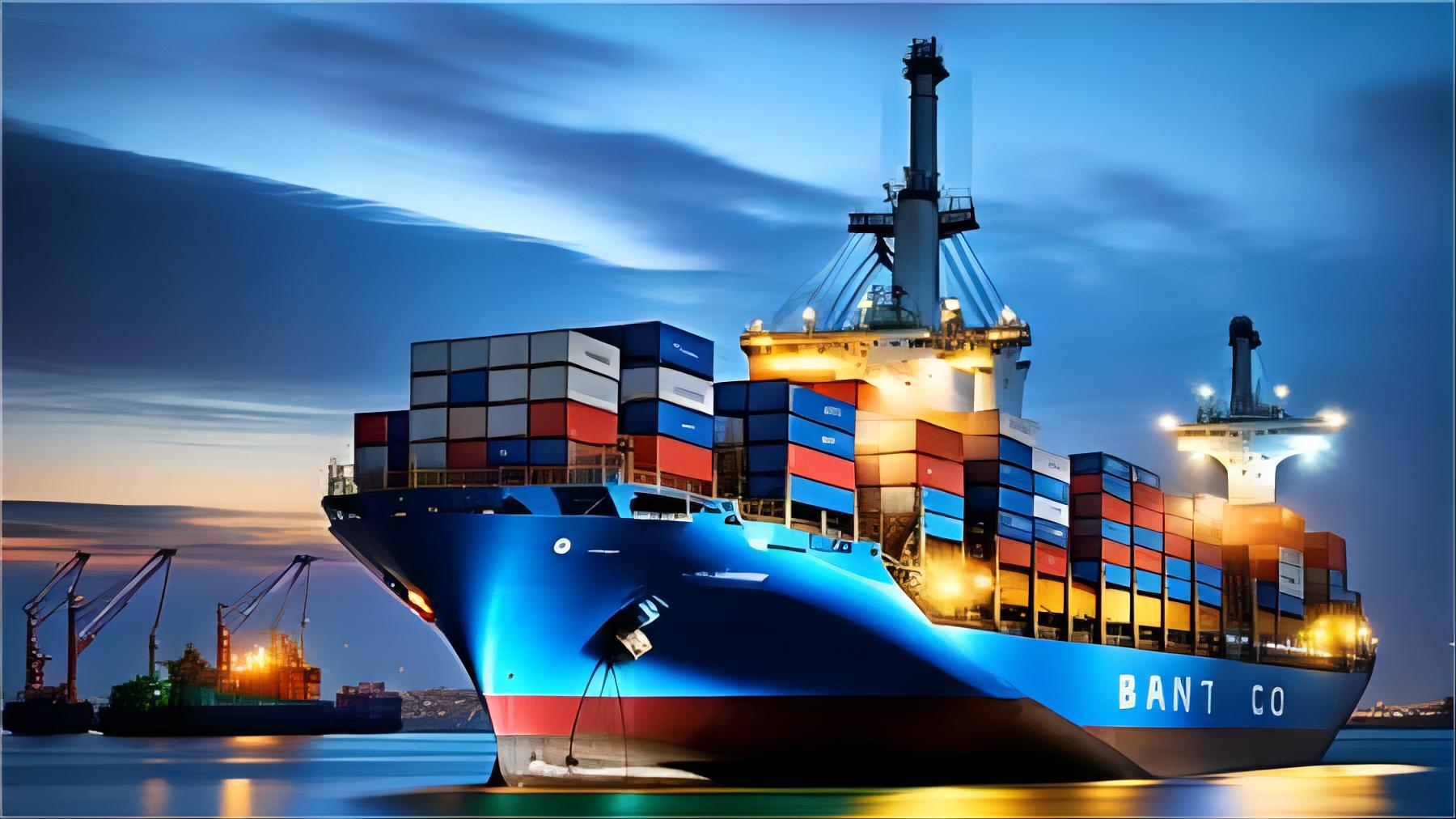
Choosing the right transportation mode involves balancing speed, cost, and cargo volume. While sea freight is the backbone of international trade, other methods like air freight provide faster alternatives for time-sensitive goods. However, the cost disparity between these modes is significant, making maritime transport the preferred choice for bulk commodities.

Moreover, sea freight offers a much higher capacity for oversized or heavy items that would be prohibitively expensive to ship by air. Therefore, businesses often plan their inventory cycles around the longer transit times associated with ocean routes to benefit from lower freight rates. Indeed, the environmental impact of sea transport is also lower compared to air transit, aligning with modern sustainability goals.
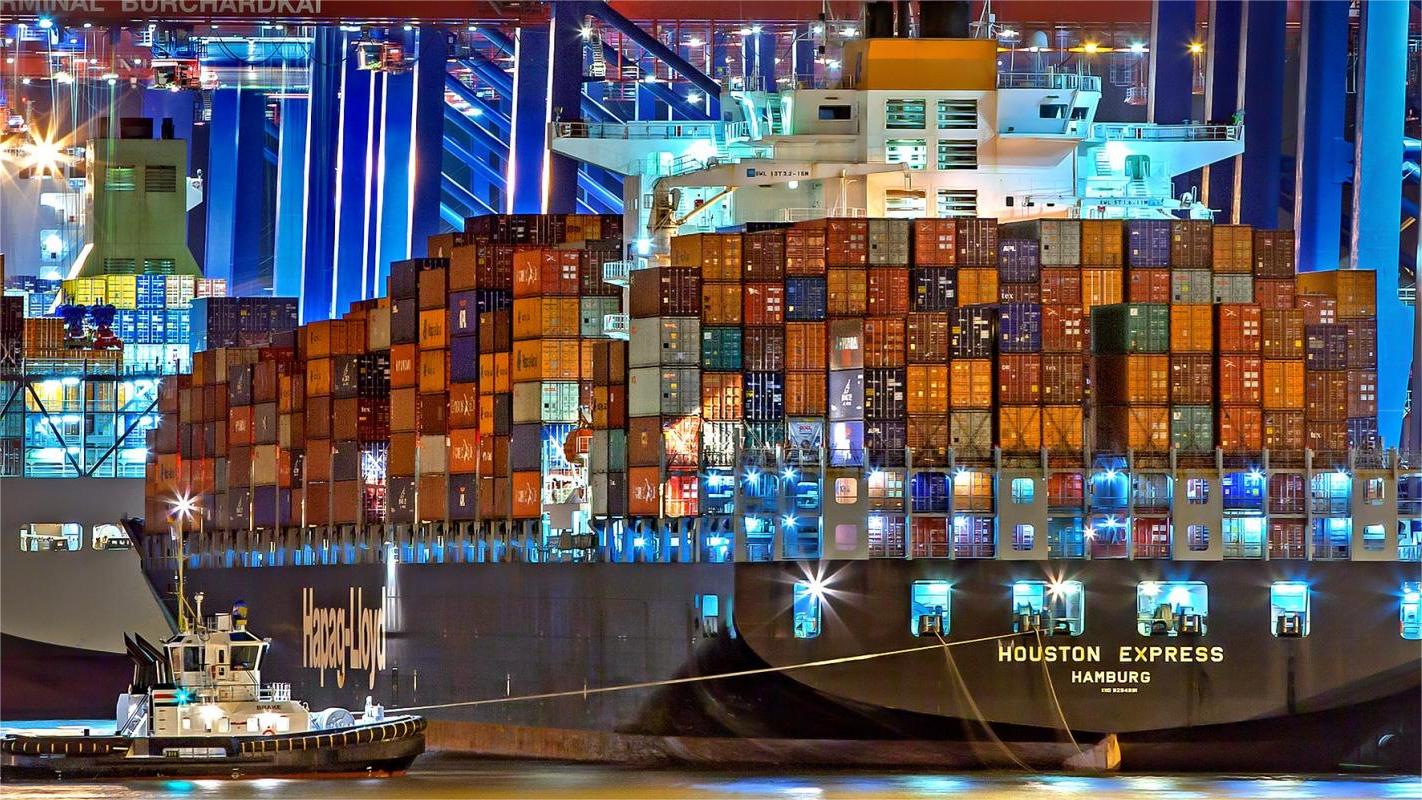
To help you decide, consider the following comparison of viable shipping methods for the China-to-Australia corridor. Note that rail freight is not a viable option for this specific route due to geographical constraints.
| Shipping Method | Cost Range | Transit Time | Best For | Limitations |
|---|---|---|---|---|
| Sea Freight | $800 – $2,000 | 12-25 Days | Bulk Cargo | Slow Speed |
| Air Freight | $4,500 – $8,500 | 3-7 Days | High Value | Weight Limits |
| Express Service | $6,000 – $10,000 | 2-5 Days | Small Samples | Very Expensive |
Choosing Between FCL and LCL for Australian Imports
Determining whether to use Full Container Load (FCL) or Less than Container Load (LCL) is a critical decision for optimizing your sea freight strategy. FCL involves renting an entire container for your exclusive use, which is ideal for shipments exceeding 15 cubic meters. Consequently, this method reduces the risk of damage since the container remains sealed from the point of origin to the final destination.
On the other hand, LCL allows you to share container space with other shippers, paying only for the volume your cargo occupies. This is a highly flexible option for smaller businesses or those testing new products in the Australian market. Nevertheless, LCL shipments often require more time for consolidation and deconsolidation at the ports.
Additionally, FCL is generally faster because it avoids the extra handling steps required for shared loads. For shipments between 10 and 15 CBM, you should carefully calculate the costs, as FCL can sometimes be cheaper than LCL due to the flat-rate structure of container pricing.
| Feature | FCL (Full Container) | LCL (Shared Load) | Ideal Volume |
|---|---|---|---|
| Cost Structure | Flat rate per container | Rate per CBM/Weight | FCL: >15 CBM |
| Security | High (Sealed unit) | Moderate (Handled more) | LCL: 1-12 CBM |
| Transit Speed | Faster (Direct) | Slower (Consolidation) | N/A |
What Are the Major Shipping Routes and Transit Times?
Shipping from China to Australia typically involves several major departure ports such as Shanghai, Ningbo, Shenzhen, and Qingdao. These ports offer frequent departures and competitive rates due to their high cargo throughput. Furthermore, the choice of departure port can influence the total transit time depending on the proximity to your supplier’s factory.
Transit times to major Australian ports like Sydney, Melbourne, Brisbane, and Fremantle vary based on the carrier and the specific route taken. Direct services from Southern China ports like Shenzhen can reach Sydney in as little as 12 to 14 days. Meanwhile, shipments from Northern China or those involving transshipment in Singapore may take 18 to 25 days.
As of early 2025, port efficiency in both China and Australia has remained stable, though seasonal peaks can still cause minor delays. Therefore, it is advisable to book your shipments at least two weeks in advance during peak periods like the lead-up to the Lunar New Year or the Australian Christmas season.
Key Factors Influencing Sea Freight Costs in 2025
Freight rates are influenced by a variety of dynamic factors, including fuel prices, carrier capacity, and global economic conditions. For instance, seasonal demand spikes during the third quarter often lead to higher costs as retailers stock up for the end-of-year sales. Additionally, local port charges and documentation fees in both China and Australia contribute to the total landed cost.
Market data suggests that while rates have stabilized after the disruptions of previous years, fuel surcharges remain a volatile component of the pricing structure. Consequently, working with a forwarder who provides transparent breakdowns of all charges is essential for accurate budgeting. You should also consider the impact of currency fluctuations between the USD, CNY, and AUD on your final payment.
Professional customs brokerage services can also help you navigate the complexities of Australian import duties and taxes. By ensuring your cargo is correctly classified under the Harmonized System (HS) codes, you can avoid overpaying on tariffs and prevent costly delays at the border.
Which Option Should You Choose for Your Business?
Selecting the best shipping strategy depends entirely on your business priorities and the nature of your cargo. If your primary goal is to minimize expenditure and you have a flexible timeline, sea freight is undoubtedly the most suitable choice. Specifically, for large-volume shipments, FCL offers the best value and protection for your goods.
Conversely, if you are shipping high-value electronics or urgent medical supplies, air freight may justify the higher cost due to its rapid delivery. For e-commerce sellers, using Amazon FBA specialized logistics can streamline the process of getting products from Chinese factories to Australian fulfillment centers. This approach often combines sea freight with efficient local trucking.
Ultimately, a hybrid strategy might be the most effective for growing businesses. For example, you could ship the majority of your inventory via sea while using air freight for emergency restocks. This balanced approach ensures you maintain stock levels without overextending your logistics budget.
Realistic Case Studies of China to Australia Shipments
Case Study 1: Electronics Distribution to Sydney. +———————————————————+ | Route: Shenzhen, China to Sydney, Australia | | Cargo: Consumer Electronics, 28 CBM, 4,200 kg | | Container: 20GP Full Container Load | | | | Shipping Details: | | – Carrier/Service: COSCO Direct Service | | – Port of Loading: Shenzhen (Yantian) | | – Port of Discharge: Sydney (Botany) | | – Route Type: Direct | | | | Cost Breakdown: | | – Ocean Freight: $1,150 | | – Origin Charges: $320 | | – Destination Charges: $450 | | – Customs and Duties: $1,200 | | – Total Landed Cost: $3,120 | | | | Timeline: | | – Booking to Loading: 4 days | | – Sea Transit: 13 days | | – Customs Clearance: 2 days | | – Total Door-to-Door: 19 days | | | | Key Insight: Direct routing from South China saved 5 | | days compared to transshipment options. | +———————————————————+
Case Study 2: Furniture Import to Melbourne. +———————————————————+ | Route: Ningbo, China to Melbourne, Australia | | Cargo: Flat-pack Furniture, 6 CBM, 1,800 kg | | Container: LCL (Less than Container Load) | | | | Shipping Details: | | – Carrier/Service: Major LCL Consolidator | | – Port of Loading: Ningbo | | – Port of Discharge: Melbourne | | – Route Type: Transshipment via Singapore | | | | Cost Breakdown: | | – Ocean Freight: $480 ($80/CBM) | | – Origin Charges: $150 | | – Destination Charges: $380 | | – Customs and Duties: $650 | | – Total Landed Cost: $1,660 | | | | Timeline: | | – Booking to Loading: 6 days | | – Sea Transit: 22 days | | – Customs Clearance: 3 days | | – Total Door-to-Door: 31 days | | | | Key Insight: LCL was significantly more economical than | | FCL for this volume despite the longer transit time. | +———————————————————+
Note: Freight rates are subject to change based on fuel costs, carrier capacity, and seasonal demand. Contact us for a current quote tailored to your specific shipment.
How to Find a Freight Forwarder for Reliable Service
Finding a partner that offers door to door service can significantly simplify your supply chain operations. A reliable forwarder handles everything from factory pickup in China to final delivery at your Australian warehouse. Furthermore, they provide real-time tracking and proactive communication, which are vital for managing inventory expectations.
Moreover, you should look for a company with a strong presence in both China and Australia. This ensures they have local expertise to handle regional regulations and port-specific requirements. Consequently, you will face fewer delays and unexpected costs during the shipping process. Always verify their credentials and read client testimonials to gauge their reliability.
Additionally, check if the forwarder offers value-added services such as cargo insurance and warehousing. These services provide an extra layer of security for your investment and offer flexibility if your warehouse is not ready to receive the goods immediately. In addition, a forwarder with a comprehensive network can often negotiate better rates with major shipping lines.
Mastering Your Logistics Strategy
In summary, achieving reliable sea freight from China to Australia requires a combination of strategic planning, choosing the right shipping mode, and partnering with experienced logistics providers. By understanding the differences between FCL and LCL, monitoring market trends, and preparing accurate documentation, you can significantly reduce shipping risks.
Whether you are a small business owner or a large-scale importer, the maritime route remains the most viable option for long-term growth. As the industry moves through 2025, staying informed about port conditions and freight rates will allow you to adapt quickly to any changes. Ultimately, a well-managed shipping process is a cornerstone of a successful international trade business.
Ready to streamline your logistics?
Ready to streamline your supply chain with reliable sea freight from China to Australia? Contact Top China Freight today for a customized quote and expert logistics support. Send Inquiry:
Request Quote