

Trusted LCL Shipping From China to Canada: The Professional Guide
Navigating the complexities of international trade requires a reliable logistics partner for your business growth. Finding trusted LCL shipping from China to Canada is often the most significant challenge for importers looking to balance cost and speed. This comprehensive guide provides the essential knowledge you need to master your supply chain and reduce overhead effectively.
What is Trusted LCL Shipping From China to Canada?
LCL stands for Less than Container Load, which is a shipping method where multiple shippers share space within a single container. Consequently, this method allows you to pay only for the volume your cargo occupies rather than the entire container cost. Businesses frequently choose this option when their shipment volume is too small to fill a 20-foot or 40-foot container.
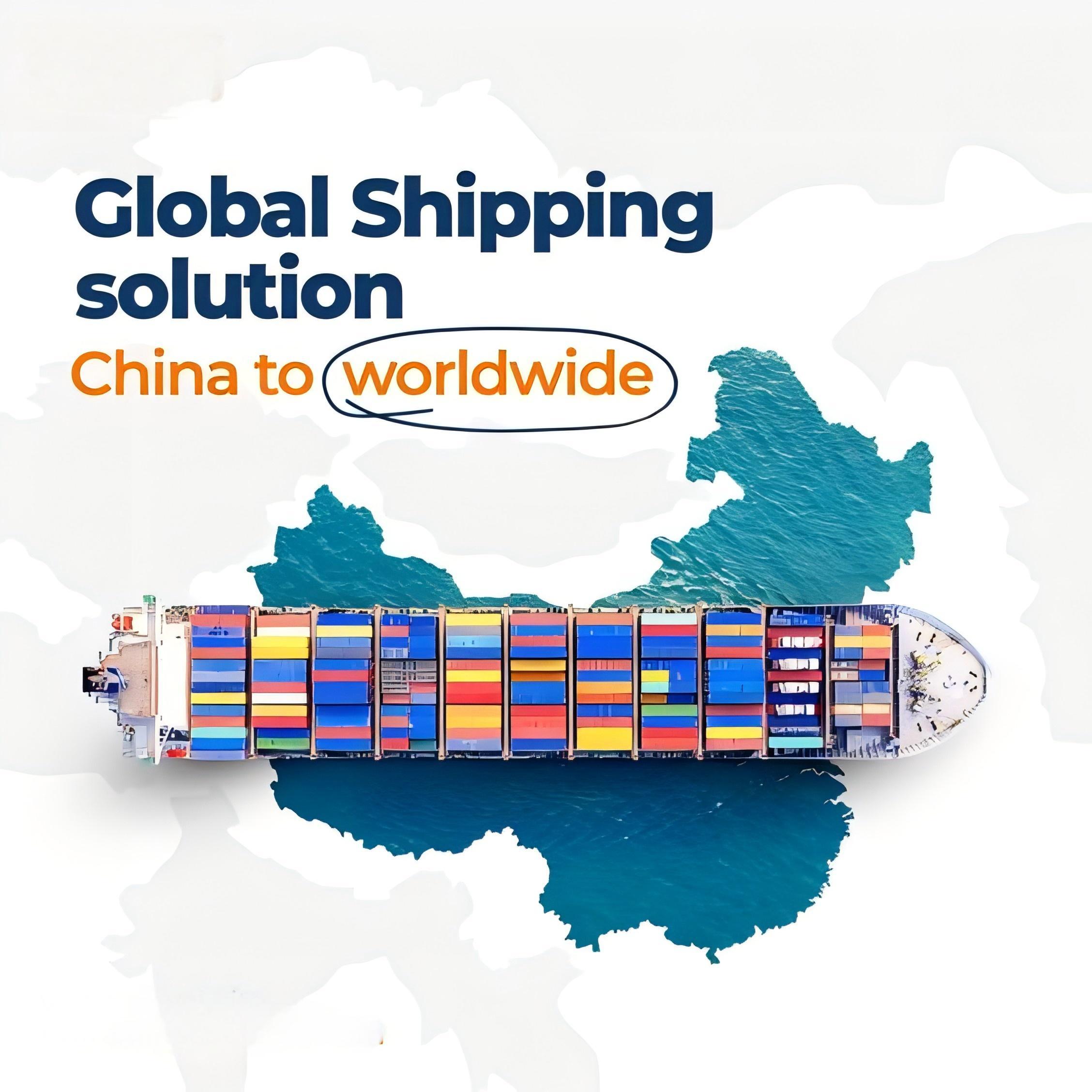
Moreover, trusted LCL shipping from China to Canada involves a process called consolidation at the port of origin. Logistics providers gather various small shipments and group them together to maximize efficiency. Therefore, you benefit from lower entry costs while still utilizing the robust infrastructure of global sea freight networks.

However, you must understand that LCL requires more handling than Full Container Load (FCL) shipments. Because the container contains goods from different importers, workers must pack and unpack the cargo at both the origin and destination warehouses. Nevertheless, for many small and medium enterprises, the cost savings far outweigh the slightly longer processing times.
How Does LCL Shipping Compare to Other Shipping Options?
Choosing the right transport method depends heavily on your budget, cargo volume, and required delivery speed. While sea freight remains the most popular choice for bulk items, LCL offers a middle ground for smaller batches. In contrast, air freight provides much faster delivery but at a significantly higher price point.
Additionally, FCL shipping is often more efficient for shipments exceeding 15 cubic meters. If you have enough cargo to fill at least 70 percent of a 20GP container, FCL usually becomes more cost-effective than LCL. On the other hand, LCL is the ideal solution for palletized goods or small crates that do not justify a dedicated container.
Furthermore, you should consider hybrid solutions like sea-air freight if you need a balance between speed and cost. These alternative strategies can save up to 40 percent compared to pure air freight while being 50 percent faster than standard ocean transport. Below is a detailed comparison of the primary shipping methods available for the China-to-Canada route.
| Shipping Method | Cost Range | Transit Time | Best For | Limitations |
|---|---|---|---|---|
| LCL Sea Freight | $50 – $150 per CBM | 25 – 45 Days | Small batches (1-15 CBM) | More handling risks |
| FCL Sea Freight | $2,500 – $4,500 per 40HQ | 18 – 35 Days | Bulk goods (15+ CBM) | High fixed cost |
| Air Freight | $5 – $12 per KG | 5 – 10 Days | High-value / Urgent | Very expensive |
| Express Service | $8 – $15 per KG | 3 – 5 Days | Samples / Documents | Weight limits |
Key Benefits of Choosing Trusted LCL Shipping From China to Canada
One of the primary advantages of LCL is the significant reduction in upfront shipping costs for smaller inventory orders. Instead of waiting to manufacture enough products to fill a whole container, you can ship smaller amounts more frequently. Consequently, this improves your cash flow and allows for a more agile inventory management system.
In addition, LCL shipping provides greater flexibility for businesses testing new products in the Canadian market. You can import small trial batches to gauge consumer interest without committing to massive shipping expenses. Indeed, many successful importers started with LCL before scaling up to full container loads.
Furthermore, utilizing a trusted provider ensures that your cargo is handled with professional care throughout the consolidation process. Experienced forwarders use high-quality packing materials and strategic loading techniques to prevent damage. Therefore, you can enjoy peace of mind knowing your goods are safe while transiting across the Pacific Ocean.
Navigating the Shipping Process to North America
Shipping goods to North America requires a deep understanding of both Chinese export regulations and Canadian import laws. The process begins with your supplier delivering the goods to a consolidation warehouse in a major port city like Shenzhen or Shanghai. Afterward, the freight forwarder issues a House Bill of Lading to confirm receipt of your cargo.
Meanwhile, the forwarder coordinates with other shippers to fill a container destined for the same Canadian port. Once the container is full, it is loaded onto a vessel for its journey across the ocean. During this time, you should receive regular tracking updates to monitor the progress of your shipment.
Upon arrival at a Canadian port such as Vancouver or Prince Rupert, the container is moved to a de-consolidation warehouse. Here, workers separate the individual shipments for final delivery or pickup. Consequently, having a local partner in Canada can significantly speed up this final stage of the logistics chain.
Understanding LCL Shipping Costs and Fees
Calculating the total cost of LCL shipping involves more than just the ocean freight rate per cubic meter. You must also account for origin charges, which include trucking, warehouse handling, and export documentation fees. Additionally, destination charges in Canada can sometimes exceed the cost of the ocean freight itself.
Specifically, you will encounter fees such as the Terminal Handling Charge (THC), Document Fee, and Port Security Fee. It is also essential to budget for customs brokerage services to ensure your goods clear Canadian Border Services Agency (CBSA) inspections smoothly. Without professional assistance, unexpected delays can lead to expensive storage fees at the port.
Moreover, freight rates fluctuate based on fuel surcharges and seasonal demand, especially during the peak season from August to October. During this period, rates typically increase by 15 to 25 percent due to higher volumes before the holiday season. Always request a detailed quote that breaks down all potential costs to avoid hidden surprises.
| Fee Category | Typical Cost (USD) | Description | Frequency |
|---|---|---|---|
| Ocean Freight | $80 – $120 | Rate per CBM | Per Shipment |
| Origin Handling | $150 – $300 | Warehouse and Loading | Per Shipment |
| Customs Entry | $100 – $200 | Brokerage Service | Per Entry |
| Destination CFS | $200 – $400 | De-consolidation fee | Per Shipment |
Transit Times for Major Canadian Ports
Transit times for LCL shipping from China to Canada vary depending on the specific port of loading and the final destination. Generally, shipments to the West Coast are significantly faster than those destined for the East Coast. For example, a direct vessel from Shanghai to Vancouver usually takes about 18 to 22 days at sea.
However, you must add approximately 7 to 10 days for the consolidation and de-consolidation processes on both ends. If your cargo is heading to inland cities like Toronto or Montreal, it will likely travel by rail from the West Coast. This intermodal transport adds another 7 to 12 days to the total door-to-door timeline.
Consequently, you should plan for a total lead time of 35 to 50 days when using LCL services. While this is slower than air freight, the cost savings make it a sustainable long-term strategy for most consumer goods. Market data suggests that planning your inventory cycles around these timelines is the key to maintaining a consistent supply.
Which Option Should You Choose?
Deciding between LCL and other methods requires a clear look at your business priorities. If your primary goal is budget optimization and you are shipping between 1 and 15 CBM, LCL is almost always the best choice. On the other hand, if you are launching a time-sensitive product, air freight might be necessary despite the cost.
Furthermore, consider door to door services if you want to minimize your involvement in the logistics process. This all-inclusive option handles everything from the factory floor in China to your warehouse in Canada. It is particularly beneficial for new importers who are not yet familiar with the complexities of international trade.
Finally, for businesses selling on platforms like Amazon, specialized Amazon FBA shipping solutions are available. These services ensure that your LCL shipments meet all of Amazon’s strict labeling and palletization requirements. Choosing the right service level will ultimately depend on your specific cargo type and delivery requirements.
Realistic Case Studies for LCL Shipping
Reviewing real-world examples can help you understand the practical application of trusted LCL shipping from China to Canada. These cases reflect typical market conditions and costs as of early 2025. Please note that individual results may vary based on specific cargo requirements and current market fluctuations.
Case Study 1: Electronics from Shenzhen to Vancouver. A small retailer imported 3 CBM of consumer electronics. By choosing LCL sea freight, they saved over $2,000 compared to air freight quotes. The shipment arrived at the Vancouver warehouse in 28 days total, allowing them to stock their shelves just in time for a seasonal promotion.
Case Study 2: Home Decor from Ningbo to Toronto. A boutique owner shipped 5 CBM of wooden furniture via LCL. The cargo was consolidated in Ningbo and transported via rail from Vancouver to Toronto. Despite a minor 3-day delay at the rail terminal, the total landed cost remained within the initial budget of $1,950.
Case Study 1: Consumer Electronics
Route: Shenzhen, China to Vancouver, Canada
Cargo: Electronics, 3 CBM, 600 kg
Method: LCL Sea Freight
Shipping Details: Major carrier via Direct Route
Cost Breakdown: Ocean Freight: $360; Origin Charges: $210; Destination Charges: $380; Customs: $150; Total: $1,100
Timeline: 28 Days Door-to-Door
Key Insight: Using a direct route to the West Coast minimized handling and reduced the risk of damage for sensitive electronics.
Case Study 2: Home Decor and Furniture
Route: Ningbo, China to Toronto, Canada
Cargo: Furniture, 5 CBM, 1200 kg
Method: LCL Sea Freight with Rail Intermodal
Shipping Details: Transshipment via Vancouver
Cost Breakdown: Ocean Freight: $550; Origin Charges: $250; Rail Freight: $600; Destination Charges: $450; Total: $1,850
Timeline: 42 Days Door-to-Door
Key Insight: Intermodal rail transport provided a cost-effective way to reach inland Canada despite the longer transit time.
Mastering Your Canadian Imports with LCL Shipping
In conclusion, securing trusted LCL shipping from China to Canada is a strategic move for any business looking to optimize its international logistics. By understanding the balance between cost and transit time, you can make informed decisions that support your long-term growth. Remember that while LCL involves more handling, the financial flexibility it offers is unmatched for smaller cargo volumes.
To ensure success, always work with experienced freight forwarders who understand the nuances of the China-Canada trade route. Proper documentation, accurate volume measurements, and a clear understanding of destination fees will prevent most common shipping hurdles. Start small, stay informed, and watch your business thrive through efficient global trade.
Ready to streamline your logistics?
Ready to streamline your supply chain with trusted LCL shipping from China to Canada? Contact our expert logistics team today to receive a customized quote and professional advice for your next shipment. Visit our website to learn more about our comprehensive freight solutions. Send Inquiry: Top China Freight.com
Request Quote