


Reliable LCL Shipping from China to Netherlands: The Ultimate Guide
Finding reliable LCL shipping from China to Netherlands is a critical step for businesses looking to optimize their supply chain without the cost of a full container. At Top China Freight, we specialize in streamlining this process to ensure your cargo arrives safely and on time. This guide explores everything from cost-saving strategies to customs requirements for your European imports.

What is Reliable LCL Shipping from China to Netherlands?
LCL stands for Less than Container Load, which allows multiple shippers to share space within a single ocean container. Consequently, this method is highly cost-effective for smaller volumes that do not require a full 20ft or 40ft unit. Reliable LCL shipping from China to Netherlands ensures that your goods are handled with care during the consolidation and deconsolidation phases.
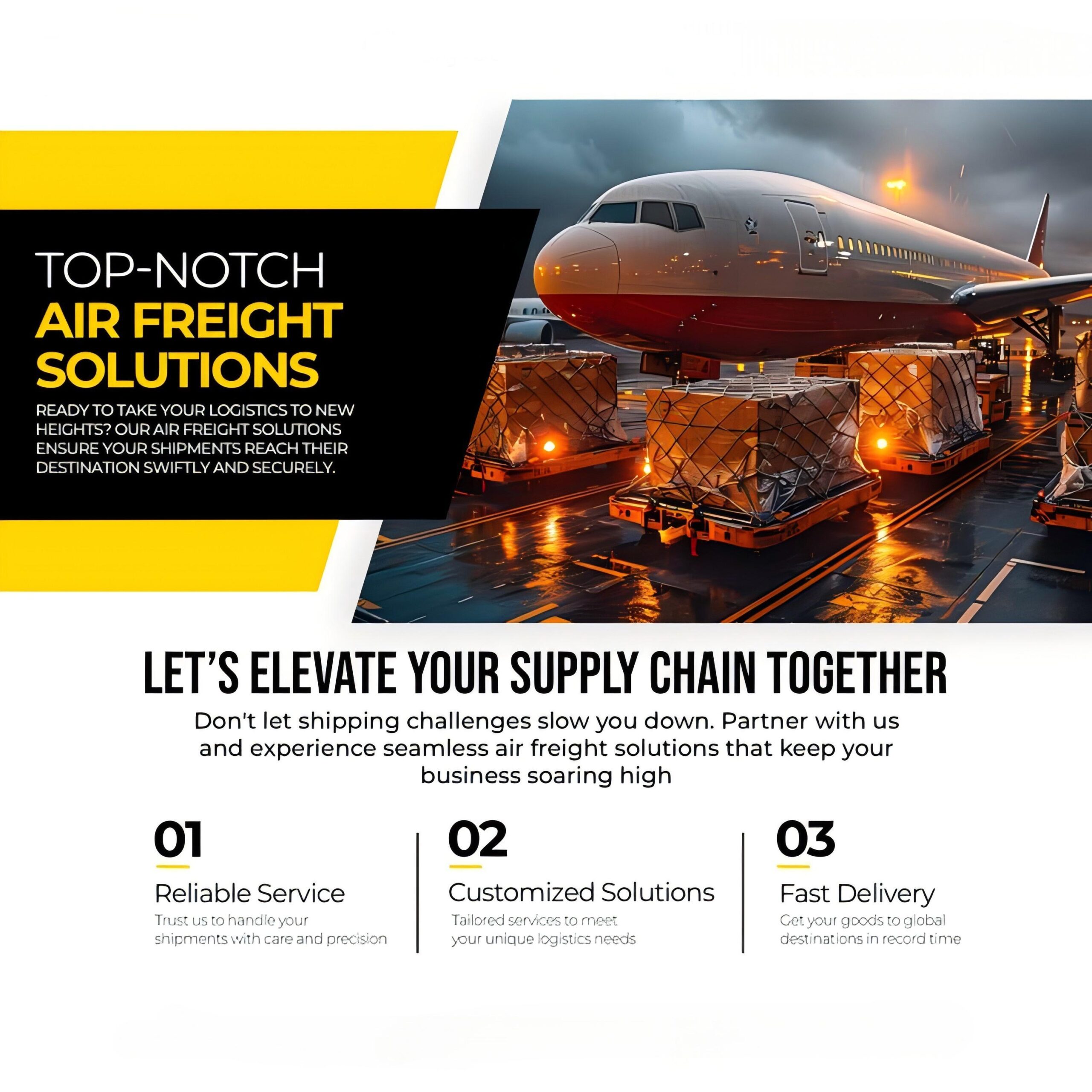
Moreover, choosing LCL provides significant flexibility for small and medium-sized enterprises. Instead of waiting to produce enough goods to fill a whole container, you can ship smaller batches more frequently. This approach helps maintain a steady inventory flow while reducing warehouse storage costs in the long run.
Furthermore, the process involves transporting your cargo to a Container Freight Station (CFS) where it is grouped with other shipments heading to Rotterdam or Amsterdam. Once the vessel reaches the Dutch port, the container is unstuffed, and individual shipments are cleared for final delivery. Therefore, selecting a freight forwarder with strong local ties in both countries is essential for success.
How Does LCL Shipping Compare to Other Shipping Options?
Understanding the differences between shipping methods is vital for making an informed logistics decision. While sea freight is generally the most economical, you must weigh it against speed and volume requirements. For instance, air freight is much faster but significantly more expensive for heavy goods.
Additionally, rail freight has emerged as a middle-ground solution for China-Europe routes. It offers faster transit than the sea but at a higher price point than LCL ocean shipping. Nevertheless, for most retail and manufacturing goods, LCL remains the preferred choice for balancing cost and capacity.
In contrast, FCL (Full Container Load) is better if you have more than 15 cubic meters of cargo. Shipping via LCL for very large volumes can actually become more expensive due to the higher handling fees at the CFS. Consequently, businesses must calculate their total volume before deciding on the specific shipping mode.
| Shipping Method | Cost Range (per CBM/KG) | Transit Time | Best For |
|---|---|---|---|
| LCL Sea Freight | $50 – $120 per CBM | 30 – 45 Days | Small volumes (1-15 CBM) |
| FCL Sea Freight | $2,500 – $4,500 (per 40HQ) | 28 – 35 Days | Large volumes (>15 CBM) |
| Air Freight | $4.50 – $8.50 per KG | 5 – 8 Days | Urgent, high-value goods |
| Rail Freight | $120 – $200 per CBM | 18 – 22 Days | Time-sensitive bulk cargo |
Key Factors Influencing LCL Freight Rates
Several variables determine the final price you pay for reliable LCL shipping from China to Netherlands. Primarily, the volume of your cargo, measured in cubic meters (CBM), dictates the base ocean freight rate. However, weight also plays a role if your goods are exceptionally heavy, as carriers use a weight/measure ratio.
Secondly, seasonal demand can cause rates to fluctuate significantly throughout the year. For example, during the peak season leading up to the Lunar New Year or Golden Week, prices often spike due to limited vessel capacity. Planning your shipments at least 3-4 weeks in advance can help you secure better rates during these busy periods.
Finally, destination charges in the Netherlands are a major component of the total landed cost. These fees include port handling, documentation, and deconsolidation at the warehouse in Rotterdam. Therefore, always request a comprehensive quote that includes both origin and destination fees to avoid hidden costs.
Average Transit Times for China to Netherlands Routes
Shipping from China to the Netherlands involves a long maritime journey, typically through the Suez Canal. On average, the sea transit time from major Chinese ports like Shanghai or Ningbo to Rotterdam is about 30 to 35 days. However, the total door-to-door time is usually longer due to consolidation and customs processes.
Additionally, you must account for the time spent at the Container Freight Station at both ends of the journey. In China, goods should arrive at the warehouse 5-7 days before the vessel’s departure for proper documentation. Consequently, the entire process from your supplier’s door to your warehouse in the Netherlands often takes 45 to 50 days.
Market data suggests that direct routes are faster but might carry a slight premium. If your cargo is transshipped through ports like Singapore or Colombo, it might add another 7-10 days to the schedule. As of early 2025, port congestion in Europe has stabilized, leading to more predictable delivery schedules.
| Origin Port (China) | Destination Port | Sea Transit (Days) | Total Door-to-Door |
|---|---|---|---|
| Shenzhen / Yantian | Rotterdam | 28 – 32 Days | 40 – 45 Days |
| Shanghai | Rotterdam | 32 – 36 Days | 45 – 50 Days |
| Ningbo | Rotterdam | 30 – 35 Days | 42 – 48 Days |
| Qingdao | Rotterdam | 35 – 40 Days | 50 – 55 Days |
Navigating Customs and Documentation Requirements
Successful importing requires strict adherence to Dutch and EU customs regulations. You will need a comprehensive set of documents, including a Commercial Invoice, Packing List, and Bill of Lading. Furthermore, an EORI number is mandatory for any business importing goods into the Netherlands.
Moreover, working with an experienced customs brokerage service can prevent costly delays at the border. They ensure that your HS codes are classified correctly, which determines the amount of import duty and VAT you must pay. Incorrect classification can lead to fines or even the seizure of your cargo by authorities.
In addition, certain products like electronics or toys may require specific certificates such as CE marking. Without these documents, your goods will not be allowed to enter the European market. Always verify the specific requirements for your product type with your freight forwarder before the ship leaves China.
Case Studies: Real-World LCL Shipping Scenarios
Case Study 1: Electronics from Shenzhen to Rotterdam
Route: Shenzhen, China to Rotterdam, Netherlands. Cargo: Consumer electronics, 4.5 CBM, 1,200 kg. Shipping Method: LCL Sea Freight. Carrier: Major ocean carrier via direct route.
Cost Breakdown: Ocean Freight $380; Origin Charges $150; Destination Charges $420; Total Landed Cost (excl. duties) $950. Timeline: Booking to Loading 4 days; Sea Transit 30 days; Customs Clearance 3 days; Total Door-to-Door 42 days.
Key Insight: By choosing a direct route from Shenzhen, the client avoided transshipment delays, ensuring the products reached the Dutch market in time for a seasonal promotion. Based on Q4 2024 market rates.
Case Study 2: Home Furniture from Ningbo to Amsterdam
Route: Ningbo, China to Amsterdam (via Rotterdam). Cargo: Wooden furniture, 8 CBM, 2,500 kg. Shipping Method: door to door shipping LCL. Carrier: Global consolidator.
Cost Breakdown: Ocean Freight $640; Origin Charges $210; Destination Charges $550; Delivery to Amsterdam $180; Total Landed Cost $1,580. Timeline: Booking to Loading 6 days; Sea Transit 34 days; Customs Clearance 4 days; Total Door-to-Door 48 days.
Key Insight: Utilizing a door-to-door service allowed the importer to focus on sales while the forwarder handled the complex drayage from Rotterdam to the Amsterdam warehouse. Typical rates as of early 2025.
Which Option Should You Choose? Decision Framework
Selecting the right logistics strategy depends on your specific business priorities and cargo characteristics. If your primary goal is budget optimization and your volume is between 1 and 15 CBM, then LCL sea freight is your best option. It provides the lowest cost per unit for small-to-medium shipments.
However, if speed is your absolute priority for high-value items, you should consider air freight despite the higher costs. For those shipping to European inland destinations who need a balance of speed and cost, shipping to Europe via rail freight is an excellent alternative strategy.
Furthermore, consider Amazon FBA services if you are an e-commerce seller. Specialized providers can handle the labeling and palletization requirements specific to Dutch fulfillment centers. Always evaluate the total landed cost, including duties and local delivery, before making your final selection.
How to Reduce Costs for LCL Shipments
Reducing your logistics expenses requires a proactive approach to cargo planning and vendor management. One effective method is to optimize your packaging to minimize wasted space, as LCL rates are heavily based on volume. Using standard-sized boxes that fit perfectly on pallets can prevent ‘dead space’ charges.
Additionally, consolidating multiple orders from different suppliers in China into a single LCL shipment can save on documentation and handling fees. Instead of paying multiple sets of origin charges, you pay for one consolidated entry. This strategy is particularly useful for retailers sourcing from various manufacturers.
Lastly, always compare quotes from multiple freight forwarders but look beyond just the base freight rate. Ensure the quote includes all mandatory surcharges like BAF (Bunker Adjustment Factor) and LSS (Low Sulfur Surcharge). Note: Freight rates are subject to change based on fuel costs, carrier capacity, and seasonal demand. Contact us for a current quote tailored to your specific shipment.
Summary of Reliable LCL Shipping from China to Netherlands
Reliable LCL shipping from China to Netherlands remains the most practical solution for businesses moving moderate volumes of goods across the globe. By understanding the cost structures, transit times, and documentation requirements, you can significantly improve your supply chain efficiency. Remember to plan ahead and choose an experienced partner to navigate the complexities of international trade.
Ultimately, the success of your import business depends on consistent and predictable logistics. Whether you are shipping electronics, furniture, or industrial parts, LCL provides the flexibility needed to scale your operations. With the right strategy, you can minimize costs while ensuring your products reach the Dutch market safely.
Ready to streamline your logistics?
Ready to streamline your logistics? Contact Top China Freight today for a competitive quote on reliable LCL shipping from China to Netherlands and let our experts handle your cargo with care. Send Inquiry:
Request Quote