

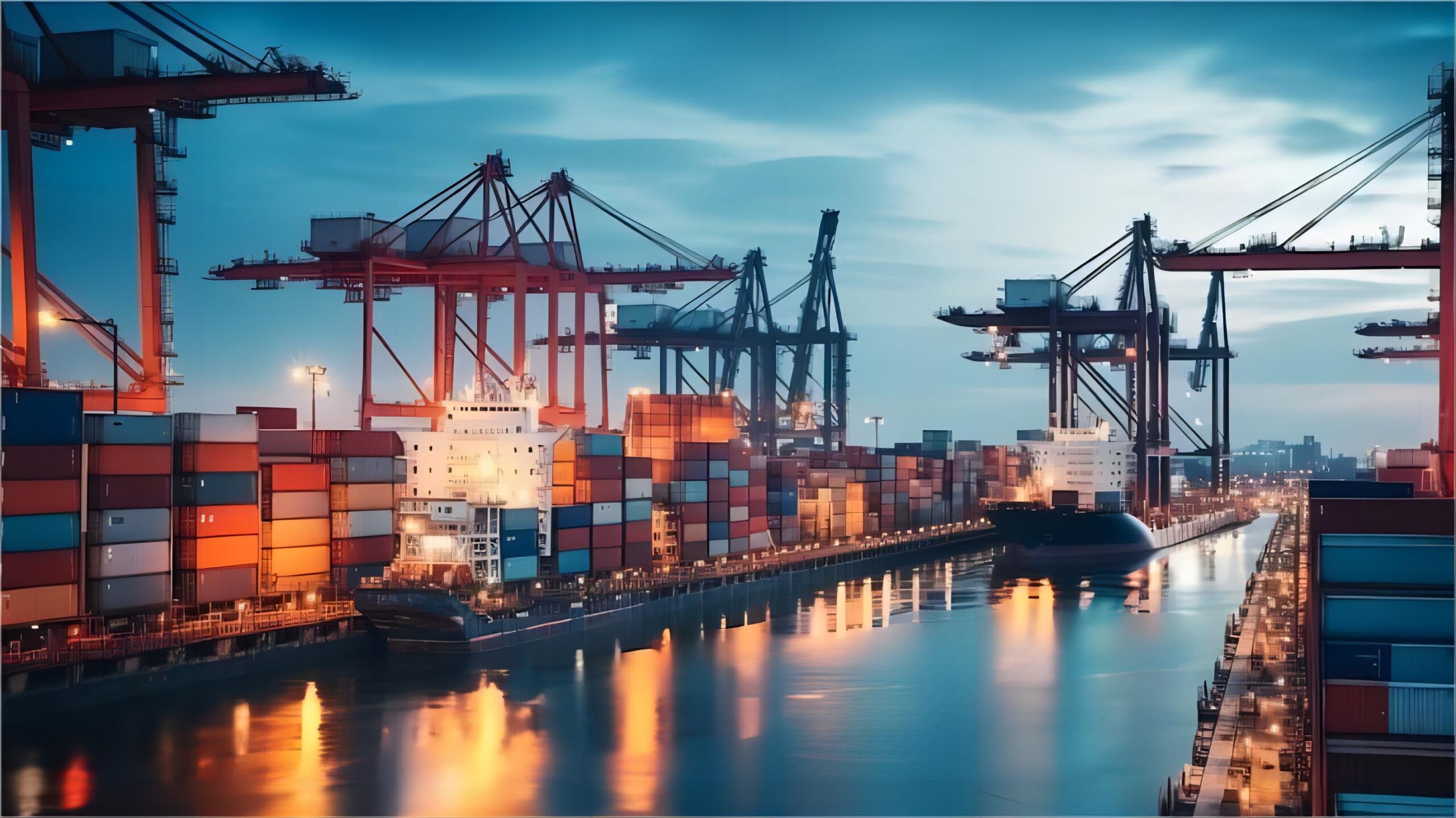
Best LCL Shipping from China to Germany: A Comprehensive Logistics Guide
Finding the best LCL shipping from China to Germany is a critical step for businesses that need to transport smaller volumes without the expense of a full container. By leveraging the expertise of Top China Freight, importers can navigate the complexities of international trade with confidence and precision. This guide provides a detailed analysis of logistics strategies, cost-saving tips, and transit expectations for your next shipment.

What is LCL Shipping and Why Is It Beneficial?
Less than Container Load (LCL) shipping allows multiple shippers to share space within a single ocean container. Consequently, this method is ideal for businesses that do not have enough goods to fill a standard 20-foot or 40-foot container.

Moreover, LCL provides significant flexibility for small and medium-sized enterprises to manage their inventory levels without committing to massive shipments. Therefore, you only pay for the volume you actually use, which is measured in cubic meters.
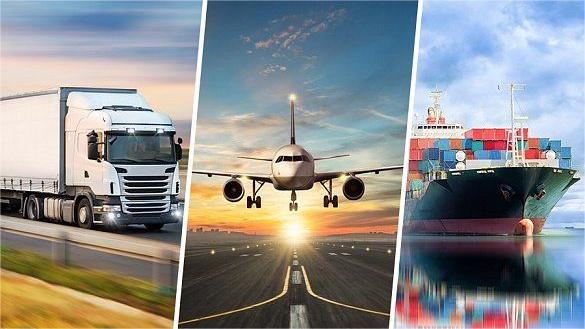
Additionally, using sea freight in an LCL format offers a balance between the high cost of air transport and the long lead times of rail. Indeed, it remains one of the most popular choices for regular supply chain replenishment.
How Does Best LCL Shipping from China to Germany Compare to Other Shipping Options?
Evaluating different transportation modes is essential for optimizing your logistics budget and meeting delivery deadlines. While LCL is cost-effective, it is important to understand how it stands against air, rail, and full container options.
For example, air freight is significantly faster than sea transport but comes with a much higher price tag. On the other hand, rail freight offers a middle ground in terms of both speed and cost.
Furthermore, the choice between LCL and FCL often depends on the total volume of your cargo. Generally, once a shipment exceeds 15 cubic meters, switching to a full container becomes more economical despite the unused space.
| Shipping Method | Cost Range | Transit Time | Best For |
|---|---|---|---|
| LCL Sea Freight | $80 – $150 per CBM | 30 – 45 Days | Small volumes, budget-conscious |
| FCL Sea Freight | $2,500 – $4,500 per 40HQ | 28 – 35 Days | Large volumes, faster loading |
| Rail Freight | $150 – $250 per CBM | 18 – 24 Days | Medium urgency, eco-friendly |
| Air Freight | $4.50 – $8.00 per KG | 5 – 8 Days | High value, urgent cargo |
Key Factors Influencing LCL Shipping Costs to Germany
Several variables determine the final price you pay for LCL services from China. Primarily, the volume of your cargo, measured in cubic meters (CBM), serves as the foundation for the freight rate.
However, you must also account for origin and destination charges, which often represent a significant portion of the total landed cost. These include terminal handling charges, documentation fees, and warehouse handling costs.
Additionally, seasonal demand fluctuations can impact rates during peak periods like the Chinese New Year or the pre-Christmas rush. Consequently, booking your space several weeks in advance can help you secure more competitive pricing.
Transit Times from Major Chinese Ports to Germany
The journey from China to German ports like Hamburg or Bremerhaven typically takes between 30 and 45 days. Nevertheless, the specific departure port in China plays a major role in the overall duration.
For instance, shipments departing from Shenzhen or Guangzhou in South China may have slightly different schedules than those leaving from Shanghai or Ningbo. Meanwhile, the consolidation process at the origin port adds a few days to the timeline as the carrier waits to fill the container.
Market data suggests that direct routes are faster but often more expensive than transshipment options via Singapore or Port Klang. Therefore, businesses must weigh the importance of speed against their available shipping budget.
| Origin Port | Destination Port | Transit Time | Service Type |
|---|---|---|---|
| Shanghai | Hamburg | 32 – 35 Days | Direct |
| Shenzhen | Bremerhaven | 28 – 32 Days | Direct |
| Ningbo | Hamburg | 35 – 40 Days | Transshipment |
| Qingdao | Hamburg | 38 – 45 Days | Direct |
Navigating Customs and Documentation for German Imports
Clearing customs in Germany requires meticulous attention to detail and accurate paperwork. Without a doubt, errors in documentation can lead to expensive delays and potential fines from the authorities.
Using a professional customs brokerage service is highly recommended to ensure compliance with EU regulations. Specifically, you will need a valid EORI number, a commercial invoice, and a detailed packing list for every shipment.
Furthermore, the Bill of Lading serves as the title of the goods and is essential for the release of cargo at the destination. Consequently, ensuring that all descriptions and HS codes match the physical goods is paramount for a smooth transition.
| Required Document | Purpose | Necessity |
|---|---|---|
| Commercial Invoice | Value declaration for duties | Mandatory |
| Packing List | Detailed cargo description | Mandatory |
| Bill of Lading | Contract of carriage | Mandatory |
| Certificate of Origin | Verify source of goods | Optional/Recommended |
Case Study 1: Electronics Shipment from Shenzhen to Hamburg
Route: Shenzhen, China to Hamburg, Germany. Cargo: Consumer electronics, 4 CBM, 1,200 kg. Shipping Method: LCL Sea Freight via major carrier. Port of Loading: Shenzhen. Port of Discharge: Hamburg. Route Type: Direct.
Cost Breakdown: Ocean Freight: $480. Origin Charges: $220. Destination Charges: $350. Customs and Duties: $1,100. Total Landed Cost: $2,150. Timeline: Booking to Loading: 4 days. Sea Transit: 30 days. Customs Clearance: 2 days. Total Door-to-Door: 42 days.
Key Insight: By choosing a direct LCL route, the client avoided the risks of damage during transshipment. Based on Q4 2024 market rates, this was the most cost-effective way to move high-density electronics without the cost of a full container.
Case Study 2: Textile Import from Ningbo to Berlin
Route: Ningbo, China to Berlin, Germany. Cargo: Cotton textiles, 8 CBM, 2,000 kg. Shipping Method: LCL with door to door delivery. Port of Loading: Ningbo. Port of Discharge: Hamburg. Route Type: Transshipment via Singapore.
Cost Breakdown: Ocean Freight: $720. Origin Charges: $310. Destination Charges: $480. Inland Trucking: $400. Total Landed Cost (excluding tax): $1,910. Timeline: Booking to Loading: 6 days. Sea Transit: 38 days. Customs Clearance: 3 days. Total Door-to-Door: 52 days.
Key Insight: Typical rates as of early 2025 suggest that including inland trucking in the initial quote prevents unexpected costs. Although transshipment took longer, the lower freight rate fit the client’s tight budget for seasonal apparel.
Decision Framework: Which Option Should You Choose?
Choosing the right shipping strategy depends on your specific business priorities and cargo characteristics. If your primary goal is budget optimization, LCL sea freight is almost always the superior choice for small volumes.
However, if speed is the priority, you might consider a hybrid sea-air solution or rail freight. Additionally, if your cargo is fragile or high-value, the reduced handling of FCL or air freight might justify the higher expense.
Moreover, volume thresholds are a vital consideration. When your shipment reaches approximately 12 to 15 CBM, the cost of an LCL shipment often equals the price of a 20GP container. In such cases, FCL is preferable because it offers better security and faster transit.
Strategies to Reduce Your LCL Shipping Expenses
Reducing logistics costs requires a proactive approach to planning and consolidation. First, try to optimize your packaging to minimize the total cubic volume of your cargo, as LCL rates are heavily volume-dependent.
Next, consider consolidating multiple small orders from different suppliers into a single LCL shipment. This strategy, known as buyer’s consolidation, can significantly reduce the fixed costs associated with documentation and terminal handling.
Finally, always request quotes in advance and avoid shipping during peak seasons if possible. Indeed, freight rates are subject to change based on fuel costs and carrier capacity, so staying informed about market trends is essential for long-term savings.
Final Thoughts on LCL Logistics
In summary, securing the best LCL shipping from China to Germany involves balancing transit times, costs, and service reliability. By understanding the consolidation process and preparing accurate documentation, you can minimize delays and maximize efficiency.
Furthermore, partnering with a knowledgeable freight forwarder ensures that your cargo is handled with care throughout its journey. Whether you are importing electronics, textiles, or industrial parts, LCL remains a versatile and cost-effective solution for modern global trade.
Note: Freight rates are subject to change based on fuel costs, carrier capacity, and seasonal demand. Contact us for a current quote tailored to your specific shipment.
Ready to streamline your logistics?
Are you looking for the best LCL shipping from China to Germany to grow your business? Our experienced logistics team is ready to provide you with competitive rates and reliable service tailored to your needs. Contact us today to receive a comprehensive quote and start optimizing your international supply chain. Visit: https://Top China Freight.com/
Request Quote