


Professional LCL Shipping from China to Netherlands Guide
Navigating the complexities of international trade requires a reliable partner for professional LCL shipping from China to Netherlands. Businesses often face challenges with rising costs and unpredictable delivery schedules when moving smaller cargo volumes. Top China Freight provides tailored logistics solutions that streamline your supply chain and ensure your goods arrive safely at their destination.
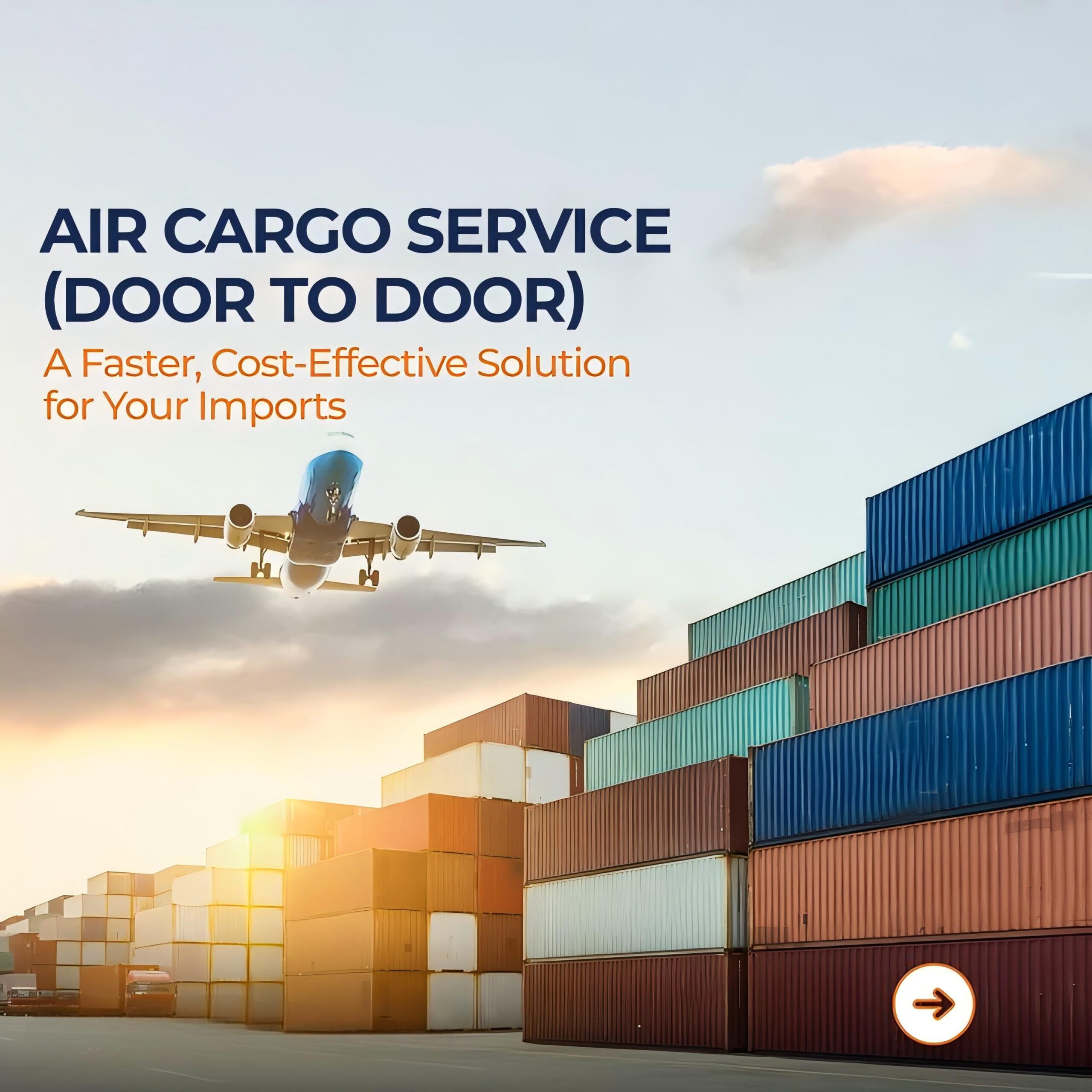
What is Professional LCL Shipping from China to Netherlands?
LCL stands for Less than Container Load, which is a shipping method where multiple shippers share space within a single ocean container. This approach is ideal for businesses that do not have enough goods to fill an entire 20-foot or 40-foot container. Consequently, you only pay for the volume you actually use, measured in cubic meters.
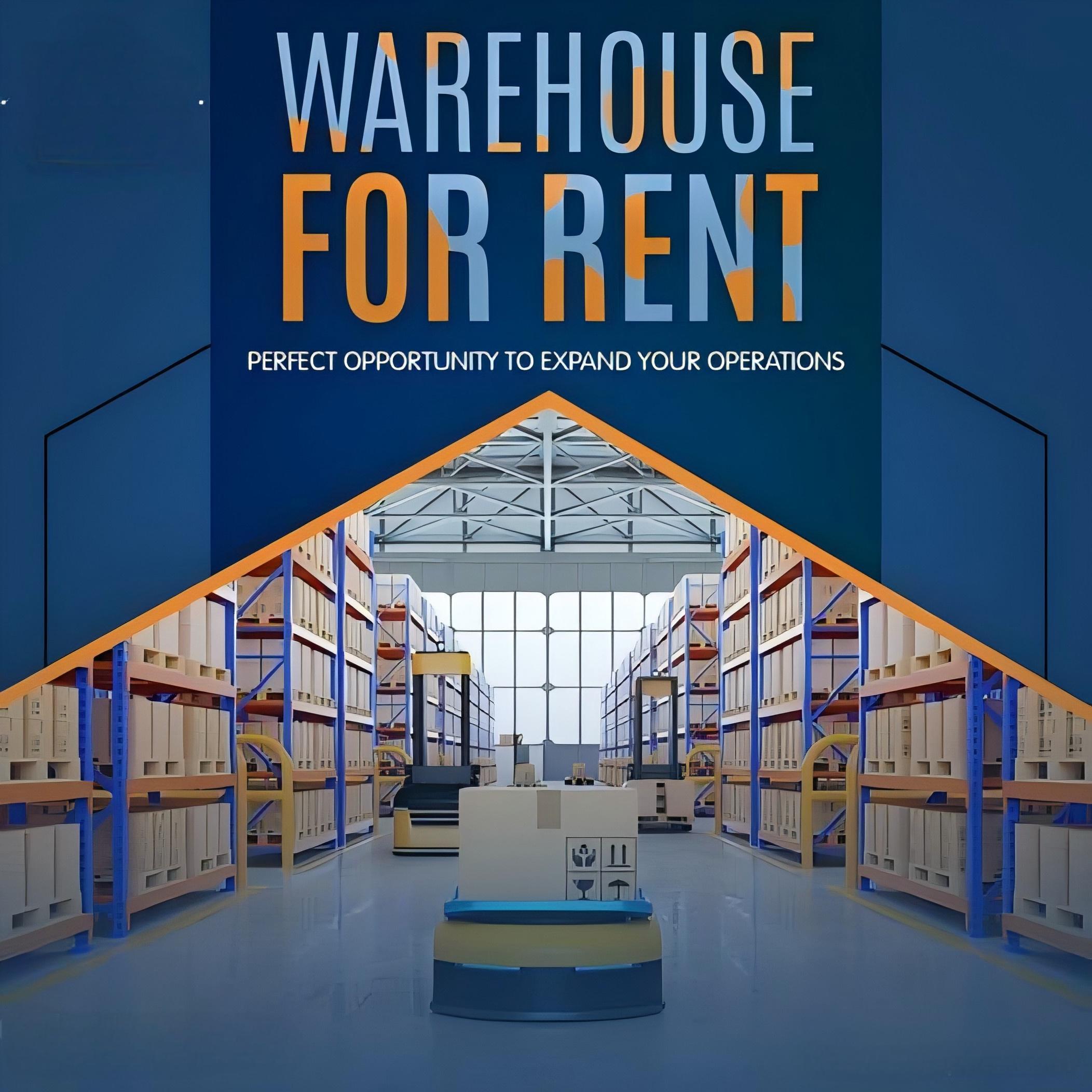
Professional LCL shipping from China to Netherlands involves a complex process of consolidation and deconsolidation. First, your goods are collected and taken to a container freight station at the origin port. Subsequently, they are loaded alongside other shipments destined for the same region.
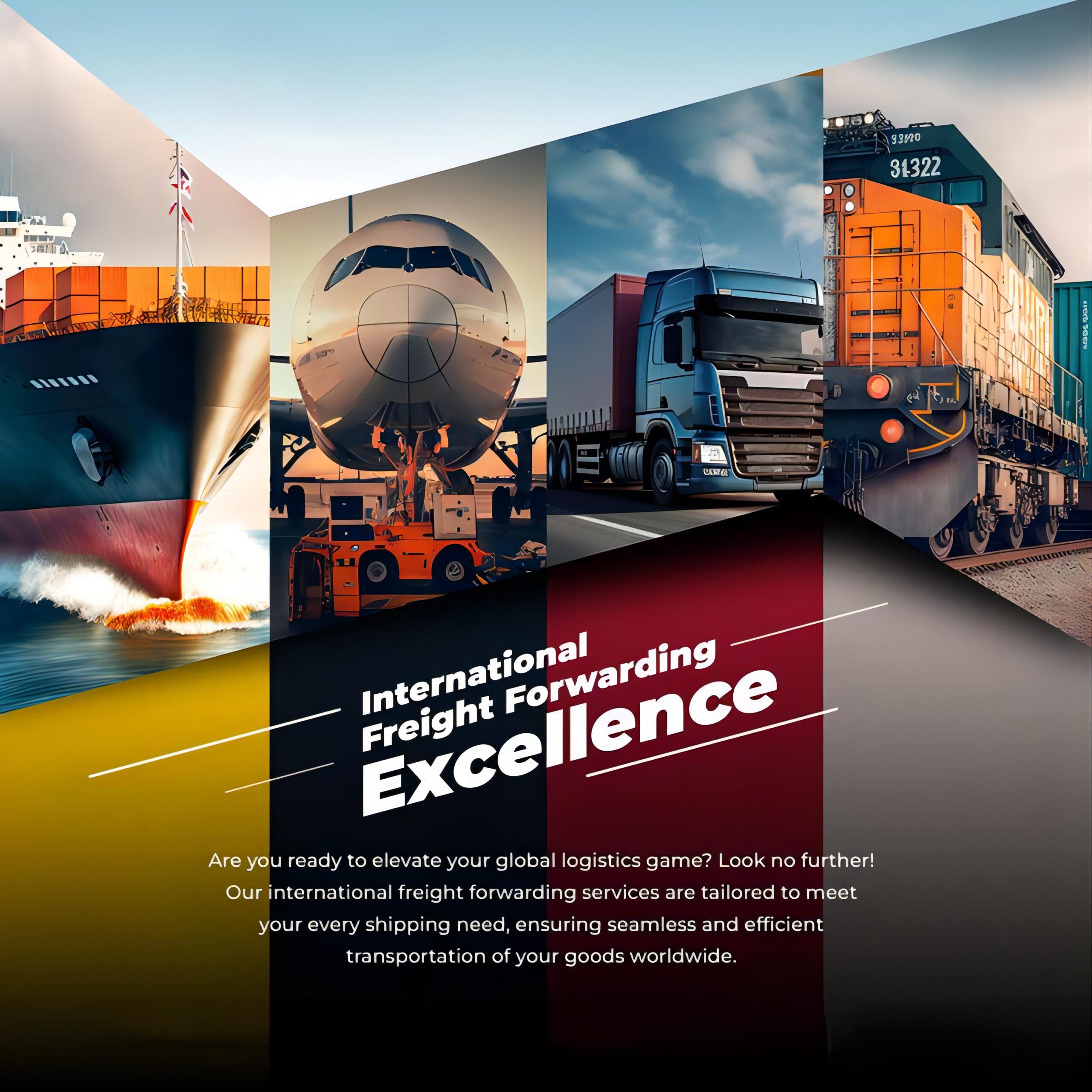
Moreover, this method offers significant flexibility for small to medium-sized enterprises. You can maintain lower inventory levels by shipping smaller batches more frequently. This strategy helps in managing cash flow and reducing warehouse storage costs in the Netherlands.
How Does LCL Shipping Compare to Other Shipping Options?
Choosing the right transportation mode is essential for optimizing your logistics budget and meeting customer expectations. While sea freight is generally the most cost-effective, you must decide between LCL and other alternatives. Each method has specific trade-offs regarding speed, price, and handling requirements.
Air freight is significantly faster but comes with a much higher price tag. On the other hand, rail freight offers a middle ground between sea and air in terms of both cost and transit time. However, for shipments under 15 cubic meters, LCL remains the most competitive option for standard commercial goods.
| Shipping Method | Cost Range | Transit Time | Best For |
|---|---|---|---|
| LCL Sea Freight | $50 – $150 per CBM | 30 – 45 Days | Small shipments, Budget focus |
| FCL Sea Freight | $2,500 – $4,500 per Container | 28 – 35 Days | Large volumes, High security |
| Air Freight | $4.50 – $8.00 per KG | 5 – 8 Days | Urgent cargo, High value |
| Rail Freight | $120 – $250 per CBM | 18 – 24 Days | Time-sensitive, Mid-budget |
Key Benefits of Professional LCL Shipping from China to Netherlands
One of the primary advantages of this service is the substantial cost savings for smaller cargo volumes. Instead of paying for an empty container, you share the total ocean freight cost with other importers. Therefore, professional LCL shipping from China to Netherlands becomes the most viable entry point for new importers.
Additionally, LCL shipping allows for better inventory management and supply chain agility. You can respond quickly to market trends without committing to massive stock purchases. This flexibility is particularly beneficial for the fast-paced retail and e-commerce sectors in Europe.
Furthermore, utilizing door to door services simplifies the entire logistics chain. Professional forwarders handle the pick-up, consolidation, and final delivery. This end-to-end management reduces the risk of communication errors and transit delays.
Understanding Transit Times for China to Netherlands LCL
The transit time for LCL shipments is typically longer than FCL because of the extra steps involved in the process. Specifically, the consolidation phase at the Chinese port can add 5 to 7 days to the total schedule. After the vessel arrives in Rotterdam, the deconsolidation process takes another few days before final delivery.
Typically, a direct sea voyage from major Chinese ports like Shanghai or Ningbo to Rotterdam takes about 30 days. However, you should account for a total door-to-door timeline of 40 to 50 days. This buffer covers documentation, customs clearance, and local trucking within the Netherlands.
Meanwhile, seasonal factors can influence these durations significantly. During the peak season from August to October, port congestion may lead to longer waiting times. Planning your shipments well in advance helps mitigate the impact of these industry-wide fluctuations.
| Origin Port | Destination Port | Sea Transit (Days) | Total Door-to-Door |
|---|---|---|---|
| Shanghai | Rotterdam | 30 – 32 | 42 – 48 Days |
| Shenzhen | Rotterdam | 28 – 30 | 40 – 45 Days |
| Ningbo | Rotterdam | 31 – 33 | 43 – 50 Days |
| Qingdao | Rotterdam | 35 – 38 | 48 – 55 Days |
Calculating Costs for LCL Shipments
Freight rates for LCL are primarily calculated based on volume, specifically the cubic meter (CBM). However, carriers also consider weight, using a weight/measure ratio where 1,000 kg is often equivalent to 1 CBM. Consequently, you will be charged based on whichever value is higher to ensure fair pricing.
In addition to the ocean freight, you must account for origin and destination charges. These include terminal handling fees, documentation costs, and warehouse storage. For professional LCL shipping from China to Netherlands, these local charges can sometimes exceed the actual ocean freight cost.
Indeed, it is crucial to request a comprehensive quote that includes all potential surcharges. Fuel adjustment factors and currency adjustment factors are common additions to the base rate. Always verify if the quote includes customs brokerage fees to avoid unexpected expenses.
Essential Documentation for Netherlands Customs
Navigating European customs requires precise documentation to avoid costly delays and penalties. The most critical document is the Bill of Lading, which acts as a contract of carriage and a receipt for the goods. Furthermore, you must provide a detailed Commercial Invoice and a Packing List for every shipment.
Importers in the Netherlands also need a valid EORI number to clear goods through the tax authorities. This identification number is mandatory for all businesses engaging in import or export activities within the European Union. Without it, your cargo will be held at the port, leading to storage fees.
Moreover, certain products may require specific certificates, such as CE marking for electronics or phytosanitary certificates for agricultural goods. Working with a professional forwarder ensures that all paperwork complies with current Europe regulations. Accuracy in documentation is the best way to ensure smooth customs clearance.
| Document Name | Purpose | Required By | Criticality |
|---|---|---|---|
| Commercial Invoice | Valuation and Duty | Customs | High |
| Packing List | Content Verification | Warehouse/Customs | High |
| Bill of Lading | Title of Goods | Carrier/Bank | High |
| EORI Number | Importer ID | EU Customs | Mandatory |
Which Option Should You Choose? Decision Framework
Determining the best shipping strategy depends on your specific business priorities and cargo characteristics. If your primary goal is cost reduction and your volume is between 1 and 15 CBM, LCL is the logical choice. However, if you have more than 15 CBM, you should compare the cost of a full 20-foot container.
When speed is the priority, consider air freight or the China-Europe rail link. Rail freight provides a faster alternative to sea shipping while remaining much cheaper than air. Specifically, rail is excellent for high-value electronics or seasonal fashion items that cannot wait six weeks.
Additionally, consider the nature of your cargo when selecting a method. Fragile or high-value items might benefit from FCL shipping to minimize handling. In LCL, goods are handled more frequently during consolidation and deconsolidation, which increases the slight risk of damage.
Real-World Case Studies for LCL Shipping
Case Study 1: Electronics from Shenzhen to Rotterdam. A Dutch retailer imported 3 CBM of consumer electronics. Using professional LCL shipping from China to Netherlands, the ocean freight cost was approximately $350. The total door-to-door transit time took 42 days, including customs clearance.
Case Study 2: Home Decor from Ningbo to Amsterdam. A boutique furniture store shipped 5 CBM of wooden decor items. The total landed cost, including duties and local delivery, reached $1,200. Consequently, the client saved over $2,000 compared to the cost of a full container or air freight.
Case Study 3: Textile Samples from Shanghai to Utrecht. For a 1 CBM shipment of textiles, the importer chose LCL to test the market. The shipment arrived in 45 days with a total logistics cost of $450. This allowed the business to validate their product before committing to larger FCL volumes.
Mastering Your Logistics Strategy
Successfully managing professional LCL shipping from China to Netherlands requires a balance of cost, speed, and reliability. By understanding the consolidation process and preparing accurate documentation, you can significantly reduce your logistics overhead. This guide highlights the importance of choosing the right shipping mode based on your specific cargo volume and budget.
As market conditions evolve in 2025, staying informed about freight trends and customs requirements is essential. Partnering with an experienced freight forwarder provides the expertise needed to navigate these complexities. Start optimizing your shipments today to ensure your business remains competitive in the global market.
Ready to streamline your logistics?
Streamline your supply chain today with our professional LCL shipping from China to Netherlands. Contact our expert team for a transparent, competitive quote that fits your business needs. Send Inquiry
Request Quote