

Fast FCL Shipping from China to Australia: Your 2025 Logistics Guide
Successfully managing international trade requires a deep understanding of logistics and efficient transportation methods. Choosing Top China Freight allows businesses to streamline their operations and ensure goods arrive on schedule. This comprehensive guide details everything you need to know about fast FCL shipping from China to Australia to help you make informed decisions for your supply chain.
Why Choose Fast FCL Shipping from China to Australia?
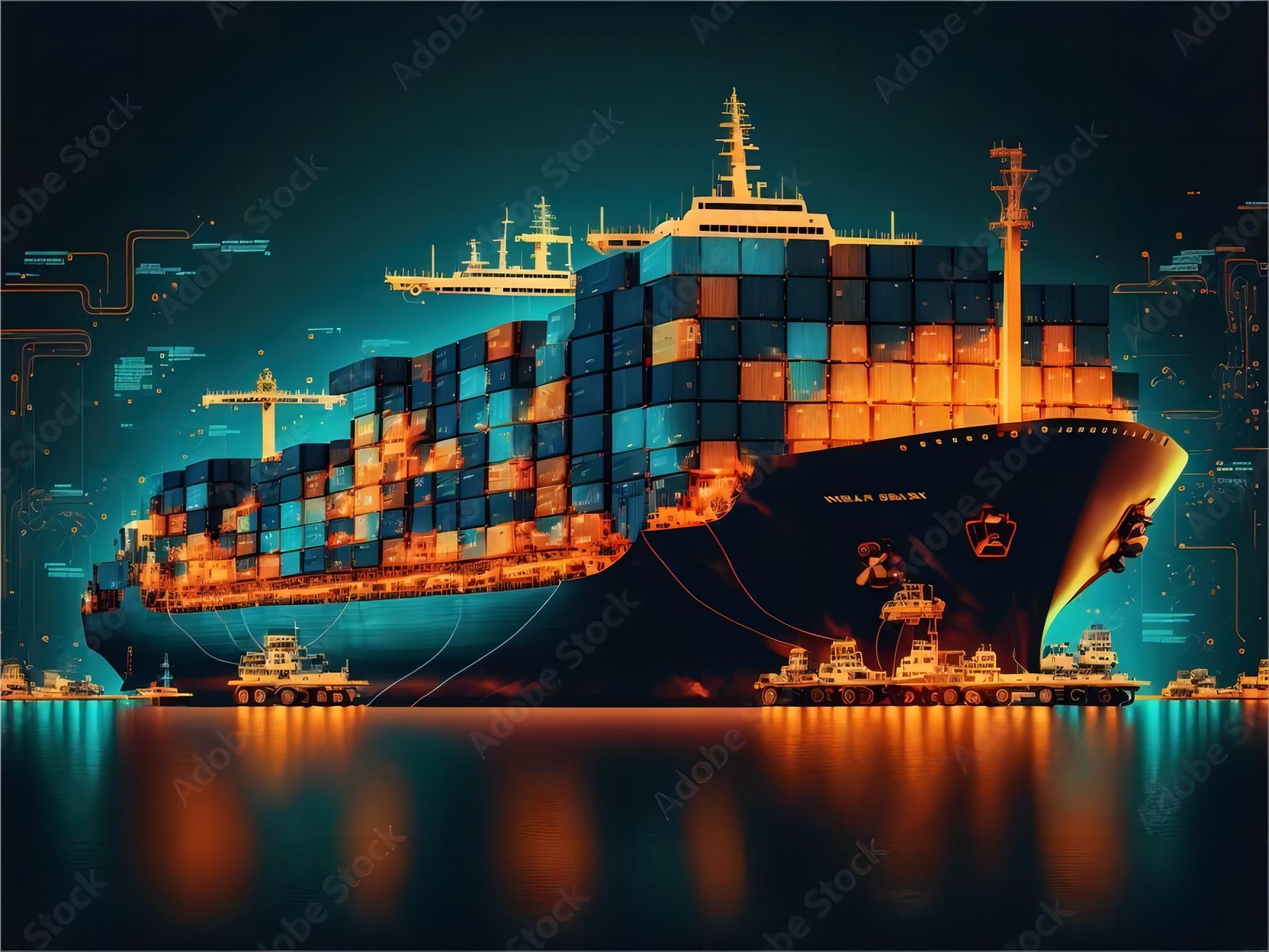
Full Container Load (FCL) shipping offers unparalleled security and speed for businesses importing large volumes of goods. Consequently, this method remains the preferred choice for companies that prioritize cargo integrity and predictable delivery schedules. By utilizing an entire container, you reduce the risk of damage associated with handling multiple shipments in a single unit.
Moreover, fast FCL shipping from China to Australia provides a more direct route compared to Less than Container Load (LCL) options. Since the container is sealed at the origin and only opened at the destination, the transit time is significantly shorter. Therefore, importers can maintain tighter inventory controls and meet customer demands more effectively.
Selecting sea freight for your FCL needs is also more cost-effective for shipments exceeding 15 cubic meters. Additionally, the fixed cost per container simplifies budgeting and financial planning for growing enterprises. Many Australian businesses leverage these benefits to gain a competitive edge in the local market.
How Does FCL Compare to Other Shipping Options?
Evaluating different transportation modes is essential for optimizing your logistics budget and timeline. While FCL is excellent for bulk goods, other methods like air freight or LCL might suit specific urgent or smaller needs. Understanding the trade-offs between cost and speed ensures you select the right strategy for every shipment.
Specifically, air freight is much faster but comes at a premium price that can be ten times higher than sea freight. On the other hand, LCL is cheaper for small volumes but often involves longer transit times due to the consolidation process. Meanwhile, FCL strikes a balance between volume capacity and transit efficiency for most commercial imports.
Market data suggests that choosing direct sea routes can save up to seven days compared to transshipment options. However, these direct services may carry a 10 to 15 percent higher freight rate during peak seasons. Consequently, businesses must weigh the urgency of their cargo against the available budget.
| Shipping Method | Cost Range (USD) | Transit Time | Best For | Limitations |
|---|---|---|---|---|
| FCL (20GP) | $800 – $1,200 | 12-18 Days | Bulk Goods | Requires high volume |
| LCL (per CBM) | $50 – $100 | 20-25 Days | Small Parcels | Higher damage risk |
| Air Freight | $5,000+ | 3-7 Days | Urgent Items | Very high cost |
| Sea-Air Hybrid | Medium | 10-14 Days | Balanced needs | Complex handling |
Which Option Should You Choose?
Determining the best shipping method depends on your specific business priorities and cargo characteristics. If your primary goal is budget priority, we recommend FCL for any shipment over 15 cubic meters to maximize value. Conversely, if speed is your absolute priority, air freight remains the only viable solution for tight deadlines.
Volume thresholds play a critical role in the decision-making process for Australian importers. For instance, once your cargo exceeds half the capacity of a 20-foot container, FCL becomes more economical than LCL. Furthermore, cargo type considerations such as fragility or hazardous materials may necessitate the exclusive use of an FCL container.
Hybrid solutions like sea-air combinations are occasionally used for shipments coming from inland China to remote Australian regions. Nevertheless, for the majority of trade between major hubs like Shanghai and Sydney, direct FCL shipping remains the industry standard. It provides the most reliable balance of cost-efficiency and transit speed.
Key Factors Influencing Transit Times to Australia
Transit times for fast FCL shipping from China to Australia are influenced by several geographic and operational factors. Generally, shipments from South China ports like Shenzhen or Guangzhou reach Australia faster than those from Northern ports. This is due to the shorter physical distance and the high frequency of direct vessel departures.
Port congestion at major hubs like Melbourne or Sydney can also impact your total door-to-door timeline. Additionally, seasonal weather patterns such as typhoons in the South China Sea may cause temporary delays during the summer months. Therefore, it is wise to build a buffer of three to five days into your supply chain planning.
Using a professional customs brokerage service can prevent unnecessary delays during the clearance process. Efficient documentation management ensures that your container moves quickly from the wharf to your warehouse. Consequently, choosing an experienced partner is just as important as selecting the right shipping line.
| Origin Port | Destination Port | Direct Transit | Transshipment Time |
|---|---|---|---|
| Shenzhen | Sydney | 12-14 Days | 18-22 Days |
| Shanghai | Melbourne | 14-16 Days | 20-24 Days |
| Ningbo | Brisbane | 13-15 Days | 19-23 Days |
| Qingdao | Fremantle | 18-22 Days | 25-30 Days |
Cost Analysis of Fast FCL Shipping from China to Australia
Freight rates for FCL containers are subject to market fluctuations based on fuel costs and global demand. As of early 2025, rates have stabilized, making it an ideal time for businesses to lock in shipping contracts. Typically, a 20GP container from China to Australia costs between $800 and $1,200 depending on the specific route.
Larger containers like the 40HQ offer better value for lightweight, high-volume goods such as furniture or textiles. These units generally cost between $1,400 and $2,000, providing nearly double the capacity of a 20GP for a relatively small price increase. Indeed, maximizing container utilization is the most effective way to lower your landed cost per unit.
Note: Freight rates are subject to change based on fuel costs, carrier capacity, and seasonal demand. Contact us for a current quote tailored to your specific shipment. We recommend requesting a quote at least two weeks before your cargo is ready to secure the best available space.
Essential Documentation for Australian Customs
Compliance with Australian Border Force requirements is mandatory for all international shipments entering the country. Missing or incorrect paperwork can lead to expensive storage fees and significant delivery delays. Therefore, you must ensure that your supplier provides accurate commercial invoices and packing lists well in advance.
Specifically, the Packing Declaration is a unique requirement for Australia that addresses biosecurity concerns regarding timber packaging. Furthermore, a Certificate of Origin may allow you to claim preferential duty rates under the China-Australia Free Trade Agreement (ChAFTA). This can result in substantial savings on your total import costs.
Implementing a door to door service often includes the management of these documents as part of the package. This approach reduces the administrative burden on your staff and ensures that all regulatory hurdles are cleared before the vessel arrives. Efficient paperwork is the backbone of fast FCL shipping from China to Australia.
| Document Name | Purpose | Required By | Timing |
|---|---|---|---|
| Bill of Lading | Title to goods | Carrier/Customs | At departure |
| Commercial Invoice | Valuation for duty | Customs | Before arrival |
| Packing List | Cargo verification | Customs/Quarantine | Before arrival |
| Packing Declaration | Biosecurity check | DAFF Australia | Mandatory |
Real Case Studies: Successful FCL Shipments
Case Study 1: Electronics from Shenzhen to Melbourne. Route: Shenzhen Port to Port of Melbourne. Cargo: Consumer electronics, 28 CBM, 8,500 kg. Container: 20GP. Shipping Details: Direct service via major carrier. Ocean Freight: $950. Origin Charges: $250. Destination Charges: $400. Customs and Duties: $1,200. Total Landed Cost: $2,800. Timeline: 14 days sea transit, 19 days total door-to-door. Key Insight: Early booking allowed the client to avoid a 15 percent peak season surcharge.
Case Study 2: Furniture from Ningbo to Sydney. Route: Ningbo Port to Port Botany. Cargo: Office furniture, 65 CBM, 12,000 kg. Container: 40HQ. Shipping Details: Transshipment via Singapore. Ocean Freight: $1,650. Origin Charges: $350. Destination Charges: $550. Customs and Duties: $2,100. Total Landed Cost: $4,650. Timeline: 22 days total door-to-door. Key Insight: Using a 40HQ instead of two 20GP containers saved the client over $800 in total freight costs.
These examples reflect typical rates as of early 2025 and demonstrate the importance of container selection. Based on current market rates, choosing the right port of loading can also shave days off your transit time. Always consult with your freight forwarder to find the most efficient route for your specific geographic location in shipping to Australia.
Market Trends and Future Outlook for 2025
Industry trends suggest a move toward more sustainable and digitally integrated shipping solutions in the coming years. Many carriers are now offering carbon offset programs for FCL shipments to help businesses meet their ESG goals. Additionally, real-time tracking technology has become standard, allowing importers to monitor their containers with precision.
Logistics trends also indicate a shift toward diversifying port usage to avoid occasional congestion at major hubs. Consequently, some Australian importers are exploring secondary ports like Adelaide or Townsville for regional distribution. This strategy can reduce inland trucking costs and improve overall delivery speed for specific destinations.
Furthermore, the continued implementation of free trade agreements will likely keep shipping volumes between China and Australia high. Therefore, maintaining a strong relationship with a reliable logistics provider is essential for navigating potential capacity constraints. Staying informed about market shifts ensures your business remains resilient in a changing global economy.
Summary of Fast FCL Shipping Strategies
Achieving fast FCL shipping from China to Australia requires a combination of strategic planning, correct documentation, and the right logistics partner. By understanding the cost structures and transit times associated with different ports, you can significantly optimize your import operations. Remember to prioritize container utilization and early booking to stay ahead of market fluctuations.
Ultimately, the goal is to create a reliable and cost-effective bridge between your Chinese suppliers and Australian customers. Whether you are shipping electronics, furniture, or industrial equipment, FCL remains the gold standard for high-volume trade. Start implementing these strategies today to ensure your cargo arrives safely and swiftly at its destination.
Ready to streamline your logistics?
Streamline your supply chain today with fast FCL shipping from China to Australia. Contact Top China Freight to receive a customized quote and expert guidance for your next shipment. Visit our website to learn more about our comprehensive logistics solutions and secure your container space now.
Request Quote