

Reliable FCL Shipping from China to Australia: A Complete Guide
Securing reliable FCL shipping from China to Australia is essential for businesses that prioritize cargo safety and cost efficiency. While the logistics landscape can be complex, choosing a full container ensures your goods are not handled alongside other shippers’ products. Consequently, this method reduces the risk of damage and simplifies the entire transport process for high-volume importers.
What is FCL Shipping and Why Choose It?
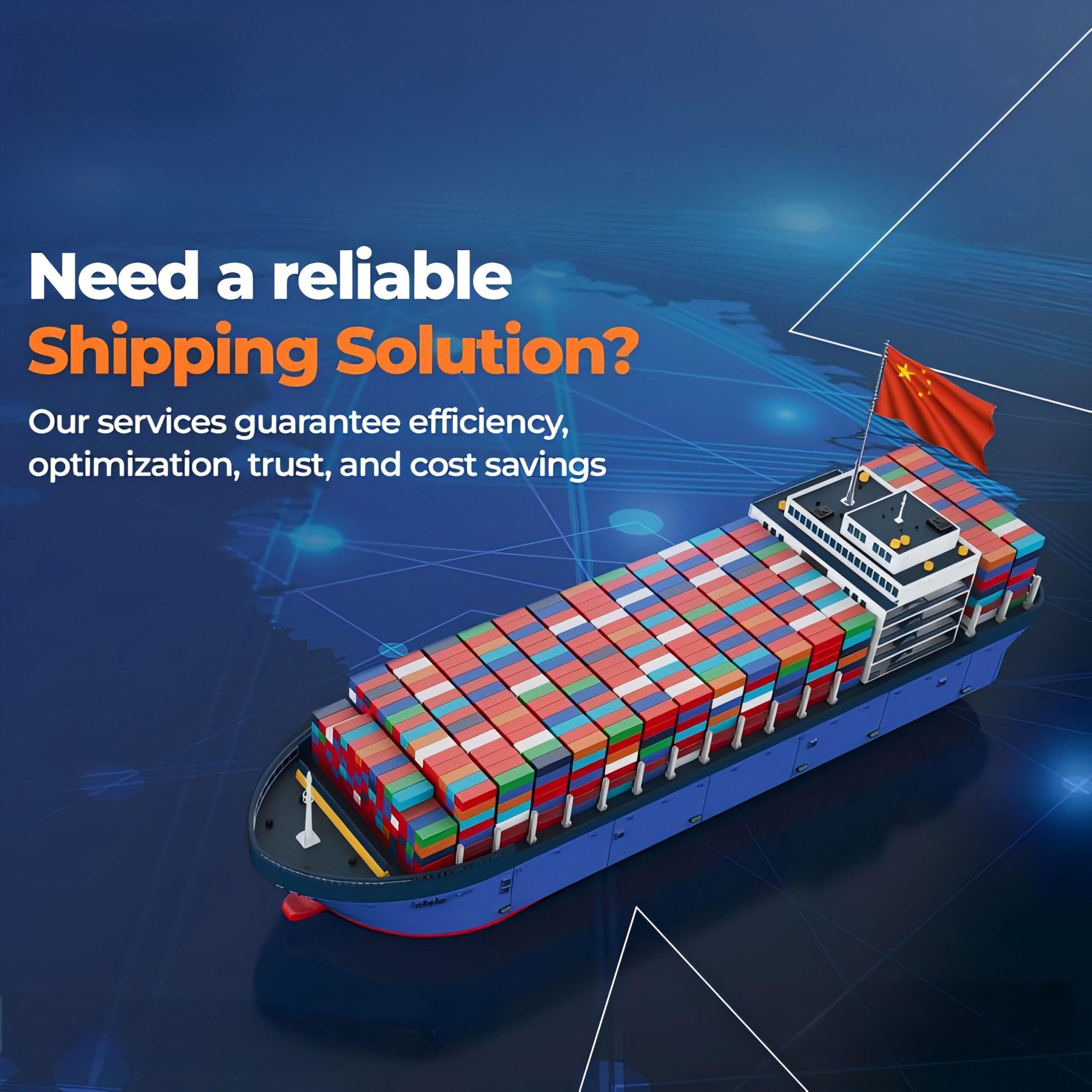
Full Container Load, or FCL, refers to a shipping arrangement where one importer has exclusive use of an entire shipping container. This method is typically the most efficient choice for businesses moving large quantities of goods that can fill a 20ft or 40ft unit. Indeed, by utilizing the full space, you often achieve a lower cost per unit compared to smaller shipment methods.

Moreover, FCL shipping offers enhanced security because the container is sealed at the point of origin and remains unopened until it reaches its destination. This minimizes the risk of theft or accidental damage during transit. Therefore, many companies prefer this method for high-value or fragile items that require specialized handling.

Additionally, the transit process for FCL is generally faster than Less than Container Load options. Since there is no need to wait for other shipments to fill the container, the vessel can be booked more directly. As a result, you can maintain a more predictable delivery schedule for your Australian customers.
How Does FCL Compare to Other Shipping Options?
When planning your logistics strategy, it is vital to compare FCL with alternatives like LCL or air freight. While air freight is undeniably faster, it is significantly more expensive for heavy or bulky items. On the other hand, LCL is better for small volumes but involves more handling and longer processing times.
Furthermore, sea freight remains the backbone of trade between China and Australia due to its massive capacity. For shipments exceeding 15 cubic meters, FCL almost always becomes the more economical choice. Consequently, businesses must evaluate their volume and budget before committing to a specific method.
In addition to cost, consider the environmental impact of your choice. Sea freight has a much lower carbon footprint per ton-kilometer than air transport. Thus, choosing sea freight helps your company meet sustainability goals while keeping logistics expenses manageable.
| Shipping Method | Cost Range | Transit Time | Best For |
|---|---|---|---|
| FCL (20GP) | $800 – $1,200 | 12 – 18 Days | Large volumes |
| LCL (per CBM) | $50 – $120 | 18 – 25 Days | Small shipments |
| Air Freight | $4 – $8 per kg | 3 – 7 Days | Urgent goods |
| Express | $6 – $12 per kg | 2 – 5 Days | Samples |
Understanding the Costs of Reliable FCL Shipping from China to Australia
The total price of shipping a container involves several factors beyond the basic ocean freight rate. You must account for origin charges, destination fees, and potential customs brokerage costs. For instance, port handling fees in Australian cities like Sydney or Melbourne can vary based on the specific terminal used.
Moreover, seasonal demand plays a significant role in price fluctuations. During the peak season from August to October, rates can increase by 20 percent or more as retailers stock up for the holidays. Therefore, booking your shipment well in advance is a smart strategy to lock in better rates.
Note: Freight rates are subject to change based on fuel costs, carrier capacity, and seasonal demand. Contact us for a current quote tailored to your specific shipment.
Transit Times for Major Australian Ports
Transit times for reliable FCL shipping from China to Australia are relatively short compared to European or American routes. Specifically, a direct vessel from Shenzhen to Brisbane might only take 12 days. However, shipments from northern Chinese ports like Tianjin or Qingdao will naturally take longer due to the increased distance.
In addition, port congestion can occasionally delay the unloading process once the ship arrives in Australia. While Australian ports are generally efficient, labor strikes or extreme weather can lead to temporary setbacks. Nevertheless, FCL remains the most reliable sea-based method for meeting strict deadlines.
To illustrate the differences, consider the following estimates for port-to-port transit times.
| Origin Port | Destination Port | Days (Direct) | Frequency |
|---|---|---|---|
| Shenzhen | Sydney | 12 – 15 | Weekly |
| Shanghai | Melbourne | 14 – 18 | Daily |
| Ningbo | Brisbane | 13 – 16 | Weekly |
| Qingdao | Adelaide | 18 – 22 | Bi-weekly |
Essential Documentation for Australian Customs
Navigating the regulatory requirements is a crucial part of shipping from China to Australia. You must provide an accurate commercial invoice, a detailed packing list, and a bill of lading. Furthermore, Australia has strict biosecurity laws that require specific declarations for wooden packaging materials.
Consequently, any errors in your paperwork can lead to expensive storage fees at the port or even the seizure of goods. To avoid these issues, many importers work with experienced professionals to ensure every document meets Australian Border Force standards. Indeed, proper preparation is the best way to ensure a smooth clearance process.
Additionally, you should check if your products qualify for reduced tariffs under the China-Australia Free Trade Agreement (ChAFTA). By providing a valid Certificate of Origin, you can significantly reduce the amount of duty paid upon arrival. As a result, your landed cost becomes much more competitive in the local market.
Which Option Should You Choose?
Choosing between different shipping methods depends heavily on your specific business priorities. If your primary goal is to minimize costs and you have at least 15 cubic meters of cargo, FCL is almost always the winner. However, if you are testing a new product with low volume, LCL might be the safer initial investment.
On the other hand, speed-sensitive items like electronics or fashion trends may require air freight despite the higher costs. If you need a complete solution that handles everything from the factory floor to your warehouse, a door to door service is highly recommended. This approach removes the logistical burden from your shoulders.
To summarize, evaluate your budget, volume, and urgency. If you have a consistent supply chain, FCL provides the stability and cost-control needed for long-term growth. Without a doubt, the security of having your own container is a major advantage for any serious importer.
Case Studies: Successful FCL Shipments to Australia
Case Study 1: Furniture from Foshan to Sydney Route: Foshan, China to Sydney, Australia Cargo: Home furniture, 28 CBM, 4500 kg Container: 20GP Shipping Details: – Carrier: COSCO – Port of Loading: Guangzhou (Nansha) – Port of Discharge: Sydney – Route Type: Direct Cost Breakdown: – Ocean Freight: $950 – Origin Charges: $350 – Destination Charges: $450 – Customs and Duties: $1,200 – Total Landed Cost: $2,950 Timeline: – Booking to Loading: 3 days – Sea Transit: 14 days – Customs Clearance: 2 days – Total Door-to-Door: 19 days Key Insight: Using ChAFTA documentation saved the client 5 percent in import duties, making the shipment highly profitable.
Case Study 2: Solar Panels from Shanghai to Melbourne Route: Shanghai, China to Melbourne, Australia Cargo: Solar modules, 62 CBM, 18000 kg Container: 40HQ Shipping Details: – Carrier: Maersk – Port of Loading: Shanghai – Port of Discharge: Melbourne – Route Type: Direct Cost Breakdown: – Ocean Freight: $1,650 – Origin Charges: $450 – Destination Charges: $600 – Customs and Duties: $0 (Duty-free category) – Total Landed Cost: $2,700 Timeline: – Booking to Loading: 5 days – Sea Transit: 17 days – Customs Clearance: 3 days – Total Door-to-Door: 25 days Key Insight: Early booking during the off-peak season allowed the client to secure a rate 15 percent below the market average.
Final Thoughts on FCL Shipping to Australia
In conclusion, reliable FCL shipping from China to Australia remains the most effective way to transport large volumes of goods securely and economically. By understanding the cost structures, transit times, and documentation requirements, you can avoid common pitfalls and ensure your cargo arrives on time. Furthermore, leveraging free trade agreements and professional freight services will give your business a significant edge in the Australian market.
Whether you are shipping furniture, electronics, or industrial machinery, the FCL method offers the consistency required for a healthy supply chain. Start planning your next shipment today to take advantage of competitive rates and efficient transit routes.
Ready to streamline your logistics?
Ready to streamline your supply chain with reliable FCL shipping from China to Australia? Contact Top China Freight today for a customized quote and expert logistics support. Send Inquiry:
Request Quote