

Fast FCL Shipping from China to France: 2025 Logistics Guide
Securing fast FCL shipping from China to France is critical for businesses looking to maintain a competitive edge in the European market. At Top China Freight, we understand that reliability and speed are the cornerstones of a successful international supply chain. This comprehensive guide explores how you can optimize your container shipments to ensure your goods arrive safely and efficiently at French ports.
What is Fast FCL Shipping from China to France?
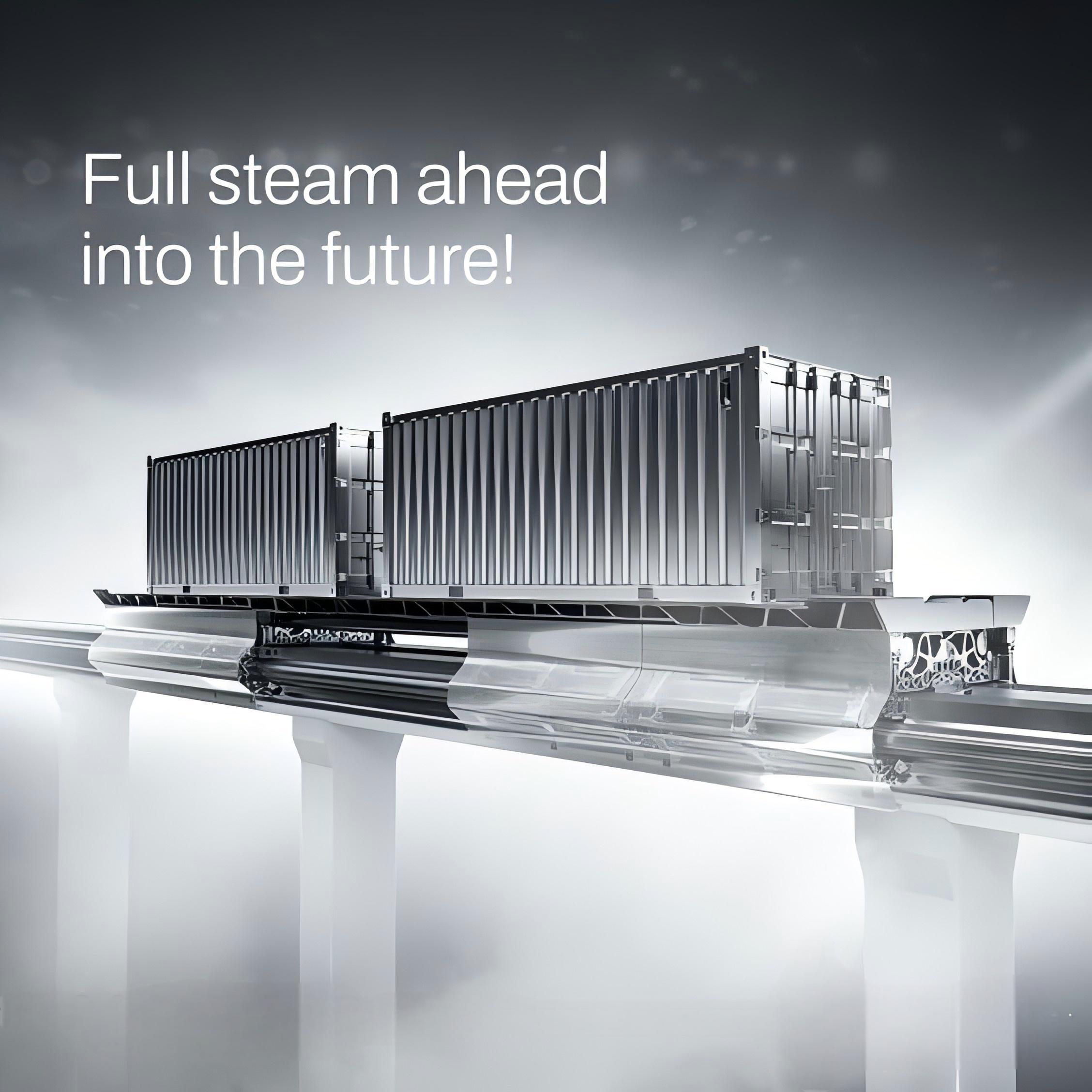
Full Container Load, or FCL, refers to a shipping mode where an entire container is dedicated to a single importer. This method is particularly efficient because it eliminates the need for consolidation at the origin port, which significantly speeds up the departure process.
Moreover, fast FCL shipping from China to France typically involves direct vessel services that minimize stops at intermediate transshipment hubs. Consequently, your cargo remains secure inside a sealed container from the factory floor until it reaches its final destination in France.

Indeed, choosing FCL is often the most cost-effective solution for shipments exceeding 15 cubic meters. Businesses often prefer this method for high-volume orders because it offers better protection and faster overall transit times compared to Less than Container Load (LCL) options.
Furthermore, the streamlined nature of FCL logistics allows for more predictable scheduling. You can coordinate your warehouse operations with high precision when you know exactly when your dedicated container will arrive at the port of Le Havre or Marseille.
How Does Fast FCL Shipping from China to France Compare to Other Options?
Understanding the differences between various transport modes is essential for making an informed logistics decision. While sea freight remains the most popular choice for bulk goods, other methods offer unique advantages depending on your specific requirements.
For instance, air freight provides the fastest delivery but comes at a significantly higher price point. On the other hand, rail freight offers a middle ground, providing faster speeds than sea freight while remaining more affordable than air transport.
Additionally, the choice between FCL and LCL often depends on your total cargo volume. FCL is generally faster because it avoids the time-consuming process of de-consolidating goods from multiple shippers at the destination port.
To summarize the key differences, we have compiled a comparison table below to help you evaluate the best fit for your current inventory needs.
| Shipping Method | Cost Range | Transit Time | Best For |
|---|---|---|---|
| Sea FCL | $2,000 – $4,200 | 30 – 38 Days | Bulk goods and large volumes |
| Sea LCL | $50 – $120/CBM | 35 – 45 Days | Small shipments under 15 CBM |
| Rail Freight | $3,500 – $5,500 | 18 – 24 Days | Urgent industrial equipment |
| Air Freight | $5.00 – $9.00/kg | 5 – 8 Days | High-value or perishable items |
Key Transit Times and Port Routes for French Imports
Transit times for fast FCL shipping from China to France vary based on the departure port and the specific vessel service selected. Major hubs like Shanghai, Ningbo, and Shenzhen offer the most frequent departures and the most competitive rates.
Specifically, shipping from Shenzhen to Marseille is often faster than routes heading to northern French ports due to the shorter distance through the Suez Canal. However, northern ports like Le Havre are better suited for cargo destined for Paris or the northern industrial regions.
Consequently, selecting the right port of discharge can save you several days in inland transportation. Therefore, you should always consult with your freight forwarder to determine which route aligns best with your warehouse location.
Meanwhile, market data suggests that direct routes are currently stabilizing after previous disruptions. Typical sea transit times currently range between 30 and 35 days for most major port-to-port connections.
| Origin Port | Destination Port | Average Transit | Service Type |
|---|---|---|---|
| Shanghai | Le Havre | 32 Days | Direct Service |
| Shenzhen | Marseille | 30 Days | Direct Service |
| Ningbo | Fos-sur-Mer | 34 Days | Transshipment |
| Qingdao | Le Havre | 38 Days | Direct Service |
Which Option Should You Choose?
Determining the right shipping strategy requires a careful balance between your budget and your delivery deadline. If your primary goal is cost reduction, sea FCL is undoubtedly the superior choice for large shipments.
Conversely, if you are facing a stockout situation, air freight might be necessary despite the increased expense. We recommend using air transport only for high-margin products or critical components.
Additionally, rail freight serves as an excellent alternative for businesses that need faster delivery than sea freight but cannot justify air freight costs. This mode is particularly effective for electronics and automotive parts.
Furthermore, you should consider the volume of your cargo before deciding. If you have enough goods to fill at least 60 percent of a 20ft container, FCL usually becomes more economical than LCL due to lower handling fees.
Cost Factors and 2025 Market Trends for China-France Freight
Freight rates are influenced by several variables, including fuel prices, seasonal demand, and carrier capacity. As of early 2025, the market has seen a stabilization in prices following the volatility of previous years.
Moreover, peak seasons such as the period leading up to the Lunar New Year or the Q4 holiday rush typically see rate increases of 15 to 25 percent. Therefore, booking your shipments at least 3-4 weeks in advance is highly recommended during these times.
Additionally, the type of container you choose will impact the final price. A 40ft High Cube (HQ) container offers significantly more volume than a standard 20GP container for a relatively small price difference.
Note: Freight rates are subject to change based on fuel costs, carrier capacity, and seasonal demand. Contact us for a current quote tailored to your specific shipment.
Essential Documentation for Customs Brokerage in France
Navigating the complexities of European customs requires precise documentation to avoid costly delays. Working with an experienced customs brokerage partner ensures that all your paperwork meets French regulatory standards.
Indeed, the most critical documents include the Commercial Invoice, the Packing List, and the Bill of Lading. Furthermore, you must ensure that your products have the correct HS codes to determine the applicable import duties and taxes.
Consequently, any errors in documentation can lead to port storage fees or even the seizure of goods. Therefore, we provide a checklist of the standard documents required for importing goods from China into France.
Additionally, certain products may require specific certificates, such as CE marking for electronics or phytosanitary certificates for agricultural goods. Always verify these requirements before your container leaves the origin port.
| Document Name | Purpose | Required By | Typical Format |
|---|---|---|---|
| Bill of Lading | Title of goods | Carrier/Customs | Original or Telex |
| Commercial Invoice | Value declaration | Customs | Digital/Paper |
| Packing List | Content details | Warehouse/Customs | Digital/Paper |
| Certificate of Origin | Proof of source | Customs | Official Form |
Real-World Case Studies: China to France Logistics
Case Study 1: Electronics Distribution. Route: Shenzhen to Le Havre. Cargo: Consumer electronics, 68 CBM, 12,000 kg. Container: 40HQ. Shipping Details: Major carrier, Direct route. Cost Breakdown: Ocean Freight $3,900, Origin charges $450, Destination charges $600, Total Landed Cost $4,950. Timeline: Booking to loading 4 days, Sea transit 31 days, Customs 2 days, Total door-to-door 37 days. Key Insight: Early booking allowed the client to secure a direct vessel during the pre-golden week rush.
Case Study 2: Home Furniture. Route: Ningbo to Marseille. Cargo: Wooden furniture, 28 CBM, 8,500 kg. Container: 20GP. Shipping Details: Direct via Suez Canal. Cost Breakdown: Ocean Freight $2,100, Origin charges $380, Destination charges $520, Total Landed Cost $3,000. Timeline: Booking to loading 5 days, Sea transit 34 days, Customs 3 days, Total door-to-door 42 days. Key Insight: Using a southern port reduced inland trucking costs for the client’s Lyon warehouse.
These examples reflect typical rates as of late 2024 and early 2025. However, individual results may vary based on specific cargo requirements and real-time market fluctuations.
Strategies for Reducing Your Total Landed Cost
Achieving the lowest possible cost for fast FCL shipping from China to France involves more than just finding the cheapest freight rate. You must also consider the efficiency of your door to door logistics chain.
For example, optimizing your packaging can allow you to fit more units into a single container, thereby reducing the cost per item. Additionally, choosing Incoterms like FOB (Free on Board) gives you more control over the shipping costs and the selection of the freight forwarder.
Furthermore, consolidating multiple smaller orders from different suppliers into one FCL shipment can lead to significant savings. This strategy reduces the number of customs entries and minimizes port handling fees.
Lastly, maintaining a consistent shipping schedule allows you to negotiate better long-term contracts with carriers. Consequently, you can avoid the high prices associated with the spot market during periods of peak demand.
Mastering Your Container Logistics
To summarize, successful fast FCL shipping from China to France depends on careful planning, accurate documentation, and choosing the right logistics partner. By understanding the nuances of transit times and port options, you can significantly improve your delivery reliability.
Furthermore, staying informed about market trends and cost factors allows you to make strategic decisions that protect your profit margins. Whether you are importing electronics, furniture, or industrial machinery, FCL remains the most robust solution for high-volume trade.
Finally, remember that the lowest price is not always the best value. Prioritize carriers and forwarders that offer transparency and consistent communication to ensure your fast FCL shipping from China to France is a smooth and stress-free process.
Ready to streamline your logistics?
Streamline your supply chain today with professional logistics support. Our team provides reliable and fast FCL shipping from China to France tailored to your business needs. Visit Top China Freight to request a personalized quote and start optimizing your international trade operations. Reach out to our experts now for a comprehensive consultation on your next shipment. Visit: https://Top China Freight.com/
Request Quote