

Trusted FCL Shipping from China to France: The Professional 2025 Logistics Guide
Shipping large volumes of cargo requires a reliable partner to navigate the complexities of international trade. Finding trusted FCL shipping from China to France ensures your goods arrive safely while maintaining a predictable logistics budget. This guide explores how businesses can optimize their sea freight operations to achieve maximum efficiency and long-term cost savings.

Why Choose Trusted FCL Shipping from China to France?
Full Container Load (FCL) shipping offers unparalleled security for high-value or large-volume shipments. Consequently, many importers prefer this method because it reduces the risk of damage by keeping goods isolated from other shippers’ cargo. Moreover, sea freight remains the most cost-effective solution for moving heavy machinery, electronics, and bulk retail goods.
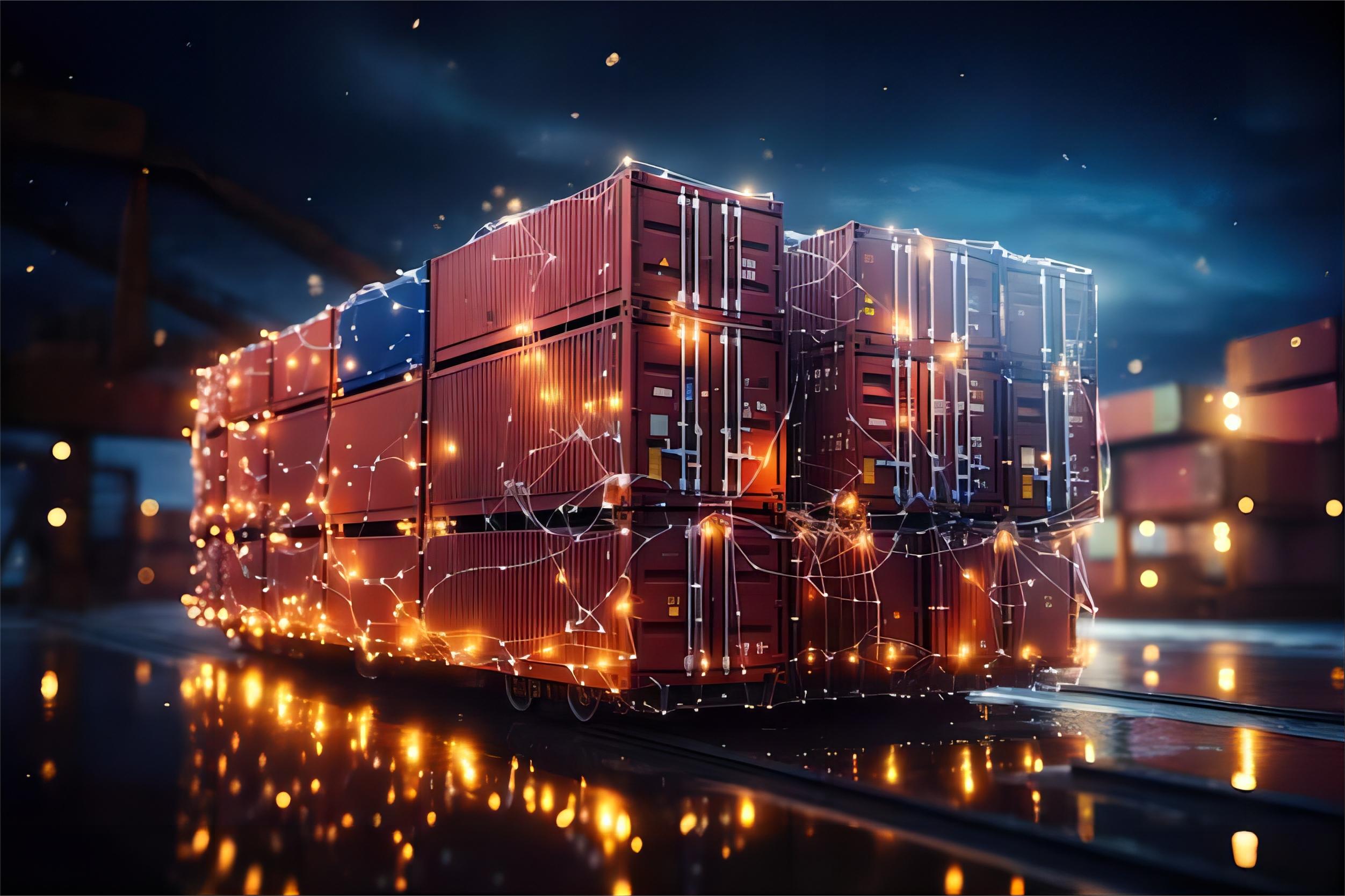
Reliability is a cornerstone of successful international trade between these two major economies. Therefore, selecting a partner who provides consistent schedules and transparent pricing is essential for maintaining your inventory flow. Furthermore, direct routes from major Chinese hubs like Shanghai or Shenzhen to French ports like Le Havre ensure minimal handling and faster transit.
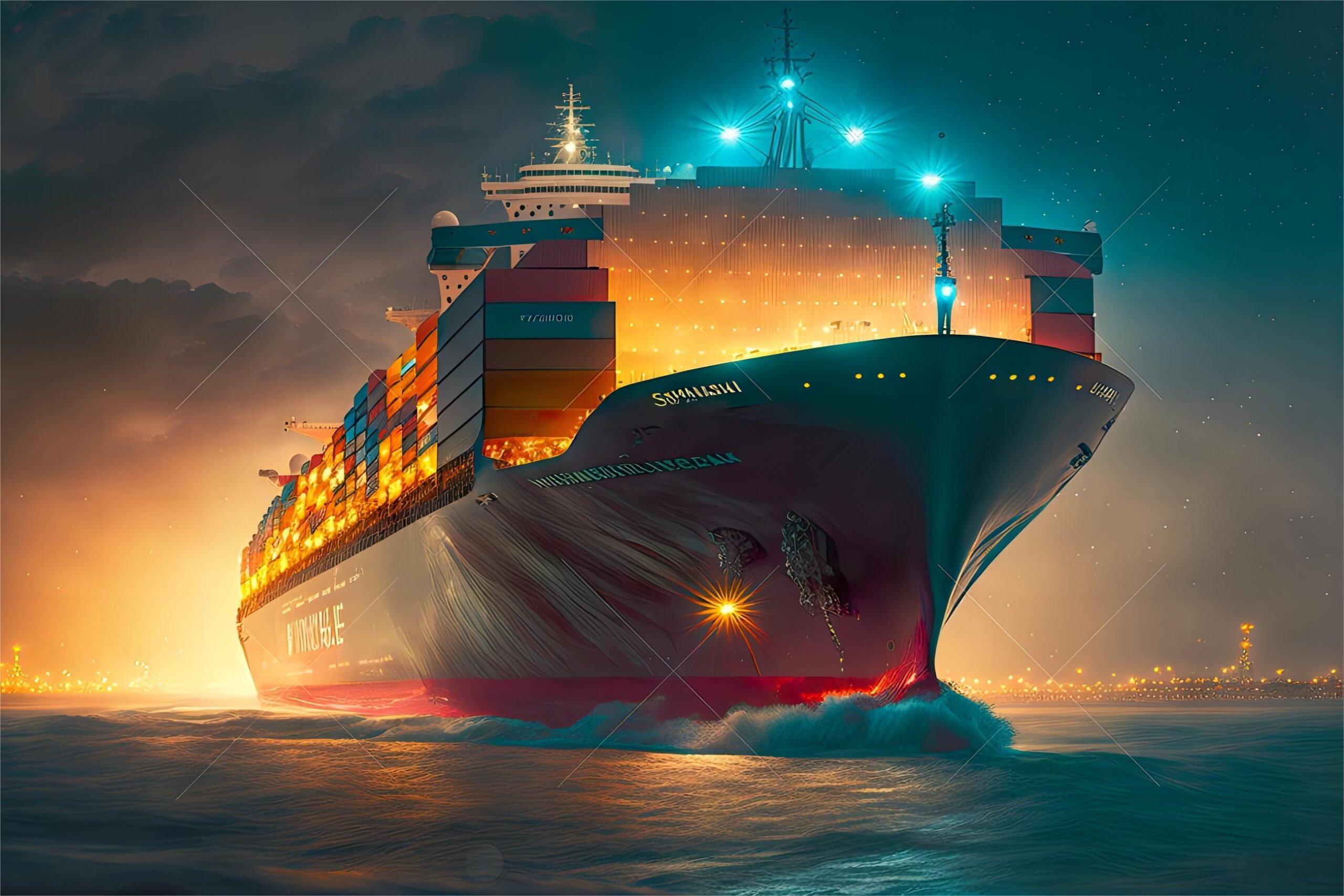
Businesses often find that FCL shipping simplifies the logistics process significantly. Specifically, you gain exclusive use of a 20ft or 40ft container, which allows for easier loading and unloading at your own warehouse. Additionally, this method often results in lower per-unit costs compared to Less than Container Load (LCL) alternatives.
How Does FCL Compare to Other Shipping Options?
Choosing the right shipping method depends on your specific budget, timeline, and cargo volume. While FCL is ideal for large shipments, air freight provides a much faster alternative for urgent inventory needs. However, the cost difference between sea and air transport can be substantial for heavy loads.
Rail freight has also emerged as a viable middle ground for shipments to Europe. Nevertheless, the maritime route remains the dominant choice for the majority of trade between China and France due to its massive capacity. You must evaluate the trade-offs between speed and cost when planning your supply chain strategy.
Hybrid solutions like sea-air or rail-sea combinations can sometimes offer a compromise for specific logistics challenges. For instance, if a shipment is delayed at the factory, switching to a faster mode for the final leg might save your delivery schedule. To summarize, understanding all available options allows you to make an informed decision for every shipment.
| Shipping Method | Cost Range (USD) | Transit Time | Best For |
|---|---|---|---|
| FCL Sea Freight | $2,500 – $4,500 | 30 – 40 Days | Bulk goods, heavy machinery |
| LCL Sea Freight | $150 – $300 per CBM | 35 – 45 Days | Small shipments, samples |
| Air Freight | $5 – $12 per kg | 5 – 8 Days | Urgent, high-value items |
| Rail Freight | $3,000 – $5,500 | 18 – 25 Days | Mid-range speed and cost |
Which Option Should You Choose?
Determining the best logistics path requires a clear analysis of your business priorities. If your primary goal is cost reduction, sea freight is undoubtedly the superior choice for volumes exceeding 15 cubic meters. Conversely, if you are launching a new product and need it in French stores immediately, the speed of air transport justifies the higher expense.
Volume thresholds play a critical role in the FCL vs LCL decision-making process. For example, once your cargo exceeds 13-15 CBM, paying for a full 20GP container often becomes cheaper than paying for individual cubic meters in a shared container. Additionally, FCL provides better protection for fragile items since the container is sealed at the origin and only opened at the destination.
Cargo type considerations also influence the final choice of transport. Heavy equipment and raw materials are naturally suited for the high weight capacity of ocean vessels. On the other hand, perishable goods or high-fashion electronics often require the temperature-controlled and rapid environments provided by specialized air or express services.
Key Shipping Routes and Transit Times
Transit times from China to France vary depending on the specific port of loading and the destination port. Most shipments originate from major hubs like Ningbo, Qingdao, or Guangzhou. Consequently, these ports offer the most frequent departures and competitive rates due to high carrier competition.
French ports such as Le Havre, Fos-sur-Mer (Marseille), and Dunkirk serve as the primary gateways for Chinese imports. Ships traveling through the Suez Canal typically reach Marseille faster than they reach the northern ports. However, Le Havre remains the preferred choice for goods destined for Paris and northern industrial regions.
Weather conditions and seasonal demand can impact these schedules throughout the year. For instance, the peak season from August to October often sees increased port congestion, which might add a few days to the total transit time. Planning ahead and booking your space at least two weeks in advance is highly recommended.
| Origin Port | Destination Port | Avg. Transit (Days) | Route Type |
|---|---|---|---|
| Shanghai | Le Havre | 32 – 35 | Direct |
| Shenzhen | Marseille | 28 – 30 | Direct |
| Ningbo | Le Havre | 33 – 38 | Transshipment |
| Qingdao | Dunkirk | 35 – 40 | Transshipment |
Understanding the Cost of FCL Shipping
Calculating the total cost of trusted FCL shipping from China to France involves more than just the ocean freight rate. You must also account for origin charges, terminal handling fees, and customs brokerage services. Furthermore, local trucking costs in both China and France can fluctuate based on fuel prices and driver availability.
Market conditions significantly influence container pricing from month to month. Indeed, rates can rise during the weeks leading up to the Chinese New Year or during the Q4 holiday rush. Accordingly, many savvy importers negotiate long-term contracts with their forwarders to stabilize their shipping expenses.
Insurance is another vital component of your total landed cost that should never be overlooked. While carriers provide basic liability, it is often insufficient to cover the full value of your cargo in the event of an accident. Therefore, purchasing comprehensive marine insurance provides peace of mind and financial protection for your investment.
Note: Freight rates are subject to change based on fuel costs, carrier capacity, and seasonal demand. Contact us for a current quote tailored to your specific shipment.
Essential Customs Documentation for France
Navigating French customs requires precision and a thorough understanding of EU import regulations. Specifically, you will need a commercial invoice, a detailed packing list, and a Bill of Lading to clear your goods. Without these documents, your shipment could face significant delays and costly demurrage charges at the port.
Import duties and Value Added Tax (VAT) are calculated based on the HS Code classification of your products. Consequently, ensuring your goods are correctly classified is essential for avoiding fines and overpayment. Working with an experienced partner who understands shipping from China to Europe can simplify this complex process.
Certificates of origin may also be required to benefit from specific trade agreements or to comply with French safety standards. For example, electronics must often carry the CE mark to be legally sold within the European market. Always verify the specific requirements for your product category before the container leaves the factory.
Real-World Case Studies for France Shipments
Case Study 1: Electronics from Shenzhen to Le Havre. A French retailer imported 400 units of smart home devices using a 20GP container. The cargo was loaded in Shenzhen and shipped via a major carrier directly to Le Havre. Total ocean freight cost was $2,850 with a sea transit time of 33 days. The key insight was that pre-clearing customs 5 days before arrival saved the client from port storage fees.
Case Study 2: Furniture from Ningbo to Marseille. A boutique furniture store ordered a 40HQ container of custom wooden tables. The shipment faced a minor delay due to port congestion in Singapore during transshipment. Despite this, the total door-to-door transit time was 42 days, and the landed cost remained within the client’s budget of $4,200 for ocean freight. This case highlighted the importance of choosing door to door services to manage the final delivery leg efficiently.
These examples demonstrate that while challenges like transshipment delays can occur, proper planning ensures successful outcomes. Based on Q3 2024 market rates, these costs represent typical ranges for small to medium-sized enterprises. Always consult with your logistics provider to get the most accurate and up-to-date pricing for your specific route.
Mastering Your Logistics from China to France
Achieving success in international trade requires a balance of speed, cost, and reliability. By utilizing trusted FCL shipping from China to France, you can protect your cargo and maintain a steady flow of inventory for your customers. Remember to consider all shipping methods, prepare your documentation carefully, and partner with a professional forwarder to navigate any market fluctuations.
Ultimately, the goal is to create a resilient supply chain that can adapt to changing global conditions. Whether you are shipping electronics, furniture, or industrial machinery, the right strategy will help you grow your business in the competitive French market. Start planning your next shipment today to take advantage of current market opportunities.
Ready to streamline your logistics?
Streamline your supply chain today with trusted FCL shipping from China to France. Our expert team is ready to provide you with a competitive quote and personalized logistics support. Visit our website to request your freight estimate and experience reliable global shipping. Send Inquiry: https://Top China Freight.com/
Request Quote