

Cheap FCL Shipping from China to Spain: The Ultimate Guide
Finding cheap FCL shipping from China to Spain is a top priority for businesses looking to optimize their international trade margins. At Top China Freight, we understand that balancing cost and efficiency is essential for maintaining a competitive edge in the global market. This comprehensive guide explores the most effective ways to secure the best rates while ensuring your cargo reaches Spanish ports safely and on time.
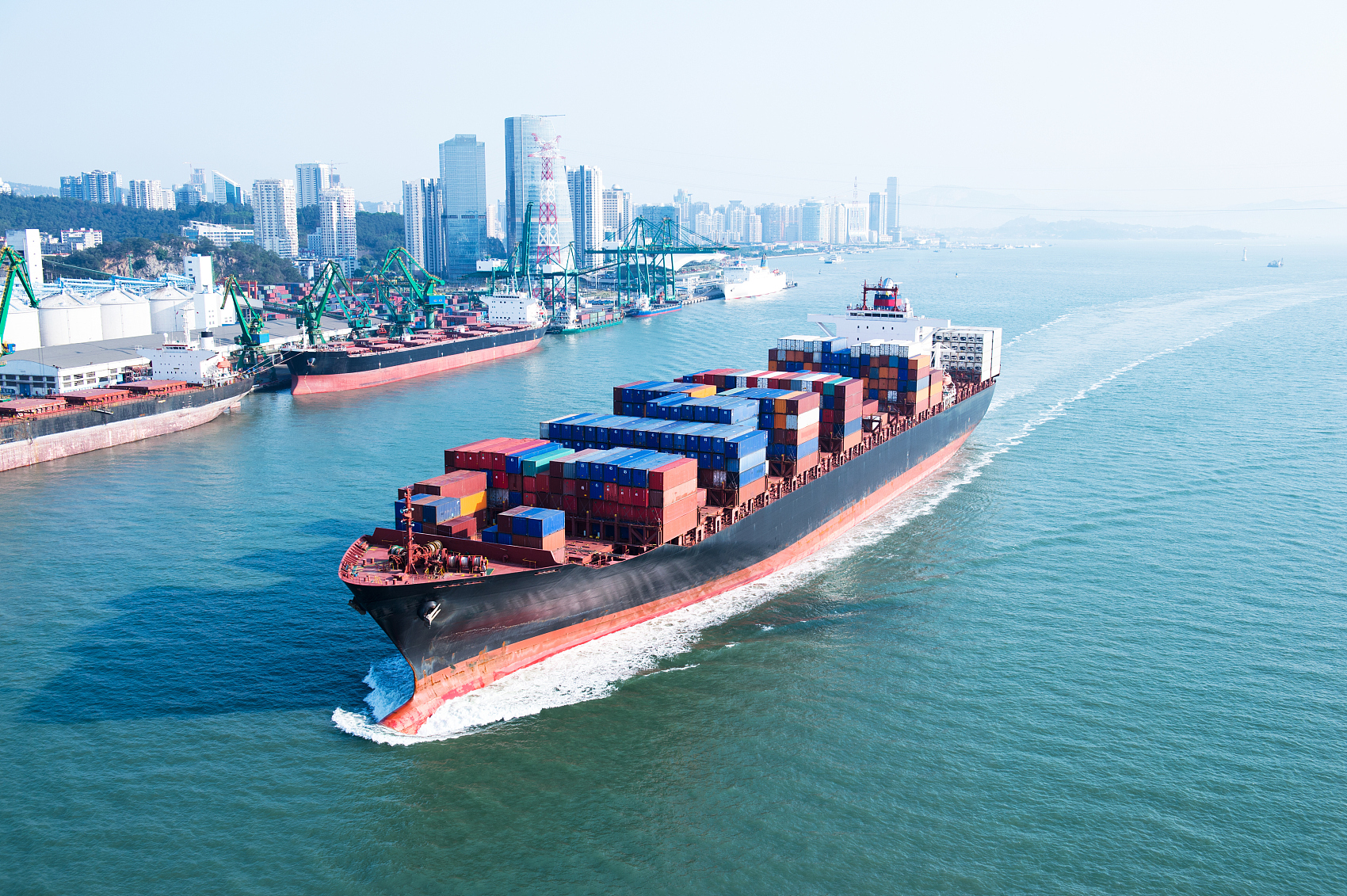
What is FCL Shipping and Why is it Beneficial for Spain Routes?
Full Container Load or FCL refers to a shipping mode where one importer occupies an entire container for their goods. This method is often the most cost-effective choice when you have enough cargo to fill at least sixty percent of a twenty-foot container.

Importers frequently prefer FCL because it offers better security and faster transit times compared to Less than Container Load options. Since the container is sealed at the origin and only opened at the destination, the risk of damage or theft is significantly reduced.

Furthermore, FCL shipments avoid the time-consuming consolidation and deconsolidation processes required for smaller loads. Consequently, your goods move directly from the factory in China to your warehouse in Spain with minimal handling.
Choosing sea freight as your primary transport mode allows you to move large volumes of inventory at a fraction of the cost of air transport. This makes it the ideal solution for heavy or bulky items like machinery, furniture, and electronics.
How Much Does Cheap FCL Shipping from China to Spain Cost?
Shipping costs fluctuate based on several factors, including seasonal demand, fuel prices, and container availability. Generally, a 20GP container from major Chinese ports to Spain might range from 1,800 to 2,500 USD during stable market periods.
Larger 40HQ containers offer better value per cubic meter, typically costing between 3,000 and 4,200 USD. However, these rates can spike during peak seasons such as the months leading up to the Golden Week or the Lunar New Year.
Additionally, you must account for local charges at both the origin and destination ports. These include terminal handling charges, documentation fees, and port security fees which can add several hundred dollars to your total landed cost.
According to industry benchmarks, rates in early 2025 have stabilized compared to the volatility seen in previous years. Nevertheless, it is always wise to obtain a current quote to reflect the most recent market shifts and surcharges.
| Container Type | Capacity (CBM) | Estimated Cost (USD) | Ideal For |
|---|---|---|---|
| 20GP Standard | 33 CBM | $1,800 – $2,500 | Heavy goods like tiles |
| 40GP Standard | 67 CBM | $2,800 – $3,800 | General consumer goods |
| 40HQ High Cube | 76 CBM | $3,000 – $4,200 | Light, bulky items |
| 45HQ Extra Cube | 86 CBM | $4,500 – $5,500 | Very high volume cargo |
How Does FCL Compare to Other Shipping Options?
While FCL is excellent for large shipments, you might consider alternatives depending on your specific timeline and budget requirements. For instance, LCL is better for small volumes, but the price per unit is often higher than FCL.
Air freight is the fastest option but comes with a significantly higher price tag, often ten times more expensive than sea transport. Therefore, air is usually reserved for high-value electronics or urgent medical supplies that cannot wait for a ship.
Alternatively, rail freight provides a middle ground between sea and air. It is faster than the ocean route via the Suez Canal and cheaper than flying, making it a viable alternative for time-sensitive land-locked cargo.
When planning your strategy, evaluate whether a door to door shipping service might save you more money by streamlining the entire logistics chain under one provider.
| Method | Transit Time | Cost Level | Best For |
|---|---|---|---|
| Sea FCL | 30-45 Days | Low | Bulk shipments > 15 CBM |
| Sea LCL | 35-50 Days | Medium | Small shipments < 15 CBM |
| Rail Freight | 18-25 Days | Medium-High | Urgent mid-sized loads |
| Air Freight | 3-7 Days | Very High | Urgent or high-value goods |
Which Option Should You Choose?
Deciding on the best shipping method requires a clear understanding of your business priorities. If your primary goal is to minimize costs and you have a flexible schedule, sea FCL is the undisputed winner.
Budget priority: Recommend Sea FCL. This method provides the lowest cost per unit for large inventories. It is the backbone of the global supply chain for a reason.
Speed priority: Recommend Air or Rail. If you are facing a stock-out in Spain, the higher cost of rail or air is justified by the potential lost sales you avoid.
Cargo type considerations: Heavy machinery should always go via FCL to ensure proper lashing and safety. Fragile items also benefit from the reduced handling inherent in full container shipping.
What Documents are Needed for Customs Clearance in Spain?
Navigating the legal requirements of the European Union is a critical step in your shipping journey. Spain requires specific documentation to ensure that all imported goods comply with local safety and tax regulations.
Working with a professional customs brokerage can prevent costly delays at the port of Valencia or Barcelona. They will ensure that your Commercial Invoice, Packing List, and Bill of Lading are all in perfect order.
Moreover, you must have a valid EORI number to import goods into Spain. Without this identification number, your container will be held at the port, incurring expensive demurrage and detention charges every day.
Indeed, preparing your paperwork in advance is the best way to ensure a smooth transition from the sea to the Spanish road network. Ensure all HS codes are accurate to avoid fines from the Spanish Tax Agency.
| Document | Purpose | Provider | Requirement |
|---|---|---|---|
| Bill of Lading | Title of goods | Carrier | Mandatory |
| Commercial Invoice | Valuation for tax | Shipper | Mandatory |
| Packing List | Details of contents | Shipper | Mandatory |
| EORI Number | EU Customs ID | Importer | Mandatory |
Real Case Studies for China to Spain Routes
Analyzing real-world scenarios helps in understanding the practical application of these shipping strategies. Below are two examples of successful shipments we have managed recently for our clients.
Case Study 1: Shenzhen to Barcelona. A furniture retailer needed to move a 40HQ container of office chairs. By choosing a direct sea route, they minimized transit time to 32 days and kept the total landed cost under 5,000 USD.
Case Study 2: Ningbo to Valencia. An electronics distributor moved 20GP of components. They utilized a transshipment route via Singapore to save 400 USD on freight, although it added 7 days to the total transit time.
These cases demonstrate that flexibility in routing can lead to significant savings. Always discuss different port combinations with your freight forwarder to find the most economical path for your shipping to Europe.
Case Study 1: Furniture Import Success
Route: Shenzhen, China to Barcelona, Spain
Cargo: Office Furniture, 68 CBM, 12,000 kg
Container: 40HQ
Shipping Details: Direct service via COSCO
Cost Breakdown: Ocean Freight $3,400, Origin Charges $450, Destination Charges $600. Total: $4,450.
Timeline: 35 days door-to-door.
Key Insight: Booking 3 weeks in advance secured a rate 15% lower than the market average.
Case Study 2: Industrial Parts via Valencia
Route: Shanghai, China to Valencia, Spain
Cargo: Spare Parts, 25 CBM, 18,000 kg
Container: 20GP
Shipping Details: Transshipment via Port Klang
Cost Breakdown: Ocean Freight $2,100, Customs $300, Local Delivery $400. Total: $2,800.
Timeline: 42 days total.
Key Insight: Choosing a transshipment route saved the client $350 compared to the direct vessel option.
How to Find the Cheapest FCL Rates in 2025?
Securing cheap FCL shipping from China to Spain requires a proactive approach to logistics management. One of the most effective strategies is to consolidate your orders to ensure you are always using the maximum capacity of your containers.
Negotiating with multiple freight forwarders allows you to compare quotes and leverage market competition. Furthermore, try to avoid shipping during peak seasons when carriers impose high surcharges and space is limited.
Another tip is to consider different ports of entry in Spain. While Barcelona and Valencia are the most popular, sometimes routing through Algeciras or Bilbao can offer lower inland transport costs depending on your final destination.
Lastly, always verify the ‘free time’ offered by the carrier. Having extra days of free demurrage and detention can save you thousands of dollars if there are unexpected delays at the Spanish customs office.
Logistics Trends and Market Context for Spain
As of early 2025, the shipping corridor between China and the Mediterranean has seen improved stability. Carriers have introduced more efficient vessels, which has helped in keeping the freight rates relatively predictable for importers.
Environmental regulations in the EU are also influencing shipping costs. The inclusion of maritime transport in the Emissions Trading System means that greener shipping options might become more financially attractive in the long run.
Digitization is another trend transforming the industry. Many platforms now allow for real-time tracking of your FCL container, providing better visibility and allowing for more precise inventory planning.
Note: Freight rates are subject to change based on fuel costs, carrier capacity, and seasonal demand. Contact us for a current quote tailored to your specific shipment.
Final Thoughts on Shipping to Spain
In summary, obtaining cheap FCL shipping from China to Spain is achievable through careful planning and strategic partner selection. By understanding the different container types and monitoring market trends, you can significantly reduce your overhead costs.
Remember to prioritize documentation accuracy and consider alternative routes to find the best balance between speed and price. Whether you are shipping electronics or industrial machinery, FCL remains the most reliable method for large-scale imports.
Top China Freight is here to support your business with expert sea freight services and comprehensive customs support. Let us help you navigate the complexities of international logistics and ensure your goods arrive safely in the Spanish market.
Ready to streamline your logistics?
Are you ready to optimize your supply chain and secure cheap FCL shipping from China to Spain? Contact the experts at Top China Freight today to receive a personalized quote and professional logistics advice for your next shipment. Send Inquiry: https://Top China Freight.com/contact-us/
Request Quote