

Reliable FCL Shipping from China to France: Your Complete 2025 Guide
Managing international logistics requires a partner who understands the nuances of global trade. At Top China Freight, we provide specialized solutions for businesses seeking reliable FCL shipping from China to France. Consequently, this guide will walk you through the essential steps to optimize your supply chain and reduce costs effectively.

What is FCL Shipping and Why Choose it for France?
Full Container Load, or FCL, involves renting an entire shipping container for your exclusive use. This method remains the gold standard for importing goods from China to France because it offers superior security and efficiency. Moreover, you do not have to wait for other shippers to fill the container, which significantly speeds up the departure process.
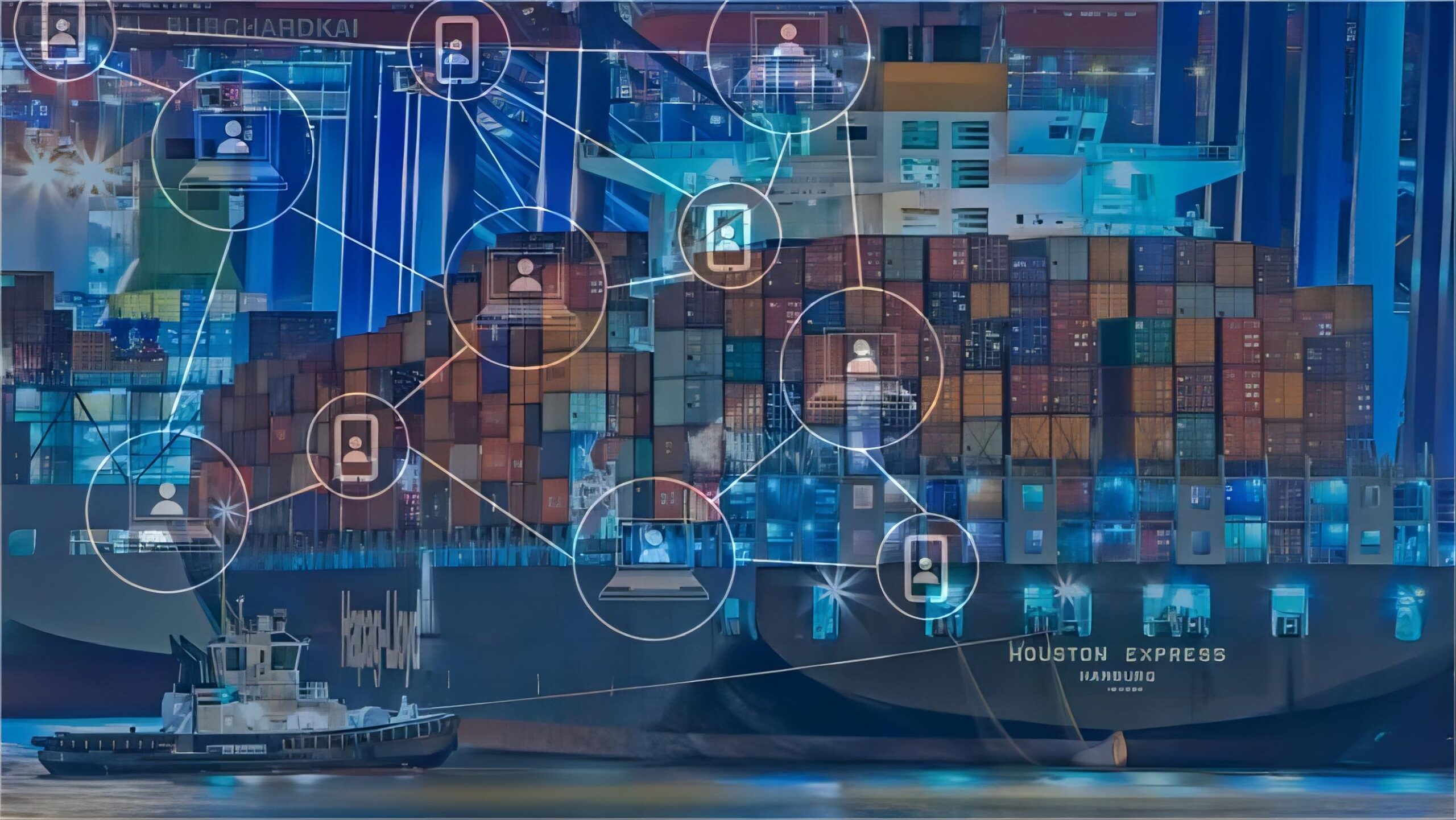
Choosing FCL allows you to minimize handling risks during the journey. Because the container is sealed at the origin and only opened at the destination, the chance of damage or theft decreases substantially. Furthermore, FCL ocean freight rates are often more cost-effective per unit when you are moving large volumes of goods.

French businesses often prefer this method for high-value electronics, furniture, and industrial machinery. Indeed, the dedicated space ensures that your cargo remains undisturbed throughout its long journey across the ocean. Additionally, you gain more control over the loading and unloading schedule compared to shared container options.
How Does FCL Shipping Compare to Other Shipping Options?
Evaluating different transport modes is vital for maintaining a competitive edge in the French market. While sea freight is the most popular choice for bulk items, it is not the only option available. For instance, air freight offers unmatched speed but comes with a much higher price tag.
Rail freight serves as a middle ground for those shipping to inland France or northern regions. It provides a faster transit time than the ocean while remaining cheaper than air transport. Nevertheless, sea freight remains the most reliable FCL shipping from China to France for heavy or oversized commodities.
Comparing these methods helps you balance your budget against your delivery deadlines. To summarize, the choice depends on your specific cargo type, volume, and how quickly you need the inventory in your warehouse.
| Shipping Method | Cost Range | Transit Time | Best For | Limitations |
|---|---|---|---|---|
| FCL Sea Freight | $2,000 – $4,500 | 30 – 40 Days | Bulk Cargo | Slower Speed |
| LCL Sea Freight | $50 – $150/CBM | 35 – 45 Days | Small Shipments | Higher Handling |
| Rail Freight | $3,500 – $6,000 | 18 – 25 Days | Mid-size Goods | Limited Routes |
| Air Freight | $5.00 – $9.00/kg | 3 – 7 Days | Urgent Items | High Expense |
Which Option Should You Choose? Decision Framework
Selecting the right shipping strategy requires a clear understanding of your business priorities. If your primary goal is cost reduction, sea freight is almost always the winner for shipments exceeding 15 cubic meters. On the other hand, if you are launching a new product and need it in Paris immediately, air freight might justify the cost.
Consider the volume thresholds when switching between LCL and FCL. Generally, once your shipment reaches 13 to 15 cubic meters, booking a full 20ft container becomes more economical than paying for individual space. Accordingly, you should calculate the total landed cost before making a final booking.
Hybrid solutions like sea-air or rail freight can also be effective during peak seasons. These alternatives provide a buffer when ocean ports are congested or when container shortages drive up sea rates. Without a doubt, a diversified logistics strategy protects your supply chain from unexpected disruptions.
Key Ports for FCL Shipping from China to France
China boasts several major ports that handle the majority of exports to Europe. Shanghai, Ningbo, and Shenzhen are the primary hubs for French-bound cargo. Specifically, Shenzhen is the go-to port for electronics and consumer goods manufactured in the Pearl River Delta.
France utilizes two main maritime gateways: Le Havre in the north and Marseille (Fos-sur-Mer) in the south. Shipping container from China to Le Havre is ideal for goods destined for Paris or northern industrial zones. Conversely, Marseille serves as the primary entry point for the Mediterranean region and southern France.
Choosing the right port of discharge can significantly impact your inland transportation costs. For example, if your warehouse is in Lyon, Marseille might offer a shorter truck or rail connection. Therefore, you should always coordinate with your freight forwarder to select the most efficient route.
| Origin (China) | Destination (France) | Est. Sea Transit | Frequency |
|---|---|---|---|
| Shanghai | Le Havre | 32 – 35 Days | Daily |
| Shenzhen | Marseille | 28 – 32 Days | 3x Weekly |
| Ningbo | Le Havre | 33 – 36 Days | Daily |
| Qingdao | Fos-sur-Mer | 35 – 40 Days | Weekly |
Understanding FCL Shipping Costs and Pricing Factors
Freight rates are highly volatile and depend on several market variables. Factors such as fuel surcharges, seasonal demand, and carrier capacity play a massive role in your final quote. During the peak season from August to October, rates typically increase by 15% to 25% due to high demand for holiday inventory.
Container types also dictate the price you pay. A standard 20ft container is suitable for heavy machinery, while a 40ft High Cube container is better for voluminous, lighter goods like textiles. As of early 2025, market data suggests that rates have stabilized compared to the volatility seen in previous years.
Note: Freight rates are subject to change based on fuel costs, carrier capacity, and seasonal demand. Contact us for a current quote tailored to your specific shipment.
| Container Type | Avg. Rate (Low) | Avg. Rate (High) | Capacity (CBM) |
|---|---|---|---|
| 20GP (Standard) | $1,900 | $2,600 | 33 CBM |
| 40GP (Standard) | $3,000 | $3,900 | 67 CBM |
| 40HQ (High Cube) | $3,200 | $4,300 | 76 CBM |
Required Documentation for Importing into France
Navigating French customs requires meticulous attention to detail and accurate paperwork. The most critical document is the Bill of Lading, which serves as the contract between the shipper and the carrier. Additionally, a commercial invoice and a packing list are mandatory for every shipment entering the European Union.
You must also provide a Certificate of Origin to determine if any preferential trade agreements apply. For certain products, such as electronics or toys, CE marking documentation is essential to prove compliance with EU safety standards. Consequently, failing to provide these documents can lead to expensive delays at the port.
Utilizing a professional customs brokerage service can streamline this complex process. They ensure that your EORI number is valid and that customs clearance Marseille or Le Havre proceeds without hitches. Indeed, expert guidance is the best way to avoid fines and ensure a smooth delivery.
Real-World Case Studies: China to France FCL Shipments
Case Study 1: Electronics from Shenzhen to Le Havre. Route: Shenzhen, China to Le Havre, France. Cargo: Consumer electronics, 65 CBM. Container: 40HQ. Shipping Details: Major carrier, Direct route. Cost Breakdown: Ocean Freight $3,400, Origin Charges $450, Destination Charges $550, Total Landed Cost $4,400. Timeline: Booking to Loading 4 days, Sea Transit 31 days, Customs 2 days, Total Door-to-Door 37 days. Key Insight: Direct routing saved 5 days compared to transshipment options.
Case Study 2: Furniture from Ningbo to Marseille. Route: Ningbo, China to Marseille, France. Cargo: Wooden furniture, 28 CBM. Container: 20GP. Shipping Details: Transshipment via Singapore. Cost Breakdown: Ocean Freight $2,100, Origin Charges $400, Destination Charges $500, Total Landed Cost $3,000. Timeline: Booking to Loading 5 days, Sea Transit 34 days, Customs 3 days, Total Door-to-Door 42 days. Key Insight: Using door to door service simplified the final mile delivery to the warehouse in Lyon.
Cost-Saving Strategies for Your FCL Shipments
Reducing your logistics spend starts with smart planning and container optimization. Whenever possible, try to fill your container to its maximum capacity to lower the cost per unit. Furthermore, booking your shipment at least 3 to 4 weeks in advance can help you secure lower rates before the space fills up.
Negotiating with multiple carriers or using a freight forwarder with high volume contracts can also yield significant savings. Sometimes, opting for a slightly longer transit time with a transshipment route can reduce your ocean freight bill by 10%. Meanwhile, staying informed about market trends allows you to time your shipments during off-peak periods.
Avoiding demurrage and detention charges is another critical way to save money. Ensure that your warehouse is ready to receive the cargo and that your documentation is perfect to avoid port storage fees. Ultimately, efficiency in the planning stage translates directly into better profit margins for your business.
Final Thoughts on FCL Shipping to France
Reliable FCL shipping from China to France is the backbone of successful international trade for many French enterprises. By understanding the costs, transit times, and documentation requirements, you can make informed decisions that benefit your bottom line. Moreover, choosing the right port and shipping method ensures your goods arrive safely and on schedule.
Partnering with an experienced freight forwarder simplifies the complexities of global logistics. Whether you are shipping to Le Havre or Marseille, having expert support for customs and inland transport is invaluable. Start planning your next shipment today to take advantage of current market rates and efficient routing options.
Ready to streamline your logistics?
Ready to streamline your supply chain with reliable FCL shipping from China to France? Contact Top China Freight today for a customized quote and expert logistics support. Visit our website to start your inquiry now.
Request Quote