

Fast Door to Door Delivery from China to Canada: The Complete Guide
Securing fast door to door delivery from China to Canada is the top priority for businesses aiming to maintain a competitive edge in today’s global market. Navigating the complexities of international logistics requires a partner like Top China Freight to ensure your goods arrive safely and on time. This comprehensive guide explores the best shipping methods, cost-saving strategies, and customs procedures to streamline your import process from China to the Canadian market.
What is Fast Door to Door Delivery from China to Canada?
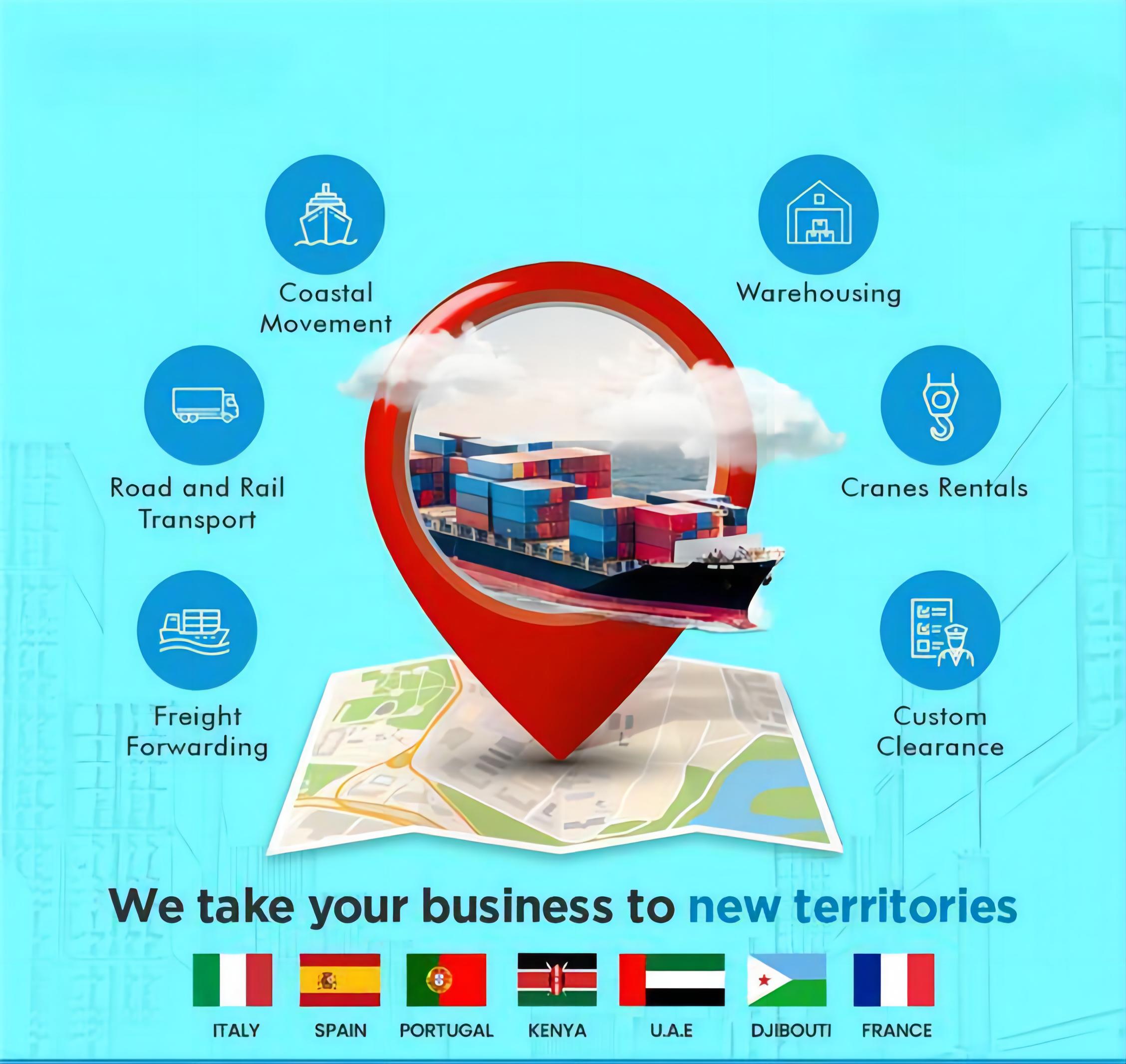
Fast door to door delivery refers to a comprehensive logistics service where the freight forwarder handles every step of the journey. Specifically, the provider picks up the goods from the supplier in China and delivers them directly to the final destination in Canada. This service eliminates the need for the importer to manage multiple intermediaries or handle complex port logistics.
Moreover, this method significantly reduces the risk of delays by providing a seamless transition between various transport modes. Consequently, businesses can focus on their core operations while the logistics provider manages the intricate details of international shipping. Indeed, the convenience of a single point of contact makes this the preferred choice for many growing enterprises.

Furthermore, choosing a specialized door to door service ensures that all costs are calculated upfront. This transparency helps in budgeting and prevents unexpected expenses that often arise during the customs clearance or local trucking phases. Therefore, it is the most reliable way to manage a predictable supply chain.
How to Choose the Right Shipping Method for Canada?
Selecting the appropriate shipping method depends heavily on your budget, cargo volume, and required delivery speed. While some businesses prioritize cost, others require the fastest possible transit times to meet customer demand. For instance, high-value electronics often require the speed of air transport, whereas bulk furniture is better suited for ocean routes.
Additionally, you must consider the nature of your goods and their sensitivity to transit times. For example, seasonal products or inventory for a specific marketing campaign might require an expedited service. On the other hand, stable inventory items can be planned months in advance to take advantage of lower sea freight rates.
Meanwhile, understanding the differences between air, sea, and express options is crucial for making an informed decision. Each method has unique advantages and limitations that will impact your overall landed cost and delivery schedule.
| Method | Transit Time | Cost Level | Best For |
|---|---|---|---|
| Express Service | 3-7 Days | Highest | Urgent, Small Parcels |
| Air Freight | 5-10 Days | High | High-value, Mid-size |
| Sea Freight (FCL) | 20-35 Days | Low | Large Volume, Bulky |
| Sea Freight (LCL) | 25-40 Days | Medium-Low | Small-Mid Volume |
Why Air Freight is Essential for Fast Door to Door Delivery?
Air freight remains the gold standard for speed when shipping across the Pacific Ocean. Typically, air freight can move goods from major Chinese hubs like Shenzhen or Shanghai to Canadian cities like Vancouver or Toronto in less than a week. This speed is vital for businesses that need to restock quickly or handle time-sensitive contracts.
Moreover, air transport offers enhanced security for high-value items compared to other methods. Because the transit time is shorter, there is less opportunity for cargo handling errors or theft during the journey. Consequently, insurance premiums for air shipments are often lower than those for sea shipments.
Additionally, the frequency of flights between China and Canada ensures that your cargo is never stuck waiting for a departure for long. Major carriers operate daily flights, providing the flexibility needed to manage tight delivery schedules. Without a doubt, this reliability makes air freight a cornerstone of fast door to door delivery.
When to Use Express Service for Urgent Shipments?
Using an express service is the most efficient way to handle small, urgent shipments. This method utilizes the networks of global carriers like DHL, FedEx, or UPS to move goods with minimal administrative friction. For example, documents, samples, or small replacement parts are ideal candidates for express shipping.
Furthermore, express services usually include customs clearance as part of the standard package. This means the carrier handles the paperwork and pays duties on your behalf, which are then billed back to you. As a result, the process is incredibly streamlined for the importer.
However, the cost per kilogram for express shipping is the highest among all logistics options. Therefore, it is best reserved for shipments where speed is more valuable than the shipping cost itself. Indeed, for many e-commerce sellers, express delivery is the only way to meet modern consumer expectations for fast shipping.
How Does Fast Door to Door Delivery Compare to Other Shipping Options?
Evaluating the trade-offs between different logistics strategies is essential for optimizing your supply chain. While door to door service offers maximum convenience, other options like port-to-port or door-to-port might seem cheaper at first glance. However, these alternatives often hide costs related to local handling, storage, and independent trucking in Canada.
For instance, sea freight is significantly more economical for large volumes but lacks the speed of air-based solutions. While sea freight costs $2,500-3,800 for a 40HQ container, air freight for the same volume would cost $15,000-25,000 but arrives in 5-7 days instead of 30-40 days. Consequently, the choice depends on whether your priority is capital efficiency or time-to-market.
In addition, hybrid solutions like sea-air combinations are emerging as a middle ground. These involve shipping by sea to a hub like Dubai or Los Angeles and then flying the goods to the final destination. This strategy can save 30-50% compared to pure air freight while still being twice as fast as traditional sea freight.
| Strategy | Cost Range | Transit Time | Limitations |
|---|---|---|---|
| Standard Sea | $1,500-$4,500 | 25-45 Days | Slow, Port Congestion |
| Expedited Sea | $3,000-$6,000 | 15-22 Days | Limited Port Options |
| Standard Air | $5.00-$9.00/kg | 5-10 Days | High Cost, Size Limits |
| Express | $8.00-$15.00/kg | 3-5 Days | Very Expensive for Bulk |
Which Option Should You Choose? A Decision Framework
Determining the best shipping path requires a clear understanding of your business goals. If your primary concern is the lowest possible shipping costs, then sea freight is the logical choice for shipments over 100 kilograms. Specifically, Full Container Load (FCL) shipping offers the best value for large volumes.
On the other hand, if speed is your priority to avoid stockouts, you should recommend air or express options. For shipments under 15 CBM, LCL at $80-150/CBM may be more economical than a full container but takes longer to consolidate. Therefore, you must weigh the volume thresholds against your required delivery date.
Additionally, consider the cargo type when making your decision. Perishable goods or high-tech equipment require specialized handling and fast transit times that only air freight can provide. Conversely, durable consumer goods with long shelf lives are perfect candidates for the cost savings of ocean transport.
Understanding the Role of Customs Brokerage in Canada
Navigating the Canadian Border Services Agency (CBSA) requirements is often the most challenging part of the delivery process. Therefore, employing a professional customs brokerage service is vital for avoiding costly delays and fines. A broker ensures that all documentation, such as the Commercial Invoice and Packing List, is accurate and compliant with Canadian law.
Moreover, customs brokers help identify the correct HS codes for your products, which determines the amount of duty you must pay. Incorrect classification can lead to overpayment or legal issues with the Canadian government. Consequently, their expertise is an investment in both speed and compliance.
Indeed, many fast door to door delivery services integrate brokerage into their package to ensure a smooth transition through the border. This proactive approach allows for pre-clearance, where the paperwork is processed while the goods are still in transit. As a result, the shipment can be released immediately upon arrival at the Canadian port or airport.
Real-World Case Studies of China to Canada Shipping
Analyzing real-world examples provides valuable insight into the costs and timelines associated with different shipping methods. These case studies reflect the market conditions of early 2025 and demonstrate how strategic planning leads to successful outcomes. Each scenario highlights a different approach to meeting specific business needs.
Case Study 1: Electronics from Shenzhen to Toronto. A tech startup required 500kg of high-end sensors for a product launch. They chose Air Express to ensure the goods arrived within 5 days. The total landed cost was $4,850, including duties. This allowed them to meet their launch deadline without delay.
Case Study 2: Furniture from Ningbo to Vancouver. A retail chain imported 20 CBM of home decor using LCL Sea Freight. The shipment took 28 days from port to door. By choosing sea freight, they kept their shipping costs down to $2,100, maintaining healthy profit margins for their seasonal collection.
Case Study 3: Industrial Equipment from Shanghai to Montreal. A manufacturing plant imported a full 20GP container of machinery parts. They used FCL Sea Freight with a direct route to avoid transshipment delays. The total door-to-door time was 35 days, and the cost was $3,900. Strategic planning ensured the parts arrived just in time for a scheduled facility upgrade.
Market Trends and 2025 Logistics Outlook
Keeping an eye on current market trends is essential for any business importing from China. As of early 2025, freight rates from China to North America have stabilized after previous global disruptions. However, seasonal peaks still influence pricing and capacity, especially during the lead-up to the Lunar New Year and the Q4 holiday season.
Furthermore, environmental regulations are beginning to impact shipping costs as carriers invest in greener technologies. While this may lead to slight increases in fuel surcharges, it also promotes a more sustainable supply chain. Consequently, businesses should expect a gradual shift toward more eco-friendly logistics options over the next few years.
Additionally, the integration of AI and real-time tracking has improved the transparency of door to door delivery. Importers can now monitor their shipments with precision, allowing for better inventory management and customer communication. Therefore, the future of China-Canada logistics is one of increased efficiency and data-driven decision-making.
Final Thoughts on Fast Door to Door Delivery
Mastering the logistics of fast door to door delivery from China to Canada is a powerful way to grow your business. By understanding the various shipping methods, from air express to sea freight, you can make strategic choices that balance cost and speed. Moreover, partnering with a reliable freight forwarder ensures that your customs clearance and local delivery are handled with professional care.
Ultimately, the goal is to create a predictable and efficient supply chain that supports your long-term success. Whether you are shipping small samples or full containers, the right logistics strategy will save you time and money. Start optimizing your imports today to stay ahead in the competitive Canadian market.
Ready to streamline your logistics?
Ready to streamline your supply chain with fast door to door delivery from China to Canada? Contact Top China Freight today to receive a personalized quote and expert logistics advice. Visit https://Top China Freight.com/ to get started with our professional team and ensure your cargo reaches its destination efficiently.
Request Quote