

Cheap Door to Door Delivery from China to Italy: 2025 Shipping Guide
Finding cheap door to door delivery from China to Italy is a top priority for businesses looking to optimize their international supply chain. Navigating the complexities of global logistics requires a reliable partner like Top China Freight to ensure your cargo arrives safely and on time. Consequently, understanding the various shipping methods and cost factors is essential for any importer targeting the Italian market.
What is Cheap Door to Door Delivery from China to Italy?
Door to door delivery simplifies the entire shipping process by handling every step from the supplier in China to the final destination in Italy. Specifically, this service includes pickup, international transit, customs clearance, and last-mile delivery. Indeed, it removes the burden of coordinating multiple logistics providers.
Furthermore, many importers prefer this method because it provides a single point of contact and predictable pricing. Consequently, you can focus on your core business operations while experts manage the movement of your goods across borders. This comprehensive approach is often the most efficient way to manage international trade.

How Does Door to Door Compare to Other Shipping Options?
When evaluating cheap door to door delivery from China to Italy, it is vital to compare it against Port-to-Port or Door-to-Port alternatives. While Port-to-Port might appear cheaper initially, it often involves hidden costs at the destination. For instance, you must arrange your own Italian customs clearance and local trucking.
Moreover, a full door-to-door service often provides better overall value by consolidating fees and reducing the risk of delays. Additionally, hybrid solutions like Sea-Air or Rail-Sea are becoming popular for balancing speed and cost. To summarize, the convenience of a managed service usually outweighs the slight premium over fragmented shipping methods.
Market data suggests that door-to-door services can save up to 15 percent in total landed costs by avoiding local agent markups. However, for very large industrial shipments, Port-to-Port might still be preferred by companies with in-house logistics teams. Therefore, your choice depends heavily on your internal resources and cargo volume.
| Sea Freight (LCL/FCL) | $1,800 – $4,200 | 30 – 45 Days | Bulk & Heavy Goods |
| Air Freight | $5.00 – $9.00/kg | 5 – 9 Days | High Value & Urgent |
| Rail Freight | $2,200 – $3,500 | 18 – 25 Days | Mid-range Budget |
| Express Service | $8.00 – $15.00/kg | 3 – 5 Days | Small Parcels |
Which Shipping Method Offers the Best Value?
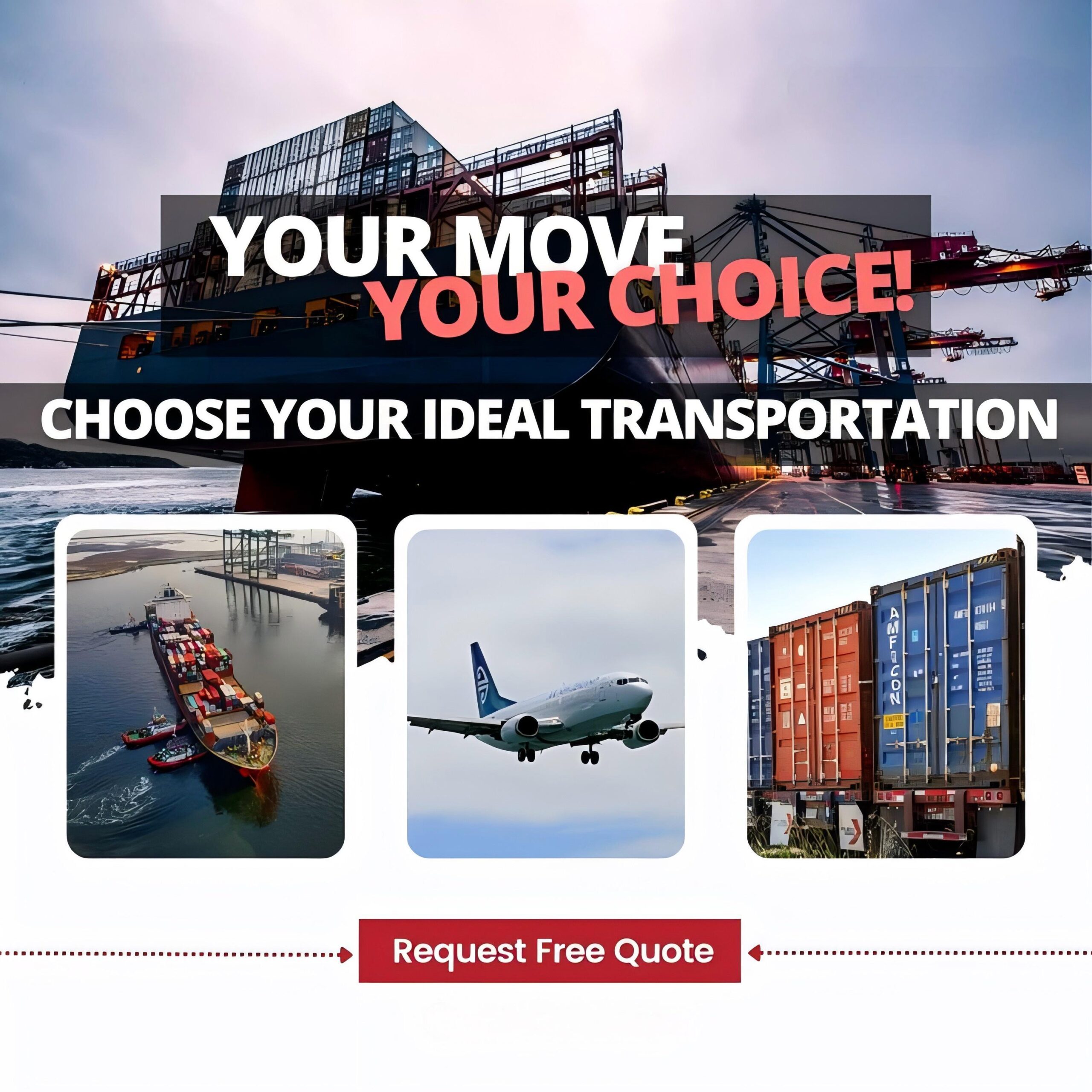
Selecting the right transportation mode is the most significant factor in securing sea freight for your large volume shipments. This method remains the most economical choice for bulky items or large quantities that are not time-sensitive. Nevertheless, transit times are the longest among all available options.
On the other hand, air freight provides the fastest delivery for urgent cargo or high-value electronics. While the cost per kilogram is significantly higher, the reduced inventory holding costs can sometimes justify the expense. Additionally, air transport is generally safer for fragile items due to less handling.
For those seeking a middle ground, rail freight offers a compelling balance between speed and cost. It is faster than sea freight and much cheaper than air freight, making it ideal for the fashion and automotive industries. In contrast, express services are best reserved for documents or very small samples.
Understanding the Costs of Door to Door Delivery
The total price for cheap door to door delivery from China to Italy is influenced by several variables including weight, volume, and service level. For example, fuel surcharges and seasonal demand can cause rates to fluctuate by 20 percent or more. Additionally, the specific cities of origin and destination within China and Italy play a role.
Moreover, customs duties and VAT in Italy must be calculated accurately to avoid unexpected expenses at the border. Indeed, working with a professional who understands customs brokerage is essential for a smooth experience. Consequently, always request a detailed quote that includes all potential surcharges.
| Shenzhen | Milan | Air Freight | 5-7 Days |
| Shanghai | Genoa | Sea Freight | 32-38 Days |
| Ningbo | Rome | Rail Freight | 22-26 Days |
| Guangzhou | Naples | Sea Freight | 35-42 Days |
Case Study 1: Electronics from Shenzhen to Milan
Route: Shenzhen, China to Milan, Italy. Cargo: Consumer Electronics, 2.5 CBM, 450 kg. Method: Air Freight Door-to-Door. Ocean Freight: Not Applicable. Origin Charges: $150. Destination Charges: $220. Customs and Duties: $1,100. Total Landed Cost: $4,850. Timeline: 8 days total. Key Insight: Choosing air freight allowed the client to meet a product launch deadline despite a production delay in China.
Case Study 2: Furniture from Ningbo to Rome
Route: Ningbo, China to Rome, Italy. Cargo: Home Furniture, 28 CBM. Container: 20GP. Method: Sea Freight FCL. Ocean Freight: $2,100. Origin Charges: $350. Destination Charges: $450. Customs and Duties: $800. Total Landed Cost: $3,700. Timeline: 42 days total. Key Insight: Using a 20GP container was more cost-effective than LCL for this volume, and early booking secured a lower rate during the peak season.
How to Reduce Your Shipping Expenses to Italy?
To achieve cheap door to door delivery from China to Italy, you should consider consolidating smaller shipments into a single larger one. This strategy, known as LCL consolidation, allows you to share container space with other importers. Furthermore, optimizing your packaging to reduce wasted volume can lead to significant savings.
Another effective strategy is to ship during the off-peak season when carriers have more capacity and lower rates. For instance, avoid the weeks leading up to Chinese New Year or the Golden Week holiday. Additionally, choosing a DDP (Delivered Duty Paid) service can provide more price certainty for your landed costs.
Finally, always compare multiple quotes from different freight forwarders to ensure you are getting the market rate. Using express service for only the most critical items while sending the rest via sea can also optimize your budget. In summary, careful planning and flexibility are key to lowering your logistics spend.
Which Option Should You Choose?
If budget is your primary concern and you have a lead time of over 40 days, sea freight is the clear winner. However, if you are shipping high-margin goods that need to be on shelves within two weeks, rail or air freight is necessary. Consequently, your decision should align with your inventory turnover and customer expectations.
For small businesses without a dedicated logistics department, a full door to door service is highly recommended. This option minimizes the risk of errors and ensures that all Italian import regulations are met. Meanwhile, larger enterprises might find more flexibility by managing certain legs of the journey independently.
| Commercial Invoice | Customs | Valuation of goods | High |
| Packing List | Carrier/Customs | Content verification | High |
| Bill of Lading | Carrier | Title to the goods | High |
| Certificate of Origin | Customs | Tariff determination | Medium |
Market Trends for China to Italy Shipping in 2025
As of Q1 2025, freight rates from China to Europe have stabilized after the previous year’s disruptions in the Red Sea. Nevertheless, carriers are still adjusting schedules to account for longer transit times around the Cape of Good Hope. Therefore, it is important to build a buffer into your delivery schedule.
Moreover, the Italian market is seeing an increased demand for sustainable shipping options. Many carriers are now offering carbon-neutral shipping routes, though these may come at a slight premium. Indeed, staying informed about these trends will help you make more strategic decisions for your supply chain.
Final Thoughts on Shipping from China to Italy
Securing cheap door to door delivery from China to Italy is achievable through careful planning and the right choice of transport mode. Whether you choose sea, air, or rail, understanding the total landed cost is vital for maintaining your profit margins. Furthermore, partnering with a reliable freight forwarder can mitigate the risks associated with international shipping.
To summarize, by utilizing the strategies outlined in this guide, you can optimize your supply chain and ensure your goods reach the Italian market efficiently. Always stay updated on market trends and customs regulations to avoid unnecessary delays. Ultimately, the right logistics strategy is a powerful tool for your business growth.
Ready to streamline your logistics?
Contact our expert team today to secure the most competitive rates for cheap door to door delivery from China to Italy. Visit Top China Freight and request your custom quote now to streamline your international logistics. See: https://Top China Freight.com/
Request Quote