

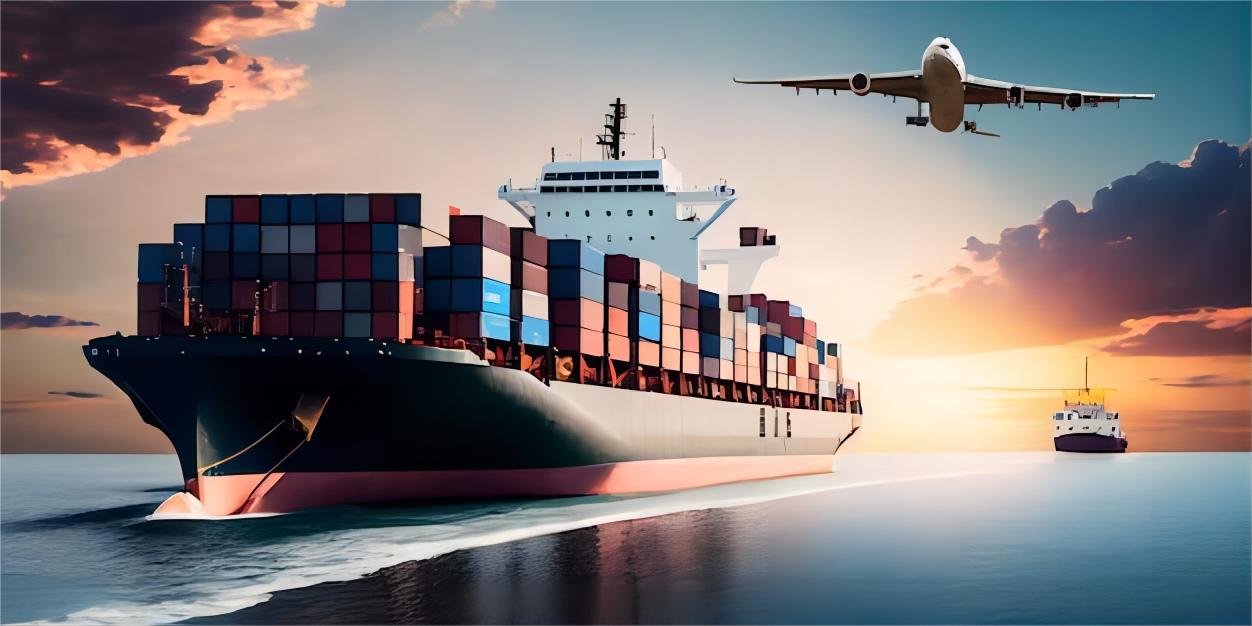
Cheap Door to Door Delivery from China to Netherlands: 2025 Guide
Finding a cheap door to door delivery from China to Netherlands remains a top priority for businesses looking to optimize their European supply chain. Managing international logistics often involves complex hurdles including customs clearance and inland transportation. Top China Freight provides comprehensive solutions that simplify these processes while maintaining competitive pricing for every shipment size.
What Defines Cheap Door to Door Delivery from China to Netherlands?
Economical shipping solutions involve more than just the lowest base rate provided by a carrier. Specifically, a truly cheap door to door delivery from China to Netherlands integrates pickup, international transit, and final mile delivery into a single transparent price. This approach eliminates hidden fees that often surprise importers during the customs process.
Choosing a door-to-door model allows businesses to focus on sales rather than coordinating multiple logistics providers. Consequently, you save time and reduce the risk of communication errors between different agents. Most modern providers now offer Delivered Duty Paid (DDP) terms to further streamline the experience for Dutch buyers.
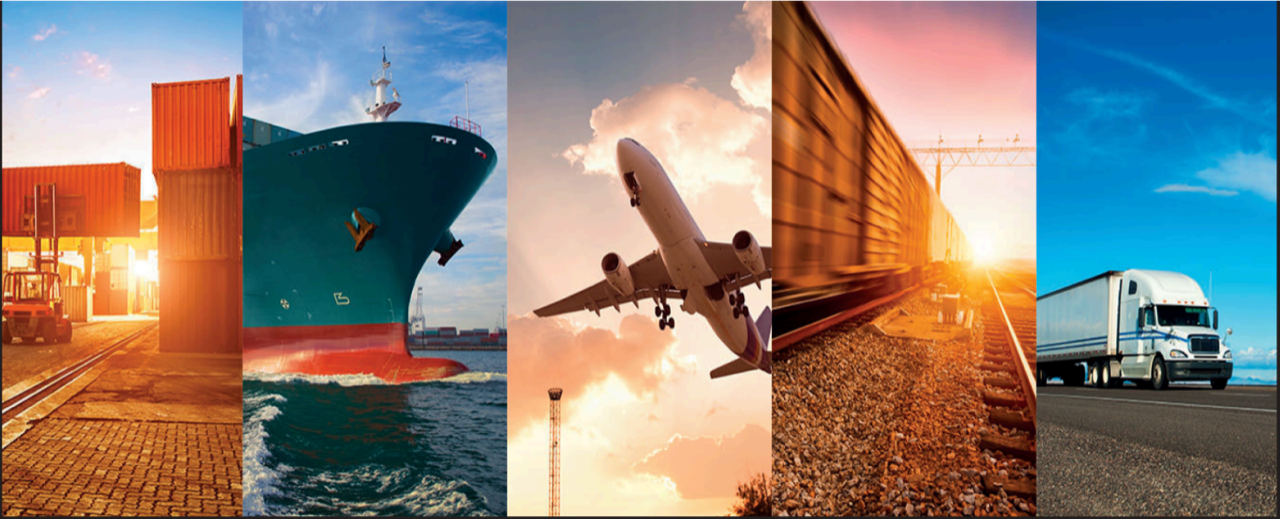
Market trends in 2025 suggest that integrated logistics packages are becoming the standard for small and medium enterprises. Furthermore, these all-in-one services often leverage bulk volume discounts that individual shippers cannot access alone. This volume-based pricing is the secret behind securing the most competitive rates on the market.
Reliability plays a crucial role in determining the actual cost of your shipping strategy. Although a quote might seem low initially, frequent delays can lead to stockouts and lost revenue. Therefore, balancing cost with a dependable delivery schedule is essential for long-term success in the Dutch market.
How Does Door to Door Compare to Other Shipping Options?
Comparing different logistics methods requires a clear understanding of your cargo volume and urgency. For instance, port-to-port shipping might appear cheaper on paper but requires you to handle local trucking and Dutch customs independently. In contrast, door-to-door services manage every step from the factory floor in China to your warehouse in Rotterdam or Amsterdam.
Alternative strategies often involve hybrid models such as sea-air combinations to balance speed and expense. However, for most standard consumer goods, a direct sea or rail route remains the most cost-effective choice. You should evaluate the total landed cost rather than just the ocean freight portion to make an informed decision.
Below is a detailed comparison of the primary shipping methods available for the China to Netherlands route as of early 2025.
| Shipping Method | Cost Range | Transit Time | Best For |
|---|---|---|---|
| Sea Freight (LCL) | $150 – $280 per CBM | 30 – 40 Days | Small bulk shipments |
| Rail Freight | $1.50 – $3.00 per kg | 15 – 22 Days | Medium-sized cargo |
| Air Freight | $4.50 – $7.50 per kg | 3 – 7 Days | High-value goods |
| Express Courier | $6.00 – $9.00 per kg | 2 – 5 Days | Samples and documents |
Which Option Should You Choose for Your Business?
Decision making depends heavily on your specific budget priorities and the nature of your cargo. If your primary goal is to minimize expenditure, sea freight is almost always the superior choice for large volumes. It offers the lowest cost per unit despite the longer transit times across the ocean.
Speed priority dictates a move toward more expensive but faster alternatives. If you are launching a new product or replenishing low stock, air freight ensures your goods arrive in the Netherlands within a week. This prevents the loss of sales that occurs when products are stuck in transit for over a month.
Volume thresholds also dictate the most economical path for your supply chain. For shipments under 100kg, express services are often more practical than sea freight due to minimum billable volumes. Meanwhile, once you exceed 15 CBM, booking a full container becomes significantly more efficient than shipping via less-than-container load (LCL) methods.
The Role of Rail Freight in Modern Logistics
Rail transportation has emerged as a powerful middle ground for shipments moving from China to Europe. By utilizing the New Silk Road, rail freight offers a transit time that is roughly half that of sea freight. This makes it an ideal solution for electronics or seasonal fashion items that cannot wait 40 days.
Costs for rail services have stabilized in 2025, making them highly competitive with premium sea freight options. Additionally, rail is often considered a more environmentally friendly alternative to air transport for eco-conscious Dutch businesses. Many trains arrive directly at major European hubs like Duisburg before being trucked to the Netherlands.
Nevertheless, rail freight is subject to geopolitical stability and infrastructure capacity along the route. You should consult with your logistics partner to ensure the current rail corridors are operating efficiently. When functioning correctly, this method provides a consistent and predictable delivery schedule for your inventory.
When to Use Air Freight for Dutch Imports
Urgency often justifies the higher price tag associated with moving goods through the sky. When you need to fulfill an unexpected surge in demand, express service providers offer the fastest door-to-door links available. These services typically include customs handling, which further accelerates the total lead time.
High-value items like luxury goods or sensitive laboratory equipment benefit from the enhanced security of air transit. Because the time spent in the logistics network is minimized, the risk of damage or theft is significantly lower compared to long sea voyages. Consequently, insurance premiums for air shipments are often lower than those for ocean cargo.
Market data suggests that air freight rates from China to Europe fluctuate based on seasonal peaks like the lead-up to the holidays. To secure a cheap door to door delivery from China to Netherlands via air, booking several weeks in advance is highly recommended. This allows you to avoid the highest spot market rates during periods of intense carrier demand.
Navigating Customs Clearance and Documentation
Successful importation into the Netherlands requires meticulous attention to European Union customs regulations. Utilizing a professional customs brokerage ensures that your HS codes are classified correctly to avoid overpaying duties. Errors in documentation are the leading cause of expensive delays at the Port of Rotterdam.
Dutch customs authorities are known for their efficiency, but they require precise paperwork for every entry. You must provide a commercial invoice, a detailed packing list, and the bill of lading or airway bill. Furthermore, certain products may require specific certifications such as CE marking for electronics or organic certificates for food items.
The following table outlines the essential documents you need to prepare for a smooth delivery process.
| Document Name | Purpose | Required For | Issuer |
|---|---|---|---|
| Commercial Invoice | Valuation of goods | All shipments | Seller/Exporter |
| Packing List | Detail of contents | All shipments | Seller/Exporter |
| Certificate of Origin | Prove source of goods | Duty preferences | Chamber of Commerce |
| Bill of Lading | Title of goods | Sea/Rail freight | Carrier/Forwarder |
Real-World Case Studies for China-Netherlands Routes
Analyzing real-world examples helps importers understand the practical application of different shipping methods. These cases reflect actual market conditions and pricing structures observed in late 2024 and early 2025. By reviewing these scenarios, you can better estimate the potential costs and timelines for your own upcoming projects.
Case Study 1: Electronics from Shenzhen to Amsterdam. Cargo: 500kg of consumer electronics. Method: Air Freight DDP. Total Landed Cost: $3,250. Transit Time: 6 days. Key Insight: Choosing DDP simplified the process for the buyer who had no previous import experience.
Case Study 2: Home Furniture from Ningbo to Rotterdam. Cargo: 12 CBM (LCL). Method: Sea Freight. Ocean Freight: $2,100. Total Landed Cost: $3,450. Transit Time: 38 days. Key Insight: Consolidating multiple items into one LCL shipment saved the client 30% compared to individual air shipments.
Case Study 3: Industrial Parts from Chengdu to Tilburg. Cargo: 2,000kg. Method: Rail Freight. Total Landed Cost: $4,800. Transit Time: 20 days. Key Insight: Rail provided the perfect balance for heavy items that were too expensive for air but too urgent for sea.
Cost-Saving Strategies for International Shipping
Reducing your logistics spend requires a proactive approach to supply chain management. One effective strategy is to optimize your packaging to reduce the volumetric weight of your cargo. Since many carriers charge based on the space occupied rather than actual weight, compact packaging can lead to substantial savings.
Consolidating shipments from multiple suppliers into a single container is another way to achieve a cheap door to door delivery from China to Netherlands. Instead of paying for several small LCL shipments, you can fill a 20GP container to lower the per-unit cost. This strategy is particularly effective for businesses with a diverse supplier base in regions like Guangdong or Zhejiang.
Negotiating long-term contracts with a reliable freight forwarder can also shield you from the volatility of spot market rates. While spot rates can drop, they can also spike suddenly due to fuel costs or port congestion. Therefore, having a fixed rate agreement provides budget certainty and allows for more accurate financial planning.
Final Thoughts on Shipping to the Netherlands
Securing a cheap door to door delivery from China to Netherlands is entirely achievable with the right strategy and partner. By understanding the differences between sea, air, and rail freight, you can choose the method that best aligns with your business goals. Remember that the cheapest option is the one that balances cost, speed, and reliability without hidden surprises.
As global trade continues to evolve, staying informed about logistics trends and customs requirements will remain vital. Whether you are shipping small parcels or full containers, prioritizing clear communication and accurate documentation will ensure your goods reach the Dutch market efficiently. Start optimizing your shipping routes today to gain a competitive edge in the European landscape.
Ready to streamline your logistics?
Streamline your supply chain today with the most competitive rates on the market. Contact Top China Freight to receive a customized quote for cheap door to door delivery from China to Netherlands and experience hassle-free logistics. Visit our website to Send Inquiry and start saving on your next shipment.
Request Quote