

Trusted Door to Door Delivery from China to Netherlands: A Complete Guide
Securing trusted door to door delivery from China to Netherlands is a critical component for businesses looking to optimize their international supply chain. Many importers face challenges with complex logistics regulations and fluctuating freight rates in the current global market. This comprehensive guide provides the necessary insights to navigate these hurdles and ensure your cargo reaches its destination efficiently.
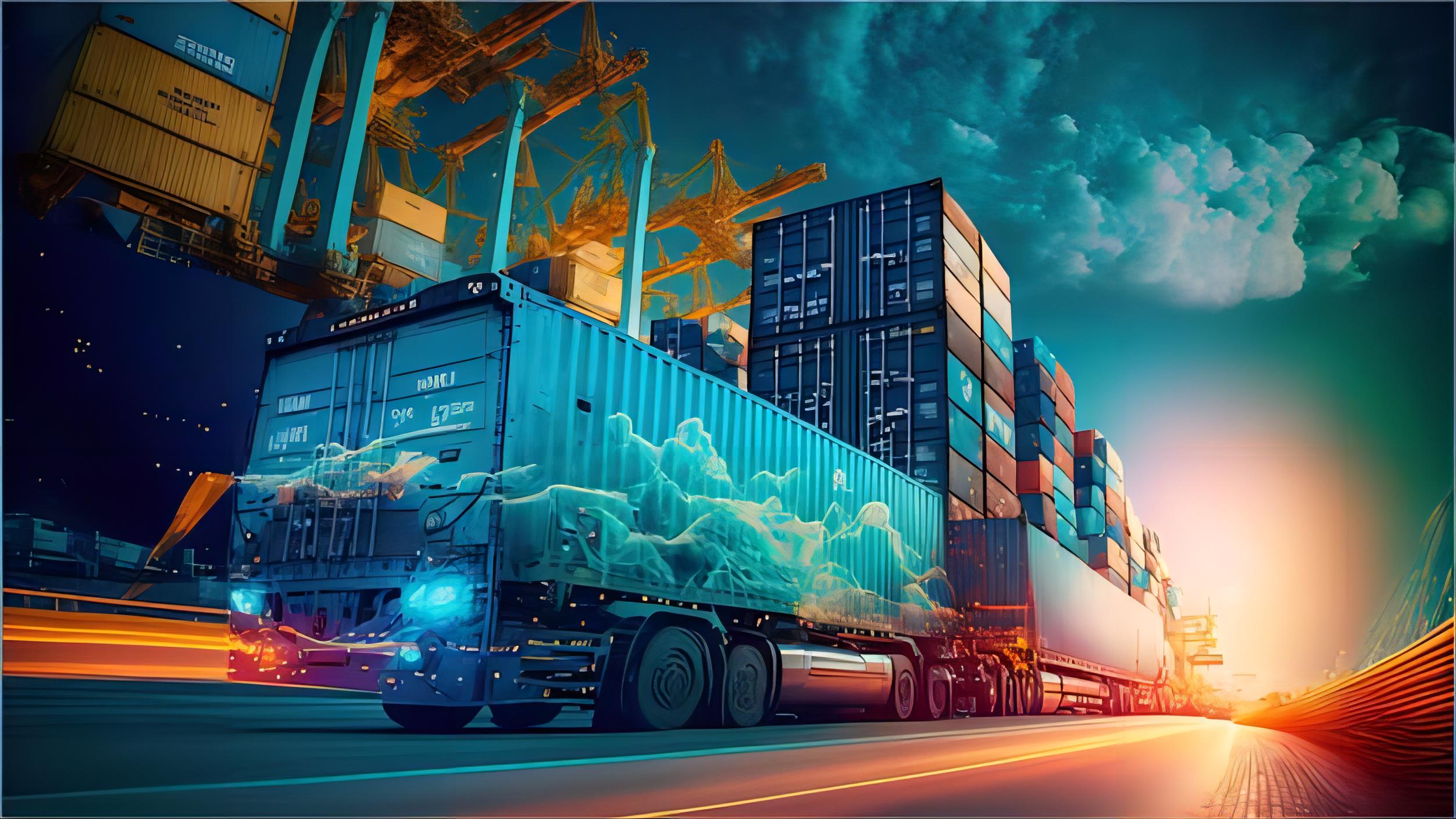
Why Choose Trusted Door to Door Delivery from China to Netherlands?
Choosing a reliable logistics partner simplifies the entire importation process by providing a single point of contact. This method covers everything from the initial pickup at the factory in China to the final drop-off at your warehouse in the Netherlands. Consequently, you avoid the headache of coordinating with multiple carriers and local trucking companies.

Moreover, a professional door to door service ensures that all handling is managed by experts who understand the nuances of international trade. This level of oversight significantly reduces the risk of delays and unexpected costs. Furthermore, it provides peace of mind through end-to-end visibility of your shipment.
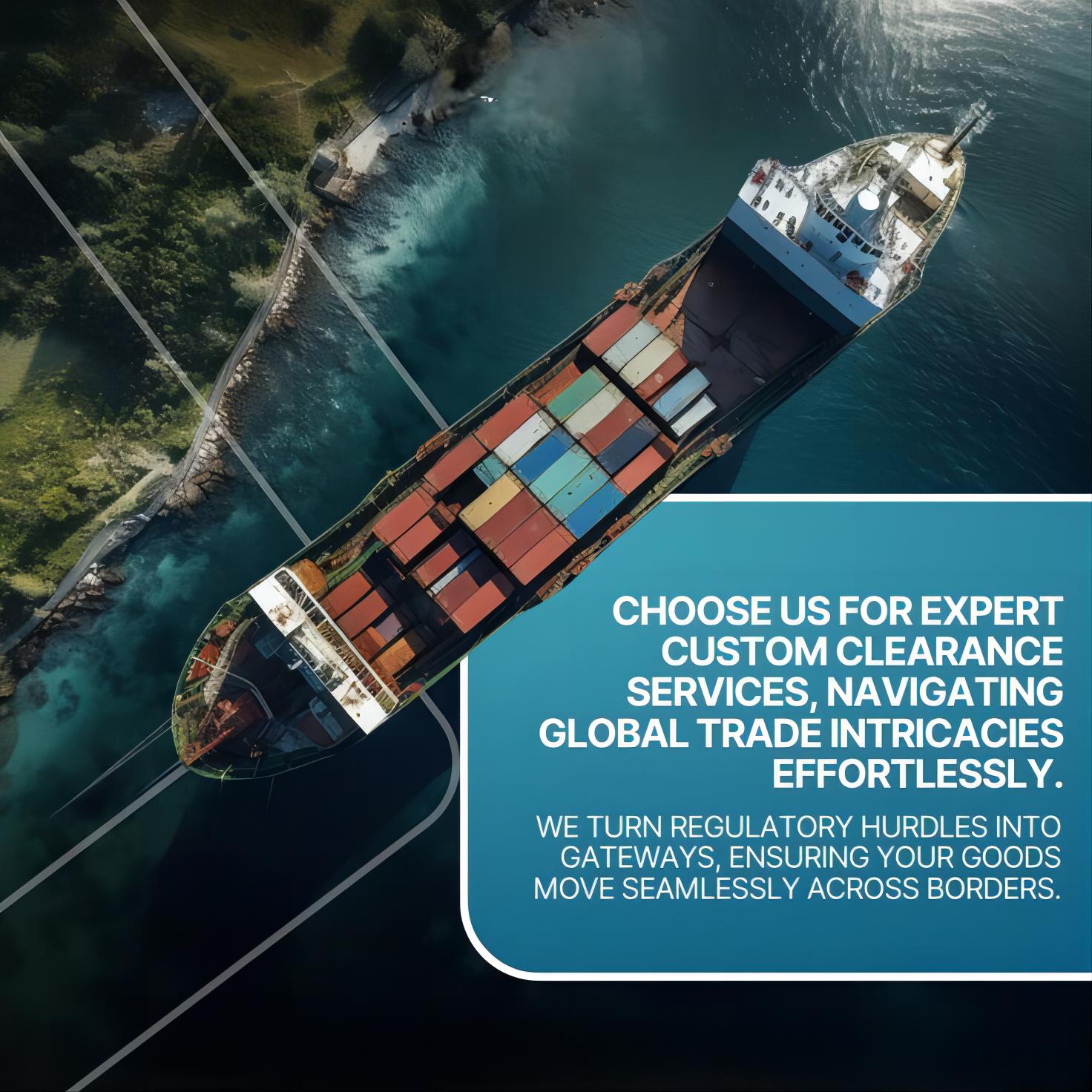
Efficiency is the primary driver for modern businesses selecting this shipping model. By streamlining the movement of goods, you can maintain leaner inventory levels and respond faster to market demands. Additionally, consolidated billing makes financial management much simpler for your accounting department.
How Does Sea Freight Compare to Other Shipping Options?
When evaluating sea freight, it is important to consider its role as the backbone of global trade. It offers the lowest cost per unit for large volumes of goods, making it ideal for bulk commodities or heavy machinery. However, the transit time is significantly longer than air or rail alternatives.
In contrast, other methods provide speed at a higher price point. For instance, air freight is the fastest but most expensive, while rail freight serves as a balanced middle ground. Therefore, the choice depends heavily on your specific cargo type and urgency requirements.
The following table provides a detailed comparison of the primary shipping methods used for the China to Netherlands route.
| Shipping Method | Cost Range | Transit Time | Best For | Limitations |
|---|---|---|---|---|
| Sea Freight (FCL) | $3,000 – $4,500 per 40HQ | 30 – 45 Days | Large volumes, bulk goods | Slowest transit time |
| Air Freight | $4.50 – $7.50 per kg | 5 – 8 Days | Urgent, high-value items | Very high cost |
| Rail Freight | $180 – $280 per CBM | 18 – 24 Days | Medium urgency, e-commerce | Subject to rail congestion |
| Express Service | $8.00 – $12.00 per kg | 3 – 5 Days | Small parcels, samples | Weight and size limits |
Navigating Customs Clearance in the Netherlands
Successful importation requires a deep understanding of European Union regulations and Dutch local laws. Utilizing a dedicated customs brokerage service can prevent your cargo from being held at the port of Rotterdam. Experts will ensure that all HS codes are correctly classified to avoid overpaying duties.
Furthermore, the Netherlands offers specific tax advantages like the Article 23 permit, which allows for the deferment of VAT at the time of import. This can significantly improve your company’s cash flow by delaying tax payments until your periodic tax return. Nevertheless, qualifying for such permits requires strict adherence to compliance standards.
Documentation must be meticulous to pass through the Dutch Customs authorities without issue. Common requirements include the commercial invoice, packing list, and the Bill of Lading. Additionally, certain products may require specific certificates such as CE marking or phytosanitary documents.
Understanding Shipping Costs and Freight Rates
Shipping costs from China to the Netherlands are influenced by several variables including fuel surcharges and seasonal demand. For example, during the peak season from August to October, rates often increase by 15% to 25%. Consequently, planning your shipments in advance can lead to substantial savings.
Landed cost calculations must include ocean freight, terminal handling charges, and inland delivery fees. Moreover, do not forget to factor in insurance and potential storage fees if your cargo is not cleared promptly. In addition, fluctuations in the currency exchange rate between the USD and Euro can impact your final bill.
Note: Freight rates are subject to change based on fuel costs, carrier capacity, and seasonal demand. Contact us for a current quote tailored to your specific shipment.
Which Option Should You Choose? (Decision Framework)
Determining the best shipping method involves balancing budget, speed, and cargo volume. If your priority is cost-saving and you have a flexible schedule, sea freight is the logical choice. On the other hand, if you are launching a new product and need it on shelves immediately, air freight is necessary.
For shipments under 15 CBM, LCL (Less than Container Load) shipping is often the most economical approach. However, if you have enough volume to fill a 20ft or 40ft container, FCL (Full Container Load) provides better security and faster handling. Meanwhile, rail freight is increasingly popular for businesses seeking a sustainable and faster alternative to sea transport.
Consider the following criteria for your decision: Budget priority leads to sea freight; Speed priority leads to air freight; Volume thresholds around 15 CBM suggest switching from LCL to FCL.
Real Case Studies: China to Netherlands Shipments
Case Study 1: Electronics from Shenzhen to Rotterdam. A Dutch retailer needed to transport 500 units of high-end monitors. They chose air freight to meet a holiday launch deadline. The cargo weighed 1,200 kg and was delivered from the Shenzhen factory to an Amsterdam warehouse in just 6 days. Total landed cost was approximately $7,800, ensuring the product was available for the peak shopping weekend.
Case Study 2: Furniture from Ningbo to Tilburg. An interior design firm ordered a full 40HQ container of custom furniture. They utilized sea freight with a transshipment via Singapore to save 10% on costs. The total transit time was 38 days, and the ocean freight cost was $3,450. By using a DDP (Delivered Duty Paid) service, the client avoided all customs hassles and received the goods directly at their showroom.
Case Study 3: Industrial Parts from Xi’an to Venlo. A manufacturing plant required steady supplies of steel components. They opted for rail freight via the New Silk Road. The shipment of 8 CBM took 22 days to arrive at the rail terminal in Tilburg before being trucked to Venlo. This method was 40% cheaper than air freight and twice as fast as sea freight, providing the perfect balance for their production schedule.
Essential Documentation for Trusted Door to Door Delivery
Accuracy in paperwork is the foundation of any successful international shipment. The Commercial Invoice must clearly state the value of the goods and the terms of sale (Incoterms). In addition, the Packing List should detail the weight, dimensions, and contents of every box or pallet.
The Bill of Lading serves as the contract of carriage and the title to the goods. For air shipments, this is replaced by the Air Waybill. Furthermore, an EORI number (Economic Operators Registration and Identification) is mandatory for any business importing into the Netherlands. Without this number, your goods will be blocked at the border.
Certificates of Origin may also be required to benefit from specific trade agreements. Moreover, if you are shipping hazardous materials, a Material Safety Data Sheet (MSDS) is essential for carrier approval. Therefore, always verify documentation requirements with your logistics provider before the cargo leaves the factory.
Final Thoughts on Shipping to the Netherlands
Navigating the complexities of international logistics requires a partner who understands both the origin and destination markets. By choosing a trusted door to door delivery from China to Netherlands, you ensure that your goods are handled with care and efficiency. This approach not only saves time but also reduces the overall risk of supply chain disruptions.
Whether you choose sea, air, or rail freight, the key to success lies in careful planning and clear communication. Always stay informed about market trends and regulatory changes to keep your business competitive. With the right logistics strategy, your Dutch business can thrive in the global marketplace.
Ready to streamline your logistics?
Ready to streamline your supply chain with trusted door to door delivery from China to Netherlands? Contact our expert logistics team today for a customized quote and professional guidance on your next shipment. Visit our website to learn more about our comprehensive shipping solutions.
Request Quote