

Professional Customs Clearance from China to UK: The 2025 Guide
Expanding a business through international trade requires a deep understanding of complex cross-border regulations. If you want to scale effectively, securing Top China Freight for professional customs clearance from China to UK is the most reliable way to ensure your goods reach their destination without delay. This guide explores the essential steps to manage UK border requirements and optimize your supply chain costs.
Why You Need Professional Customs Clearance from China to UK
Navigating the post-Brexit landscape demands specialized knowledge of British tax laws and import protocols. Professional customs clearance from China to UK ensures that your business remains compliant with HMRC standards while avoiding expensive fines.
Moreover, the complexity of commodity codes and duty valuations can lead to significant financial loss if handled incorrectly. Experienced brokers identify the exact tariffs applicable to your specific products, which often results in lower overall landed costs.

Additionally, transit times are heavily influenced by how quickly a shipment passes through the border. A professional team prepares all necessary declarations well in advance, preventing your cargo from being held at major ports like Felixstowe or Southampton.
Consequently, investing in expert brokerage services is not just a luxury but a strategic necessity for modern importers. You can learn more about specialized customs brokerage to see how experts simplify the filing process for your company.
How Does Sea Freight Compare to Other Shipping Options?
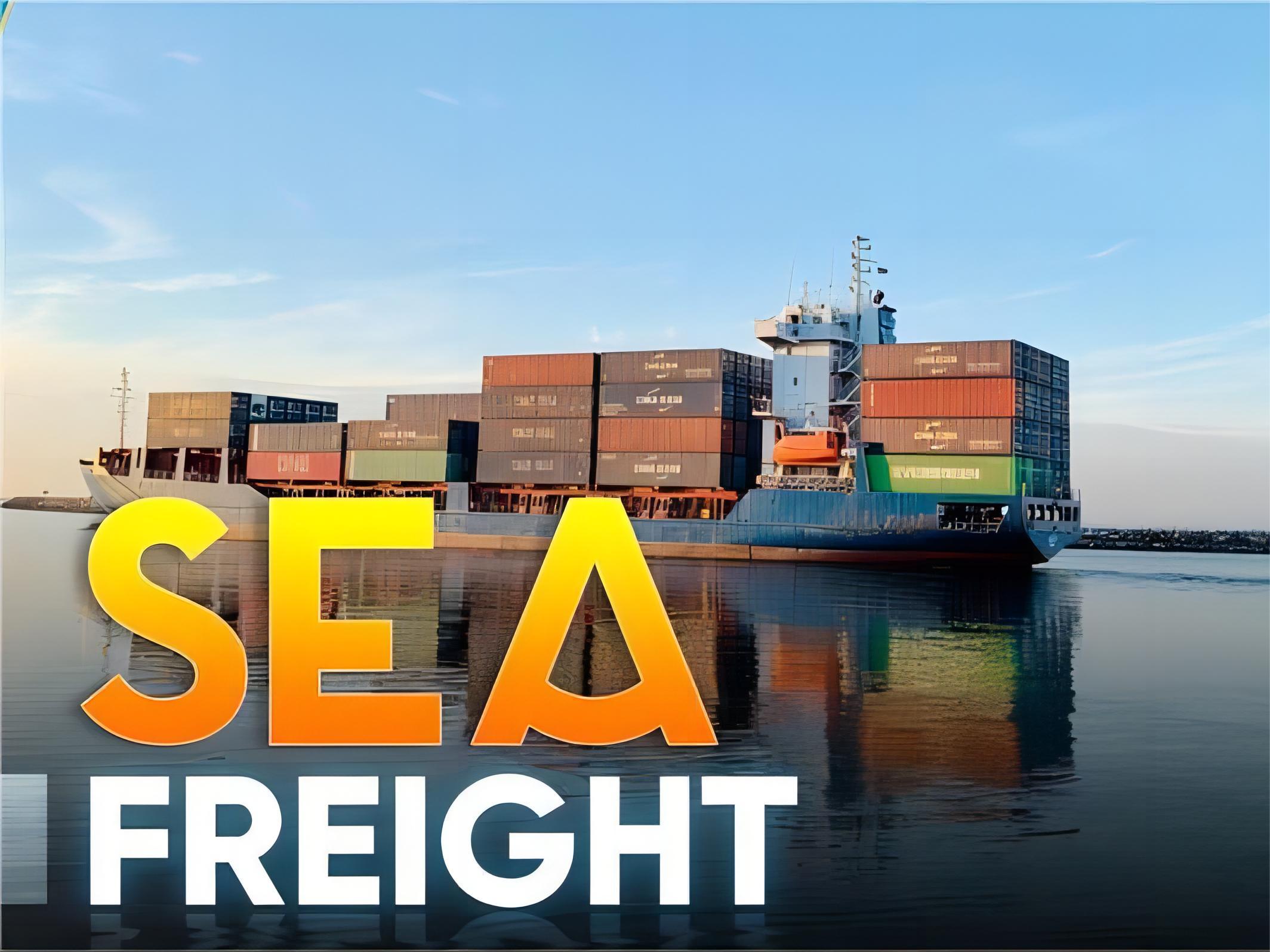
Choosing the right transport mode is the first step toward a successful import strategy. While sea freight remains the most popular choice for large volumes, it is important to weigh it against air and rail alternatives.
For example, sea freight offers the lowest cost per unit but requires the longest lead time, typically between 30 and 40 days. In contrast, air freight provides rapid delivery for high-value or time-sensitive items, though at a much higher price point.
Furthermore, hybrid solutions like sea-air or rail-sea can offer a middle ground for businesses looking to balance speed and budget. Understanding these trade-offs allows you to make an informed decision based on your current inventory needs and financial constraints.
| Shipping Method | Cost Range | Transit Time | Best For | Limitations |
|---|---|---|---|---|
| Sea Freight | $2,000 – $4,500 | 30-40 Days | Bulk Cargo | Slow Speed |
| Air Freight | $5,000 – $15,000 | 5-10 Days | High Value | High Cost |
| Rail Freight | $3,000 – $6,000 | 18-25 Days | Medium Volume | Fixed Routes |
| Express | $10 – $20 per kg | 3-5 Days | Samples | Weight Limits |
Essential Documentation for Professional Customs Clearance
Accurate paperwork is the backbone of any successful international shipment. Without the correct forms, your goods could face indefinite delays or even seizure by UK customs authorities.
Indeed, the commercial invoice and packing list must match perfectly to avoid red flags during inspection. You must also ensure that your EORI number is valid and correctly linked to your business entity for VAT accounting purposes.
Meanwhile, certain products require specific certificates, such as CE markings for electronics or health certificates for food items. Using a door to door service often includes the management of these documents, providing a seamless experience from the factory to your warehouse.
| Document Type | Purpose | Required By | Key Details |
|---|---|---|---|
| Commercial Invoice | Valuation | HMRC | Unit Price, Total |
| Packing List | Cargo Detail | Port Authority | Weight, Dimensions |
| Bill of Lading | Title of Goods | Carrier | Vessel Details |
| EORI Number | Identification | UK Government | VAT Registration |
Understanding UK Import VAT and Duty Rates
Calculating the total cost of your shipment requires a clear understanding of UK tax obligations. Most goods imported from China are subject to a standard VAT rate of 20 percent, though some exceptions apply.
However, the introduction of Postponed VAT Accounting (PVA) has changed the way businesses manage their cash flow. Instead of paying VAT at the border, registered companies can declare it on their periodic VAT returns, which significantly improves liquidity.
Therefore, you should consult with a specialist to determine if your products qualify for any duty relief or preferential tariffs. For those shipping smaller quantities, an express service might include pre-calculated duties, simplifying the payment process for you.
Finally, always verify the commodity code for your items using the UK Global Tariff tool. Even a minor error in classification can lead to overpayment or legal complications with the tax office.
Which Shipping Option Should You Choose?
Deciding on the best logistics strategy depends on your specific business priorities. If your primary goal is to minimize expenditure, sea freight is the clear winner for shipments over 15 cubic meters.
On the other hand, if you are launching a new product and need to meet a strict deadline, air freight is the superior choice despite the added expense. Speed often justifies the cost when market demand is high.
Additionally, rail freight serves as an excellent alternative for businesses operating in the North of England. It offers a faster transit time than the ocean while remaining significantly cheaper than air transport for heavy machinery or industrial parts.
To summarize, you should choose based on the volume of your cargo and the urgency of your delivery schedule. Most successful importers use a mix of these methods to maintain a flexible and resilient supply chain.
Real-World Case Studies in UK Logistics
Examining real scenarios helps illustrate the practical application of professional customs clearance from China to UK. These examples reflect typical market conditions as of early 2025 and highlight common challenges and solutions.
Below are two detailed cases involving different cargo types and shipping methods to help you visualize the process.
Case Study 1: Electronics from Shenzhen to London
Route: Shenzhen, China to London, UK
Cargo: Consumer Electronics, 12 CBM, 2500 kg
Container: LCL (Less than Container Load)
Shipping Details: Major carrier via Port of Felixstowe
Ocean Freight: $1,200
Customs and Duties: $4,500 (Estimated)
Total Door-to-Door: 38 days
Key Insight: Using Postponed VAT Accounting saved the client $3,000 in upfront cash flow during the peak Q4 season.
Case Study 2: Fast Fashion from Ningbo to Manchester
Route: Ningbo, China to Manchester, UK
Cargo: Apparel, 500 kg
Method: Air Freight
Carrier: Direct Air Service
Air Freight Cost: $3,500
Customs Clearance: 2 days
Total Door-to-Door: 8 days
Key Insight: Selecting air freight allowed the retailer to replenish stock during a viral marketing campaign, maximizing sales despite higher shipping rates.
Strategies to Reduce Your Shipping and Customs Costs
Reducing overhead is essential for maintaining a competitive edge in the UK market. One effective method is to consolidate multiple small orders into a single Full Container Load (FCL) to benefit from lower freight rates.
Furthermore, negotiating Incoterms like FOB (Free on Board) instead of EXW (Ex Works) can give you more control over the shipping process and costs. This allows you to choose your own freight forwarder rather than relying on the supplier’s choice.
Additionally, ensuring that your packaging is optimized for space can prevent you from paying for ‘dead air’ in a container. Small adjustments in box dimensions often lead to substantial savings when shipping in bulk to Europe and the UK.
Mastering Your UK Import Strategy
Successfully managing professional customs clearance from China to UK is a multi-faceted process that requires attention to detail and proactive planning. By understanding the different shipping modes, preparing accurate documentation, and utilizing tax-saving strategies like PVA, you can significantly improve your business efficiency.
Whether you choose the cost-effectiveness of the sea or the speed of the air, having a reliable logistics partner is the key to navigating the British border. Start optimizing your imports today to build a more resilient and profitable international trade operation.
Ready to streamline your logistics?
Streamline your supply chain today with professional customs clearance from China to UK. Contact our expert team at Top China Freight to receive a tailored quote and ensure your cargo arrives on time and within budget. Send Inquiry: https://Top China Freight.com/
Request Quote