

Cheap Door to Door Delivery from China to Belgium Guide
Finding reliable and cheap door to door delivery from China to Belgium is a top priority for businesses looking to optimize their European supply chains. However, the complexity of international logistics often presents challenges regarding cost and transit efficiency. This comprehensive guide provides actionable insights into selecting the most economical shipping methods while ensuring your cargo reaches its destination safely and on time.
What is Cheap Door to Door Delivery from China to Belgium?
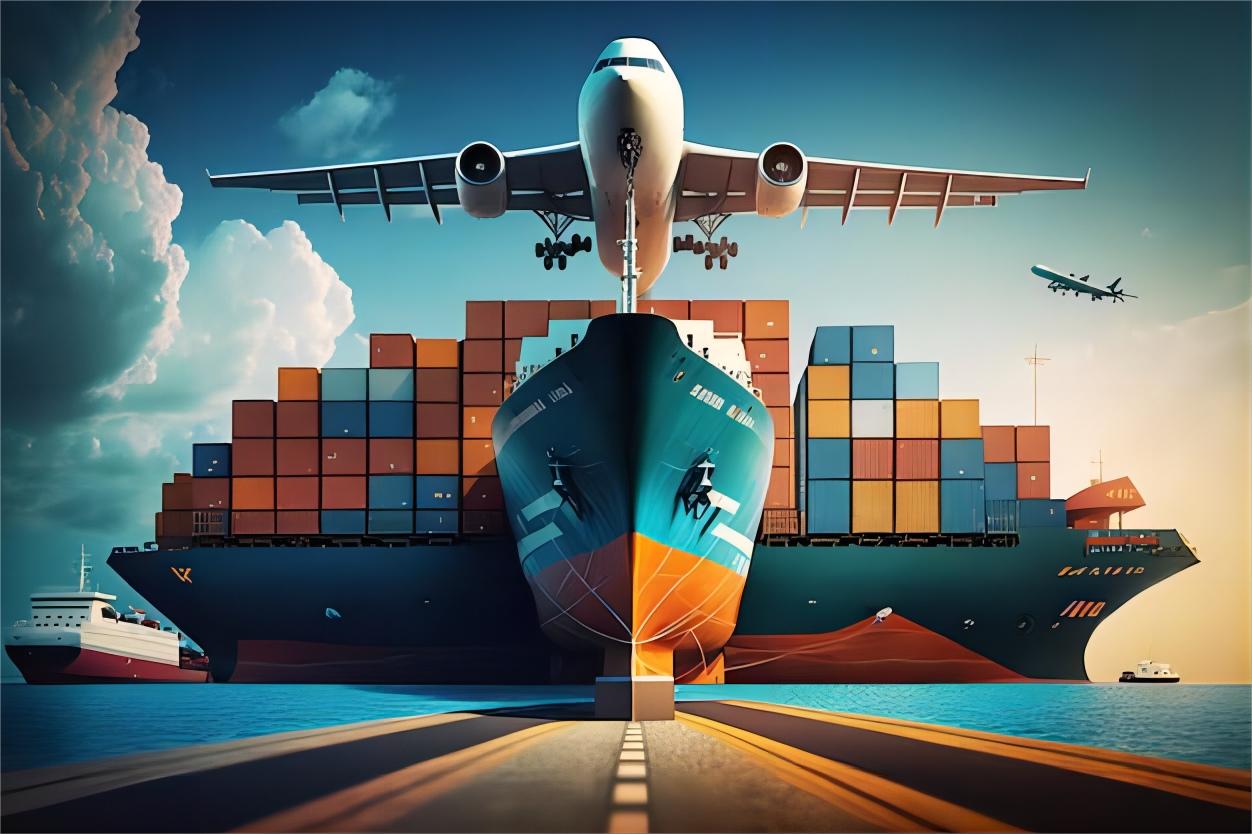
Door to door shipping represents a comprehensive logistics solution where the service provider handles every step of the journey. Specifically, the freight forwarder manages pickup from the Chinese factory, international transit, and final delivery to the Belgian warehouse. Consequently, this method eliminates the need for importers to coordinate with multiple local trucking companies or port authorities.

Furthermore, utilizing a professional door to door service significantly reduces the risk of communication errors. Most providers offer DDP (Delivered Duty Paid) options, which means they handle all taxes and customs duties on your behalf. Therefore, you receive a single all-inclusive quote that covers the entire journey from origin to destination.
Choosing this service level is often the most efficient way to manage small to medium-sized shipments. Additionally, it provides peace of mind for new importers who may not be familiar with the intricacies of Belgian customs regulations. Ultimately, the goal is to streamline the movement of goods while maintaining the lowest possible overhead costs.
How Does Sea Freight Compare to Other Shipping Options?
Sea freight remains the backbone of global trade due to its unmatched capacity and cost-effectiveness for large volumes. In contrast, air freight offers speed but comes at a significantly higher price point that can eat into profit margins. Meanwhile, rail freight has emerged as a middle-ground solution, offering faster transit than the sea at a lower cost than air.
As of early 2025, market data suggests that ocean freight rates have stabilized following previous global disruptions. For instance, shipping a full container is often five to six times cheaper than air freight for the same volume of goods. However, you must account for the longer transit times, which typically range from 30 to 45 days when shipping from major Chinese ports to Antwerp or Zeebrugge.
Moreover, businesses must evaluate the trade-off between speed and budget when selecting their primary transport mode. If your inventory turnover is high, the speed of air or rail might justify the extra expense. Conversely, for bulk commodities or non-urgent stock, sea freight is undoubtedly the superior choice for maintaining a healthy bottom line.
| Shipping Method | Cost Range | Transit Time | Best For |
|---|---|---|---|
| Sea Freight (FCL) | $2,200 – $3,800 | 30-45 Days | Large volumes |
| Rail Freight | $1,500 – $2,800 | 18-25 Days | Mid-range budget |
| Air Freight | $5.50 – $9.00/kg | 5-8 Days | Urgent cargo |
| Express | $8.00 – $15.00/kg | 3-5 Days | Small samples |
Exploring Economical Sea Freight Solutions
When looking for sea freight options, importers generally choose between Full Container Load (FCL) and Less than Container Load (LCL). FCL is ideal for large shipments that can fill a 20ft or 40ft container, offering the lowest cost per unit. On the other hand, LCL allows you to share container space with other shippers, making it perfect for smaller volumes.
Additionally, port selection in China can influence the final shipping rate significantly. For example, shipping from Ningbo or Shanghai might offer more frequent departures and more competitive rates than smaller inland ports. Therefore, coordinating with your supplier to deliver goods to a major hub can result in substantial savings.
Note: Freight rates are subject to change based on fuel costs, carrier capacity, and seasonal demand. Contact us for a current quote tailored to your specific shipment.
The Rise of Rail Freight to Belgium
The China-Europe Railway Express has revolutionized logistics by connecting major Chinese industrial hubs directly to Liege and Antwerp. Rail freight serves as an excellent alternative for high-value goods like electronics or machinery. Consequently, it offers a transit time of approximately 20 days, which is nearly twice as fast as sea transport.
Furthermore, rail transport is often more environmentally friendly than air freight, appealing to companies with sustainability goals. Many businesses now use a hybrid strategy, utilizing rail for peak season inventory and sea freight for regular stock replenishment. Indeed, this flexibility allows for better management of cash flow and warehouse space throughout the year.
When to Choose Air Freight for Door to Door Delivery
While not the cheapest option, air freight is essential for time-sensitive deliveries or perishable items. Specifically, if you are launching a new product or responding to an unexpected surge in demand, the speed of flight is unmatched. Most air shipments from China to Brussels arrive within a week, including customs clearance and local trucking.
Moreover, air transport reduces the risk of damage or theft for high-value items due to shorter handling times. Although the cost per kilogram is higher, you may save on insurance premiums and warehousing costs. As a result, the total landed cost might be more competitive than it initially appears for specific high-margin categories.
Navigating Customs Clearance in Belgium
Importing goods into the European Union requires strict adherence to customs regulations and documentation. Utilizing a professional customs brokerage ensures that your HS codes are classified correctly to avoid overpaying duties. Furthermore, Belgium acts as a gateway to the rest of Europe, meaning efficient clearance in Antwerp can speed up distribution to neighboring countries.
Additionally, you must prepare essential documents like the Commercial Invoice, Packing List, and Bill of Lading in advance. Failure to provide accurate information can lead to port storage fees and delivery delays. Therefore, choosing a freight forwarder with local expertise in Belgian VAT and customs procedures is vital for a smooth door to door experience.
| Document Name | Purpose | Required By | Typical Format |
|---|---|---|---|
| Commercial Invoice | Value declaration | Customs | Digital/PDF |
| Packing List | Cargo details | Warehouse | Digital/PDF |
| Bill of Lading | Title of goods | Carrier | Original/Telex |
| Certificate of Origin | Duty reduction | Customs | Original |
Alternative Strategies for Cost-Saving
One effective alternative strategy involves cargo consolidation, where multiple small orders from different suppliers are grouped into one shipment. Instead of paying for three separate LCL shipments, you can combine them into a single FCL container. Consequently, this reduces documentation fees and local handling charges at both ends.
Another approach is to utilize sea-air hybrid solutions, which involve shipping by sea to a hub like Dubai and then flying the goods to Belgium. While this is less common for the China-Belgium route, it can save 30% compared to pure air freight during peak seasons. Additionally, adjusting your delivery schedule to avoid the ‘Golden Week’ or Chinese New Year can save you from 20% to 40% in seasonal surcharges.
Finally, consider negotiating ‘Ex Works’ (EXW) or ‘Free on Board’ (FOB) terms with your supplier. By controlling the shipping process yourself through a trusted forwarder, you often secure better rates than those offered by the factory. Specifically, factories often add a markup to shipping costs to cover their own administrative labor.
Which Option Should You Choose?
Your decision should primarily depend on your budget, cargo volume, and required delivery speed. If you prioritize the lowest possible cost and have a flexible timeline, sea freight LCL or FCL is the logical choice. However, if you need a balance of speed and cost, rail freight offers a compelling value proposition for the Belgium route.
For urgent shipments under 100kg, express services or air freight are the only viable options despite the higher costs. Meanwhile, for shipments between 500kg and 2000kg, rail freight often becomes more economical than air while remaining significantly faster than sea. Specifically, evaluate your inventory needs every quarter to adjust your shipping strategy based on current market rates and demand.
Case Studies: Real-World Shipping Scenarios
Case Study 1: Electronics Components Delivery. Route: Shenzhen, China to Antwerp, Belgium. Cargo: Computer parts, 4 CBM, 850 kg. Method: Rail Freight Door to Door. Cost Breakdown: Ocean/Rail Freight: $1,450; Origin Charges: $200; Destination Charges: $250; Customs and Duties: $400; Total Landed Cost: $2,300. Timeline: 22 days total. Key Insight: Rail provided the perfect balance for high-value electronics that needed to arrive faster than sea freight allowed.
Case Study 2: Furniture Import for Retail. Route: Ningbo, China to Brussels, Belgium. Cargo: Home furniture, 28 CBM. Container: 20GP FCL. Cost Breakdown: Ocean Freight: $2,400; Origin Charges: $350; Destination Charges: $400; Customs and Duties: $1,200; Total Landed Cost: $4,350. Timeline: 38 days total. Key Insight: Using FCL sea freight ensured the lowest per-unit cost for bulky items, maximizing the retailer’s profit margin.
Based on Q4 2024 market rates, these examples reflect typical costs for door to door services. However, prices in 2025 may fluctuate based on global fuel surcharges and port congestion levels. Always request a live quote to ensure your budget remains accurate.
Final Thoughts on Shipping to Belgium
Securing cheap door to door delivery from China to Belgium requires a strategic approach to selecting transport modes and managing documentation. By understanding the differences between sea, air, and rail freight, you can tailor your logistics to meet both your budget and timeline. Furthermore, partnering with an experienced freight forwarder simplifies the complex customs process and ensures your goods arrive without unnecessary delays.
Ultimately, the key to success lies in planning ahead and staying informed about market trends. Whether you choose the cost-savings of sea freight or the speed of rail, a well-managed door to door service provides the reliability your business needs to grow. Start optimizing your supply chain today to gain a competitive edge in the Belgian market.
Ready to streamline your logistics?
Ready to save on your next shipment? Contact us today for a personalized quote on cheap door to door delivery from China to Belgium. Visit our website to learn more and Send Inquiry to our logistics experts.
Request Quote