

Best Door to Door Delivery from China to Netherlands: A Complete Guide
Selecting the best door to door delivery from China to Netherlands is essential for businesses looking to streamline their supply chain operations. Managing international logistics often presents significant challenges such as customs delays, unpredictable shipping costs, and complex documentation requirements. However, a professional freight forwarding service provides a comprehensive solution by handling every step from the factory floor in China to your warehouse in the Netherlands.
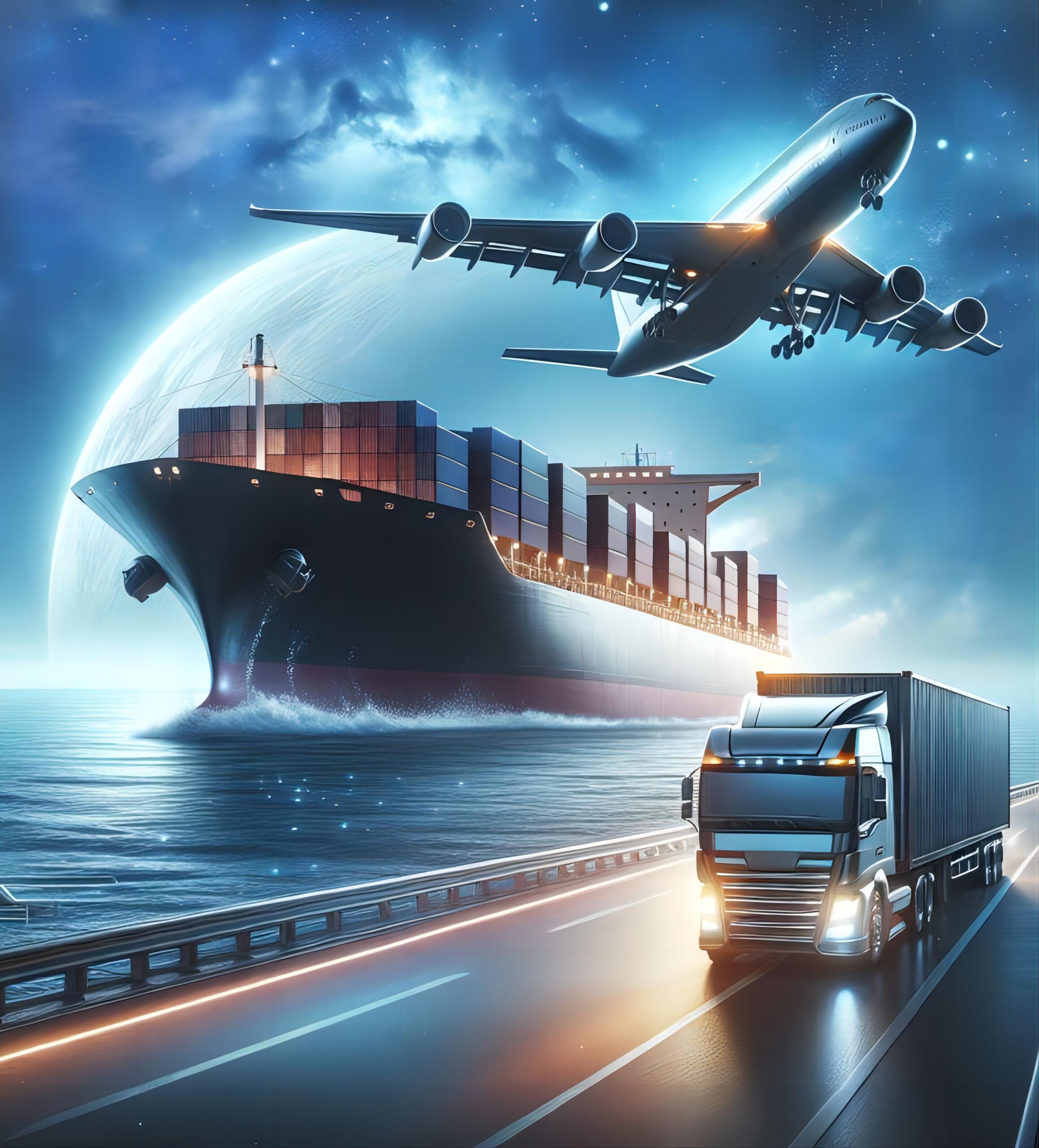
Why Choose Door to Door Delivery for Dutch Imports?
Choosing a door to door service simplifies the entire import process for businesses of all sizes. This method ensures that one single provider manages the cargo from the initial pickup to the final delivery. Consequently, you do not have to coordinate between multiple agents, carriers, or local trucking companies.
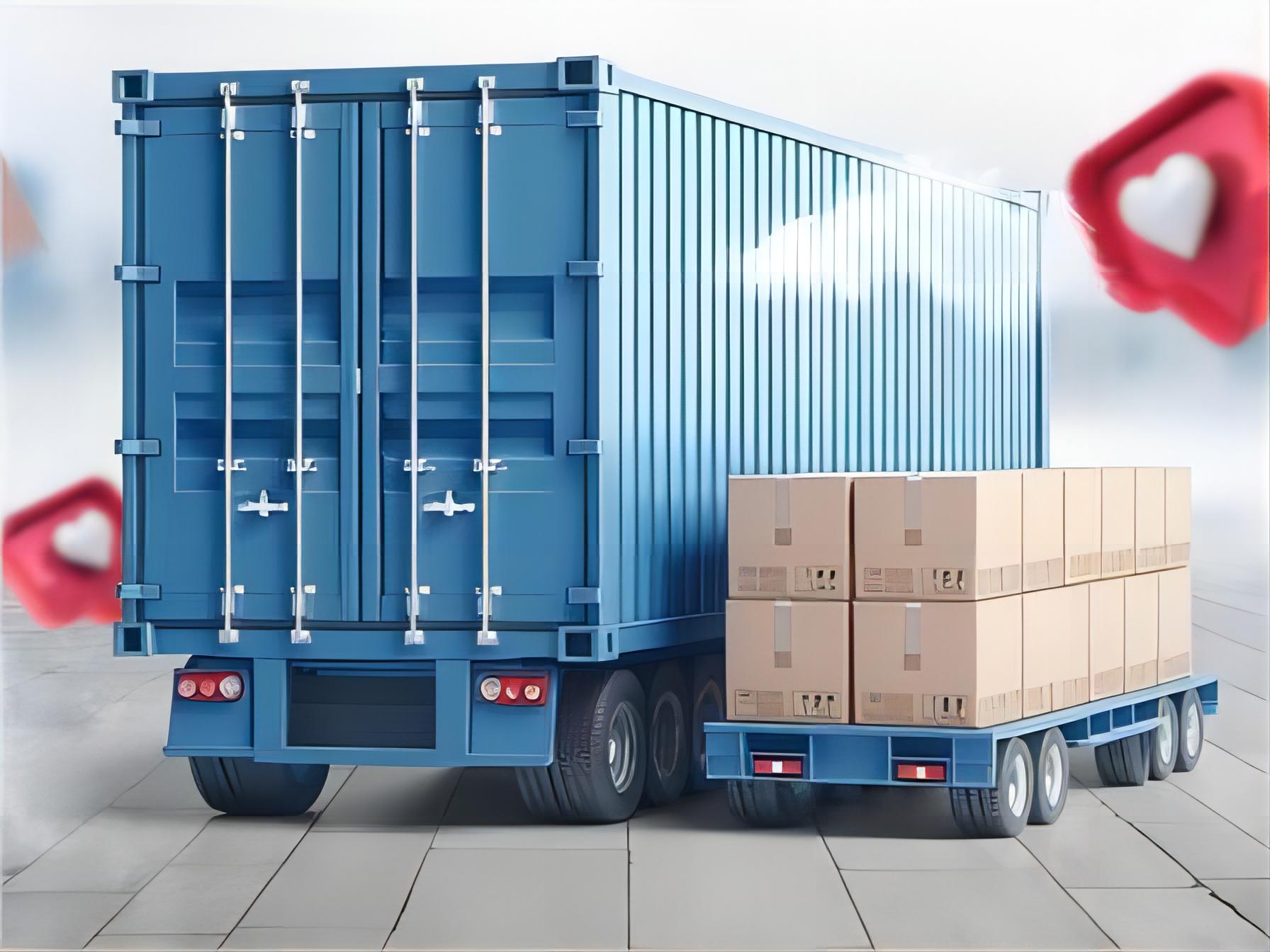
Moreover, this service model offers superior transparency and accountability throughout the transit period. You receive a single quote that typically covers all expenses, including ocean freight, local handling, and inland transportation. Therefore, budgeting becomes much more predictable for your international trade ventures.
Additionally, professional forwarders handle the complex paperwork required for European Union entry. They ensure that all commercial invoices and packing lists comply with Dutch regulations. As a result, the risk of your goods being held at the Port of Rotterdam or Schiphol Airport is significantly reduced.
How Does Best Door to Door Delivery from China to Netherlands Compare to Other Shipping Options?
Understanding the differences between various shipping models is crucial for optimizing your logistics strategy. While port-to-port shipping might seem cheaper at first glance, it often involves hidden costs and logistical headaches. In contrast, door-to-door solutions integrate all segments into a seamless workflow.
Furthermore, the choice between air, sea, and rail freight depends heavily on your specific budget and timeline. Each method offers a unique balance of speed and cost-effectiveness. Consequently, importers must evaluate their cargo volume and urgency before committing to a specific shipping lane.
Specifically, sea freight remains the most popular choice for large-scale shipments due to its low cost per unit. On the other hand, air freight provides the necessary speed for high-value electronics or urgent inventory restocks. Rail freight has also emerged as a viable middle ground for those shipping to Europe.
| Shipping Method | Cost Range | Transit Time | Best For |
|---|---|---|---|
| Air Freight | $4.50 – $8.50 per kg | 5 – 8 Days | Urgent, high-value goods |
| Sea Freight (FCL) | $3,000 – $4,200 (40HQ) | 30 – 40 Days | Large volumes, furniture |
| Rail Freight | $120 – $180 per CBM | 18 – 25 Days | Medium urgency, eco-friendly |
| Express Courier | $7.00 – $12.00 per kg | 3 – 5 Days | Small parcels, samples |
Navigating Customs Brokerage and Import Duties
Navigating the Dutch customs environment requires specialized knowledge of EU trade laws and tax structures. Every shipment entering the Netherlands must undergo a formal declaration process to determine applicable VAT and import duties. Therefore, utilizing a professional customs brokerage service is highly recommended for all importers.
Moreover, the Netherlands serves as a major gateway to Europe, meaning customs officials are extremely thorough in their inspections. They verify that all products meet safety standards and that the HS codes are correctly applied to the cargo. Consequently, errors in documentation can lead to expensive storage fees and significant delivery delays.
Additionally, you should be aware of the Article 23 license which allows for the deferment of VAT payments in the Netherlands. This can significantly improve your company’s cash flow by avoiding immediate tax payments at the border. Indeed, a knowledgeable freight forwarder can assist you in setting up these fiscal representations.
| Document Name | Purpose | Required By |
|---|---|---|
| Commercial Invoice | Proof of transaction and value | Customs / Tax Authorities |
| Packing List | Details of cargo contents | Warehouse / Customs |
| Bill of Lading | Title of goods and contract | Carrier / Importer |
| Certificate of Origin | Confirms manufacturing location | Customs (for duty rates) |
Air Freight vs Sea Freight: Making the Right Choice
Choosing between air freight and sea freight is often the most difficult decision for Dutch businesses. Air freight offers unparalleled speed, which is vital for maintaining a competitive edge in fast-moving markets. Nevertheless, the high cost of air transport can quickly erode your profit margins if not managed carefully.
In contrast, sea freight provides the capacity needed for bulk commodities and heavy machinery. It is the most economical way to transport large quantities of goods over long distances. Accordingly, most retail businesses plan their inventory cycles around the longer transit times associated with ocean shipping.
Furthermore, sea freight is divided into Full Container Load (FCL) and Less than Container Load (LCL) options. FCL is ideal for those who can fill an entire 20ft or 40ft container, offering better security and faster handling. Meanwhile, LCL allows smaller businesses to share container space, making international trade accessible to everyone.
The Rise of Rail Freight to the Netherlands
Rail transport has become an increasingly popular alternative for shipping goods from China to the Netherlands. The New Silk Road initiative has established reliable connections between major Chinese hubs and European rail terminals like Tilburg. Consequently, rail freight offers a strategic balance between the speed of air and the affordability of sea.
Moreover, rail transit is generally more stable than sea freight, which can be affected by port congestion or bad weather. It typically takes about 18 to 22 days for a train to travel from Xi’an or Chengdu to the Netherlands. Therefore, it is an excellent choice for seasonal goods that need to arrive faster than a ship but do not justify air freight costs.
Additionally, rail freight is often considered a more environmentally friendly option compared to air or road transport. Many Dutch companies are now prioritizing sustainable logistics as part of their corporate social responsibility goals. Indeed, switching to rail can help reduce your carbon footprint while maintaining a reliable delivery schedule.
Which Option Should You Choose for Your Shipments?
Deciding on the best shipping method requires a clear understanding of your business priorities and cargo characteristics. If your primary goal is cost reduction and you have a flexible timeline, sea freight is undoubtedly the best choice. This method allows you to move massive volumes at the lowest possible price point.
However, if you are dealing with perishable goods or urgent contract deadlines, air freight is the only viable solution. The higher expense is justified by the speed and reliability of the service. For shipments that fall somewhere in the middle, rail freight or sea-air hybrid solutions provide a competitive alternative.
Specifically, you should consider the following criteria when making your choice: total weight, volume, cargo value, and the required delivery date. By analyzing these factors, you can select a shipping route that maximizes efficiency and minimizes unnecessary expenses. Always consult with your freight forwarder to get the most current market rates and advice.
Real-World Case Studies: Shipping to the Netherlands
Reviewing actual shipping scenarios can provide valuable insights into the logistics process and expected costs. These cases reflect typical market conditions and highlight the importance of choosing the right shipping mode. Please note that rates fluctuate based on seasonal demand and fuel surcharges.
Case Study 1: High-Value Electronics Delivery. Route: Shenzhen, China to Amsterdam, Netherlands. Cargo: Computer components, 1.2 CBM, 450 kg. Shipping Method: Air Freight Door-to-Door. Ocean Freight: Not applicable. Origin Charges: $150. Destination Charges: $220. Customs and Duties: $1,100. Total Landed Cost: $4,250. Timeline: 7 days total. Key Insight: Air freight was chosen to prevent stockouts during a peak sales period.
Case Study 2: Home Furniture Distribution. Route: Ningbo, China to Rotterdam, Netherlands. Cargo: Wooden furniture, 28 CBM. Container: 20GP FCL. Shipping Method: Sea Freight Door-to-Door. Ocean Freight: $2,100. Origin Charges: $350. Destination Charges: $480. Customs and Duties: $950. Total Landed Cost: $3,880. Timeline: 38 days total. Key Insight: FCL sea freight provided the lowest cost per unit for this bulky shipment.
Note: Freight rates are subject to change based on fuel costs, carrier capacity, and seasonal demand. Contact us for a current quote tailored to your specific shipment.
Optimizing Your E-commerce Logistics with Amazon FBA
E-commerce sellers often require specialized logistics solutions to meet the strict requirements of fulfillment centers. If you are selling on European platforms, using Amazon FBA services can streamline your distribution within the Netherlands. A professional forwarder will ensure your goods are labeled, palletized, and delivered according to Amazon’s specific guidelines.
Moreover, integrated door-to-door services for FBA sellers include customs clearance and final mile delivery to the warehouse. This allows you to focus on marketing and sales while the logistics experts handle the physical movement of goods. Consequently, you can maintain high seller ratings by ensuring your inventory is always in stock.
Additionally, many forwarders offer value-added services such as quality inspections at the origin factory in China. This prevents defective products from reaching the Dutch market and reduces the likelihood of costly returns. Therefore, investing in a comprehensive logistics partner is a smart move for any serious e-commerce entrepreneur.
Final Thoughts on Shipping to the Netherlands
Successfully managing the best door to door delivery from China to Netherlands requires a combination of strategic planning and expert execution. By understanding the various shipping methods and customs requirements, you can optimize your logistics for both speed and cost. Furthermore, partnering with a professional freight forwarder ensures that your cargo is handled with care and delivered on time.
In conclusion, whether you choose the speed of air freight or the economy of sea freight, the key is to maintain a transparent and efficient supply chain. Always stay informed about market trends and regulatory changes to keep your business competitive in the global marketplace. Start planning your next shipment today to experience the benefits of a truly integrated door-to-door solution.
Ready to streamline your logistics?
Streamline your international supply chain today with the most reliable logistics experts in the industry. Whether you need urgent air cargo or cost-effective sea freight, we provide the best door to door delivery from China to Netherlands tailored to your business needs. Contact us now to receive a customized quote and start your seamless shipping journey. Visit our website to Send Inquiry and get expert assistance with your next shipment.
Request Quote