

Fast Customs Clearance from China to Australia: Expert Strategies for Importers
Navigating international trade requires a reliable partner like Top China Freight to manage complex logistics. Achieving fast customs clearance from China to Australia is a primary goal for businesses looking to maintain a lean supply chain. This comprehensive guide explores the essential steps to streamline your import process and ensure your goods reach their destination without unnecessary holdups.

Why Fast Customs Clearance from China to Australia is Critical
Speed in logistics directly impacts your bottom line and customer satisfaction levels. When you secure fast customs clearance from China to Australia, you minimize storage fees at the wharf and avoid expensive demurrage charges. Furthermore, efficient processing ensures that your inventory levels remain consistent with market demand.
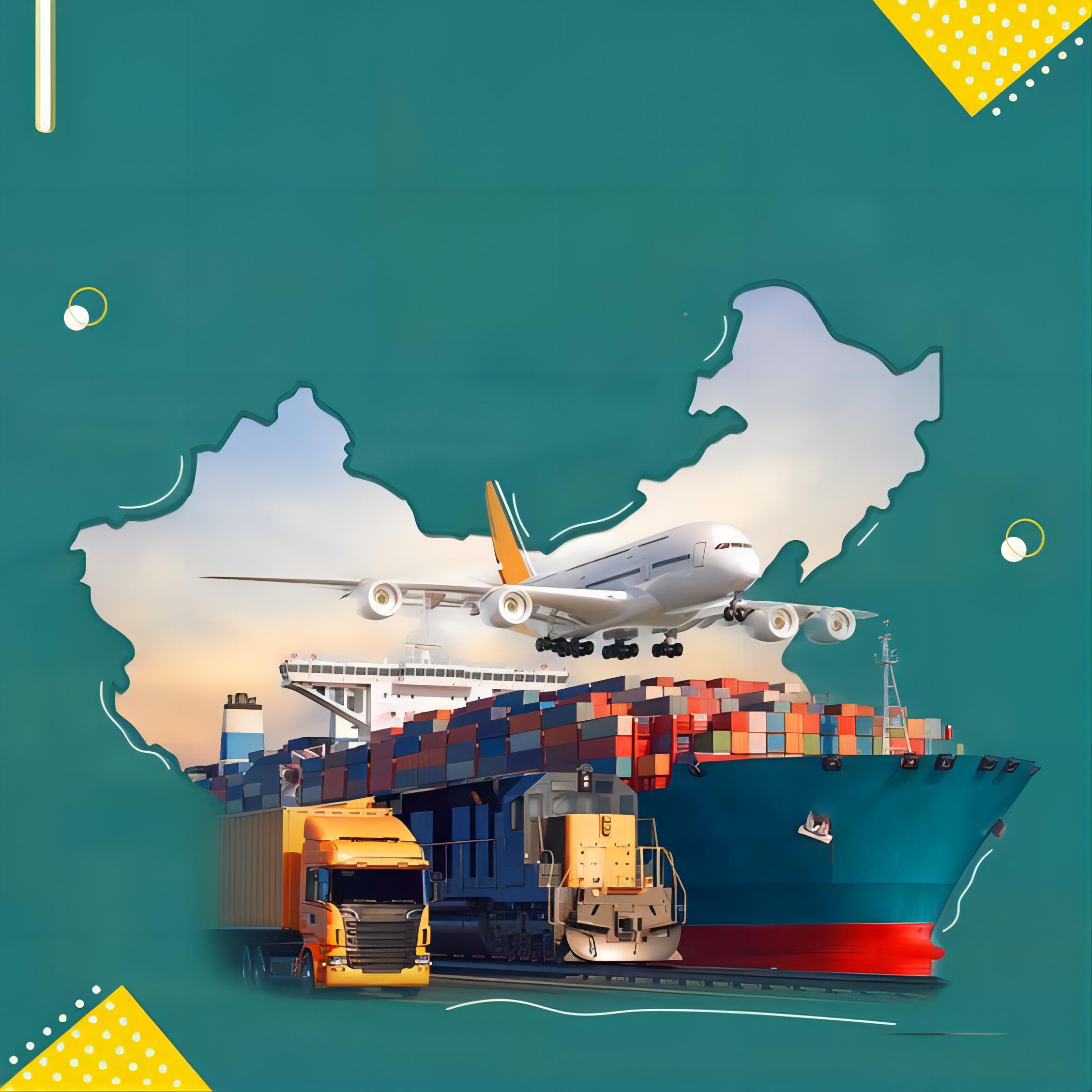
Delayed shipments can disrupt production schedules or lead to empty retail shelves. Consequently, understanding the regulatory landscape is the first step toward optimizing your transit times. Australian Border Force (ABF) maintains strict standards that every importer must meet to avoid penalties.

Professional customs brokerage services play a vital role in this environment. They act as intermediaries who understand the nuances of tariff classifications and biosecurity requirements. By leveraging their expertise, you can navigate the complexities of international trade with much greater confidence.
Essential Documentation for Expedited Processing
Documentation errors are the most frequent cause of delays at the Australian border. Therefore, you must ensure that every piece of paperwork is accurate and matches the physical cargo perfectly. For instance, the commercial invoice must clearly state the value, description, and country of origin for all items.
The Packing Declaration is another critical document, especially regarding biosecurity concerns. Australia has unique environmental protections that require strict reporting on packing materials like wood or straw. In addition, the Bill of Lading serves as the contract of carriage and must be handled with care.
Utilizing the China-Australia Free Trade Agreement (ChAFTA) can significantly reduce your costs. A valid Certificate of Origin allows many goods to enter Australia with zero or reduced tariffs. Without a doubt, preparing these documents in advance is the best way to facilitate rapid clearance.
| Document Name | Purpose | Required For | Impact on Speed |
|---|---|---|---|
| Commercial Invoice | Value verification | All shipments | High |
| Packing List | Inventory details | All shipments | Medium |
| Packing Declaration | Biosecurity check | Sea freight | Critical |
| Certificate of Origin | Tariff reduction | ChAFTA claims | High |
How Does Sea Freight Compare to Other Shipping Options?
Choosing the right transport mode is essential for balancing cost and speed. While sea freight is the most economical choice for large volumes, it involves longer lead times. However, for many businesses, the cost savings outweigh the slower transit time when planned correctly.
In contrast, air freight offers the fastest route for urgent cargo or high-value electronics. Although the price per kilogram is significantly higher, the reduced transit time can be a life-saver for urgent projects. Meanwhile, express courier services provide a seamless door-to-door experience for smaller parcels.
Market data suggests that sea freight rates from China to Australia remain competitive in 2025. Typically, a 20GP container might cost between 800 and 1,200 dollars depending on the season. Always consider the total landed cost rather than just the initial freight rate when making your decision.
| Shipping Method | Cost Range | Transit Time | Best For |
|---|---|---|---|
| Air Freight | $4.50 – $8.00/kg | 3-7 days | Urgent/High-value |
| Sea Freight (FCL) | $800 – $2,000 | 12-25 days | Large volume/Bulk |
| Sea Freight (LCL) | $50 – $120/CBM | 18-30 days | Medium shipments |
| Express Service | $6.00 – $12.00/kg | 2-5 days | Small samples/E-commerce |
Managing Biosecurity and Quarantine Requirements
Australia is known for having some of the strictest biosecurity laws in the world. Indeed, the Department of Agriculture, Fisheries and Forestry (DAFF) inspects a large percentage of incoming cargo. Any presence of soil, seeds, or insects can lead to immediate quarantine and expensive cleaning fees.
To ensure fast customs clearance from China to Australia, you should verify that your suppliers use treated timber for pallets. Heat treatment or fumigation must be documented with an official stamp or certificate. Consequently, proactive compliance prevents your cargo from being held in a bonded warehouse for weeks.
Moreover, certain products like food, plants, and animal skins require specific import permits. Obtaining these permits before the goods leave China is essential for a smooth arrival. If you are unsure about a specific item, consulting a professional logistics provider is the safest course of action.
Which Option Should You Choose? A Decision Framework
Determining the best shipping strategy depends on your specific business priorities and cargo characteristics. If budget priority is your main concern, sea freight is almost always the recommended option for shipments over 100 kilograms. On the other hand, if speed priority is paramount, air freight is the only way to meet tight deadlines.
Volume thresholds play a significant role in the switching of methods. For example, once your shipment exceeds 15 cubic meters, a Full Container Load (FCL) becomes more economical than Less than Container Load (LCL). Additionally, cargo type considerations like perishability or fragility might dictate a faster, more stable air route.
Hybrid solutions are also worth considering for complex supply chains. You might choose to send a small portion of your order via air to meet immediate demand while the bulk follows by sea. This approach balances costs while ensuring you never run out of stock during the longer sea transit period.
Case Study 1: Electronics from Shenzhen to Sydney
Route: Shenzhen, China to Sydney, Australia. Cargo: High-end consumer electronics, 2.5 CBM, 450 kg. Shipping Method: Air Freight. Total Landed Cost: 3,850 dollars. Sea Transit: Not applicable. Total Door-to-Door: 6 days.
Shipping Details: Carrier used was a major commercial airline with direct flights from Shenzhen. Port of Loading: Shenzhen Baoan International Airport. Port of Discharge: Sydney Kingsford Smith Airport. Route Type: Direct.
Cost Breakdown: Air Freight was 2,700 dollars. Origin charges including THC and documentation were 350 dollars. Destination charges were 400 dollars. Customs and duties were estimated at 400 dollars. Key Insight: Choosing air freight allowed the client to launch their product on schedule, avoiding a 20-day delay that sea freight would have caused.
Case Study 2: Furniture from Ningbo to Melbourne
Route: Ningbo, China to Melbourne, Australia. Cargo: Residential furniture, 28 CBM. Container: 20GP. Shipping Method: Sea Freight FCL. Total Landed Cost: 2,150 dollars. Sea Transit: 16 days. Total Door-to-Door: 24 days.
Shipping Details: Carrier used was COSCO. Port of Loading: Ningbo-Zhoushan. Port of Discharge: Port of Melbourne. Route Type: Direct. Based on Q4 2024 market rates.
Cost Breakdown: Ocean Freight was 1,100 dollars. Origin charges were 300 dollars. Destination charges including port fees were 450 dollars. Customs and duties were 300 dollars. Key Insight: Accurate packing declarations regarding the timber content prevented any quarantine delays, ensuring the container was cleared within 48 hours of arrival.
Strategies to Avoid Common Customs Delays
Many importers face setbacks because they fail to classify their goods correctly under the Harmonized System (HS). An incorrect HS code can lead to overpaying duties or, worse, facing legal audits from the ABF. Therefore, verifying the code with your supplier and broker is a fundamental step in the process.
Another common mistake is failing to account for the Goods and Services Tax (GST). In Australia, GST is generally 10 percent of the value of the taxable importation. Having the funds ready for these payments ensures that the authorities release your goods immediately after processing.
Consider using a door to door service to simplify the entire journey. This type of service includes the management of all customs formalities, meaning you only have to deal with one point of contact. It is an excellent way to reduce the administrative burden on your internal team.
Market Trends and Data for 2025
As of early 2025, freight rates for shipping from China to Australia have stabilized compared to the volatility of previous years. However, seasonal patterns still exist, with rates typically increasing by 15 to 25 percent during the peak period from August to October. Planning your shipments outside of these windows can lead to substantial savings.
Industry average for this route suggests that direct sea services are becoming more frequent, reducing the need for transshipment via Singapore. This trend is positive for those seeking fast customs clearance from China to Australia as it removes one potential point of delay. Furthermore, digital customs platforms are making the filing process much faster than traditional paper-based methods.
Note: Freight rates are subject to change based on fuel costs, carrier capacity, and seasonal demand. Contact us for a current quote tailored to your specific shipment. Market data suggests that being prepared with digital documentation is now the industry standard for competitive importers.
Final Thoughts on Australian Customs Efficiency
Achieving fast customs clearance from China to Australia requires a combination of meticulous documentation, strategic shipping choices, and professional expertise. By understanding the roles of different shipping methods and the importance of biosecurity compliance, you can significantly reduce your transit times.
Remember that the cheapest option is not always the most cost-effective if it leads to significant delays or penalties. Partnering with an experienced freight forwarder ensures that your business stays compliant while moving goods across borders as quickly as possible. Start optimizing your import process today to gain a competitive edge in the Australian market.
Ready to streamline your logistics?
Streamline your supply chain today by securing fast customs clearance from China to Australia with our expert logistics team. Visit our contact page or send an inquiry to receive a personalized quote that fits your specific shipping needs.
Request Quote