

Professional Customs Clearance from China to Canada: A Complete Guide
Navigating the complexities of international trade requires a meticulous approach to regulatory compliance. Securing professional customs clearance from China to Canada is the most effective way to ensure your cargo moves through the border without expensive delays. At Top China Freight, we specialize in bridging the gap between Chinese manufacturing hubs and the Canadian market through expert logistics solutions.
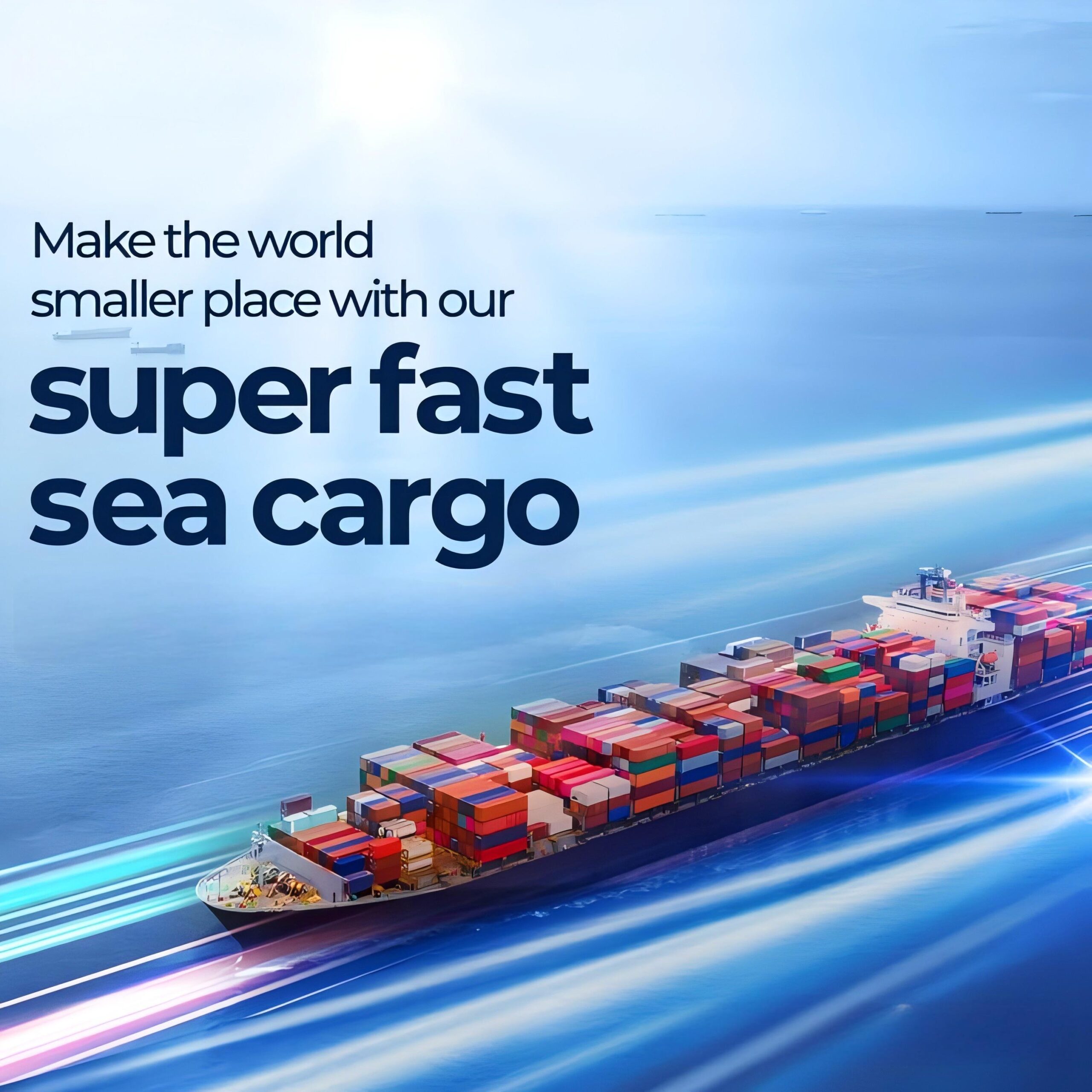
Why You Need Professional Customs Clearance from China to Canada
Importing goods into North America involves adhering to strict guidelines set by the Canada Border Services Agency (CBSA). Consequently, many businesses face significant hurdles when they attempt to manage the process without expert assistance.
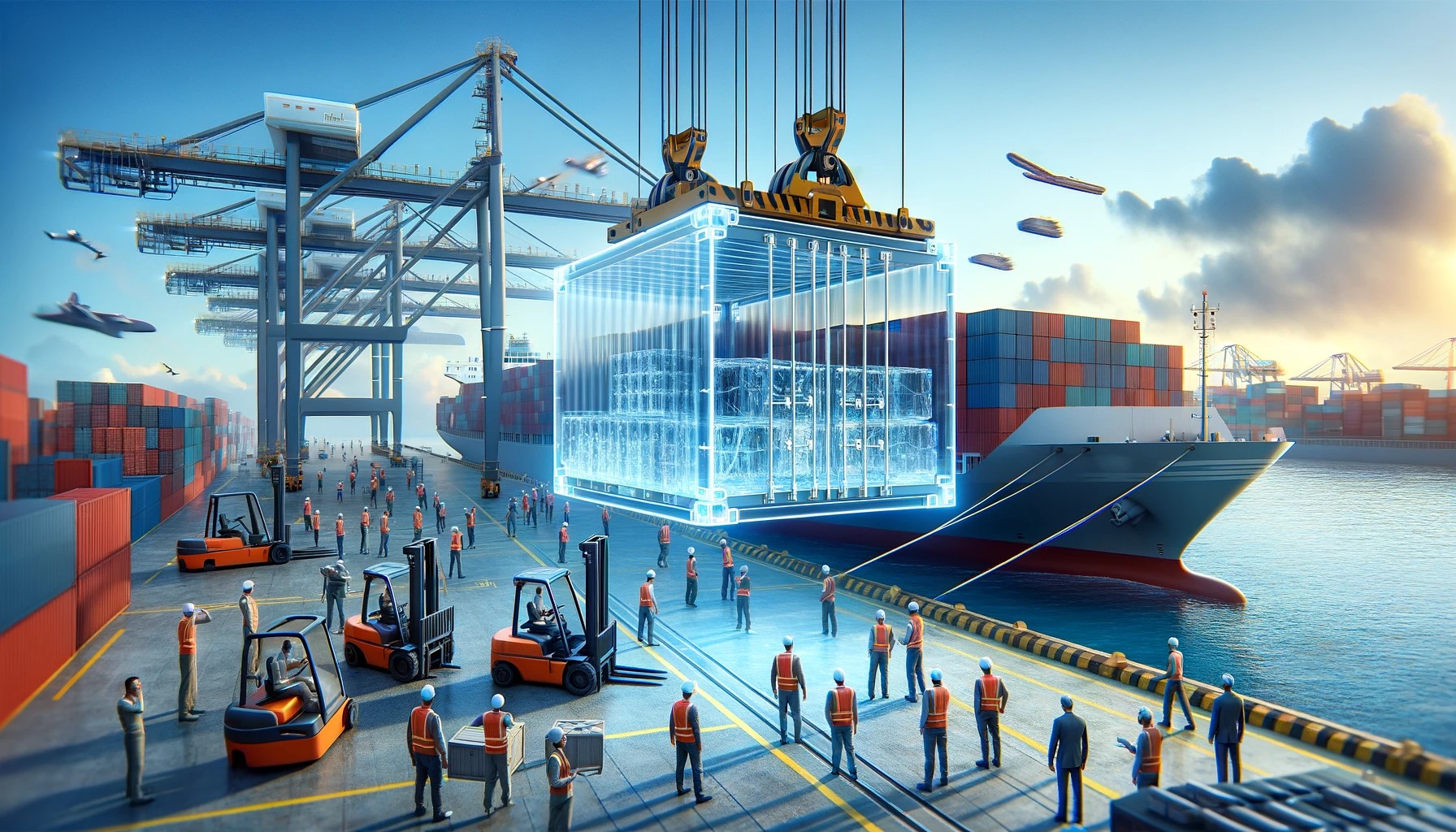
Professional customs clearance from China to Canada minimizes the risk of administrative monetary penalties (AMPs). Furthermore, experienced brokers ensure that your goods are classified correctly under the Harmonized System (HS) codes.

Accuracy in documentation prevents the dreaded ‘Do Not Transmit’ (DNT) status, which can stall your supply chain for weeks. Therefore, partnering with a specialist is an investment in your business continuity.
Our team at Top China Freight understands the nuances of the shipping from China to North America route. We prioritize speed and compliance for every client.
How Does Sea Freight Compare to Other Shipping Options?
Choosing the right transport mode is a critical decision for any importer. While sea freight remains the most popular choice for bulk goods, it is not always the most efficient for every scenario.
Air freight offers unparalleled speed for high-value or perishable items. In contrast, express services provide a seamless door-to-door experience for smaller parcels and samples.
Meanwhile, the cost difference between these methods can be substantial depending on the volume of your shipment. For example, large furniture orders almost always require ocean containers to remain profitable.
| Shipping Method | Cost Range | Transit Time | Best For |
|---|---|---|---|
| Sea Freight (FCL) | $2,500 – $4,500 | 18 – 35 Days | Large bulk shipments |
| Sea Freight (LCL) | $100 – $250 / CBM | 25 – 40 Days | Small to medium cargo |
| Air Freight | $5 – $12 / kg | 3 – 7 Days | Urgent high-value goods |
| Express Service | $8 – $15 / kg | 2 – 5 Days | E-commerce and samples |
Essential Documentation for Professional Customs Clearance from China to Canada
The backbone of successful importation is a complete and accurate document package. Indeed, even a minor error on a commercial invoice can lead to a full secondary inspection by CBSA.
You must provide a Canada Customs Invoice (CCI) for all shipments valued over 2,500 Canadian dollars. Additionally, a detailed packing list and a Bill of Lading are mandatory for all ocean-bound cargo.
Using a customs brokerage service ensures that these forms are prepared according to the latest federal standards. This preparation is especially vital when dealing with restricted or regulated goods.
| Document Name | Responsible Party | Purpose | Criticality |
|---|---|---|---|
| Commercial Invoice | Exporter (China) | Valuation of goods | High |
| Packing List | Exporter (China) | Inventory verification | High |
| Bill of Lading | Carrier | Title of goods | High |
| Canada Customs Invoice | Importer/Broker | CBSA reporting | Mandatory >$2.5k |
Understanding the CARM System and Import Duties
The CBSA Assessment and Revenue Management (CARM) project has revolutionized how importers interact with the Canadian government. Consequently, every importer must now register through the CARM Client Portal to manage their accounts.
Import duties are calculated based on the value for duty, which is usually the price paid to the supplier in China. Moreover, most goods are subject to the 5 percent Goods and Services Tax (GST) upon entry.
However, certain provinces may require the Harmonized Sales Tax (HST) instead of just GST. Without a doubt, understanding these tax implications is vital for calculating your total landed cost accurately.
Alternative Shipping Strategies for Cost Optimization
If your budget is tight, consider consolidating your goods into a single shipment. For instance, Less than Container Load (LCL) allows you to share space with other importers to reduce costs.
Another strategy involves using door to door services to eliminate the hassle of managing multiple logistics providers. This approach simplifies the billing process and often includes customs fees in the total price.
For urgent inventory replenishment, a hybrid sea-air solution can offer a middle ground between cost and speed. This method typically involves shipping by sea to a hub like Los Angeles and then trucking or flying the goods to Canada.
Real-World Case Studies: China to Canada Logistics
Analyzing real-world scenarios helps importers understand the practical application of professional customs clearance from China to Canada. These examples reflect actual market conditions as of early 2025.
Each case demonstrates how specific challenges, such as port congestion or documentation errors, were successfully managed by our logistics team.
Note: Freight rates are subject to change based on fuel costs, carrier capacity, and seasonal demand. Contact us for a current quote tailored to your specific shipment.
Case Study 1: Electronics Shipment to Vancouver
Route: Shenzhen, China to Vancouver, Canada. Cargo: Consumer electronics, 28 CBM, 4,500 kg. Container: 20GP Full Container. Carrier: COSCO. Port of Loading: Shenzhen. Port of Discharge: Vancouver.
Cost Breakdown: Ocean Freight $2,100, Origin Charges $450, Destination Charges $600, Customs and Duties $3,200. Total Landed Cost: $6,350.
Timeline: Booking to Loading 4 days, Sea Transit 16 days, Customs Clearance 2 days. Total Door-to-Door: 22 days. Key Insight: Early CARM registration prevented a potential 5-day delay at the terminal.
Case Study 2: Fashion Apparel to Toronto via Air
Route: Shanghai, China to Toronto, Canada. Cargo: High-end apparel, 2.5 CBM, 450 kg. Method: Air Freight. Service: Major airline. Port of Loading: Shanghai Pudong. Port of Discharge: Toronto Pearson.
Cost Breakdown: Air Freight $3,150, Documentation $150, Destination Handling $200, Customs and Duties $1,800. Total Landed Cost: $5,300.
Timeline: Booking to Loading 2 days, Air Transit 1 day, Customs Clearance 1 day. Total Door-to-Door: 4 days. Key Insight: Using a pre-arrival review system (PARS) allowed the cargo to clear customs before the plane landed.
Which Option Should You Choose for Your Canada Import?
Selecting the best strategy depends on your specific business priorities. If budget is your primary concern, sea freight is the logical choice for large volumes.
Speed priority dictates the use of air freight or express services. Furthermore, if you are selling on platforms like Amazon, our Amazon FBA service handles the specialized labeling and palletizing required for Canadian warehouses.
Cargo type also plays a role; hazardous materials or oversized machinery require specialized handling and specific customs declarations that only a professional can provide.
Mastering Your Canadian Import Strategy
Successfully managing professional customs clearance from China to Canada requires a combination of regulatory knowledge and logistical expertise. By understanding the roles of the CBSA and the CARM system, you can avoid common pitfalls that trap many importers.
Whether you choose sea, air, or express shipping, the key to success lies in meticulous documentation and proactive planning. Top China Freight is committed to providing the support you need to thrive in the competitive Canadian market.
In summary, investing in professional customs clearance from China to Canada is the most effective way to protect your margins and ensure timely delivery to your customers.
Ready to streamline your logistics?
Ensure your business remains compliant and efficient with professional customs clearance from China to Canada. Contact Top China Freight today to receive a customized quote and streamline your international supply chain. Visit our website to start your inquiry now.
Request Quote