

Trusted Customs Clearance from China to USA: The 2025 Guide
Importing goods from overseas requires a deep understanding of complex regulatory frameworks and logistics efficiency. By partnering with a professional team like Top China Freight, businesses can effectively manage their supply chain without facing unnecessary hurdles. Obtaining trusted customs clearance from China to USA is the primary step in ensuring your goods reach their destination on time and within budget. This guide provides comprehensive insights into the current market landscape and compliance requirements.
What is Trusted Customs Clearance from China to USA?
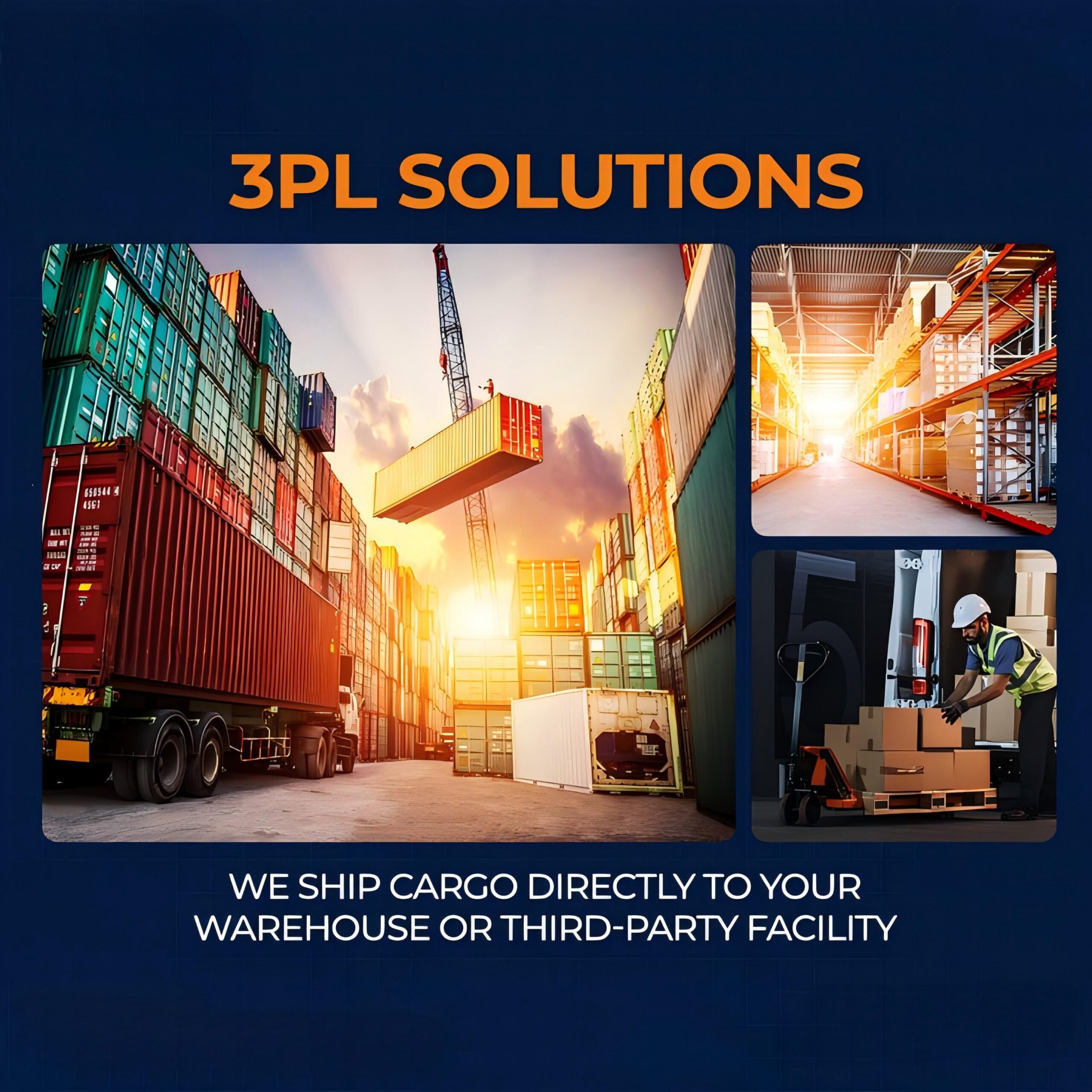
Trusted customs clearance involves the legal process of declaring imported goods to U.S. Customs and Border Protection (CBP). Specifically, this process ensures that all shipments comply with federal laws and that all duties and taxes are paid accurately. Importers must provide detailed documentation to verify the value, origin, and classification of their products.
Furthermore, using a reliable broker helps prevent costly seizures or inspections at the port of entry. Consequently, businesses that prioritize compliance often experience faster transit times and lower overall logistics costs. Indeed, the complexity of modern trade requires a systematic approach to documentation and filing.

Moreover, the role of a customs broker is to act as an intermediary between the importer and the government. They use the Automated Broker Interface (ABI) to transmit data directly to CBP systems. Therefore, selecting a partner with a proven track record is essential for maintaining a seamless supply chain.

Why Trusted Customs Clearance from China to USA is Vital for Success?
Compliance remains the cornerstone of international trade, especially when dealing with high-volume routes from Asia. Nevertheless, many importers overlook the importance of accurate Harmonized Tariff Schedule (HTS) classification. Incorrect codes can lead to significant fines or the application of anti-dumping duties that were not initially factored into the budget.
Additionally, the Importer Security Filing (ISF 10+2) is a mandatory requirement for all ocean shipments entering the United States. Failure to file this information at least 24 hours before the vessel departs China results in automatic penalties. Specifically, CBP frequently issues fines of 5,000 US dollars for late or inaccurate ISF filings.
Ultimately, trusted customs clearance from China to USA protects your business from legal liabilities and financial losses. By ensuring every document is in order, you minimize the risk of your cargo being held for intensive examination. Consequently, your delivery schedule remains predictable, which is crucial for maintaining customer satisfaction.
How Does Sea Freight Compare to Other Shipping Options?
Choosing the right transport mode depends heavily on your budget, cargo volume, and required delivery speed. For instance, sea freight is the most economical choice for large-scale shipments and bulk commodities. In contrast, businesses with urgent needs might prefer faster alternatives despite the higher costs involved.
Moreover, sea freight offers two primary options: Full Container Load (FCL) and Less than Container Load (LCL). FCL is generally faster and safer for large volumes, while LCL allows smaller businesses to share container space. However, LCL shipments often face longer customs processing times due to the consolidation of multiple orders in one unit.
Specifically, as of Q1 2025, ocean freight rates have stabilized but remain sensitive to fuel surcharges and seasonal demand. Importers should consider the following comparison to determine the best fit for their specific logistics strategy.
| Sea Freight (FCL) | $1,600 – $3,800 | 18 – 35 Days | Large Volume |
| Air Freight | $4.50 – $8.00/kg | 3 – 7 Days | Urgent Goods |
| Express Service | $7.00 – $12.00/kg | 2 – 5 Days | Samples/Small |
| Sea-Air Hybrid | $3.00 – $5.00/kg | 12 – 18 Days | Mid-Budget |
What are the Essential Documents for US Customs?
Successful entry into the United States depends on the accuracy of your paperwork. In addition to the commercial invoice, you must provide a detailed packing list and a Bill of Lading (BOL). Furthermore, a customs brokerage professional will require a Customs Power of Attorney (POA) to act on your behalf.
Notably, certain products require additional permits from other government agencies, such as the FDA or EPA. Consequently, failing to identify these requirements early in the process can lead to indefinite delays. Importers should always verify if their products are subject to Section 301 tariffs or other special trade measures.
Indeed, the entry summary Form 7501 is the final document that determines the duties owed to the government. Therefore, ensure your broker has all the necessary information to complete this form accurately. The following checklist outlines the most critical documents needed for a standard shipment.
| Commercial Invoice | Value Declaration | CBP / Broker | Pre-shipment |
| Packing List | Cargo Detail | CBP / Warehouse | Pre-shipment |
| Bill of Lading | Title of Goods | Carrier / CBP | At Loading |
| ISF Filing | Security Check | CBP | 24h Before Sail |
Which Shipping Method Should You Choose for Your Cargo?
Selecting a method requires balancing transit time against the total landed cost. For example, air freight is ideal for high-value electronics or seasonal fashion items that lose value quickly. Meanwhile, industrial machinery or raw materials are almost always moved via ocean carriers to maintain profitability.
Furthermore, you should consider the destination within the USA. Shipments to the West Coast (Long Beach/Los Angeles) are significantly faster than those going to the East Coast (New York/Savannah) via the Panama Canal. Consequently, many importers use transloading services to move goods by truck from the West Coast to inland destinations.
Specifically, if your budget is the priority, choose sea freight and book at least 3-4 weeks in advance. However, if speed is the priority, air freight is the only viable solution for meeting tight deadlines. Hybrid solutions, such as sea-air, can provide a middle ground for businesses looking to optimize both cost and speed.
How Much Does Trusted Customs Clearance from China to USA Cost in 2025?
Pricing for customs services generally includes a flat brokerage fee plus the actual duties and taxes owed. Additionally, you may encounter charges for a customs bond, which is required for all formal entries. A continuous bond is usually the most cost-effective option for businesses that import more than four times per year.
Moreover, current market rates for ocean freight vary by port. As of early 2025, a 20GP container from Shenzhen to Los Angeles costs between 1,600 and 2,200 US dollars. In contrast, shipping the same container to New York can cost between 2,800 and 3,600 US dollars due to the longer distance and canal fees.
Note: Freight rates are subject to change based on fuel costs, carrier capacity, and seasonal demand. Contact us for a current quote tailored to your specific shipment.
| China to USA West | $1,600 – $2,200 | $2,800 – $3,800 | 14 – 18 Days |
| China to USA East | $2,700 – $3,600 | $4,500 – $6,000 | 30 – 35 Days |
| China to USA Gulf | $2,500 – $3,300 | $4,200 – $5,500 | 28 – 32 Days |
| Air Freight (General) | $4.50/kg | $6.50/kg | 3 – 5 Days |
How Can You Reduce Import Duties and Taxes?
Reducing your financial burden requires a proactive approach to trade compliance. For instance, some products may qualify for duty drawbacks if they are eventually re-exported from the United States. Furthermore, checking for Section 301 tariff exclusions can save your business thousands of dollars in extra costs.
Additionally, ensuring that your goods are valued correctly on the commercial invoice is paramount. While it is tempting to undervalue goods, this practice is illegal and leads to severe penalties. Instead, focus on legal strategies like using the First Sale Rule or optimizing your product’s HTS classification.
Ultimately, working with an expert consultant can help you identify legitimate ways to lower your tax liability. Consequently, your business becomes more competitive in the local market. Indeed, many successful importers view customs strategy as a core part of their financial planning.
Case Study 1: Electronics from Shenzhen to Los Angeles
Case Study 01: High-Volume Electronics Import. Route: Shenzhen, China to Los Angeles, USA. Cargo: Consumer Electronics, 68 CBM, 12,500 kg. Container: 1 x 40HQ.
Shipping Details: Carrier: Major Carrier. Port of Loading: Shenzhen. Port of Discharge: Los Angeles. Route Type: Direct. Ocean Freight: 3,100 US dollars. Origin Charges: 450 US dollars. Destination Charges: 600 US dollars. Customs and Duties: 4,200 US dollars. Total Landed Cost: 8,350 US dollars.
Timeline: Booking to Loading: 3 days. Sea Transit: 16 days. Customs Clearance: 2 days. Total Door-to-Door: 21 days. Key Insight: Early ISF filing and a continuous bond allowed the shipment to clear customs before the vessel even docked at the port.
Case Study 2: Furniture from Ningbo to New York
Case Study 02: Residential Furniture Distribution. Route: Ningbo, China to New York, USA. Cargo: Wooden Furniture, 28 CBM, 8,000 kg. Container: 1 x 20GP.
Shipping Details: Carrier: COSCO. Port of Loading: Ningbo. Port of Discharge: New York. Route Type: Transshipment via Panama. Ocean Freight: 2,900 US dollars. Origin Charges: 400 US dollars. Destination Charges: 750 US dollars. Customs and Duties: 1,800 US dollars. Total Landed Cost: 5,850 US dollars.
Timeline: Booking to Loading: 5 days. Sea Transit: 32 days. Customs Clearance: 3 days. Total Door-to-Door: 40 days. Key Insight: Utilizing door to door service simplified the final mile delivery to the warehouse in New Jersey.
Alternative Strategies for Amazon FBA Sellers
Sellers using Amazon FBA must adhere to very strict delivery windows and labeling requirements. Consequently, many choose specialized freight forwarders who understand the specific needs of Amazon fulfillment centers. These providers often offer consolidated shipping options that reduce the cost per unit for smaller sellers.
In addition, using a prep center near the port of entry can help you avoid long-term storage fees at Amazon warehouses. Specifically, you can store your bulk inventory in a third-party facility and drip-feed it into the FBA system as needed. This strategy improves your cash flow and ensures you never run out of stock during peak seasons.
Moreover, air express is often the best choice for restocking top-selling items that have unexpectedly low inventory levels. Although the cost is higher, the speed prevents you from losing your search ranking on the Amazon platform. Therefore, a multi-modal approach is often the most resilient strategy for e-commerce success.
Summary of Trusted Customs Clearance from China to USA
Navigating the logistics landscape requires a blend of regulatory knowledge and strategic planning. By focusing on trusted customs clearance from China to USA, you ensure your business remains compliant and efficient. Always prioritize accurate documentation and choose the shipping method that best aligns with your commercial goals.
Furthermore, staying informed about market trends and tariff changes will help you adapt to the evolving trade environment. Partnering with a professional logistics provider like Top China Freight gives you the peace of mind needed to grow your operations. Start optimizing your supply chain today to secure long-term success in the global marketplace.
Ready to streamline your logistics?
Ready to streamline your imports? Contact us today for trusted customs clearance from China to USA and get a competitive quote tailored to your business needs. Send Inquiry: https://Top China Freight.com/
Request Quote