

Fast Customs Clearance from China to Canada: A Professional Guide for Importers
Achieving fast customs clearance from China to Canada is the cornerstone of a successful international trade operation. Top China Freight understands that delays at the border can lead to significant financial losses and disrupted supply chains. Consequently, importers must stay informed about the latest regulations and logistics trends to ensure their cargo moves seamlessly across borders.

What are the Essential Requirements for Fast Customs Clearance from China to Canada?
Navigating the complexities of the Canada Border Services Agency requires a proactive approach to documentation. For instance, having a complete commercial invoice and a detailed packing list is non-negotiable for any shipment. Moreover, accurately classifying your goods using the correct HTS codes prevents unnecessary inspections and potential fines.

Importers should also consider the benefits of a customs brokerage service to handle the technical aspects of the entry process. Indeed, professional brokers act as intermediaries between your business and the government, ensuring all duties and taxes are calculated correctly. Furthermore, they can advise on specific Canadian regulations that might affect your particular product category.
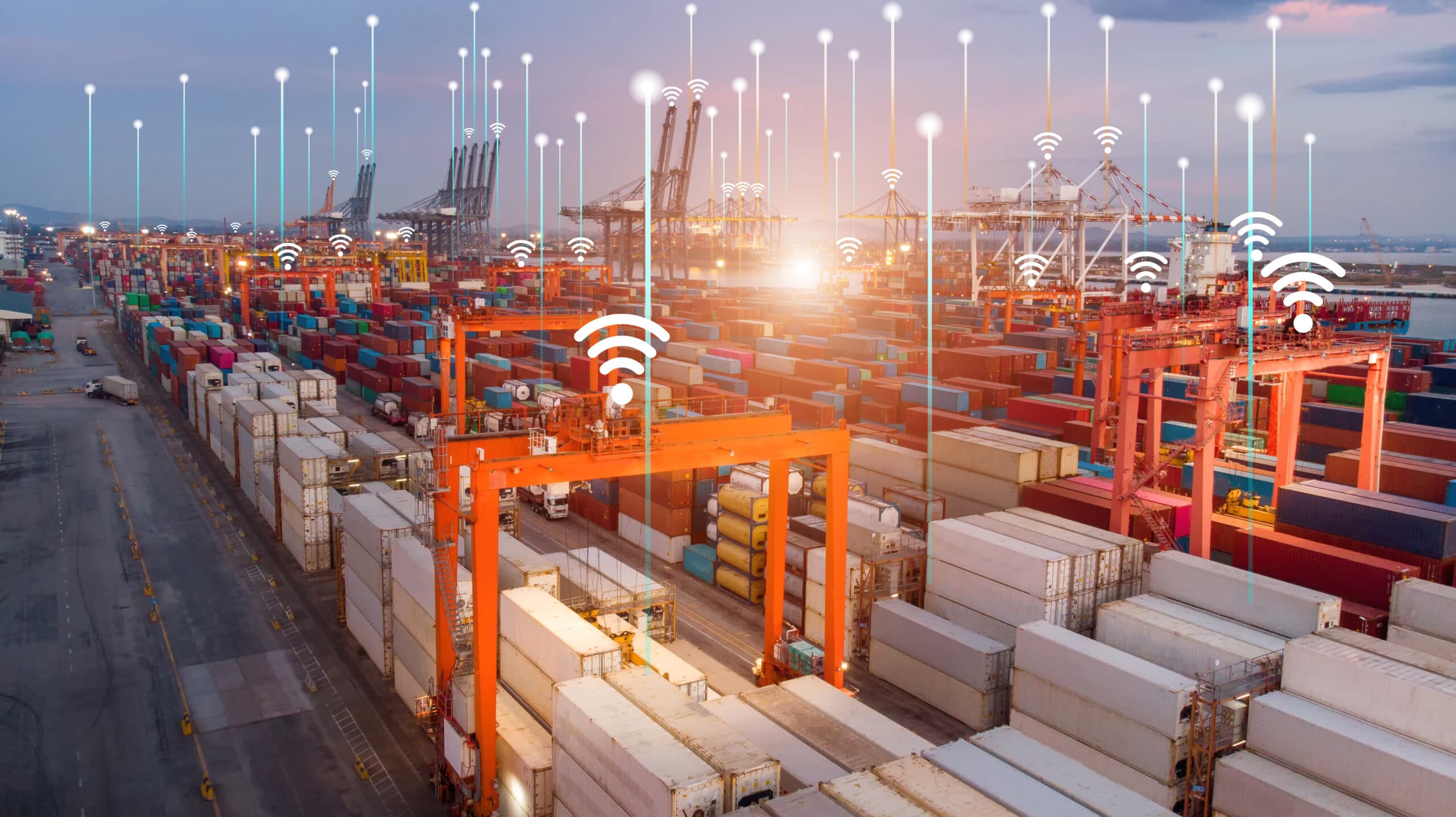
Transitioning to digital documentation can also expedite the process significantly. Many modern logistics providers use electronic data interchange to submit manifests before the vessel even arrives at the port. Therefore, the cargo is often pre-cleared, allowing for immediate pickup upon arrival.
How Does Sea Freight Compare to Other Shipping Options?
When planning your logistics strategy, choosing between different transport modes is a critical decision. While sea freight is often the most economical choice for large volumes, it requires careful planning to avoid bottlenecks. Nevertheless, it remains the backbone of trade for bulk commodities and heavy machinery.
Alternative strategies involve comparing the cost-benefit ratio of Full Container Load versus Less than Container Load shipments. For example, if you have more than 15 cubic meters of goods, FCL is generally more cost-effective and faster because the container is not opened for consolidation. On the other hand, LCL is perfect for smaller batches but may add 3 to 5 days to the total transit time due to the de-consolidation process.
| Shipping Method | Cost Range | Transit Time | Best For |
|---|---|---|---|
| Sea Freight (FCL) | $2,500 – $4,500 | 18 – 35 Days | Large Bulk Shipments |
| Air Freight | $5.00 – $12.00/kg | 3 – 7 Days | High Value Goods |
| Express Service | $8.00 – $15.00/kg | 2 – 5 Days | Urgent Samples |
| Sea-Air Hybrid | Medium | 12 – 18 Days | Balanced Priority |
Which Option Should You Choose for Fast Customs Clearance?
Budget priority often leads importers toward ocean transport, but speed priority necessitates air freight solutions. If your cargo is time-sensitive, such as seasonal fashion or electronics, the higher cost of air transport is justified by the rapid market entry. Additionally, air shipments usually experience fewer customs delays because the volume of paperwork is handled more rapidly by airport authorities.
Cargo type considerations also play a vital role in your decision-making framework. For instance, hazardous materials or oversized equipment might only be eligible for specific sea routes. Meanwhile, small high-value items are best served by door to door express services which include built-in customs handling.
Case Study 1: Electronics from Shenzhen to Vancouver
Route: Shenzhen, China to Vancouver, Canada. Cargo: Consumer Electronics, 12 CBM, 2,400 kg. Container: LCL. Shipping Details: Major carrier via direct route. Port of Loading: Shenzhen. Port of Discharge: Vancouver.
Cost Breakdown: Ocean Freight: $1,250. Origin Charges: $350. Destination Charges: $450. Customs and Duties: $2,100. Total Landed Cost: $4,150. Timeline: Booking to Loading: 3 days. Sea Transit: 15 days. Customs Clearance: 2 days. Total Door-to-Door: 20 days.
Key Insight: Using a direct route to the West Coast saved 10 days compared to transshipment through an inland hub. Based on Q4 2024 market rates, this was a highly efficient shipment for the peak season.
Case Study 2: Furniture from Ningbo to Toronto
Route: Ningbo, China to Toronto, Canada. Cargo: Office Furniture, 68 CBM, 14,000 kg. Container: 40HQ. Shipping Details: COSCO via Prince Rupert. Port of Loading: Ningbo. Port of Discharge: Prince Rupert (Rail to Toronto).
Cost Breakdown: Ocean Freight: $3,800. Origin Charges: $500. Destination Charges: $650. Customs and Duties: $1,500. Total Landed Cost: $6,450. Timeline: Booking to Loading: 5 days. Sea Transit: 18 days. Rail Transit: 6 days. Customs Clearance: 3 days. Total Door-to-Door: 32 days.
Key Insight: Utilizing the rail link from Prince Rupert avoided the congestion often found in Vancouver. This strategy ensured fast customs clearance from China to Canada despite heavy seasonal volumes in early 2025.
Key Documentation Checklist for Canadian Imports
To ensure everything goes smoothly, you must prepare your documentation well in advance. Without a doubt, the lack of a Canada Customs Invoice is the most common reason for shipment holds. Furthermore, you should verify if your products require specific permits from other government departments, such as the Canadian Food Inspection Agency.
Additionally, businesses shipping to North America should be aware of the CARM (CBSA Assessment and Revenue Management) initiative. This project is transforming how the CBSA collects duties and taxes. Accordingly, registering for the CARM Client Portal is essential for all importers to avoid future disruptions.
| Document Name | Purpose | Required By | Format |
|---|---|---|---|
| Commercial Invoice | Value Declaration | CBSA | Digital/Paper |
| Bill of Lading | Title of Goods | Carrier/Customs | Digital |
| Packing List | Cargo Verification | Warehouse/Customs | Paper |
| Certificate of Origin | Tariff Treatment | CBSA | Digital |
How to Reduce Shipping Costs and Avoid Delays?
Cost-saving strategies often involve consolidating shipments or choosing longer transit times for non-urgent goods. For example, shipping during the off-peak season (March to May) can reduce freight rates by 15 to 20 percent. Moreover, palletizing your cargo correctly prevents damage and speeds up the inspection process at the destination warehouse.
Another effective approach is to work with a freight forwarder who offers hybrid solutions. Sea-air combinations can provide a middle ground between the speed of air and the economy of sea transport. Consequently, you can maintain your delivery schedule without overextending your logistics budget.
Mastering the Canadian Import Process
To summarize, achieving fast customs clearance from China to Canada requires a combination of accurate documentation, the right shipping method, and professional support. By staying ahead of regulatory changes like CARM and choosing the most efficient routes, businesses can minimize costs and maximize speed.
Indeed, the landscape of international trade is always evolving, but with the right partners, your logistics can become a competitive advantage. Remember that preparation is the key to avoiding the common pitfalls of cross-border shipping.
Ready to streamline your logistics?
Streamline your supply chain today with our expert logistics solutions. Contact us for a personalized quote on fast customs clearance from China to Canada and let our team handle the complexities for you. Visit our website to learn more. Send Inquiry: info@Top China Freight.com
Request Quote