

Cheap Customs Clearance from China to Canada: 5 Expert Strategies
Starting a successful import business requires finding cheap customs clearance from China to Canada to maintain healthy profit margins. Top China Freight offers professional guidance to help you navigate the complexities of Canadian border regulations without overspending on unnecessary fees. Consequently, you can streamline your supply chain and ensure that your goods arrive at their destination on time and within budget.

Why You Need Cheap Customs Clearance from China to Canada
Managing international trade involves more than just finding a supplier; it requires a deep understanding of the financial implications of border crossing. Therefore, seeking cheap customs clearance from China to Canada is a strategic move for any importer looking to minimize overhead costs. Many businesses lose money because they fail to account for hidden brokerage fees or incorrect tariff classifications that lead to heavy fines.
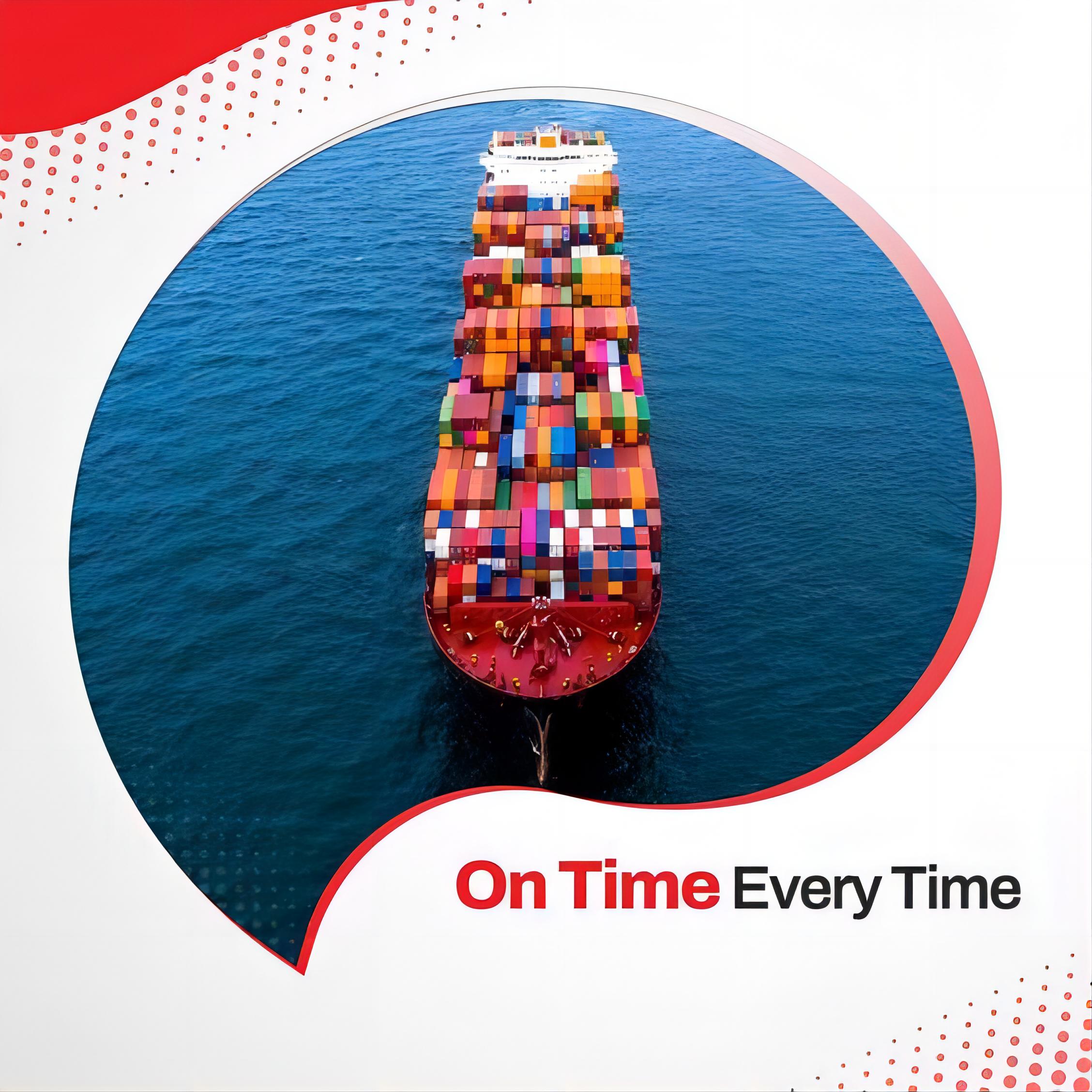
Furthermore, the Canadian Border Services Agency (CBSA) maintains strict protocols for all incoming cargo. If your documentation is incomplete or inaccurate, your shipment might face significant delays at the port of entry. Meanwhile, daily storage fees at the terminal can quickly accumulate, turning a profitable shipment into a financial burden. By prioritizing cost-effective clearance solutions, you ensure a smoother flow of goods.

Additionally, professional logistics partners can help you identify duty relief programs or tax exemptions that apply to specific product categories. For instance, certain goods might qualify for lower rates under international trade agreements. Without expert advice, most importers simply pay the standard rates, missing out on substantial savings that could improve their bottom line.
Understanding the Costs of Importing to Canada
Calculating the total landed cost of your products is essential for setting competitive retail prices in the Canadian market. This calculation includes the purchase price, international freight, insurance, and the various taxes applied at the border. Indeed, the most significant costs usually stem from the Goods and Services Tax (GST) and specific import duties based on the Harmonized System (HS) code.
Moreover, most commercial imports into Canada are subject to a 5 percent GST, which is calculated based on the value of the goods converted to Canadian dollars. However, some provinces may also apply Provincial Sales Tax (PST) or Harmonized Sales Tax (HST) depending on the final destination. Consequently, understanding these regional differences is vital for accurate financial planning and avoiding unexpected bills during the clearance process.
Brokerage fees represent another variable cost that importers must manage carefully. Some brokers charge a flat fee per entry, while others calculate their price based on a percentage of the shipment value. Accordingly, comparing different service providers is the best way to secure cheap customs clearance from China to Canada without sacrificing the quality of the service.
| GST | 5 percent | Value of Goods | Federal tax on imports |
| Import Duties | 0 to 20 percent | HS Code Classification | Varies by product type |
| Brokerage Fee | 100 to 300 USD | Per Shipment/Entry | Negotiable with volume |
| Storage Fees | 50 to 150 USD | Per Day | Applies after free time |
How Does Sea Freight Compare to Other Shipping Options?
Choosing the right transport mode is the first step toward achieving cheap customs clearance from China to Canada. For large volumes of cargo, sea freight remains the most economical choice despite the longer transit times. As a result, businesses often plan their inventory months in advance to take advantage of these lower ocean rates.
In contrast, air freight offers unmatched speed but comes at a premium price that can significantly increase your landed cost. Nevertheless, for high-value electronics or urgent replenishment of stock, the speed of air transport justifies the expense. On the other hand, sea freight allows for the transport of oversized items and bulk commodities that would be physically impossible to move by air.
Hybrid solutions, such as sea-air combinations, provide a middle ground for importers who need a balance between cost and speed. For example, a shipment might travel by sea from China to a hub like Dubai or Los Angeles before being flown into Canada. This alternative strategy can save up to 30 percent compared to pure air freight while cutting sea transit time in half.
| Sea Freight (FCL) | 2,500 – 4,500 | 20 – 35 Days | Bulk goods, large volume |
| Sea Freight (LCL) | 80 – 150 per CBM | 25 – 40 Days | Small shipments, samples |
| Air Freight | 5 – 9 per KG | 3 – 7 Days | High value, urgent items |
| Express Courier | 8 – 15 per KG | 2 – 5 Days | Documents, very small parcels |
Essential Documentation for Canadian Customs
Preparing the correct paperwork is the most effective way to ensure cheap customs clearance from China to Canada. Without a doubt, the Commercial Invoice is the most important document, as it lists the buyer, seller, and the detailed description of the goods. Furthermore, it must clearly state the country of origin and the transaction currency to avoid valuation disputes with the CBSA.
Another critical document is the Packing List, which provides a breakdown of how the goods are packaged, including weights and dimensions. Consequently, customs officers use this list to verify the contents of a container during a physical inspection. In addition, the Bill of Lading (BOL) serves as the contract of carriage and must be endorsed correctly to facilitate the release of the cargo.
Importers should also be familiar with the B3 Canada Customs Coding Form, which is the official accounting document for all commercial goods. While many importers hire a broker to complete this form, understanding its components helps you verify that you are not being overcharged for duties. Therefore, keeping meticulous records is a fundamental part of professional supply chain management.
| Commercial Invoice | Price and Value Proof | CBSA | High – Determines duties |
| Packing List | Inventory Details | Warehouse/Customs | Medium – Used for inspections |
| Bill of Lading | Title of Goods | Carrier | High – Essential for release |
| Certificate of Origin | Verify Manufacturing | Customs | Medium – Duty reduction potential |
Which Option Should You Choose?
Determining the best shipping strategy depends entirely on your specific business priorities and the nature of your cargo. If your primary goal is the lowest possible cost, sea freight is the clear winner for shipments over 100 kilograms. However, if you are shipping lightweight items or need to meet a strict deadline, air freight is often the more logical choice despite the higher price tag.
Budget priority importers should always opt for Full Container Load (FCL) shipping if they have enough volume to fill a 20-foot or 40-foot container. On the other hand, small business owners often prefer Less than Container Load (LCL) to avoid paying for unused space. Without a doubt, optimizing your container utilization is one of the easiest ways to reduce your overall logistics spend.
Volume thresholds play a major role in this decision-making process. For instance, once a shipment exceeds 15 cubic meters, it often becomes cheaper to book a full 20GP container rather than paying for LCL on a per-cubic-meter basis. Consequently, analyzing your shipping patterns over a quarter can reveal significant opportunities for consolidation and cost reduction.
Real Case Studies: China to Canada Logistics
Case Study 1: Electronics Distribution. Route: Shenzhen to Vancouver. Cargo: 500 units of smart home devices, 4 CBM, 850 kg. Method: Sea Freight LCL. Ocean Freight: 450 USD. Customs and Duties: 1,200 USD. Total Landed Cost: 2,150 USD. Transit Time: 22 days. Key Insight: By using LCL instead of air freight, the client saved over 3,000 USD in shipping costs, though they had to wait two weeks longer for delivery.
Case Study 2: Furniture Retail. Route: Ningbo to Toronto via Vancouver. Cargo: Full 40HQ container of office chairs. Method: Sea Freight FCL. Ocean Freight: 3,800 USD. Origin Charges: 250 USD. Customs Clearance: 150 USD. Total Door-to-Door: 5,400 USD. Transit Time: 34 days. Key Insight: Choosing a direct rail-link from Vancouver to Toronto saved the client 5 days compared to an all-water route through the Panama Canal.
Market data suggests that these rates are typical as of early 2025. Note: Freight rates are subject to change based on fuel costs, carrier capacity, and seasonal demand. Contact us for a current quote tailored to your specific shipment.
Strategies for Reducing Brokerage Fees
Reducing your expenses requires a proactive approach to how you handle your customs brokerage requirements. For instance, many companies offer a discount for high-volume importers who process multiple entries per month. Furthermore, ensuring that your supplier provides accurate HS codes on all documents prevents the broker from having to spend extra time researching classifications.
Additionally, consider utilizing a door to door service that includes customs clearance in the total package price. This approach often results in a lower overall cost because the freight forwarder can negotiate better rates with their in-house or partner brokers. Moreover, having a single point of contact reduces the risk of communication errors that lead to costly delays.
Another effective strategy involves applying for the CBSA’s Assessment and Revenue Management (CARM) portal. This initiative streamlines the process of paying duties and taxes directly to the government, potentially reducing the administrative fees charged by third-party brokers. Indeed, staying updated on these digital trends is essential for any modern importer seeking cheap customs clearance from China to Canada.
Expanding Your Reach with Amazon FBA
Selling on international platforms requires a specialized approach to logistics and border crossing. If you are a seller, using an Amazon FBA shipping service can simplify the process of getting goods from China to Canadian warehouses. Consequently, these services are designed to meet Amazon’s strict labeling and packaging requirements while ensuring compliance with Canadian customs.
Furthermore, specialized FBA forwarders often consolidate shipments from multiple sellers to fill a single container. This strategy allows even small-scale entrepreneurs to access the lower rates typically reserved for large corporations. Meanwhile, the forwarder handles the entire clearance process, allowing you to focus on marketing and customer service rather than paperwork.
However, it is important to remember that Amazon will not act as the Importer of Record (IOR) for your shipments. Therefore, you must ensure that your logistics provider can provide a valid IOR service or that you have a registered Canadian business entity. Without this, your goods will be rejected at the border, leading to expensive return shipping fees.
Final Thoughts on Affordable Customs Solutions
Achieving cheap customs clearance from China to Canada is a matter of careful planning, accurate documentation, and choosing the right logistics partner. By understanding the various costs involved, from GST to brokerage fees, you can make informed decisions that protect your profit margins. Additionally, leveraging sea freight for larger volumes and exploring hybrid shipping strategies can provide the balance of speed and cost your business needs.
Indeed, the landscape of international trade is constantly shifting due to new regulations and market trends. Therefore, staying informed and working with experienced professionals like Top China Freight is the best way to navigate these challenges. Start implementing these strategies today to ensure your Canadian import business remains competitive and profitable in 2025 and beyond.
Ready to streamline your logistics?
Ready to save money on your next shipment? Contact Top China Freight today for a customized quote and discover how our experts can provide cheap customs clearance from China to Canada. Visit our website or send an inquiry to start optimizing your supply chain now. Visit: https://Top China Freight.com/
Request Quote