

Cheap Customs Clearance from China to Germany: 2025 Guide
Navigating international trade requires finding cheap customs clearance from China to Germany to maintain business profitability. Top China Freight specializes in streamlining these complex logistics processes for global importers. This comprehensive guide explores how to minimize expenses while ensuring full compliance with German customs regulations.
Why is Cheap Customs Clearance from China to Germany Essential?
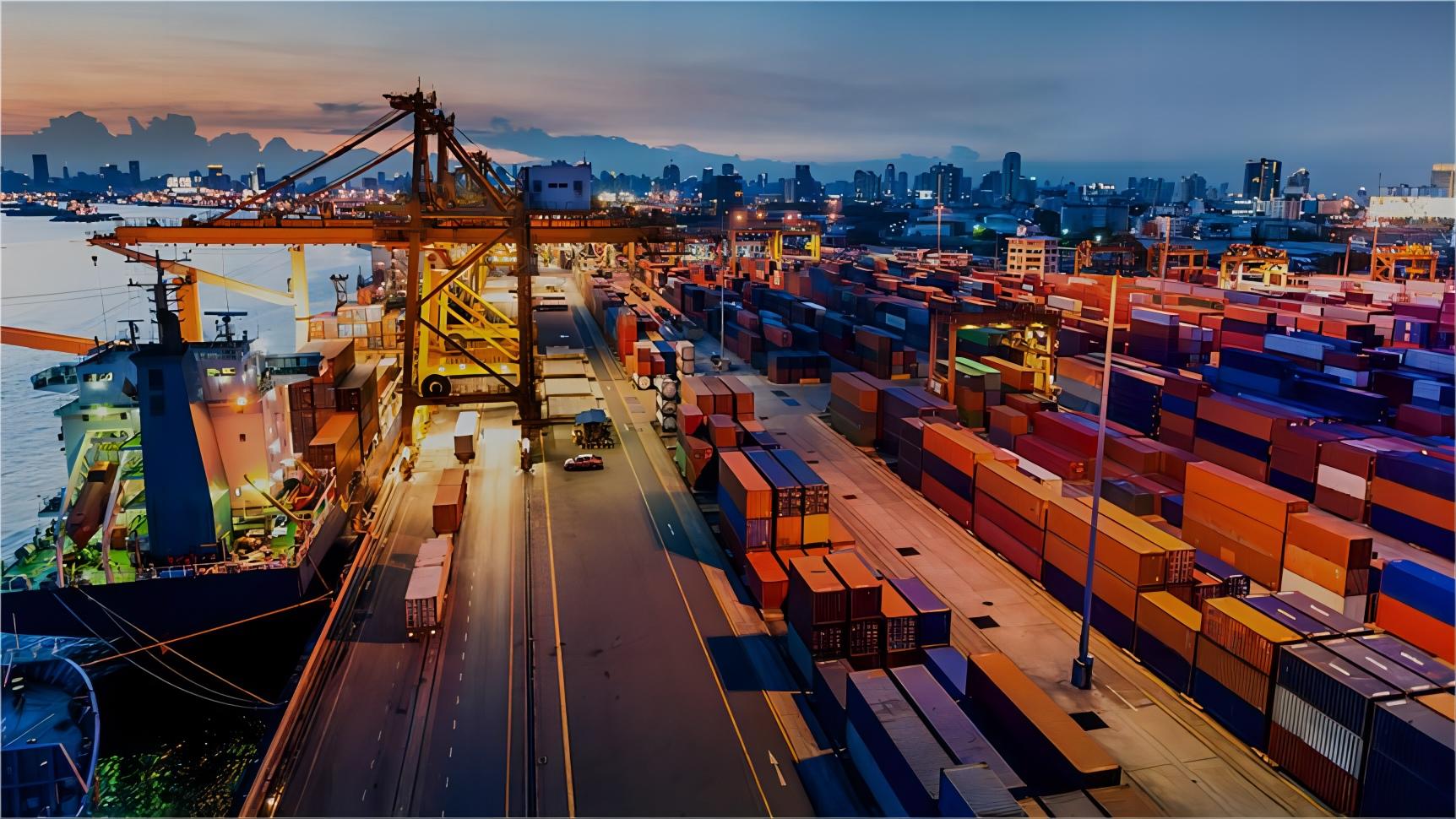
Securing cheap customs clearance from China to Germany allows businesses to remain competitive in a crowded marketplace. Consequently, reducing these overhead costs directly impacts the final retail price of goods. Moreover, efficient clearance prevents costly storage fees at German ports like Hamburg or Bremerhaven.
Furthermore, the German customs authority, known as Zoll, maintains strict standards for all incoming shipments. Therefore, understanding the nuances of the European Union’s Union Customs Code is vital for every importer. Additionally, proper classification of goods ensures you pay only the necessary duties.
Indeed, many businesses struggle with unexpected fees during the import process. Nevertheless, proactive planning and expert guidance can eliminate these financial surprises. Meanwhile, a streamlined supply chain benefits from faster turnaround times and improved cash flow.
How Does Sea Freight Compare to Other Shipping Options?
Choosing sea freight is typically the most economical method for transporting large volumes of goods. However, this method requires the longest transit times, often ranging from 30 to 45 days. In contrast, air freight offers speed but at a significantly higher price point.
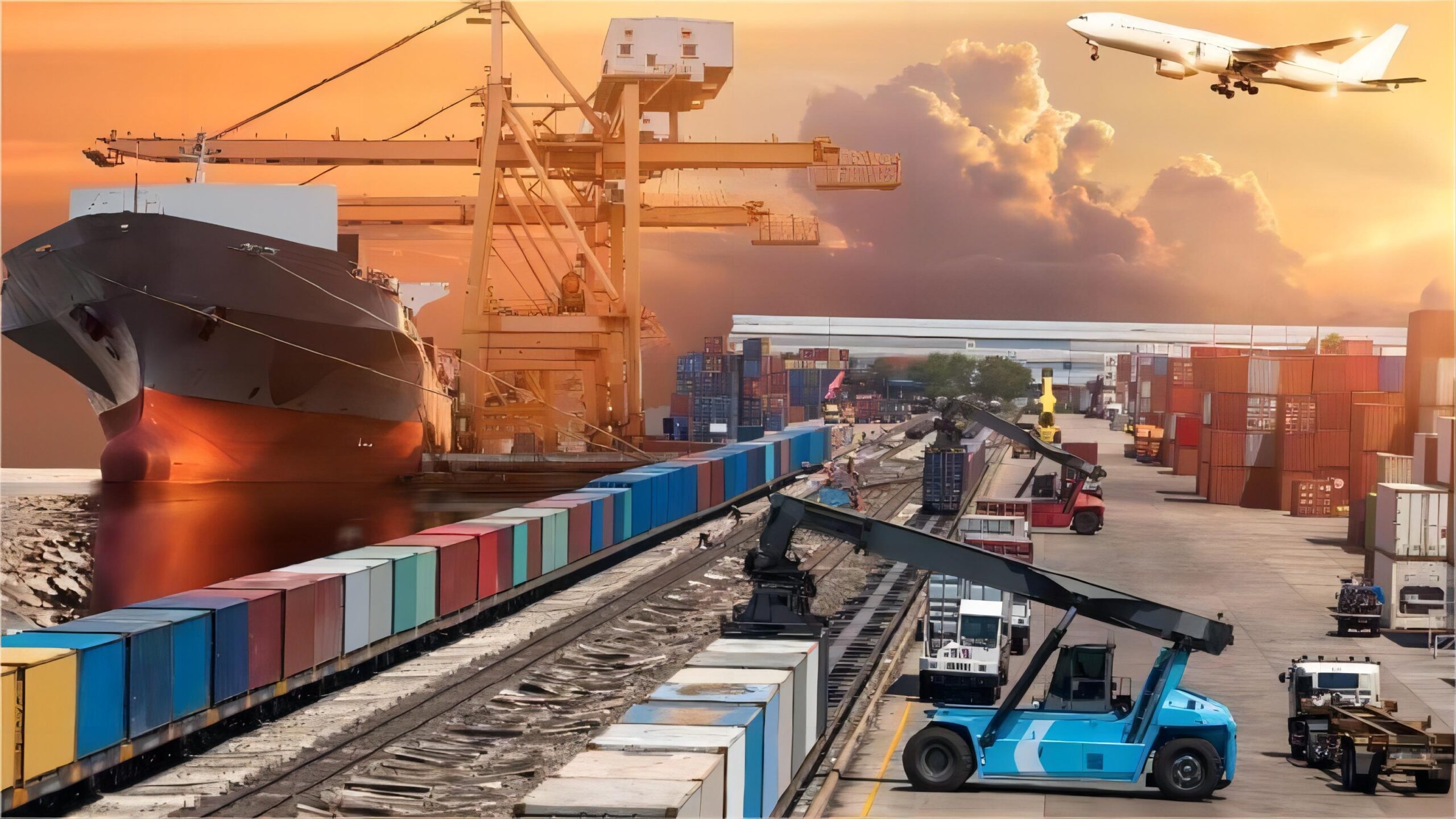
Moreover, sea freight allows for both Full Container Load and Less than Container Load options. Consequently, small businesses can share container space to reduce costs further. Meanwhile, rail freight has emerged as a reliable middle-ground solution for transcontinental trade.
Additionally, the environmental impact of sea freight is lower compared to air transport. Therefore, companies with sustainability goals often prefer ocean routes. Indeed, the cost-to-volume ratio makes sea freight unbeatable for bulk commodities.
| Shipping Method | Cost Range | Transit Time | Best For |
|---|---|---|---|
| Sea Freight | $1,800 – $4,200 | 30-40 Days | Bulk Goods |
| Air Freight | $5,000 – $15,000 | 5-8 Days | High Value |
| Rail Freight | $2,500 – $5,500 | 15-22 Days | Mid-range |
| Express | $10 – $20 per kg | 3-5 Days | Samples |
What Documents are Required for German Customs?
Accurate documentation is the foundation of cheap customs clearance from China to Germany. For instance, a Commercial Invoice must clearly state the value and description of the goods. Furthermore, the Bill of Lading serves as a contract between the shipper and the carrier.
Additionally, an EORI number is mandatory for all businesses importing into the European Union. Consequently, failing to have this number can lead to immediate shipment delays. Moreover, a Packing List provides detailed information about the weight and dimensions of the cargo.
Indeed, specific products may require additional certificates, such as CE marking for electronics. Therefore, importers must verify all regulatory requirements before the cargo leaves China. Meanwhile, the HS code determines the exact duty rate applied to your shipment.
| Document Name | Purpose | Issuer | Criticality |
|---|---|---|---|
| Commercial Invoice | Value Declaration | Supplier | High |
| Bill of Lading | Title of Goods | Carrier | High |
| EORI Number | EU Registration | Customs | Mandatory |
| HS Code | Tax Classification | Importer | High |
How to Calculate Import Duties and VAT for German Shipments?
Understanding tax obligations is crucial for achieving cheap customs clearance from China to Germany. Specifically, the Import Sales Tax, known as Einfuhrumsatzsteuer, is currently set at 19 percent for most goods. However, certain items like books or food may qualify for a reduced rate of 7 percent.
Furthermore, customs duties are calculated based on the CIF value of the shipment. Consequently, this includes the cost of goods, insurance, and freight. Therefore, reducing your freight rates through a professional customs brokerage can lower your overall tax burden.
Moreover, some products from China may be subject to anti-dumping duties. Indeed, these additional taxes can significantly increase the landed cost of your products. Meanwhile, utilizing bonded warehouses can defer tax payments until the goods are sold.
Which Option Should You Choose? A Decision Framework
Deciding on the best shipping route depends on your specific budget and timeline requirements. If cost is your primary concern, rail freight often provides the best balance for shipments from inland China. In contrast, urgent shipments necessitate the higher expense of air transport.
Additionally, volume thresholds play a major role in the selection process. For example, shipments over 15 cubic meters are usually more cost-effective as a Full Container Load. Consequently, smaller shipments should utilize Less than Container Load services to save money.
Furthermore, consider the nature of your cargo when making a choice. Specifically, fragile or perishable goods might require the speed and stability of air freight. Meanwhile, sturdy industrial equipment is perfectly suited for the longer sea voyage.
| Priority | Recommended Method | Cost Level | Speed |
|---|---|---|---|
| Budget | Sea Freight (FCL) | Low | Slow |
| Speed | Air Freight | High | Fast |
| Balance | Rail Freight | Medium | Moderate |
| Flexibility | Sea Freight (LCL) | Medium-Low | Slow |
Real-World Case Studies of Efficient Shipping
Examining real-world scenarios helps illustrate how to achieve cheap customs clearance from China to Germany. For instance, a recent electronics shipment demonstrated the value of proper HS code classification. Consequently, the importer saved thousands in potential duty overpayments.
Moreover, another case involved a furniture retailer using rail freight to bypass port congestion. Therefore, they maintained their delivery schedule while keeping costs lower than air freight. Indeed, strategic routing is a key component of successful international logistics.
Case Study 1: Electronics from Shenzhen to Hamburg
Route: Shenzhen, China to Hamburg, Germany. Cargo: Consumer Electronics, 65 CBM, 12,000 kg. Container: 40HQ. Shipping Details: Major ocean carrier via direct route. Ocean Freight: $2,450. Origin Charges: $350. Destination Charges: $420. Customs and Duties: $1,100 (Estimated). Total Landed Cost: $4,320. Timeline: 33 days total. Key Insight: Using a direct route avoided transshipment delays and reduced the risk of cargo damage.
Case Study 2: Industrial Parts from Ningbo to Duisburg
Route: Ningbo, China to Duisburg, Germany. Cargo: Steel Components, 22 CBM, 8,500 kg. Container: LCL. Shipping Details: Rail freight via the Iron Silk Road. Freight Cost: $3,200. Origin Charges: $280. Destination Charges: $310. Customs and Duties: $650 (Estimated). Total Landed Cost: $4,440. Timeline: 20 days total. Key Insight: Rail freight provided a 15-day time saving over sea freight at a manageable cost increase.
Strategic Tips for Reducing Clearance Expenses
To obtain cheap customs clearance from China to Germany, you should consolidate shipments whenever possible. Furthermore, negotiating Incoterms like FOB rather than EXW can give you more control over shipping costs. Consequently, you can choose your own freight forwarder and negotiate better rates.
Additionally, ensuring your supplier provides accurate documentation prevents costly administrative fines. Moreover, consider using air freight only for high-margin items that require immediate turnover. Indeed, small adjustments in your logistics strategy can lead to significant annual savings.
Meanwhile, staying informed about trade agreements can reveal duty-free opportunities. Therefore, regular audits of your shipping processes are highly recommended. Specifically, look for ways to optimize your packaging to reduce volumetric weight.
Common Challenges in the China-Germany Logistics Route
Importers often face challenges such as port congestion and fluctuating fuel prices. Consequently, these factors can drive up the cost of even the most carefully planned shipments. However, working with an experienced partner helps mitigate these risks through alternative routing.
Furthermore, changes in European Union trade policies can impact import regulations overnight. Therefore, maintaining flexibility in your supply chain is essential for long-term success. Additionally, language barriers and time zone differences can complicate communication with Chinese suppliers.
Indeed, the complexity of German VAT laws requires precise accounting practices. Meanwhile, physical inspections by customs officials can add several days to the clearance timeline. Nevertheless, having all paperwork in order minimizes the likelihood of such inspections.
Future Trends in China-Germany Logistics
The logistics industry is increasingly adopting digital solutions to facilitate Europe trade. Specifically, blockchain technology is being explored to create more transparent and secure documentation processes. Consequently, this could further reduce the administrative costs of customs clearance.
Moreover, the expansion of rail infrastructure across Central Asia continues to improve transit times. Therefore, rail freight is becoming an even more attractive option for time-sensitive cargo. Additionally, there is a growing trend toward green logistics and carbon-neutral shipping options.
Indeed, automation in German ports is speeding up the unloading and inspection process. Meanwhile, AI-driven predictive analytics help companies anticipate and avoid potential supply chain disruptions. Furthermore, the shift toward e-commerce is driving demand for more efficient last-mile delivery solutions.
Achieving Efficiency in International Trade
In summary, obtaining cheap customs clearance from China to Germany requires a combination of strategic planning, accurate documentation, and the right shipping method. By understanding the differences between sea, air, and rail freight, you can make informed decisions that protect your profit margins. Furthermore, staying compliant with German regulations ensures your goods move through the border without unnecessary delays.
As market conditions continue to evolve in 2025, maintaining a flexible and data-driven approach to logistics will be your greatest advantage. Partnering with a professional freight forwarder like Top China Freight provides the expertise needed to navigate these complexities. Start optimizing your import process today to ensure long-term success in the German market.
Ready to streamline your logistics?
Ready to optimize your supply chain and secure cheap customs clearance from China to Germany? Contact Top China Freight today for a customized quote and expert logistics support tailored to your business needs.
Request Quote