

Trusted Customs Clearance from China to Canada: A Complete 2025 Guide
Shipping goods across the Pacific requires precision and expertise to avoid costly delays at the border. Finding trusted customs clearance from China to Canada is the most critical step for any successful import business. This guide provides a comprehensive overview of the logistics landscape, helping you navigate complex regulations with confidence. Navigating the Canadian market requires a deep understanding of compliance and documentation. Consequently, partnering with experts ensures your cargo moves seamlessly through every checkpoint.

Why You Need Trusted Customs Clearance from China to Canada
Reliability in the supply chain starts with professional handling of all legal requirements at the port of entry. The Canada Border Services Agency (CBSA) maintains strict protocols that importers must follow to avoid heavy penalties. Therefore, securing customs brokerage services is essential for maintaining a steady flow of inventory. Moreover, experts can identify potential issues before they cause significant delays.
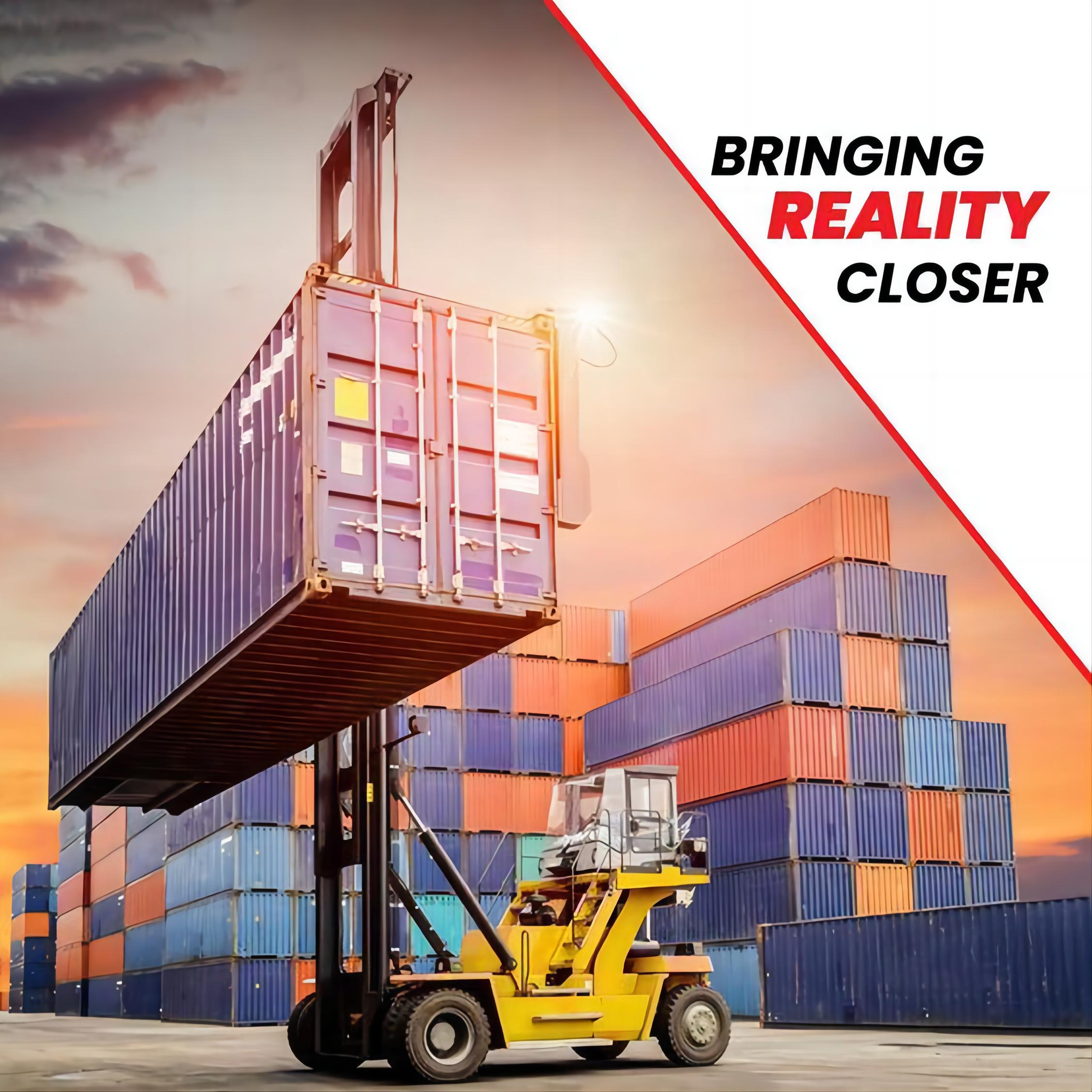
Compliance involves more than just filling out forms; it requires a strategic approach to tariff classification and valuation. Professional brokers understand the nuances of Canadian trade law and can help you minimize unnecessary expenses. In addition, they provide a layer of security by ensuring all HS codes are accurate. Consequently, your business remains in good standing with federal authorities while maximizing profit margins.

Managing international logistics involves high stakes, especially when dealing with high-value cargo or tight deadlines. Trusted partners offer transparency throughout the process, giving you peace of mind during transit. Furthermore, they act as a liaison between your business and government inspectors. Ultimately, this collaboration reduces the risk of cargo seizures or unexpected audits.
Understanding the Canadian Import Process and Regulations
Importing goods into North America involves several mandatory steps that every business owner must master. First, you must obtain a Business Number from the Canada Revenue Agency to act as an importer of record. Meanwhile, you need to determine the correct classification for your products using the Harmonized System. This step is crucial because it dictates the amount of GST and duties you will pay upon arrival.
Documentation serves as the foundation for every successful entry into the Canadian market. You must provide a commercial invoice that clearly states the value, origin, and description of the goods. Additionally, a cargo control document is required to track the movement of your shipment from the point of origin. However, failing to provide accurate data can lead to immediate delays at the border.
Canadian authorities also require specific permits for certain types of goods, such as food, electronics, or chemicals. You should verify these requirements well in advance to ensure your shipment complies with all safety standards. For instance, some products may need certification from Health Canada or the Canadian Food Inspection Agency. Consequently, early preparation is the best way to avoid logistical bottlenecks.
How Does Sea Freight Compare to Other Shipping Options?
Choosing the right transportation mode is a balance between cost-efficiency and the need for speed. While sea freight remains the most popular choice for large volumes, it may not suit every business model. For example, smaller shipments might benefit from faster transit times offered by other methods. Nevertheless, ocean transport offers the lowest cost per unit for bulk commodities.
Alternative strategies like air freight or express services provide much faster delivery but at a significantly higher price point. If you are shipping high-value electronics or urgent medical supplies, the speed of air transport justifies the expense. On the other hand, sea freight is ideal for furniture, machinery, and seasonal consumer goods. Therefore, you must evaluate your inventory turnover and budget before making a final decision.
Hybrid solutions, such as sea-air combinations, are gaining popularity among modern importers seeking a middle ground. These strategies allow you to save money on the long-haul leg while speeding up the final delivery phase. In fact, many businesses use these methods to bypass port congestion during peak seasons. As a result, they maintain a competitive edge without overspending on logistics.
| Sea Freight (FCL) | $2,500 – $4,500 | 18 – 35 Days | Bulk Cargo |
| Sea Freight (LCL) | $80 – $150/CBM | 25 – 40 Days | Small Batches |
| Air Freight | $5 – $12/kg | 3 – 7 Days | Urgent Goods |
| Express Service | $8 – $15/kg | 2 – 5 Days | Samples |
Which Option Should You Choose? A Decision Framework
Determining the best shipping strategy requires a clear understanding of your business priorities and cargo characteristics. If your primary goal is budget optimization, ocean freight is undoubtedly the most suitable path for your operations. Conversely, if you need to restock inventory quickly to meet a sudden surge in demand, air freight is the better choice. In addition, consider the weight and volume of your cargo before selecting a method.
Volume thresholds often dictate when it is more economical to switch from LCL to FCL shipping. Typically, once your shipment exceeds 15 cubic meters, booking a full 20GP container becomes more cost-effective than paying for individual space. Moreover, FCL shipments generally face fewer delays because they do not require consolidation or deconsolidation. Consequently, larger businesses often prefer full containers for their stability and speed.
Cargo type also plays a significant role in determining the most appropriate logistics solution for your needs. Fragile or perishable items require specialized handling and faster transit times to ensure they arrive in perfect condition. Meanwhile, durable goods like textiles or plastic components can withstand the longer transit times associated with sea routes. Therefore, always align your shipping method with the specific requirements of your product line.
Essential Documentation for Trusted Customs Clearance
Accuracy in paperwork is the most effective way to ensure your cargo clears the border without intervention. Every shipment must be accompanied by a detailed packing list that matches the physical contents of the containers. Furthermore, the bill of lading acts as a contract of carriage and a title to the goods. Without these documents, the CBSA will likely hold your shipment for further inspection.
Customs broker fees and import duties must be calculated correctly to avoid financial surprises at the end of the journey. In fact, many importers choose door to door services to simplify the entire payment and clearance process. This approach integrates all costs into a single quote, making it easier to manage your cash flow. Additionally, it reduces the administrative burden on your internal team.
Market data suggests that nearly 20% of shipping delays are caused by missing or incorrect documentation. To prevent this, you should implement a double-check system for all commercial invoices and certificates of origin. Specifically, ensure that the declared value matches the transaction price to avoid accusations of under-valuation. Ultimately, meticulous record-keeping is the hallmark of a professional and trusted importer.
| Commercial Invoice | Valuation | CBSA | Price, Origin |
| Bill of Lading | Title | Carrier | Route, Weight |
| Packing List | Verification | Warehouse | Dimensions |
| Import Permit | Compliance | Government | Safety Standards |
Real-World Case Studies for China to Canada Shipping
Examining actual shipping scenarios provides valuable insights into the costs and timelines you can expect for your cargo. These examples highlight the importance of choosing the right port and method for specific types of products. For instance, shipping to Vancouver is often faster and cheaper than shipping to inland destinations like Toronto. Meanwhile, seasonal variations can impact both price and availability.
Case Study 1: Electronics from Shenzhen to Vancouver. Cargo: 500kg of high-end tablets. Method: Air Freight. Total Landed Cost: $6,500. Sea Transit: N/A. Customs Clearance: 1 day. Total Door-to-Door: 5 days. Key Insight: Using air freight allowed the client to meet a product launch deadline despite manufacturing delays in China.
Case Study 2: Furniture from Ningbo to Toronto. Cargo: 40HQ Container of home decor. Method: Sea Freight (FCL). Total Landed Cost: $5,800. Sea Transit: 28 days. Customs Clearance: 3 days. Total Door-to-Door: 35 days. Key Insight: Choosing FCL reduced the risk of damage and kept the cost per unit extremely low for the retailer.
Note: Freight rates are subject to change based on fuel costs, carrier capacity, and seasonal demand. Contact us for a current quote tailored to your specific shipment.
Market Trends and Logistics Outlook for 2025
As of Q1 2025, freight rates from China to North America have stabilized following the volatility of previous years. However, industry benchmarks suggest that fuel surcharges may fluctuate depending on global energy market conditions. Consequently, smart importers are locking in long-term contracts to protect themselves from sudden price spikes. In addition, the adoption of digital customs platforms is speeding up the clearance process across Canadian ports.
Sustainability is also becoming a major factor in the logistics industry, with many carriers investing in greener technologies. Some businesses now prioritize eco-friendly shipping options even if they come at a slight premium. Furthermore, the expansion of port infrastructure in British Columbia is expected to increase capacity for incoming vessels. As a result, transit times for sea freight are likely to become more predictable over the next twelve months.
Typical rates as of early 2025 indicate that the demand for e-commerce fulfillment remains high. This trend has led to an increase in LCL shipments as smaller businesses expand their reach in the Canadian market. Meanwhile, the use of advanced tracking systems allows importers to monitor their cargo in real-time. Therefore, staying informed about these technological shifts is essential for maintaining a modern and efficient supply chain.
Mastering Your Canadian Import Strategy
Successfully navigating the complexities of international trade requires a combination of knowledge and reliable partnerships. By focusing on trusted customs clearance from China to Canada, you protect your business from unnecessary risks and financial losses. Moreover, understanding the various shipping methods allows you to tailor your logistics strategy to your specific needs.
Meticulous preparation and accurate documentation remain the most effective tools for any importer. Whether you choose sea or air transport, staying compliant with CBSA regulations is the key to long-term growth. Ultimately, a streamlined supply chain is the foundation of a profitable and sustainable business in the competitive Canadian market.
Ready to streamline your logistics?
Ensure your business succeeds with trusted customs clearance from China to Canada by partnering with our expert team today. Contact Top China Freight for a personalized quote and professional logistics support. Send Inquiry to get started with your next shipment.
Request Quote