

Trusted Customs Clearance from China to Spain: The Ultimate Logistics Guide
International trade requires a deep understanding of complex regulations and paperwork to avoid costly delays at the border. When you partner with Top China Freight, you gain access to expert logistics solutions designed to simplify the entire process. Securing trusted customs clearance from China to Spain is essential for businesses that want to maintain a reliable supply chain and minimize unexpected expenses during transit.
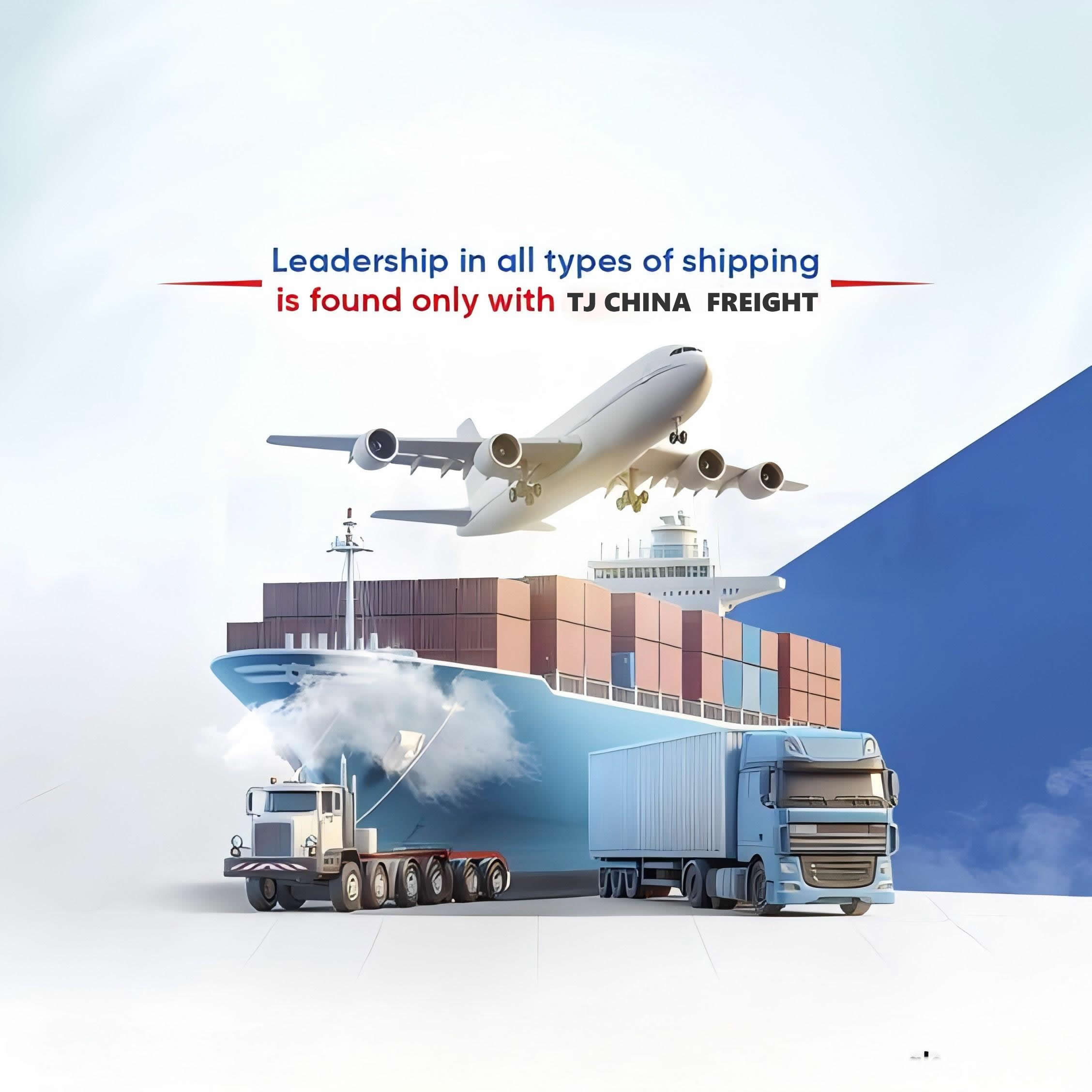
Why You Need Trusted Customs Clearance from China to Spain
Navigating the Spanish customs system involves managing specific European Union regulations and local tax requirements. Consequently, errors in documentation can lead to significant fines or even the seizure of your valuable cargo. Therefore, working with an experienced partner ensures that every legal requirement is met before the ship even leaves the port.

Moreover, Spanish authorities are particularly strict regarding product safety standards and environmental certifications. Trusted experts help you verify that your goods comply with CE marking and other necessary labels. This proactive approach prevents bottlenecks and keeps your delivery schedule on track throughout the year.
Additionally, a professional customs brokerage service can identify potential tax exemptions or reduced duty rates for specific product categories. As a result, you can significantly lower your total landed cost and improve your profit margins. Indeed, logistics efficiency is a competitive advantage in today’s global market.
Understanding Import Duties and VAT in Spain
Spain applies the Common External Tariff of the EU to goods arriving from China. Typically, duty rates vary depending on the HS code classification of your products. For example, electronics might have lower rates compared to textiles or footwear. You must also account for the standard Value Added Tax (VAT) which is generally 21 percent in Spain.
Furthermore, some specific goods may be subject to anti-dumping duties if the EU determines they are being sold below market value. Consequently, it is vital to perform a thorough cost analysis before initiating a large shipment. This preparation ensures that you are not surprised by hidden fees once the cargo arrives at the Port of Valencia or Barcelona.
In addition to duties, you must consider the EORI number requirement for all businesses importing into the European Union. Without this identification number, your goods will remain stuck in customs indefinitely. Nevertheless, obtaining an EORI number is a straightforward process when guided by a knowledgeable logistics provider.
| Document Type | Purpose | Required By | Notes |
|---|---|---|---|
| Commercial Invoice | Proof of value | Customs | Must match packing list |
| Packing List | Inventory detail | Carrier | Lists weight and volume |
| Bill of Lading | Title of goods | Shipping Line | Original or Telex release |
| Certificate of Origin | Verify source | Customs | May reduce duty rates |
How Does Sea Freight Compare to Other Shipping Options?
Choosing the right transport mode depends on your budget, cargo volume, and urgency. While sea freight is the most economical choice for large volumes, it requires the longest lead time. On the other hand, air transport offers speed but at a much higher price point.
For businesses looking for a middle ground, rail freight through the Silk Road initiative provides a balanced solution. This method is faster than the ocean route and cheaper than flying. It has become increasingly popular for shipments moving from central China directly into the European rail network.
Regardless of the method, each option requires specific customs procedures tailored to the mode of entry. For instance, air shipments often undergo faster clearance but face stricter security screenings. Meanwhile, sea containers might be subject to physical inspections at major Spanish ports like Algeciras.
| Method | Cost Range | Transit Time | Best For |
|---|---|---|---|
| Sea Freight | Low | 30 to 45 Days | Bulk goods, FCL |
| Air Freight | High | 3 to 7 Days | Urgent, High-value |
| Rail Freight | Medium | 18 to 22 Days | Mid-sized, Steady supply |
| Express | Very High | 2 to 5 Days | Samples, Small parcels |
Strategic Alternatives for Shipping to Spain
If you are shipping smaller volumes, consider LCL (Less than Container Load) instead of paying for a full 20GP container. This strategy allows you to share space with other importers and split the costs. However, keep in mind that LCL might take a few days longer due to the consolidation and deconsolidation process.
Another alternative is the DDP (Delivered Duty Paid) service, which is often part of a door to door solution. Under DDP, the seller handles all duties and taxes, providing you with a fixed price. This is particularly useful for new importers who want to avoid the complexities of Spanish tax calculations.
For urgent restocking, a hybrid sea-air solution can sometimes save both time and money. You might ship goods by sea to a hub like Dubai and then fly them into Europe for the final leg. Although complex, this strategy helps bypass port congestion during peak seasons like the weeks leading up to the Lunar New Year.
Which Option Should You Choose?
Your decision should be based on a clear hierarchy of priorities. If budget is your primary concern, ocean transport remains the undisputed leader for shipments over 2 CBM. Conversely, if you are launching a time-sensitive marketing campaign, the high cost of air freight is often justified by the rapid return on investment.
Volume thresholds also play a critical role in your logistics strategy. For example, once your shipment exceeds 15 CBM, it is often more cost-effective to book a 20GP container rather than paying for LCL space. This switch not only saves money but also reduces the risk of damage since your goods are not handled as frequently.
Finally, consider the nature of your cargo. Perishable goods or high-tech components require the speed and controlled environment of air transport. In contrast, durable consumer goods like furniture or toys are perfectly suited for the longer transit times of the sea or rail routes.
Real-World Case Studies: China to Spain
Case Study 1: Electronics from Shenzhen to Barcelona. A client needed to move 500 units of computer hardware. We utilized a 40HQ container via a major carrier with a transit time of 32 days. The total landed cost was approximately 4,200 USD excluding duties. By ensuring all CE certifications were ready, the cargo cleared customs in just 2 days.
Case Study 2: Textiles from Ningbo to Madrid. An apparel retailer imported 8 CBM of seasonal clothing using LCL sea freight. The shipment was transshipped via Valencia and reached the Madrid warehouse in 38 days. The ocean freight cost was 650 USD, and the primary challenge was ensuring the T2L document was correctly filed to prove the EU status of the goods upon arrival.
Case Study 3: Urgent Spare Parts from Shanghai to Bilbao. A manufacturing plant required critical machinery parts to avoid a production halt. We arranged express air freight, delivering the 150kg shipment in 4 days. While the cost was significantly higher at 1,200 USD, it saved the client thousands in potential downtime losses.
Step-by-Step Process for Trusted Customs Clearance from China to Spain
The process begins with the correct classification of your goods using the Integrated Tariff of the European Communities (TARIC). This determines the exact duty rate and any restrictions that might apply. Following this, your freight forwarder will prepare the Summary Declaration for the Spanish customs authorities.
Once the vessel arrives, the Single Administrative Document (SAD) must be submitted electronically. This document serves as the basis for the customs declaration and tax assessment. Consequently, accuracy is paramount to avoid the ‘Orange’ or ‘Red’ channels, which involve manual document checks or physical cargo inspections.
After the duties and VAT are paid, the authorities issue a release note. At this stage, your cargo is free to be transported to its final destination in Spain. Without a doubt, having a local partner in Spain to handle these final steps can accelerate the process and resolve any last-minute discrepancies with the port officials.
Mastering Your China to Spain Logistics
To summarize, successful importing requires a combination of strategic planning and expert execution. By focusing on accurate documentation and choosing the right shipping method, you can navigate the complexities of international trade with confidence. Trusted customs clearance from China to Spain is not just about paperwork; it is about ensuring your business stays profitable and your customers stay satisfied.
As market conditions evolve in 2025, staying informed about freight trends and regulatory changes will remain crucial. Partnering with a professional logistics provider like Top China Freight ensures you have the support needed to overcome any challenge. Start optimizing your supply chain today for better results tomorrow.
Ready to streamline your logistics?
Ready to streamline your imports? Contact our experts today for trusted customs clearance from China to Spain and receive a competitive quote for your next shipment. Send Inquiry
Request Quote