


Reliable Express Shipping from China to Italy: A Complete Guide
Finding reliable express shipping from China to Italy is a critical step for businesses aiming to maintain a competitive edge in the European market. By partnering with a dedicated freight forwarder, you ensure your cargo moves swiftly through global logistics channels without unnecessary delays. This guide explores everything from cost structures to customs regulations to help you streamline your supply chain effectively.

Why Choose Reliable Express Shipping from China to Italy?
Speed remains the primary reason why importers prioritize express courier services over traditional methods. Consequently, businesses can respond to market demands in real-time without holding excessive inventory. Reliable express shipping from China to Italy typically reduces lead times from weeks to just a few business days.

Moreover, express services offer superior tracking capabilities compared to standard freight. You can monitor your shipment at every milestone, from the warehouse in Shenzhen to the final destination in Milan or Rome. This transparency builds trust within your supply chain and allows for better planning.
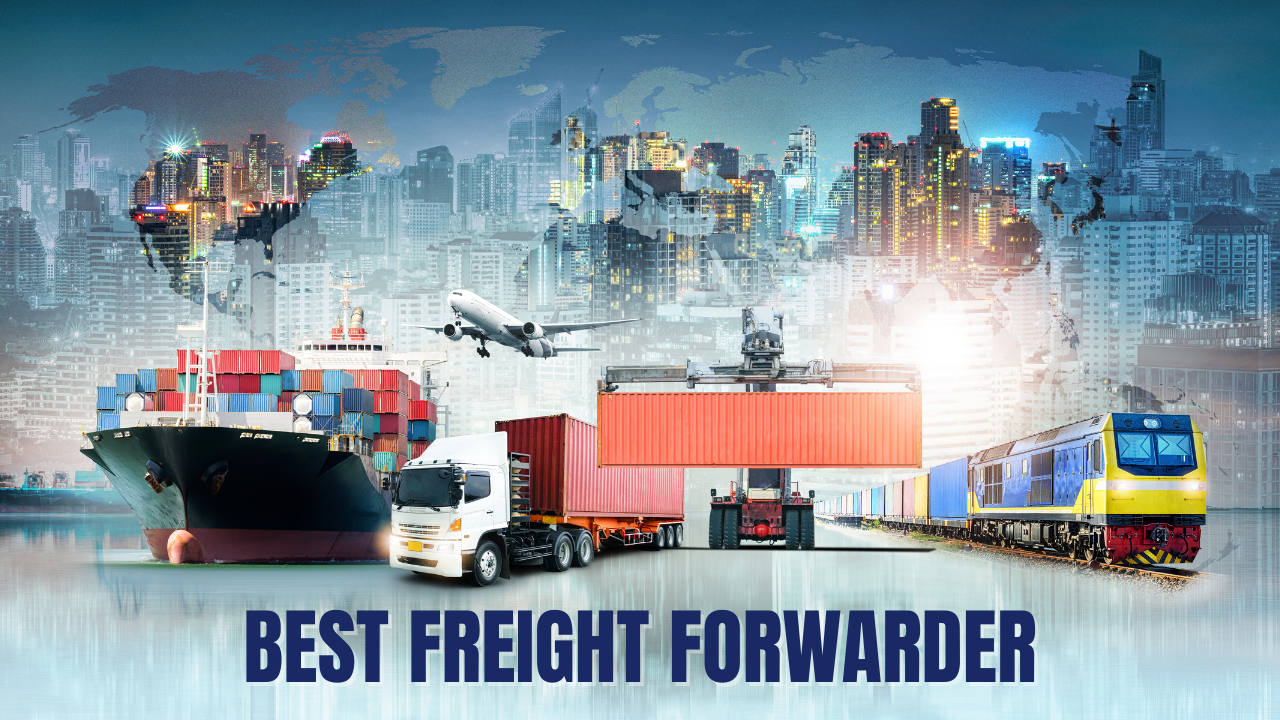
Additionally, choosing a express service often includes comprehensive insurance and specialized handling. Fragile or high-value items benefit from the extra care provided by premium carriers. As a result, the risk of damage or loss during transit is significantly minimized.
How Does Express Shipping Compare to Other Shipping Options?
Understanding the trade-offs between different logistics modes is essential for cost management. While express shipping is the fastest, it is naturally the most expensive option per kilogram. Therefore, you must evaluate whether the urgency of your shipment justifies the higher investment.
For instance, sea freight is ideal for bulky goods but takes over a month to reach Italian ports. In contrast, air freight offers a middle ground but lacks the door-to-door convenience of express couriers. Specifically, express shipping integrates pickup, international transport, and local delivery into one seamless package.
Furthermore, the decision often hinges on the total volume and weight of your goods. Small parcels are almost always better suited for express delivery. However, for shipments exceeding 500 kilograms, traditional air or sea routes become increasingly economical.
| Shipping Method | Cost Range | Transit Time | Best For |
|---|---|---|---|
| Express Shipping | $6 – $12 per kg | 3 – 5 Days | Samples, high-value goods |
| Air Freight | $4 – $8 per kg | 7 – 10 Days | Medium-sized shipments |
| Sea Freight (LCL) | $150 – $300 per CBM | 35 – 45 Days | Bulky, non-urgent cargo |
| Rail Freight | $2 – $4 per kg | 18 – 25 Days | Cost-effective bulk |
Factors Influencing Express Shipping Costs to Italy
Several variables determine the final invoice for your international shipments. Weight is the most obvious factor, but many shippers forget about volumetric weight. Indeed, carriers charge based on whichever is greater: the actual weight or the space the package occupies.
In addition, fuel surcharges fluctuate weekly based on global oil prices. These adjustments can impact your budget if you do not account for them during the quoting process. Consequently, it is wise to request a breakdown of all surcharges before confirming your booking.
Meanwhile, the choice of carrier also plays a significant role in pricing. DHL, FedEx, and UPS each have different rate structures and strengths in the Italian market. By comparing these providers, you can find the best balance between cost and service reliability.
Navigating Customs Clearance and Documentation
Italian customs regulations can be stringent, requiring precise documentation for every import. Without a doubt, errors in your commercial invoice or packing list will lead to costly delays. Therefore, working with a professional customs brokerage service is highly recommended.
Specifically, you must provide a valid EORI number for all commercial shipments entering Italy. This Economic Operators Registration and Identification number is mandatory for customs clearance across the European Union. Furthermore, ensure that your HS codes are accurate to avoid incorrect duty assessments.
As a result of proper preparation, most express shipments clear customs within 24 to 48 hours. However, if the authorities flag your cargo for inspection, the process may take longer. Always keep digital copies of all certificates of origin and compliance documents ready for submission.
| Document Name | Purpose | Required By |
|---|---|---|
| Commercial Invoice | Value declaration | Customs Authority |
| Packing List | Content verification | Carrier and Customs |
| Air Waybill | Contract of carriage | Express Carrier |
| EORI Number | Importer identification | EU Customs |
Transit Times for Major Italian Cities
While Italy is a single destination, transit times can vary slightly depending on the local infrastructure. Milan, as a major economic hub, often receives shipments faster due to its proximity to international airports. Consequently, northern regions typically enjoy the most efficient delivery schedules.
On the other hand, deliveries to southern Italy or the islands like Sicily and Sardinia may require an additional day. This delay is usually due to the extra domestic transit required after the package clears customs in a major hub. Nevertheless, express shipping remains the fastest way to reach these remote areas.
In addition, seasonal peaks such as Black Friday or the Lunar New Year can affect delivery speeds. During these times, the sheer volume of cargo can strain carrier capacity. Therefore, booking your shipments early during peak seasons is a strategic necessity.
Comprehensive Door to Door Delivery Solutions
One of the greatest benefits of express shipping is the door to door service model. This approach eliminates the need for you to coordinate multiple logistics providers. Specifically, the carrier handles everything from the initial pickup in China to the final mile delivery in Italy.
Consequently, this end-to-end solution reduces the administrative burden on your team. You do not have to worry about arranging local trucking or finding a warehouse at the port of discharge. Instead, you can focus on your core business activities while the experts manage the logistics.
Moreover, this integrated service often results in lower total landed costs. By consolidating all steps into a single service, you avoid the hidden fees often associated with fragmented shipping methods. Indeed, the simplicity of one invoice for the entire journey is a major advantage for many small businesses.
Real-World Case Studies: Express Shipping Success
Case Study 1: Electronics to Milan. A tech startup in Shenzhen needed to ship 50kg of prototype tablets to a trade show in Milan. By using reliable express shipping from China to Italy, the cargo arrived in just 3 days. The total cost was $450, and the quick delivery allowed the team to set up their booth ahead of schedule.
Case Study 2: Fashion Samples to Rome. A boutique designer in Rome required urgent fabric samples from a supplier in Guangzhou. The shipment weighed 15kg and was sent via air express. As a result, the samples arrived in 4 days, costing approximately $180, enabling the designer to finalize their collection on time.
Case Study 3: Industrial Parts to Naples. A manufacturing plant in Naples faced a production halt due to a broken component. We arranged an emergency express shipment of a 5kg replacement part. Consequently, the part was delivered in 72 hours, saving the company thousands of dollars in potential downtime.
Strategies to Reduce Your Express Shipping Expenses
While express shipping is premium, there are ways to optimize your spending. For instance, consolidating multiple small orders into one larger shipment can lower the cost per kilogram. Carriers often offer significant discounts for heavier shipments that exceed certain weight brackets.
Additionally, pay close attention to your packaging materials. Bulky boxes with excessive void fill increase your volumetric weight and your bill. Therefore, using appropriately sized boxes and lightweight packing materials can lead to substantial savings over time.
Furthermore, consider using air freight for non-urgent items that still require air transport. While it lacks the door-to-door integration of express, it provides a cheaper alternative for larger volumes. Balancing these two methods within your supply chain is a smart financial move.
Which Option Should You Choose for Italy?
Selecting the right method depends on your specific business priorities. If your main goal is speed and convenience, express courier services are the clear winner. However, if you are shipping large quantities of low-value goods, the cost of express might be prohibitive.
For those shipping to Europe, it is also worth considering the nature of the cargo. Perishable goods or high-security items almost always require the speed and monitoring of express shipping. On the other hand, raw materials are usually better suited for slower, high-volume sea routes.
In addition, evaluate the reliability of your supplier in China. A supplier who consistently misses production deadlines may force you into using express shipping to recover lost time. Consequently, improving your upstream supply chain can help you move toward more cost-effective shipping methods.
Mastering Your Logistics from China to Italy
To summarize, reliable express shipping from China to Italy provides the speed and visibility necessary for modern commerce. By understanding the cost drivers and preparing your documentation in advance, you can avoid the common pitfalls of international trade. Whether you are shipping small samples or high-value electronics, the right logistics partner makes all the difference.
As market conditions evolve in 2025, staying informed about freight trends and customs changes will remain vital. We encourage you to leverage the expertise of professional forwarders to optimize your shipping strategy. Ultimately, a well-managed logistics plan is the foundation of a successful import-export business between China and Italy.
Ready to streamline your logistics?
Ready to streamline your logistics? Contact our team today to secure reliable express shipping from China to Italy and get a custom quote tailored to your business needs. Visit https://Top China Freight.com/ to start your inquiry.
Request Quote