

Trusted Express Shipping from China to Germany: A Complete Guide
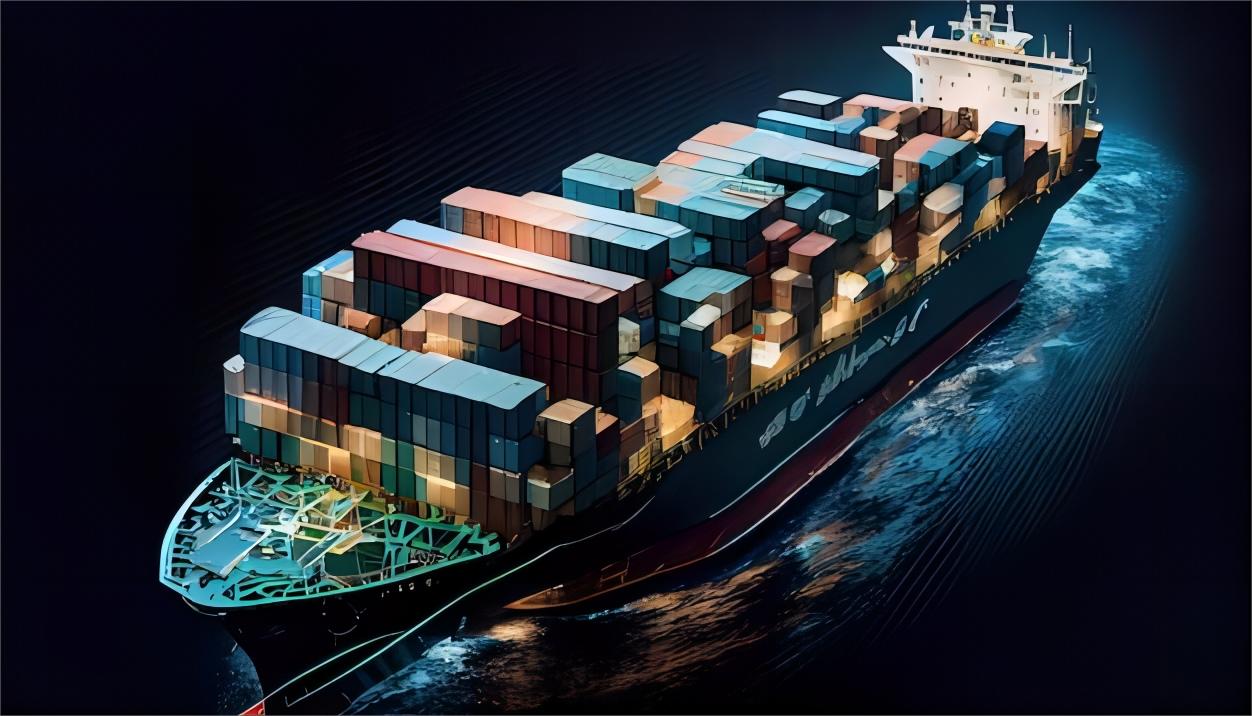
Finding trusted express shipping from China to Germany is essential for businesses that prioritize speed and reliability in their global supply chain. Many importers face challenges with delayed arrivals or complex customs procedures that disrupt their inventory management. However, by partnering with a dedicated logistics provider, you can navigate these hurdles efficiently and ensure your products reach the German market without unnecessary complications.
How Does Trusted Express Shipping from China to Germany Work?
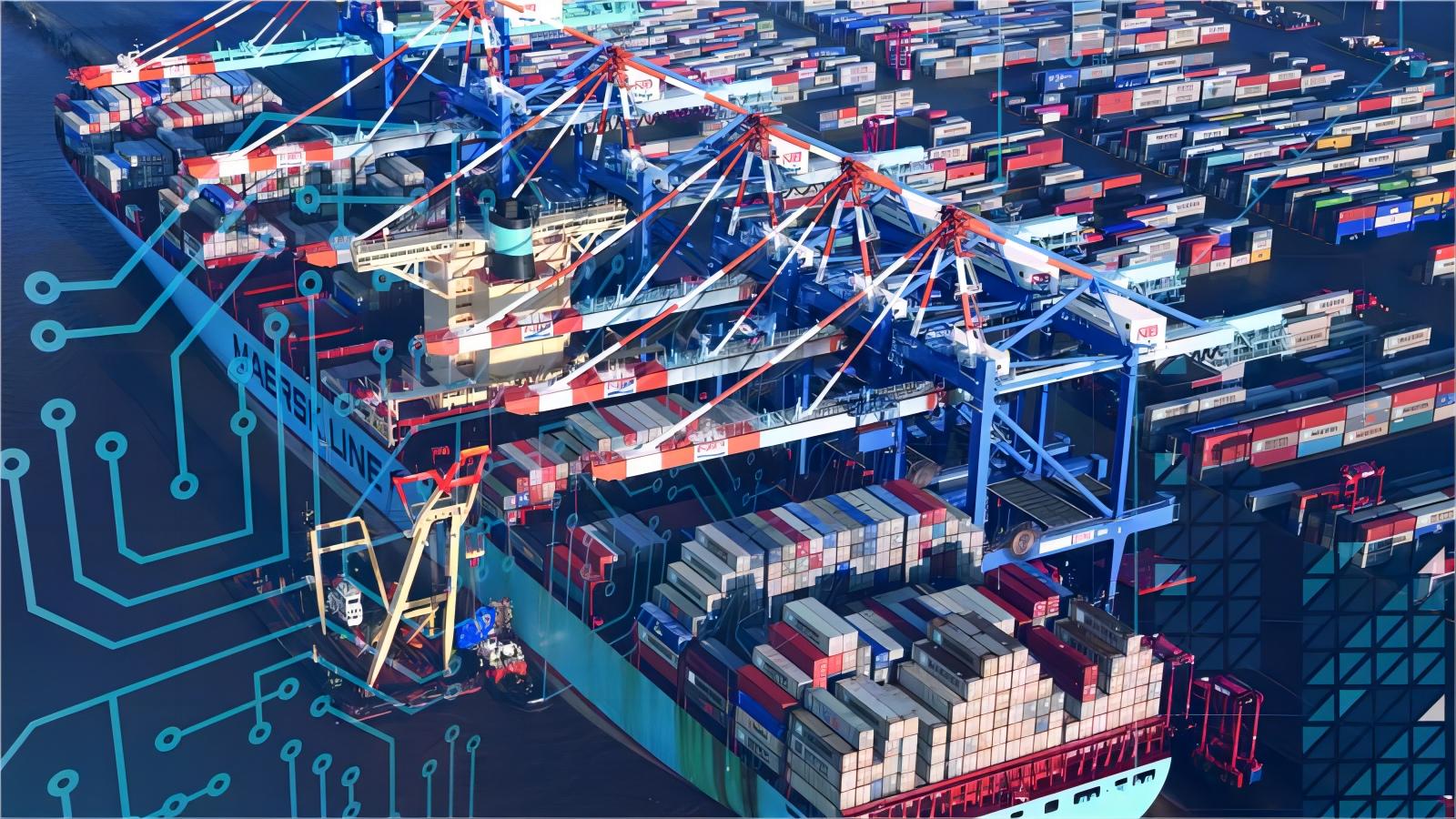
Express shipping functions as a premium logistics solution designed for urgent or high-value cargo. Consequently, this method utilizes dedicated courier networks to move goods from major Chinese hubs like Shenzhen or Shanghai directly to German destinations such as Berlin or Hamburg. This streamlined process minimizes the number of touchpoints, which significantly reduces the risk of damage or loss during transit.
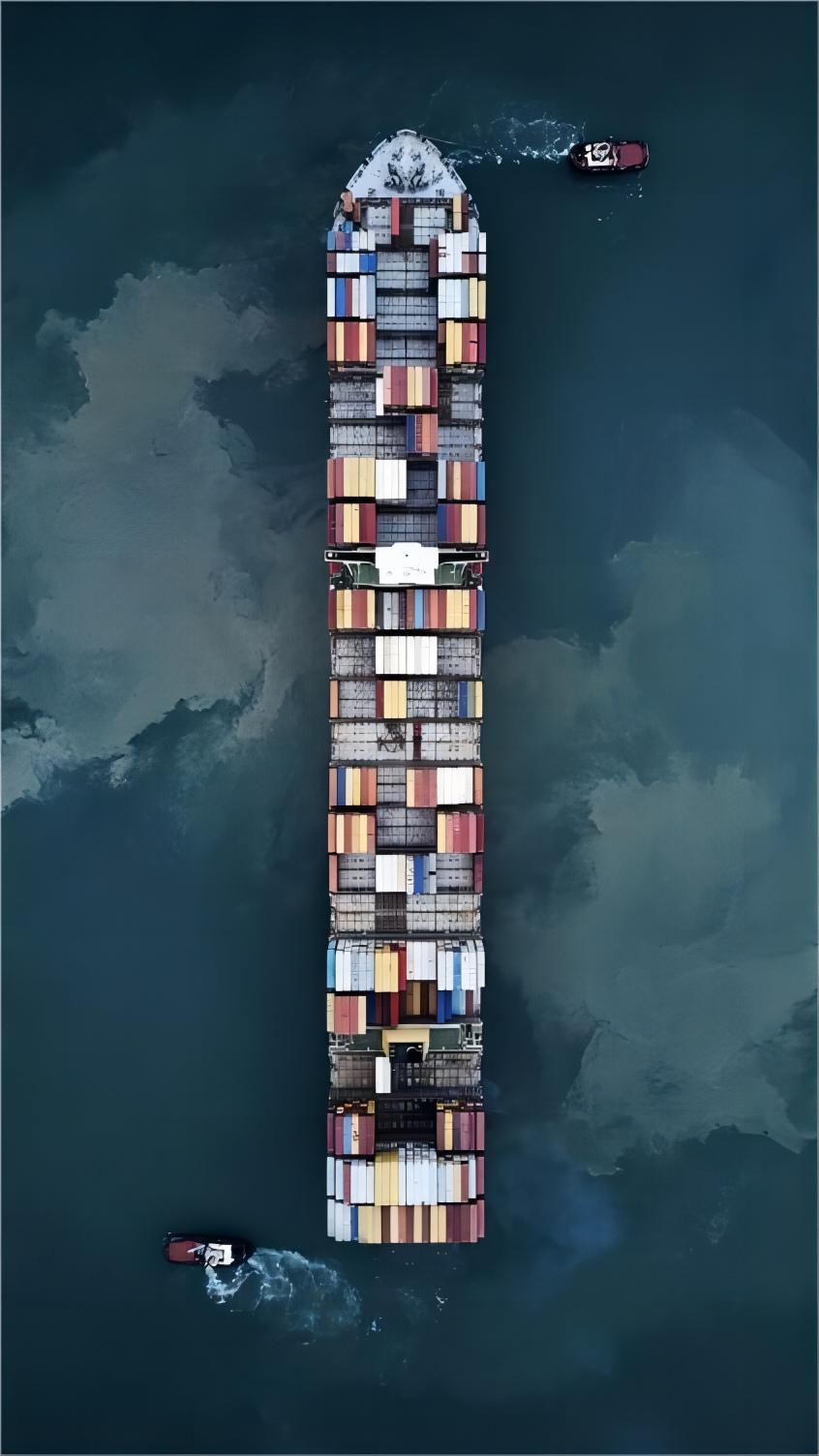
Most providers offer a comprehensive express service that includes pickup, international transport, and final delivery. Furthermore, these services typically include integrated tracking systems that allow shippers to monitor their cargo in real time. This visibility is crucial for maintaining a responsive supply chain and providing accurate delivery estimates to end customers.

Moreover, the process begins with proper packaging and documentation at the origin city. Shippers must ensure that all commercial invoices and packing lists are accurate to prevent delays at the border. After the goods are collected, they are transported to a central sorting facility where they are prepared for international flight departures.
Indeed, the speed of this method is its primary advantage. While traditional methods might take weeks, express solutions often deliver within a matter of days. This rapid turnaround is particularly beneficial for electronics, fashion items, and urgent spare parts that require immediate availability.
How Does Express Shipping Compare to Other Shipping Options?
Evaluating different logistics methods is vital for optimizing your shipping budget and meeting delivery deadlines. While express shipping offers the fastest transit times, it typically comes at a higher price point compared to sea or rail alternatives. Therefore, you must weigh the urgency of your shipment against the total landed cost to determine the best fit.
For instance, air freight is often compared to express courier services. Although both use airplanes, express services usually include door-to-door handling and faster customs processing within their standard rate. In contrast, general air freight might require separate arrangements for trucking and brokerage at both ends.
Meanwhile, sea freight remains the most economical choice for large volumes of goods. However, the transit time for ocean shipments from China to Germany can exceed 35 days. Consequently, sea freight is unsuitable for time-sensitive inventory or seasonal products that need to hit the shelves quickly.
Additionally, rail freight has emerged as a middle-ground solution for shipments to Europe. It offers faster transit than sea and lower costs than air. Nevertheless, it cannot match the 3-5 day window provided by premium express carriers.
| Shipping Method | Cost Range | Transit Time | Best For |
|---|---|---|---|
| Air Express | High ($5-10/kg) | 3-5 Days | Urgent/High-Value |
| Air Freight | Medium ($3-6/kg) | 5-10 Days | Bulk Shipments |
| Rail Freight | Low ($1-2/kg) | 15-22 Days | Mid-sized Cargo |
| Sea Freight | Lowest ($0.5/kg) | 30-45 Days | Large Volume |
Key Benefits of Using Air Express for Your German Shipments
Reliability stands as the cornerstone of express shipping services. When you choose a trusted provider, you benefit from a network that operates on strict schedules with daily flights. As a result, the likelihood of your cargo sitting in a warehouse for extended periods is virtually eliminated.
In addition, the security measures implemented by express carriers are often superior to other methods. Because the cargo is handled within a closed network, there are fewer opportunities for theft or tampering. This makes it the ideal choice for shipping high-end electronics or sensitive documents that require maximum protection.
Furthermore, express shipping simplifies the administrative burden on the shipper. Most express rates are all-inclusive, meaning they cover the cost of customs brokerage and local delivery fees. This transparency helps businesses calculate their margins more accurately without worrying about hidden surcharges.
Another significant benefit is the flexibility offered by these services. Whether you are shipping a small 1kg parcel or a 100kg shipment of samples, express carriers can accommodate various sizes. This scalability allows businesses to start small and increase their shipping volumes as their market presence in Germany grows.
Understanding Customs Clearance and Documentation
Navigating German customs is often the most complex part of the shipping process. Germany has strict regulations regarding product safety, VAT, and import duties that must be followed precisely. Consequently, having a partner who understands the local requirements is essential for avoiding costly delays.
Specifically, every shipment must be accompanied by a detailed commercial invoice. This document should list the Harmonized System (HS) codes for each item, the country of origin, and the true transaction value. Inaccurate declarations can lead to fines or the seizure of goods by the German authorities.
Moreover, businesses should be aware of the EORI number requirement. Any company importing goods into the European Union must have an Economic Operators Registration and Identification number. Without this, the customs clearance process cannot be completed, and your shipment will remain stuck at the port of entry.
Without a doubt, utilizing a door to door service can alleviate much of this stress. These providers handle the communication with customs officials on your behalf. They ensure that all duties and taxes are calculated correctly, allowing for a smooth transition from the airplane to the final delivery van.
| Document Name | Purpose | Required By | Typical Format |
|---|---|---|---|
| Commercial Invoice | Value Declaration | Customs | Digital/Paper |
| Packing List | Content Detail | Carrier | Standard Form |
| Air Waybill | Contract of Carriage | All Parties | Carrier Issued |
| Certificate of Origin | Trade Agreements | Customs | Official Stamp |
Factors Influencing Express Shipping Costs
Shipping costs are rarely static and depend on several dynamic factors. For instance, the weight and dimensions of your package are the primary drivers of the price. Carriers use a calculation known as volumetric weight, which means you might be charged more for a large, light box than a small, heavy one.
Additionally, fuel surcharges play a significant role in the final invoice. These charges fluctuate based on global oil prices and are adjusted monthly by most major carriers. Therefore, it is important to check the current surcharge rates when requesting a quote for your trusted express shipping from China to Germany.
Seasonal demand also impacts pricing throughout the year. During the peak season, which typically runs from August to December, rates can increase by 15-25% due to limited cargo space. Planning your shipments in advance or avoiding these peak windows can lead to substantial cost savings.
Finally, the level of service chosen will affect the total price. Premium options like ‘Express 9:00’ or ‘Saturday Delivery’ come with surcharges. While these are useful for extreme emergencies, standard express services are usually sufficient for most business needs and offer better value for the money.
Case Studies: Successful Shipments to Germany
Case Study 1: Urgent Electronics Restock. Route: Shenzhen to Munich. Cargo: 500 units of high-end tablets, 1.5 CBM, 320 kg. Method: Premium Air Express. Total Landed Cost: $2,850. Transit Time: 4 days. Key Insight: By using express shipping, the client avoided a stockout during a major promotional event, generating $15,000 in additional revenue.
Case Study 2: Industrial Spare Parts. Route: Shanghai to Hamburg. Cargo: Precision CNC components, 0.8 CBM, 150 kg. Method: Standard Express. Total Landed Cost: $1,420. Transit Time: 5 days. Key Insight: The shipment arrived just in time to prevent a factory shutdown in Germany, saving the customer thousands in potential downtime penalties.
Note: Freight rates are subject to change based on fuel costs, carrier capacity, and seasonal demand. Contact us for a current quote tailored to your specific shipment.
Which Shipping Option Should You Choose?
Selecting the right method requires a clear understanding of your priorities. If your primary goal is to minimize costs and you have a flexible timeline, sea freight is undoubtedly the best choice. However, for most modern e-commerce and manufacturing businesses, the speed of express shipping justifies the higher expense.
If your cargo exceeds 200kg, you might consider switching from express courier to traditional air freight. This transition often results in a lower price per kilogram while still maintaining a relatively fast transit time of 7-10 days. On the other hand, for small parcels under 50kg, express services are almost always the most efficient and cost-effective solution.
Furthermore, consider the nature of your goods. Perishable items or high-tech components with short life cycles require the fastest possible delivery. In these scenarios, trusted express shipping from China to Germany is not just an option but a necessity for business survival.
To summarize, analyze your budget, the urgency of the delivery, and the specific requirements of your German customers. By balancing these factors, you can develop a logistics strategy that supports your growth and ensures customer satisfaction.
Final Thoughts on Express Shipping to Germany
In conclusion, securing trusted express shipping from China to Germany is a strategic move for any business looking to excel in the European market. The combination of speed, reliability, and simplified customs clearance makes this method a top choice for high-value and time-sensitive cargo.
By understanding the costs, documentation requirements, and benefits of different logistics options, you can make informed decisions that optimize your operations. Remember to partner with a reputable freight forwarder who can provide the visibility and support needed to navigate the complexities of international trade successfully.
Ready to streamline your logistics?
Ready to streamline your supply chain with trusted express shipping from China to Germany? Contact Top China Freight today to receive a customized quote and expert guidance on your next shipment. Send Inquiry: https://Top China Freight.com/
Request Quote