

China Europe Rail China to Canada: A Complete Logistics Guide
Managing international logistics requires a deep understanding of complex routes like china europe rail china to canada. Businesses must evaluate multiple transport modes to ensure their supply chain remains both resilient and cost-effective. At Top China Freight, we provide expert guidance to help you navigate these global shipping challenges with ease. This guide explores the nuances of Eurasian rail networks and North American maritime routes to help you optimize your shipping strategy.
How Does Rail Freight Compare to Other Shipping Options?
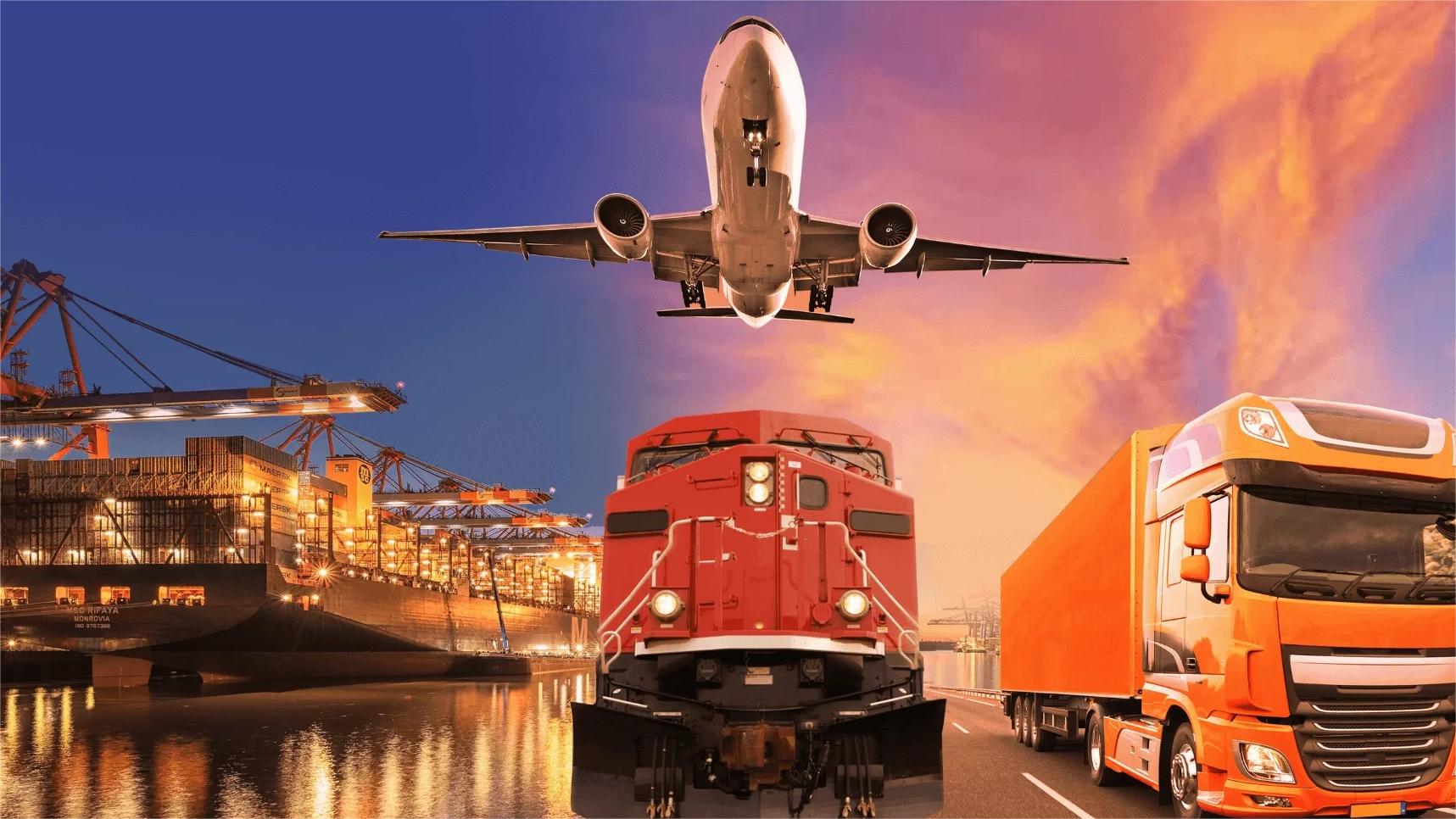
Choosing the right transportation method involves balancing speed, cost, and reliability across different regions. While sea freight remains the most common choice for trans-Pacific routes to Canada, rail freight has revolutionized the connection between China and Europe. Shippers often compare these routes to determine which provides the best value for their specific cargo types and delivery deadlines.
Rail transport offers a middle ground, providing faster transit than sea but at a significantly lower cost than air. Consequently, it has become a staple for high-value industrial goods and electronics moving westward. However, when looking at the china europe rail china to canada context, it is essential to realize that these are distinct corridors with different infrastructure requirements.
Moreover, the reliability of rail has improved significantly due to the Belt and Road Initiative. This initiative has led to better track maintenance and streamlined border crossings between China and Central Asian countries. Therefore, businesses can now plan their inventory with greater precision than ever before.
| Rail (to Europe) | $4,000 – $6,000 | 15 – 22 Days | High-value parts |
| Sea (to Canada) | $2,500 – $4,500 | 18 – 35 Days | Bulk commodities |
| Air Freight | $15,000+ | 3 – 7 Days | Urgent shipments |
| Multimodal | Variable | 25 – 40 Days | Complex routes |
Why Is China Europe Rail China to Canada Logistics Evolving?
Global trade patterns shift constantly due to geopolitical events and economic fluctuations. For instance, disruptions in traditional maritime lanes often force logistics managers to seek alternative pathways. In such scenarios, the china europe rail china to canada discussion becomes highly relevant as companies explore hybrid solutions.
Additionally, the demand for sustainable shipping is driving more interest in rail and sea combinations. Rail transport typically emits less CO2 per ton-mile compared to air transport. Consequently, eco-conscious brands are integrating rail into their broader North America logistics strategies to meet corporate social responsibility goals.
Furthermore, technological advancements in tracking and cargo monitoring have made these long-distance routes more transparent. Real-time data allows shippers to anticipate delays and adjust their distribution schedules accordingly. Indeed, transparency is now a critical component of modern supply chain management.
What Are the Primary Costs for China Europe Rail China to Canada?
Understanding the cost structure is vital for maintaining healthy profit margins. Freight rates are influenced by fuel prices, equipment availability, and seasonal demand peaks. For example, during the pre-Lunar New Year rush, prices for both rail and air freight can spike dramatically.
In addition to base freight rates, shippers must account for terminal handling charges and documentation fees. These ancillary costs can add several hundred dollars to the total landed cost. Therefore, it is important to request a comprehensive quote that includes all potential surcharges.
Meanwhile, customs duties and taxes represent a significant portion of the total expenditure. Each country has specific tariff schedules that apply to imported goods. To avoid unexpected expenses, many businesses utilize professional customs brokerage services to ensure accurate classification and compliance.
| China to Europe Rail | $3,800 – $4,800 | $5,500 – $7,000 | 18 Days |
| China to Canada Sea | $1,800 – $2,800 | $3,200 – $4,500 | 22 Days |
| China to UK Rail | $4,200 – $5,200 | $6,000 – $7,500 | 25 Days |
Can Multimodal Solutions Optimize China Europe Rail China to Canada Routes?
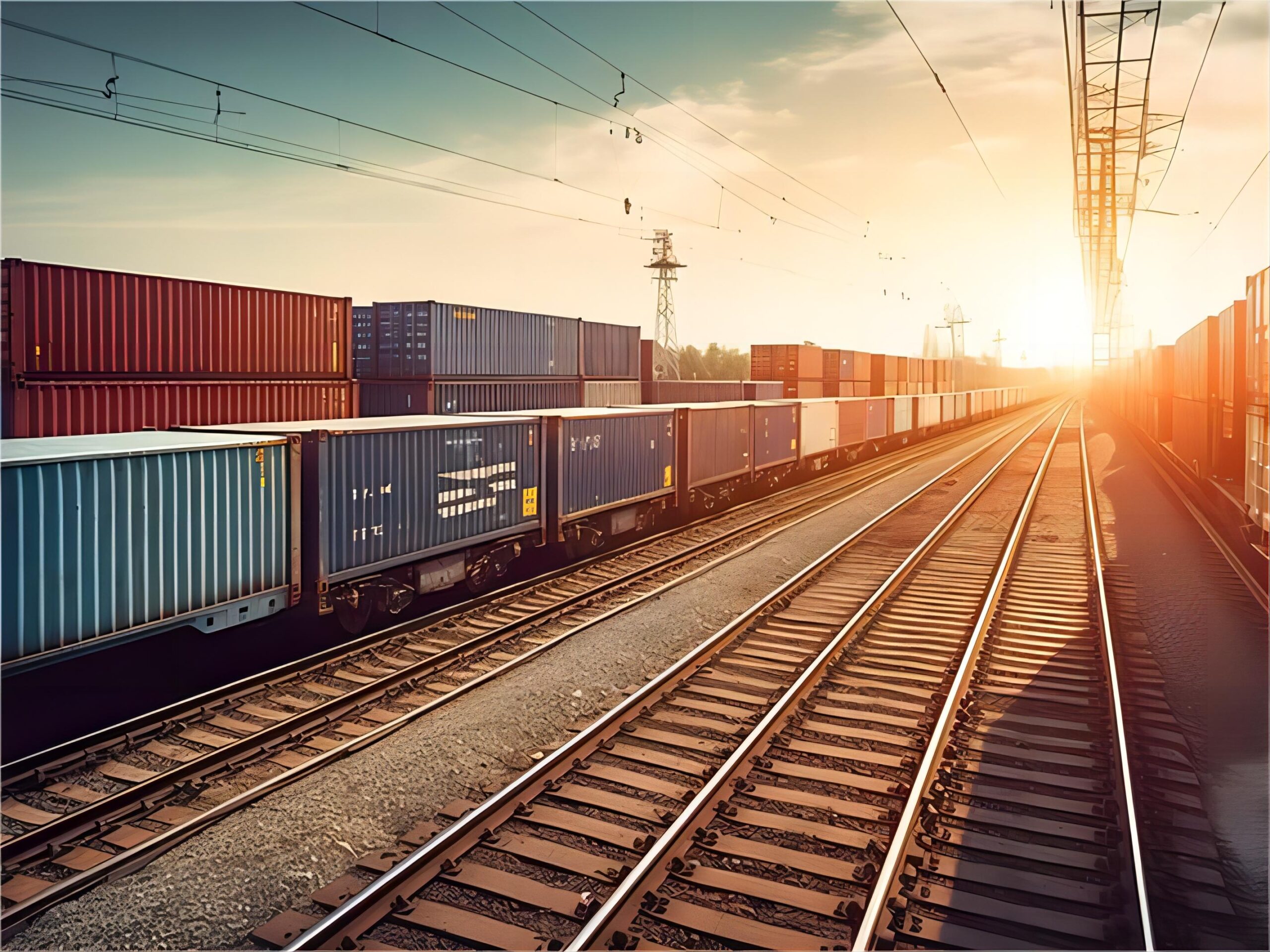
Innovative shippers often combine different transport modes to create a customized logistics plan. For example, one might use rail freight to move goods from inland China to a major coastal port. From there, the cargo can be loaded onto a vessel destined for Vancouver or Montreal.
Alternatively, some companies utilize a Sea-Air strategy to balance speed and cost. This involves shipping goods by sea to a hub like Dubai or Singapore and then flying them to the final destination. Such strategies are particularly effective for seasonal products that must reach the market quickly without the full expense of direct air shipping.
Furthermore, the integration of door to door services simplifies the process for the importer. A single logistics provider manages the entire journey, from the factory floor in China to the warehouse in Canada. This end-to-end management reduces the risk of communication errors and delays at transfer points.
Which Option Should You Choose for Your Cargo?
Deciding on a shipping method requires a clear set of priorities. If your primary goal is cost minimization, ocean freight remains the undisputed leader for large volumes. On the other hand, if you are shipping time-sensitive components for a production line, the china europe rail china to canada multimodal options might be superior.
Consider the volume of your shipment as well. For smaller loads, Less than Container Load (LCL) services allow you to share space and costs with other shippers. Conversely, Full Container Load (FCL) provides more security and faster handling for larger consignments. Indeed, the choice between FCL and LCL can significantly impact your overall logistics efficiency.
Weight and density also play a role in the decision-making process. Air freight is often calculated based on volumetric weight, making it very expensive for heavy, low-value items. In contrast, rail and sea carriers offer more favorable rates for dense cargo, provided that the transit time aligns with your requirements.
Real-World Case Studies in Global Logistics
Examining actual shipping scenarios provides valuable insights into the practical challenges and successes of international trade. These cases reflect market conditions as of late 2024 and early 2025. They illustrate how different businesses navigate the china europe rail china to canada landscape to achieve their goals.
Case Study 1: Electronics from Shenzhen to Toronto. A medium-sized tech company needed to transport 500 units of high-end servers. They chose a direct sea route to Vancouver followed by rail transport to Toronto. The total transit time was 24 days, and the cost was approximately $4,200 per 40HQ container. This approach allowed them to keep shipping costs under 5% of the product value.

Case Study 2: Industrial Machinery from Xi’an to Hamburg. A manufacturer utilized the China-Europe rail link for urgent replacement parts. By using rail instead of sea, they saved 15 days in transit, allowing the client’s factory to resume operations much sooner. The cost was $5,800 for a 20GP container, which was deemed acceptable given the urgency of the situation.
Case Study 3: Seasonal Apparel from Ningbo to Vancouver. During the Q4 peak season, a retailer faced port congestion on the US West Coast. They diverted their shipment to the Port of Prince Rupert in Canada and used inland rail to reach their distribution center. This strategic move avoided a 10-day delay and ensured that the winter collection was on shelves before the holiday shopping season began.
Market Trends and Future Outlook for 2025
Looking ahead, the logistics industry is bracing for further digitalization and automation. Smart containers equipped with IoT sensors are becoming more common on the china europe rail china to canada routes. These devices provide real-time updates on temperature, humidity, and location, which is crucial for sensitive cargo.
Moreover, port expansions in Europe and North America are expected to increase capacity and reduce dwell times. Investments in automated stacking cranes and electric drayage trucks are improving efficiency and reducing the environmental footprint of major terminals. Consequently, shippers can expect more reliable schedules in the coming years.
Nevertheless, market volatility remains a factor that businesses must manage. Fuel surcharges and currency fluctuations can impact freight rates with little warning. Therefore, maintaining a flexible supply chain and working with experienced logistics partners is essential for long-term success in the global marketplace.
Final Thoughts on China Europe Rail and Canada Shipping
Navigating the complexities of china europe rail china to canada logistics is a challenging but rewarding endeavor for global businesses. By understanding the strengths and weaknesses of each transport mode, you can build a supply chain that is both resilient and efficient. Remember that the best shipping method depends on your specific cargo, budget, and timeline requirements.
As market conditions continue to evolve, staying informed about industry trends and cost-saving strategies will remain a competitive advantage. Whether you choose the speed of rail or the capacity of sea, the right logistics plan will help you reach your customers faster and more reliably. Note: Freight rates are subject to change based on fuel costs, carrier capacity, and seasonal demand. Contact us for a current quote tailored to your specific shipment.

Ready to streamline your logistics?
Optimizing your china europe rail china to canada shipping strategy requires expertise and a reliable network of partners. Whether you need fast rail connections or cost-effective sea routes, our team is here to provide tailored solutions for your business. Contact us today to receive a customized quote and streamline your international logistics. Send Inquiry
Request Quote