Amazon FBA Shipping China to Middle East: 2025 Logistics Guide
Navigating the complexities of amazon fba shipping china to middle east requires a deep understanding of international logistics and regional regulations. Many sellers struggle with high costs and unpredictable delays when moving goods from Chinese manufacturing hubs to fulfillment centers in the UAE or Saudi Arabia. Fortunately, Top China Freight provides comprehensive solutions that simplify the entire process for e-commerce entrepreneurs. This guide explores the most efficient methods, current market rates, and essential strategies to optimize your supply chain in 2025.

What are the primary methods for Amazon FBA shipping China to Middle East?
Sellers typically choose between two main transportation modes when arranging their supply chain from China to the Middle East. Selecting the right method depends entirely on your budget, inventory volume, and how quickly you need your products to go live on the Amazon marketplace.
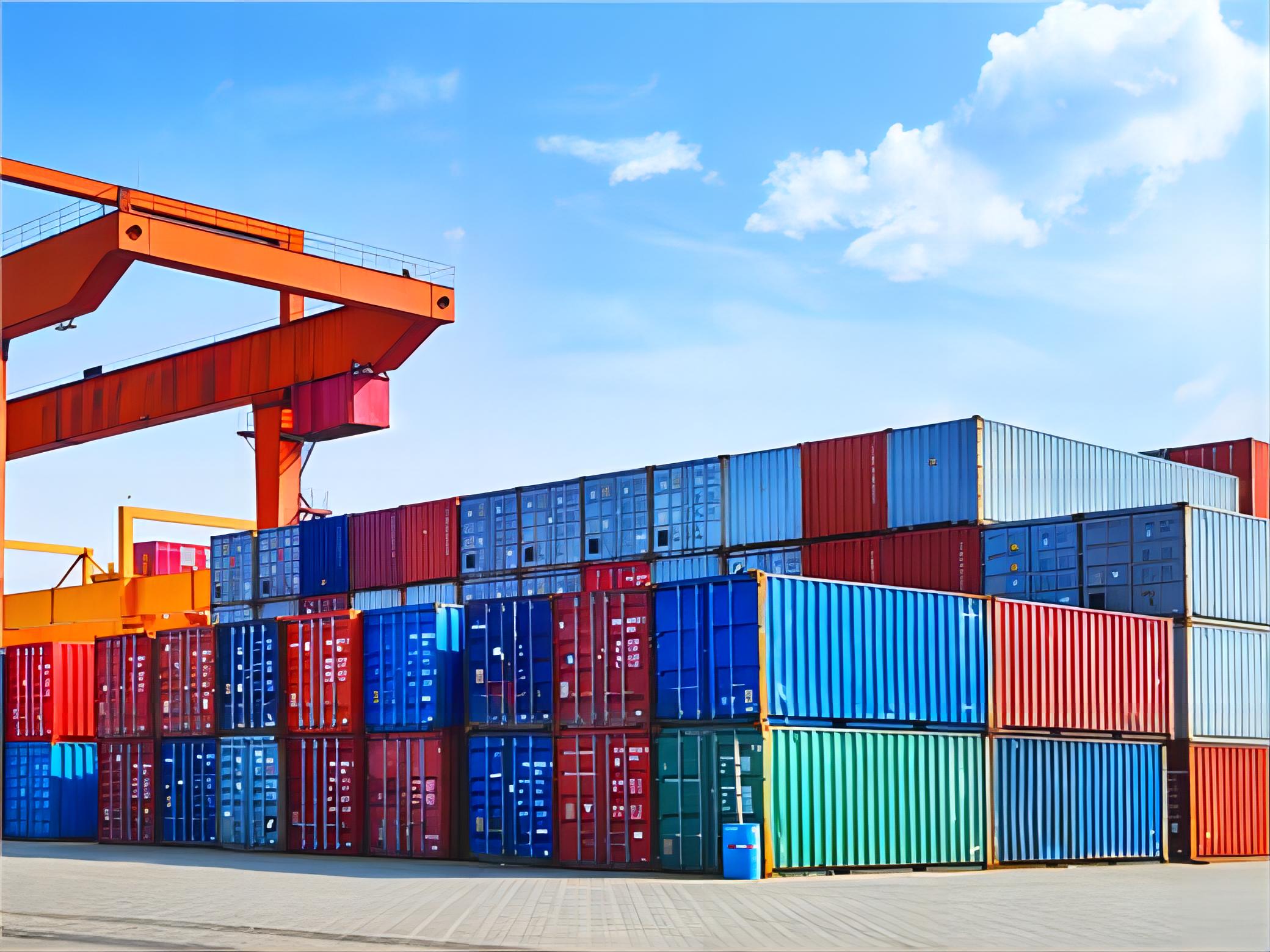
Choosing sea freight remains the most popular choice for businesses moving large volumes of inventory. This method offers the lowest cost per unit, making it ideal for bulky items or shipments exceeding 2 cubic meters. Furthermore, ocean transport provides high stability in pricing despite seasonal fluctuations.
Alternatively, air freight serves as the fastest solution for high-value or time-sensitive goods. While the cost per kilogram is significantly higher than sea transport, the reduced transit time allows sellers to restock popular items quickly. Consequently, air shipping helps maintain high seller ratings by preventing out-of-stock scenarios during peak shopping seasons.
Moreover, express courier services provide a specialized door-to-door solution for smaller parcels or initial product samples. These services utilize networks like DHL, FedEx, or UPS to bypass traditional freight forwarding steps. Importantly, express shipping usually includes integrated customs handling, which speeds up the delivery process for lightweight packages.
How much does Amazon FBA shipping China to Middle East cost in 2025?
Estimating the total landed cost for Amazon FBA shipments involves several variables including fuel surcharges and seasonal demand. As of early 2025, market rates have stabilized following the disruptions seen in previous years. However, sellers should still account for potential fluctuations during the Q4 peak season.
Typically, sea freight rates for a 20GP container from Shenzhen to Jebel Ali range between $1,800 and $2,400. For smaller shipments, Less than Container Load (LCL) rates often sit between $60 and $110 per cubic meter. Indeed, these prices are significantly more economical than air freight for long-term inventory planning.
Meanwhile, air freight costs currently fluctuate between $4.50 and $7.50 per kilogram depending on the destination city and cargo weight. Specifically, shipping to Riyadh or Jeddah may incur slightly higher costs than shipping to Dubai due to airport handling fees. To summarize, sellers must balance speed and cost to maintain healthy profit margins on the Middle Eastern Amazon platforms.
| Shipping Method | Average Cost Range | Unit | Best For |
|---|---|---|---|
| Sea Freight LCL | $60 – $110 | Per CBM | Small-Mid Volume |
| Sea Freight FCL | $1,800 – $3,500 | Per 40HQ | Bulk Inventory |
| Air Freight | $4.50 – $7.50 | Per kg | High-Value Goods |
| Express Shipping | $7.00 – $12.00 | Per kg | Samples/Urgent |
How does sea freight compare to other shipping options?
Analyzing the trade-offs between different logistics strategies is essential for any successful Amazon seller. While sea freight is the backbone of global trade, it is not always the most efficient choice for every business model. For instance, a seller launching a new product might prefer air freight to test the market before committing to a full container.
Moreover, the transit time difference between sea and air is substantial. A sea voyage from China to the Middle East generally takes 25 to 35 days, whereas air cargo arrives within 5 to 9 days. Therefore, businesses must weigh the cost savings of ocean transport against the opportunity cost of having capital tied up in inventory for a month.
In contrast, hybrid solutions like sea-air freight are gaining popularity among logistics professionals. This approach involves shipping goods by sea to a hub like Singapore or Colombo and then flying them to the final destination. Consequently, this method offers a middle ground in terms of both cost and speed, providing a flexible alternative for complex supply chains.
| Method | Cost Level | Transit Time | Limitations |
|---|---|---|---|
| Sea Freight | Low | 25-35 Days | Port Congestion |
| Air Freight | High | 5-9 Days | Weight Limits |
| Express | Highest | 3-5 Days | Strict Customs |
| Sea-Air | Medium | 15-20 Days | Complex Transit |
What documents are required for customs brokerage in the Middle East?
Successfully clearing customs in countries like the UAE or Saudi Arabia requires meticulous attention to documentation. Any errors in your paperwork can lead to significant delays, storage fees, or even the seizure of your inventory. Therefore, partnering with a professional customs brokerage service is highly recommended for first-time exporters.
Specifically, you will need a Commercial Invoice that clearly states the value, quantity, and description of your goods. Additionally, a detailed Packing List is mandatory for port authorities to verify the contents of each carton. Without a doubt, the Bill of Lading (for sea) or Air Waybill (for air) serves as the most critical document for tracking and ownership.
Furthermore, many Middle Eastern countries require a Certificate of Origin to determine applicable trade duties. Certain product categories, such as electronics or cosmetics, may also need specific certifications like SASO for Saudi Arabia or ESMA for the UAE. Consequently, preparing these documents in advance ensures a smooth transition from the port to the Amazon fulfillment center.
Why choose door to door services for Middle East FBA?
Utilizing door to door shipping simplifies the logistics chain by consolidating all steps into a single service. Instead of managing separate carriers for ocean transit, customs, and local trucking, sellers can rely on one provider to handle everything. This integration significantly reduces the risk of communication breakdowns between different parties.
Additionally, door-to-door services often include ‘Delivered Duty Paid’ (DDP) options. This means the freight forwarder handles all import duties and taxes on behalf of the seller, providing a clear, all-inclusive price. Indeed, this transparency is invaluable for budgeting and ensures that Amazon warehouses do not reject shipments due to unpaid fees.
Moreover, specialized FBA forwarders understand the strict labeling and palletization requirements of Amazon’s Middle Eastern facilities. They ensure that every box meets the specific dimensions and weight limits imposed by the fulfillment centers. As a result, your inventory is processed faster once it reaches the warehouse, allowing you to start selling sooner.
Real-World Case Studies: China to Middle East Shipments
Case Study 1: Electronics Shipment to Dubai
Route: Ningbo, China to Jebel Ali, UAE. Cargo: 15 CBM of consumer electronics (Bluetooth speakers). Method: Sea Freight LCL. Total Cost: $1,650 (including local charges). Sea Transit: 24 days. Total Door-to-Door: 32 days. Key Insight: By using LCL instead of air freight, the seller saved over $4,000 in shipping costs, allowing for a more competitive retail price.
Case Study 2: Urgent Fashion Inventory to Riyadh
Route: Guangzhou, China to Riyadh, Saudi Arabia. Cargo: 450kg of seasonal apparel. Method: Air Freight. Total Cost: $2,925. Transit Time: 6 days. Total Door-to-Door: 9 days. Key Insight: The seller utilized air freight to capitalize on a holiday shopping surge, ensuring inventory was available during the highest traffic period.
Which shipping option should you choose based on your budget?
Determining the best logistics strategy requires a careful analysis of your business priorities and current inventory levels. If your primary goal is to maximize profit margins and you have sufficient lead time, sea freight is the undisputed winner. This method allows you to move large quantities of stock while keeping the cost per unit at a minimum.
On the other hand, if you are launching a new product or responding to an unexpected stockout, air freight is the most reliable choice. Although the costs are higher, the ability to replenish your Amazon inventory in under two weeks can protect your search rankings. Furthermore, high-value electronics or luxury items often justify the expense of air transport due to their high margins and lower weight.
Finally, consider a split shipping strategy for the best of both worlds. You can send 20% of your inventory via air to start selling immediately while the remaining 80% travels by sea. This approach balances initial speed with long-term cost efficiency, providing a robust solution for amazon fba shipping china to middle east.
Summary of Amazon FBA Shipping from China to the Middle East
Successfully managing amazon fba shipping china to middle east is a vital component of scaling your e-commerce business in the region. By understanding the differences between sea and air freight, you can make informed decisions that protect your margins and ensure timely delivery. Remember to prioritize accurate documentation and consider the benefits of door-to-door services to minimize logistical headaches.
Moreover, staying informed about current market trends and 2025 freight rates will give you a competitive edge. Whether you are shipping to Dubai, Riyadh, or Kuwait City, the right logistics partner can make all the difference. Start planning your next shipment today to take full advantage of the growing Amazon marketplace in the Middle East.
Ready to streamline your logistics?
Are you ready to streamline your amazon fba shipping china to middle east and reduce your logistics costs? Contact Top China Freight today for a customized quote tailored to your specific business needs. Our team of experts is standing by to help you navigate customs and choose the most efficient shipping route for your inventory. Visit our website or send an inquiry to start optimizing your Middle Eastern supply chain now.
Request Quote