20GP FCL Space Availability for Solar Panels from China to Ireland: 2025 Guide
Securing 20GP FCL space availability for solar panels from China to Ireland has become a top priority for renewable energy installers across the Emerald Isle. As the Irish government accelerates its climate action plan, the demand for photovoltaic modules continues to outpace local supply chains. Consequently, importers must navigate a complex global logistics landscape to ensure their projects remain on schedule. Top China Freight provides the expertise needed to manage these international shipments effectively from start to finish. We understand the nuances of the route and help you secure container space even during peak demand periods. This guide explores current market trends and provides actionable strategies for your solar energy imports.

Why is 20GP FCL space availability for solar panels from China to Ireland tightening?
Global demand for renewable energy components has reached unprecedented levels in early 2025. Specifically, the Irish market is seeing a surge in residential and commercial solar installations. This growth directly impacts the availability of 20GP containers at major Chinese hubs like Shanghai and Ningbo. Moreover, ongoing shifts in maritime routes have altered traditional delivery schedules significantly.
Carrier capacity remains a fluctuating variable in the current shipping market. Therefore, many freight forwarders are seeing increased competition for the standard 20-foot general purpose container. While 40HQ containers are often preferred for volume, the 20GP remains essential for smaller projects or weight-restricted inland transport in Ireland. Consequently, booking early is no longer a suggestion but a necessity for project success.
Seasonal fluctuations also play a major role in container availability. For instance, the lead-up to the Chinese New Year often sees a massive spike in bookings. Similarly, the late summer months involve a rush to complete installations before the Irish winter begins. To avoid delays, importers should monitor market intelligence and coordinate closely with their logistics partners.
How much does it cost to ship a 20GP container of solar panels to Ireland?
Shipping costs for solar modules are influenced by fuel surcharges, port congestion, and seasonal demand. Generally, sea freight remains the most economical method for transporting heavy PV modules over long distances. However, rates can vary by several hundred dollars depending on the departure port and the specific carrier chosen. Indeed, staying updated on weekly rate changes is vital for accurate budgeting.
As of early 2025, the ocean freight rate for a 20GP container from China to Dublin typically ranges between 1,800 and 2,600 USD. Furthermore, importers must account for local charges such as Terminal Handling Charges (THC) and documentation fees. These origin and destination costs can add another 500 to 800 USD to the total landed cost. In contrast, 40HQ containers offer a lower cost per kilowatt but require significantly more capital upfront.
Note: Freight rates are subject to change based on fuel costs, carrier capacity, and seasonal demand. Contact us for a current quote tailored to your specific shipment.
| Container Type | Ocean Freight Range | Transit Time | Best For |
|---|---|---|---|
| 20GP FCL | 1,800 – 2,600 USD | 32 – 40 Days | Small Projects |
| 40HQ FCL | 3,200 – 4,500 USD | 32 – 40 Days | Bulk Shipments |
| LCL (per CBM) | 80 – 150 USD | 40 – 50 Days | Samples/Spares |
| Air Freight (kg) | 4.50 – 7.00 USD | 5 – 8 Days | Urgent Parts |
How Does 20GP FCL Compare to Other Shipping Options?
Evaluating different shipping methods is essential for optimizing your Europe supply chain. While FCL offers the best security for fragile solar panels, other options might suit specific timelines. For example, Less than Container Load (LCL) allows you to share space with other shippers. However, this often increases the risk of handling damage and extends transit times due to consolidation processes.
Alternatively, air freight provides unmatched speed for critical components like inverters or specialized mounting hardware. Nevertheless, the high cost of air transport makes it impractical for the solar panels themselves. Most Irish importers find that sea freight provides the best balance of cost-efficiency and reliability. To summarize, your choice should align with your project deadline and budget constraints.
Hybrid solutions are also becoming more common in the logistics industry. Some companies choose to ship the bulk of their modules via sea while flying in urgent components. This strategy ensures that installation teams can begin work without waiting for the entire container to arrive. Consequently, a multi-modal approach can mitigate the risks associated with port delays.
| Method | Cost Level | Speed | Limitations |
|---|---|---|---|
| 20GP FCL | Moderate | Standard | Space availability |
| 40HQ FCL | Low (per unit) | Standard | Requires high volume |
| LCL Sea | Medium | Slow | Higher damage risk |
| Air Freight | Very High | Very Fast | Weight restrictions |
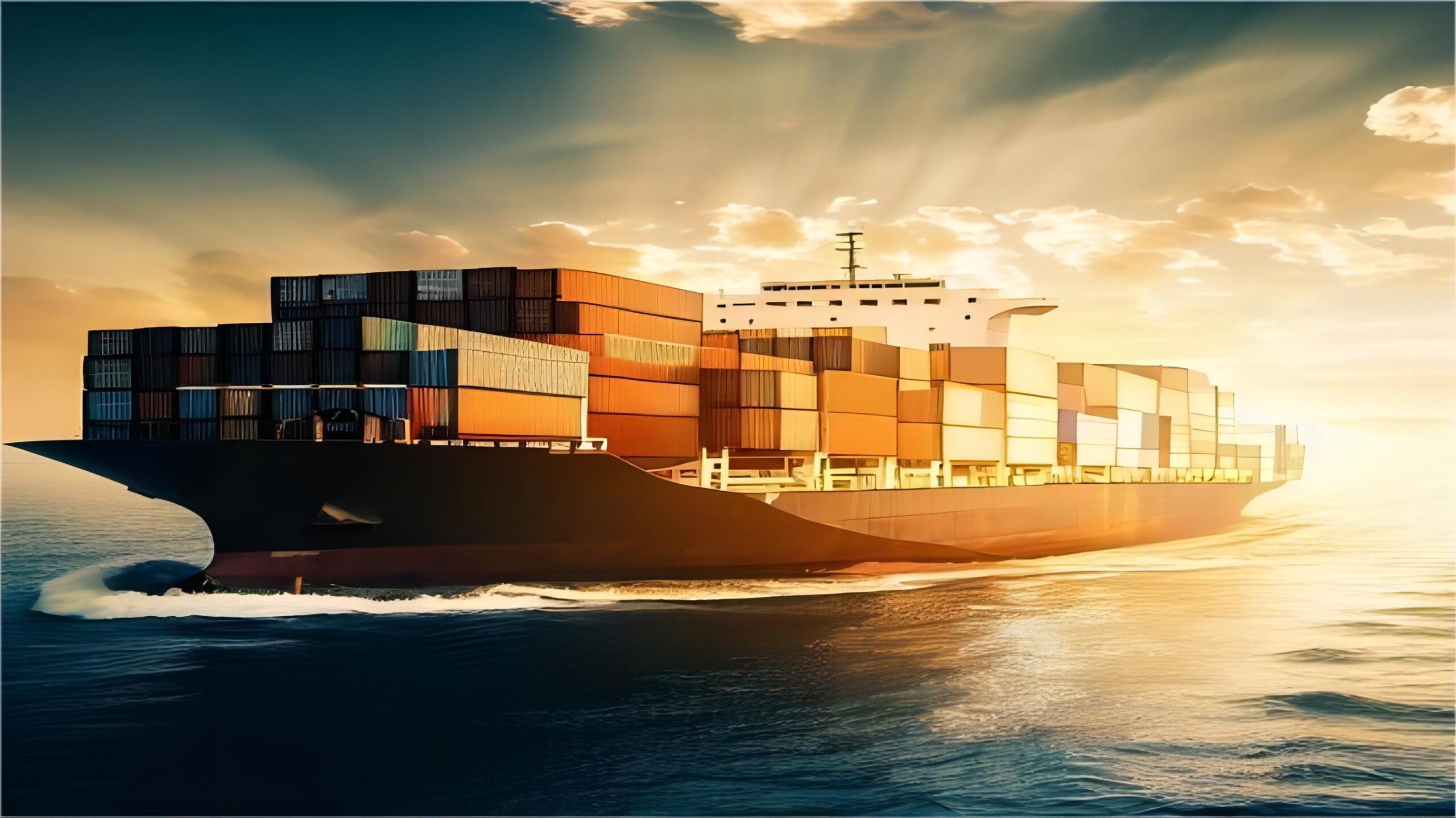
Real Case Studies for Solar Shipping to Ireland
Analyzing real-world examples helps importers understand the practical challenges of the China-to-Ireland route. Below are two recent scenarios involving solar panel shipments. These cases highlight the importance of planning and carrier selection in maintaining a steady supply chain.
Case Study 1: Residential Solar Project in Dublin. Route: Shanghai, China to Dublin, Ireland. Cargo: Tier 1 Solar Panels, 22 CBM, 14,000 kg. Container: 20GP FCL. Shipping Details: Major carrier, Port of Loading: Shanghai, Port of Discharge: Dublin via transshipment in Rotterdam. Cost Breakdown: Ocean Freight: 2,150 USD, Origin Charges: 350 USD, Destination Charges: 450 USD, Total Landed Cost: 2,950 USD (excluding duties). Timeline: Booking to Loading: 7 days, Sea Transit: 35 days, Customs Clearance: 2 days, Total Door-to-Door: 44 days. Key Insight: Early booking secured space during a peak October window.
Case Study 2: Commercial Solar Farm in Cork. Route: Shenzhen, China to Cork, Ireland. Cargo: PV Modules and Inverters, 65 CBM, 26,000 kg. Container: 40HQ FCL. Shipping Details: Direct service, Port of Loading: Shenzhen, Port of Discharge: Cork. Cost Breakdown: Ocean Freight: 3,800 USD, Origin Charges: 400 USD, Destination Charges: 600 USD, Total Landed Cost: 4,800 USD. Timeline: Booking to Loading: 10 days, Sea Transit: 38 days, Customs Clearance: 3 days, Total Door-to-Door: 51 days. Key Insight: Choosing a direct route to Cork reduced inland haulage costs significantly.
Which Option Should You Choose for Your Solar Shipment?
Choosing the right shipping strategy depends on several key factors related to your business model. If your primary goal is budget priority, we recommend opting for 40HQ containers whenever possible to maximize volume. However, for smaller installers, the 20GP FCL remains the most flexible choice. Furthermore, you must consider the weight of the panels, as solar modules are quite dense.
Speed priority dictates a different approach entirely. If a project is behind schedule, air freight for inverters or sea-air combinations via Dubai might be necessary. Meanwhile, cargo type considerations are paramount for solar panels. Because they are fragile, FCL is almost always superior to LCL to prevent excessive handling. Indeed, minimizing touchpoints is the best way to ensure your modules arrive in perfect condition.
Volume thresholds also play a role in your decision-making process. Once your shipment exceeds 15 CBM, a 20GP container usually becomes cheaper than LCL. Similarly, if you have more than 35 CBM of cargo, moving to a 40HQ is the most logical step. Therefore, always calculate your total volume before requesting quotes to ensure you select the most cost-effective container size.
What customs documents are required for Irish solar imports?
Navigating the legal requirements for Irish imports is a critical step in the logistics process. Specifically, you must ensure that all documentation is accurate to avoid costly delays at the Port of Dublin. Utilizing a professional customs brokerage can streamline this process significantly. Moreover, Irish customs are particularly strict regarding the classification of renewable energy products.
The primary documents include the Commercial Invoice, Packing List, and Bill of Lading. Additionally, you will need a Certificate of Origin to determine if any preferential tariff rates apply. Furthermore, solar panels must meet specific EU safety and quality standards to be cleared for entry. Consequently, providing technical data sheets to your broker in advance is highly recommended.
Importers should also be aware of the VAT and duty implications for solar products. Currently, Ireland offers certain incentives for renewable energy, but these rules can change. Therefore, staying in contact with a local tax advisor or customs expert is essential for financial planning. In addition, ensure your EORI number is active and correctly linked to your shipment.
| Document Name | Purpose | Required By | Timing |
|---|---|---|---|
| Bill of Lading | Title of goods | Carrier/Customs | At departure |
| Commercial Invoice | Value declaration | Customs/Revenue | Before shipping |
| Packing List | Cargo details | Port authorities | Before shipping |
| Cert. of Origin | Duty calculation | Customs | At clearance |

Why choose a door to door service for renewable energy cargo?
Managing multiple vendors can be a logistical nightmare for busy business owners. Instead, many Irish companies are opting for a door to door service to simplify their operations. This comprehensive approach covers everything from the factory pickup in China to the final delivery at your warehouse in Ireland. Consequently, you only have one point of contact for the entire journey.
A door-to-door service also provides better visibility and tracking for your solar panels. Furthermore, it often includes integrated insurance and customs clearance, reducing the administrative burden on your team. Moreover, the freight forwarder handles the transition between sea freight and inland trucking. As a result, the risk of communication breakdowns between different logistics providers is eliminated.
Indeed, for high-value cargo like solar modules, the peace of mind offered by an all-inclusive service is invaluable. While it may appear slightly more expensive upfront, the savings in time and reduced risk often justify the cost. In addition, professional handling at every stage ensures that the fragile panels are treated with the necessary care. Therefore, it is an ideal solution for both new and experienced importers.
Can you use air freight for urgent solar components?
While sea freight is the standard for panels, air freight is a vital tool for urgent needs. For example, if a specific batch of inverters is delayed at the factory, flying them to Dublin can save a project schedule. However, you must be prepared for the significant price increase compared to ocean transport. Nevertheless, the ability to receive goods in days rather than weeks is often worth the premium.
Air cargo is also useful for shipping specialized mounting hardware or monitoring systems. In contrast to sea freight, air transport offers much higher frequency and more predictable arrival times. Furthermore, the risk of moisture damage or saltwater corrosion is virtually non-existent in an aircraft cabin. Consequently, sensitive electronic components are often safer when traveling by air.
To summarize, air freight should be used strategically as part of a broader logistics plan. Most successful importers maintain a balance between the cost-effectiveness of sea freight and the speed of air transport. By doing so, they can respond quickly to supply chain disruptions without blowing their entire budget. Additionally, always compare the cost of air freight against the potential penalties for project delays.
Mastering Your Solar Supply Chain
Navigating 20GP FCL space availability for solar panels from China to Ireland requires a proactive and informed approach. By understanding market trends, comparing shipping methods, and preparing documentation in advance, you can ensure a smooth import process. Furthermore, partnering with an experienced freight forwarder allows you to focus on your core business while the logistics experts handle the complexities of international trade.
Ultimately, the transition to renewable energy in Ireland provides massive opportunities for growth. Whether you are shipping a single container or managing a large-scale solar farm, the right logistics strategy is the foundation of your success. We encourage you to monitor freight rates closely and book your space early to stay ahead of the competition. Let us help you power the future of Ireland with efficient and reliable shipping solutions.
Ready to streamline your logistics?
Ready to secure your 20GP FCL space availability for solar panels from China to Ireland? Contact our expert team today for a competitive quote and reliable logistics support. Visit our website to learn more about our tailored shipping solutions for renewable energy. Send Inquiry:
Request Quote