

Reefer FCL Shipping from China to Ireland: The Ultimate Guide for 2025
Managing a temperature-sensitive supply chain requires precision, expertise, and a reliable logistics partner. When you partner with Top China Freight, you ensure that your refrigerated cargo arrives in Dublin or Cork in pristine condition. Reefer FCL shipping from China to Ireland represents the most secure method for transporting perishable goods across global trade routes while maintaining strict thermal integrity.
Understanding the Basics of Reefer FCL Shipping from China to Ireland
Reefer FCL shipping involves the use of specialized refrigerated containers to transport goods that require a constant temperature. Specifically, FCL stands for Full Container Load, meaning you have exclusive use of the entire 20-foot or 40-foot refrigerated unit. This exclusivity is crucial for high-value perishables because it minimizes handling and prevents cross-contamination from other cargo types.
Moreover, the technology within these containers allows for precise control of temperature, humidity, and ventilation levels. Consequently, shippers can transport everything from frozen seafood and fresh produce to delicate pharmaceuticals and chemical compounds. Choosing this method ensures that your supply chain remains unbroken from the factory in China to the warehouse in Ireland.
Furthermore, the demand for high-quality imports in the Irish market has made this shipping route increasingly popular among international traders. Indeed, the robust infrastructure at major Chinese ports like Shanghai and Ningbo facilitates the efficient departure of these complex units. Therefore, understanding the technical requirements of Reefer FCL is the first step toward successful international trade.

How Does Reefer FCL Compare to Other Shipping Options?
Evaluating different logistics strategies is essential for optimizing your shipping budget and delivery schedule. While sea freight remains the most common choice for reefer cargo, air freight offers a faster but significantly more expensive alternative. For instance, shipping a 40HQ reefer container might cost $5,000, whereas the same volume by air could exceed $25,000.
Additionally, rail freight is currently not a viable direct option for refrigerated goods moving from China to Ireland due to the island’s geography. Most rail routes terminate in mainland Europe, requiring a secondary sea crossing that can disrupt the cold chain. Thus, sea-based Reefer FCL remains the most practical and cost-effective solution for large-scale perishable imports.
In contrast, LCL or Less than Container Load is rarely used for refrigerated cargo because maintaining multiple temperature zones in one unit is technically challenging. Consequently, most carriers only offer refrigerated services on an FCL basis to guarantee temperature stability. This ensures that your specific cargo requirements are met without compromise during the long journey across the ocean.
| Shipping Method | Cost Range (USD) | Transit Time | Best For |
|---|---|---|---|
| Reefer FCL (Sea) | $3,800 – $5,800 | 35-45 Days | Bulk Perishables |
| Air Freight | $12,000 – $22,000 | 5-8 Days | Urgent Medicals |
| Reefer LCL | Not Recommended | N/A | N/A |
| Sea-Air Hybrid | $8,000 – $12,000 | 15-20 Days | Medium Priority |
Key Factors Influencing Reefer FCL Freight Rates
Freight rates for refrigerated containers are subject to various market forces and technical requirements. For example, the cost of electricity to power the reefer unit at the port and on the vessel is a significant component of the overall price. Additionally, seasonal demand for fresh produce often causes rates to spike during peak harvest months in China.
Moreover, equipment availability plays a critical role in determining the final quote you receive from your forwarder. Because reefer containers require specialized maintenance and components, they are often in shorter supply than standard dry containers. Consequently, booking your shipment at least three to four weeks in advance is highly recommended to secure a unit at a competitive price.
Fuel surcharges, also known as BAF, also fluctuate based on global oil prices, impacting the total landed cost of your goods. Nevertheless, by optimizing your loading plan and choosing the right port of departure, you can mitigate some of these expenses. Always request a detailed breakdown of all origin and destination charges to avoid unexpected costs upon arrival in Ireland.
Essential Documentation for Reefer FCL Shipping from China to Ireland
Navigating the regulatory landscape of the European Union and Ireland requires meticulous attention to documentation. Specifically, you will need a commercial invoice, a packing list, and a Bill of Lading to begin the process. However, for refrigerated goods, additional certificates are often mandatory to prove the safety and origin of the products.
Furthermore, professional customs brokerage services are vital for ensuring that your health certificates and phytosanitary documents are in order. Irish customs authorities are particularly strict regarding food safety and animal products, requiring pre-notification via the TRACES system. Without these documents, your cargo could face lengthy delays or even destruction at the port of Dublin.
In addition, you should ensure that the temperature logs from the container are available for inspection if requested. These logs provide a continuous record of the thermal conditions throughout the voyage, serving as proof of cold chain integrity. Consequently, keeping digital copies of all certificates and logs will streamline the clearance process and protect your investment.
| Document Name | Issued By | Purpose | Requirement |
|---|---|---|---|
| Health Certificate | Chinese Authorities | Food Safety Proof | Mandatory |
| Phytosanitary Cert | Plant Protection Org | Plant Health Safety | For Produce |
| Bill of Lading | Shipping Line | Title of Goods | Mandatory |
| Certificate of Origin | Chamber of Commerce | Duty Calculations | Highly Recommended |
Transit Times and Route Optimization Strategies
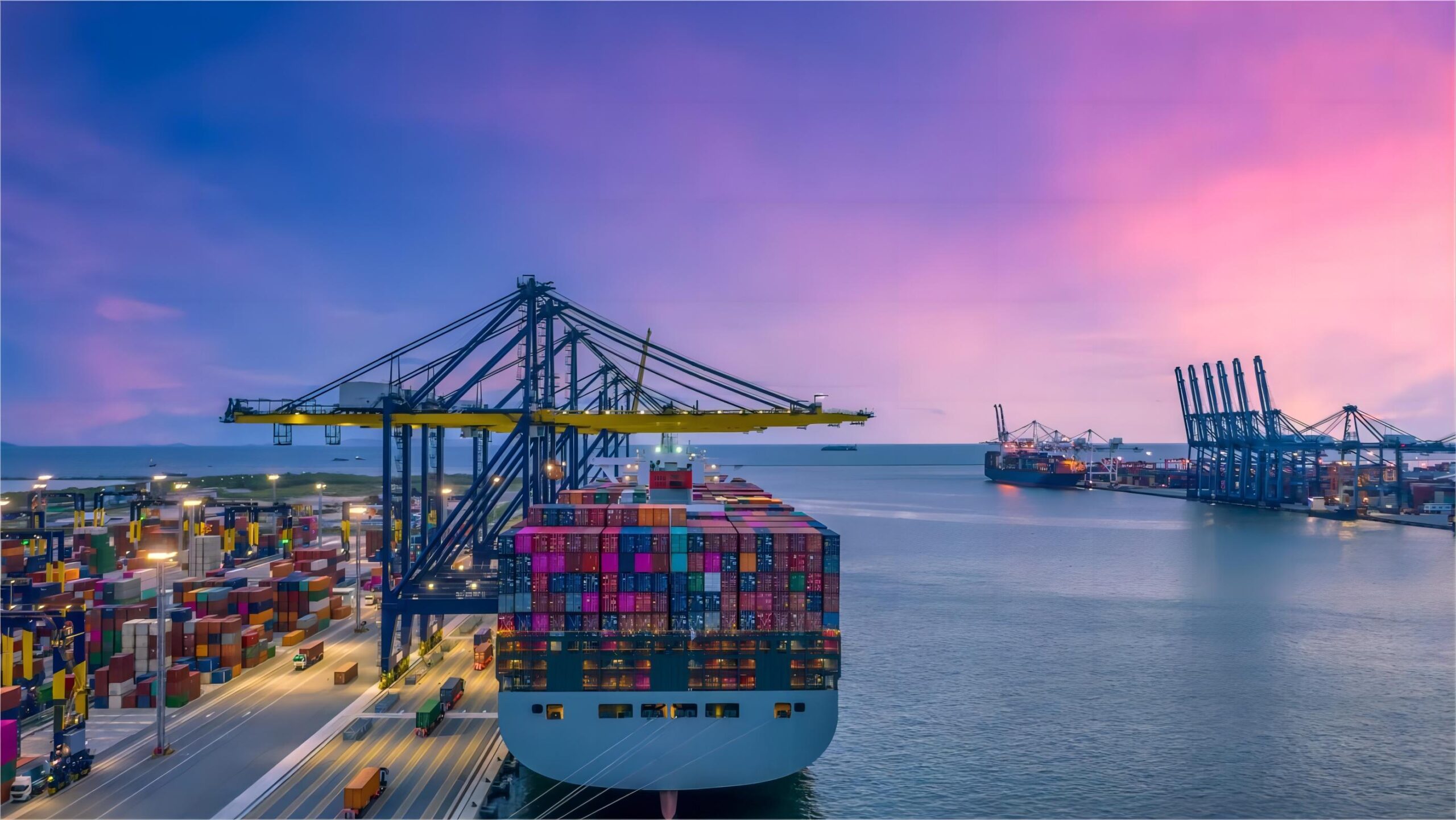
Shipping from major Chinese hubs like Shenzhen or Shanghai to Ireland typically takes between 35 and 50 days. This duration includes the sea voyage, transshipment at major European ports like Rotterdam or Antwerp, and the final leg to Ireland. Therefore, planning your inventory levels around these timelines is essential for maintaining a steady supply chain.
Additionally, choosing a direct service to a major European gateway can often reduce the risk of delays during transshipment. While direct vessels to Dublin are rare for long-haul routes, efficient feeder services from the UK or Netherlands are commonly used. Consequently, your freight forwarder should help you select the route that offers the best balance between speed and cost.
Moreover, weather conditions in the Atlantic and the South China Sea can occasionally impact delivery schedules. To mitigate this, many experienced importers build a buffer of five to seven days into their logistics planning. By doing so, they ensure that minor delays do not result in stockouts or expired products at the destination.
Best Practices for Maintaining the Cold Chain
Maintaining a consistent temperature is the most critical aspect of Reefer FCL shipping from China to Ireland. Initially, you must ensure that your cargo is pre-cooled to the required temperature before it is loaded into the container. This is because reefer units are designed to maintain temperature, not to lower the core temperature of warm products.
Furthermore, proper stowage inside the container is vital for ensuring adequate airflow around the cargo. You should avoid blocking the floor vents or stacking goods too close to the ceiling, as this can create hot spots within the unit. Utilizing door to door services can also help minimize the time the container is unplugged during transitions.
In addition, monitoring technology such as GPS-enabled temperature probes can provide real-time updates on your shipment’s status. These devices alert you immediately if the temperature deviates from the set point, allowing for corrective action before the cargo is damaged. Consequently, investing in high-quality monitoring is a cost-effective way to manage risk in cold chain logistics.
Real-World Case Studies: Reefer Shipments to Ireland
Case Study 1: A seafood wholesaler based in Galway imported a 40HQ reefer container of frozen shrimp from Qingdao to Dublin. The cargo was maintained at -22 degrees Celsius throughout the 42-day journey. By using an optimized route via Rotterdam, the total landed cost was kept at $5,450, and the goods arrived with zero spoilage.
Case Study 2: A pharmaceutical company in Cork required the transport of temperature-sensitive vaccines from Shanghai. They utilized a 20RF container with a dual-redundant cooling system for maximum security. Despite a minor delay at the Suez Canal, the shipment reached Cork in 48 days, with the internal temperature remaining stable at 4 degrees Celsius.
These examples demonstrate that with proper planning and the right partners, Reefer FCL shipping from China to Ireland is a highly reliable method. Each case required specific temperature settings and custom documentation, highlighting the need for a tailored approach to every shipment. Consequently, businesses can scale their international operations with confidence by following these proven strategies.

Which Option Should You Choose? Decision Framework
Deciding on the best shipping method depends on your budget, the shelf life of your products, and your total volume. If you are moving large quantities of frozen goods with a long shelf life, Reefer FCL via sea is undoubtedly the best choice. However, for high-value pharmaceuticals with short expiration dates, air freight might be the only viable option despite the cost.
Additionally, consider the seasonal trends in Europe which might affect port congestion and haulage availability in Ireland. During the Christmas peak, for instance, booking your reefer containers even earlier is necessary to avoid delays. Therefore, a flexible logistics strategy that accounts for both routine and peak season challenges is most effective.
Finally, always weigh the cost of potential cargo loss against the cost of premium shipping services. While cheaper carriers may offer lower rates, their equipment reliability and transit times might not meet the standards required for delicate perishables. Investing in a reputable forwarder who specializes in cold chain management will ultimately save you money by preventing costly insurance claims.
Mastering Your Reefer FCL Shipping from China to Ireland
Successfully executing Reefer FCL shipping from China to Ireland requires a deep understanding of both technical requirements and international regulations. By focusing on cold chain integrity, accurate documentation, and route optimization, you can significantly reduce the risks associated with transporting perishables. Moreover, choosing a partner like Top China Freight provides you with the expertise needed to navigate the complexities of the Irish market.
As global trade continues to evolve, staying informed about market trends and logistics best practices will remain a competitive advantage for your business. Whether you are importing seafood, produce, or pharmaceuticals, the reliability of Reefer FCL ensures your products meet the high standards expected by Irish consumers. Start planning your next shipment today to benefit from efficient, temperature-controlled logistics solutions.
Ready to streamline your logistics?
Ready to streamline your cold chain logistics? Contact our expert team today for a customized quote on Reefer FCL shipping from China to Ireland and ensure your cargo arrives safely and on time. Send an inquiry now to get started with a professional logistics plan.
Request Quote