

40HQ FCL space availability for auto parts from China to New Jersey
Securing 40HQ FCL space availability for auto parts from China to New Jersey remains a top priority for global supply chain managers seeking efficiency. Navigating the complexities of international logistics requires a reliable partner like Top China Freight to ensure timely delivery and cost-effective solutions. Consequently, businesses must understand current market dynamics to avoid costly delays and maintain a steady flow of inventory for the automotive sector.

Current Status of 40HQ FCL space availability for auto parts from China to New Jersey
Understanding the current landscape of 40HQ FCL space availability for auto parts from China to New Jersey is essential for planning your 2025 procurement cycle. Indeed, market intelligence suggests that while carrier capacity has stabilized compared to previous years, specific equipment shortages still occur during peak manufacturing months. Therefore, shippers must book at least three to four weeks in advance to guarantee a spot on major vessels departing from Shanghai or Ningbo.
Furthermore, the demand for automotive components like engines, transmissions, and body panels often fluctuates with seasonal automotive sales trends in North America. This seasonal surge directly impacts the availability of 40HQ containers, which are preferred for their high volume capacity and cost-per-cubic-meter advantages. Consequently, many importers are turning to specialized sea freight providers to secure long-term space allocations.
Moreover, the route to the US East Coast involves navigating the Panama Canal or the Suez Canal, depending on current geopolitical stability and water levels. These external factors can suddenly restrict the flow of 40HQ containers, making real-time monitoring of space availability a necessity for any serious importer. Accordingly, maintaining flexible shipping dates can help you bypass temporary bottlenecks at major Chinese loading ports.
Why 40HQ Containers are Ideal for Automotive Logistics
Choosing a 40HQ container provides approximately 76 cubic meters of space, which is significantly more than a standard 40GP unit. Specifically, the extra foot of height allows for the stacking of larger auto parts like exhaust systems or crated engines that might not fit in standard containers. As a result, shippers can maximize their cargo volume and reduce the overall shipping cost per unit for high-volume orders.
Additionally, the structural integrity of a 40HQ container offers superior protection for sensitive electronic components and precision-engineered car parts. Shippers often find that the cost difference between a 40GP and a 40HQ is negligible compared to the 10-12 percent increase in usable space. To illustrate, a single 40HQ can often accommodate 20 to 25 percent more palletized goods when optimized correctly by experienced loaders.
| Container Type | Internal Volume | Max Payload | Best Use Case |
|---|---|---|---|
| 20GP Standard | 33.2 CBM | 28,000 KG | Heavy/Small Parts |
| 40GP Standard | 67.7 CBM | 26,000 KG | General Cargo |
| 40HQ High Cube | 76.3 CBM | 26,000 KG | Bulky Auto Parts |
| 45HQ Extra Cube | 86.0 CBM | 25,500 KG | Light/High Volume |
Factors Impacting 40HQ FCL space availability for auto parts from China to New Jersey
Several critical factors influence the 40HQ FCL space availability for auto parts from China to New Jersey throughout the year. For instance, the blank sailing programs implemented by major carriers like Maersk and COSCO can reduce weekly capacity by up to 20 percent without prior notice. Shippers targeting the North America market must stay informed about these schedule changes to avoid inventory stockouts.
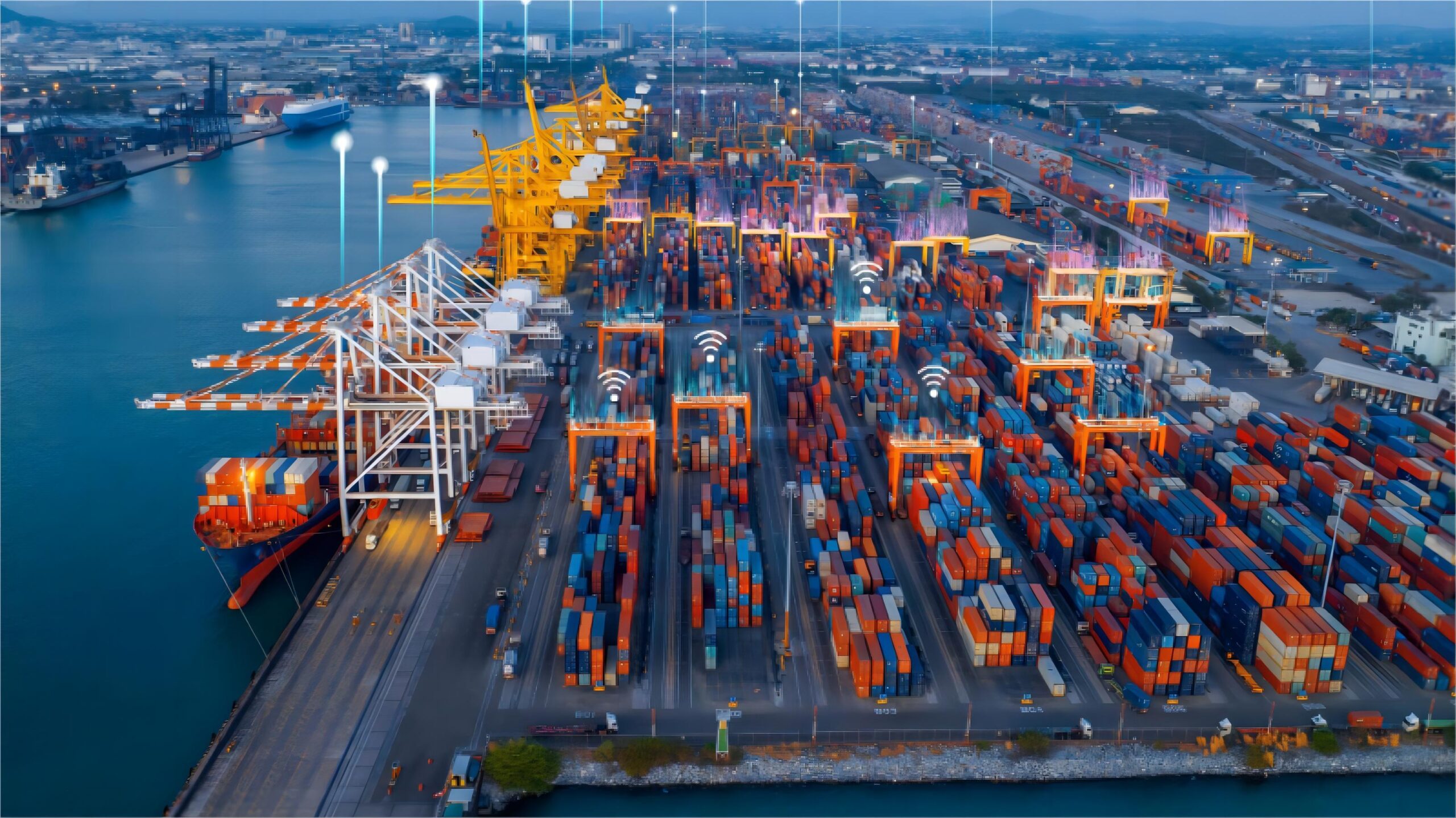
Furthermore, port congestion at the Port of New York and New Jersey can lead to equipment imbalances where empty containers are not returned to China quickly enough. This imbalance creates a localized shortage of 40HQ units at Chinese export hubs like Shenzhen and Qingdao. Consequently, even if vessel space is technically available, the lack of physical containers can stall your entire supply chain.
Recent logistics trends also show that priority is often given to high-value electronics or perishables during the Q4 peak season. Nevertheless, auto parts remain a consistent commodity, and establishing a relationship with a forwarder who has strong carrier contracts can mitigate these risks. Indeed, proactive communication with your supplier regarding production completion dates is the best way to secure space before the market tightens.
How Does 40HQ FCL Compare to Other Shipping Options?
Evaluating alternative shipping methods is crucial when 40HQ FCL space availability for auto parts from China to New Jersey becomes limited. While FCL is the gold standard for large shipments, LCL or air freight might serve as viable backups for urgent components. However, the cost implications and transit times vary significantly between these modes.
Moreover, some shippers consider rail-sea hybrid routes, although these are less common for the China-New Jersey corridor compared to West Coast routes. For those with smaller volumes, LCL allows you to share container space, though it increases the risk of damage during handling. In contrast, 40HQ FCL provides a dedicated environment for your car parts, ensuring they arrive in the same condition they were loaded.
| Shipping Method | Cost Range | Transit Time | Best For |
|---|---|---|---|
| 40HQ FCL | $4,500 – $6,000 | 30-35 Days | Bulk Auto Parts |
| LCL Shipping | $60 – $100/CBM | 35-40 Days | Small Inventories |
| Air Freight | $6.00 – $9.00/KG | 5-8 Days | Urgent Repairs |
| Sea-Air Hybrid | $3.50 – $5.00/KG | 15-20 Days | Mid-range Priority |
Real Case Studies: Shipping Auto Parts to New Jersey
Case Study 1: Large Scale Brake System Import. Route: Shanghai to New York/New Jersey. Cargo: Brake discs and pads, 65 CBM. Container: 40HQ. Carrier: COSCO. Ocean Freight: $5,450. Origin Charges: $450. Destination Charges: $800. Customs and Duties: $1,200. Total Landed Cost: $7,900. Timeline: 34 days door-to-door. Key Insight: Booking 25 days in advance secured a lower rate before a mid-month GRI.
Case Study 2: Urgent Transmission Components. Route: Ningbo to New Jersey. Cargo: Transmission assemblies, 68 CBM. Container: 40HQ. Carrier: Maersk via direct route. Ocean Freight: $5,800. Origin Charges: $500. Destination Charges: $900. Customs and Duties: $2,100. Total Landed Cost: $9,300. Timeline: 31 days total. Key Insight: Utilizing a direct service saved 7 days compared to transshipment via Singapore.
Note: Freight rates are subject to change based on fuel costs, carrier capacity, and seasonal demand. Contact us for a current quote tailored to your specific shipment.

Cost-Saving Strategies for 40HQ FCL Shipments
Implementing smart cost-saving strategies can significantly reduce your total landed cost when importing auto parts. For example, consolidating multiple smaller orders from different suppliers in China into a single 40HQ container can save thousands in freight fees. Furthermore, optimizing the pallet layout inside the container ensures you are not paying for ‘shipped air’ or empty space.
Additionally, choosing the right Incoterms, such as FOB (Free On Board), allows you to maintain control over the freight carrier selection and pricing. This control often results in better rates than allowing the factory to handle the shipping under CIF terms. Moreover, planning your shipments to arrive during the middle of the month can sometimes help you avoid the end-of-month congestion and rate hikes.
Customs Clearance and Documentation for Auto Parts
Navigating the regulatory requirements for importing car parts into the United States is a critical step in the logistics process. Specifically, you must ensure that all parts comply with Department of Transportation (DOT) standards and carry the necessary markings. Utilizing a professional customs brokerage service can prevent your 40HQ container from being flagged for inspection, which can add weeks to your transit time.
Required documentation typically includes the Bill of Lading, Commercial Invoice, Packing List, and an Arrival Notice. In addition, for auto parts, an EPA Form 3520-1 may be required if the components are related to engine emissions. Consequently, having all paperwork verified at the port of loading in China is the most effective way to ensure a smooth entry into New Jersey.
Which Option Should You Choose for Your Auto Parts?
Deciding on the best shipping strategy depends on your specific business needs and inventory requirements. If your priority is budget and you have a large volume of goods, the 40HQ FCL remains the most economical choice. On the other hand, if you are facing a production line stoppage, air freight is the only viable solution despite the high cost.
For those seeking a middle ground, door to door services can simplify the process by handling everything from the factory floor to your warehouse in New Jersey. This approach reduces the administrative burden and provides a single point of contact for tracking your 40HQ FCL space availability for auto parts from China to New Jersey. Ultimately, the right choice balances speed, cost, and reliability.
Final Thoughts on 40HQ FCL Space Availability
Summarizing the current market, 40HQ FCL space availability for auto parts from China to New Jersey is manageable with proper planning and expert guidance. By understanding the benefits of high-cube containers and the factors that influence carrier capacity, you can build a more resilient supply chain. Remember that early booking and accurate documentation are your best tools for avoiding delays at the port.
As logistics trends continue to evolve in 2025, staying informed about freight rates and port conditions will remain vital for your success. Whether you are shipping engines, body parts, or electronics, the 40HQ container offers the best balance of volume and protection. Partner with a trusted forwarder to navigate the complexities of the China-US trade lane effectively.
Ready to streamline your logistics?
Contact our expert team today to verify current 40HQ FCL space availability for auto parts from China to New Jersey and receive a customized freight quote within 24 hours. Our specialists are ready to optimize your supply chain and ensure your cargo arrives on schedule. Visit our inquiry page to get started now.
Request Quote