

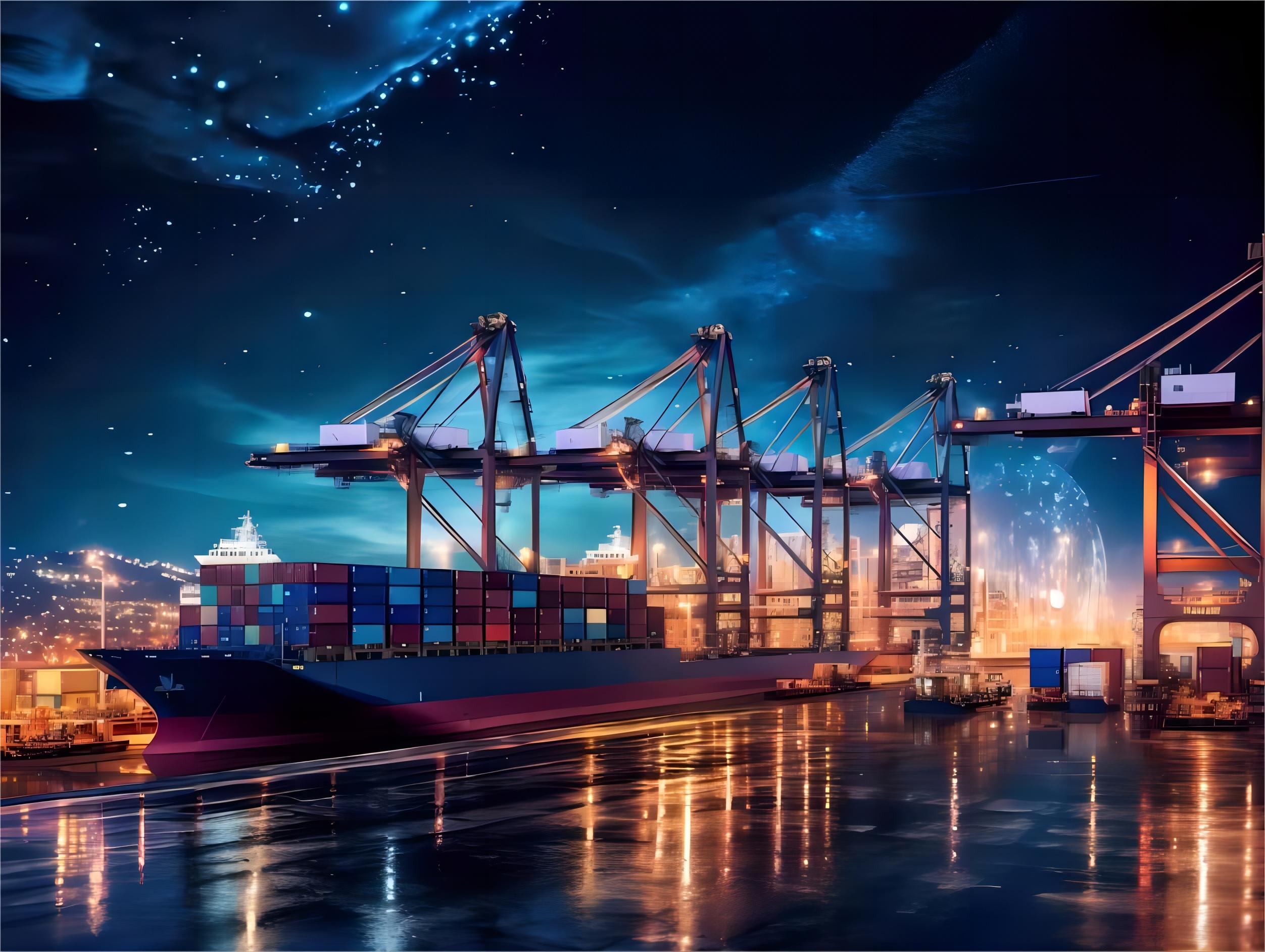
Reefer FCL detention prevention for toys from China to Denmark
Managing international logistics requires a precise balance of timing and compliance to avoid unexpected overhead costs. Importers often face significant financial penalties when containers remain at the port longer than the agreed free time. Top China Freight offers specialized expertise in Reefer FCL detention prevention for toys from China to Denmark to ensure your shipments arrive safely and economically.
Understanding the Risks: Reefer FCL detention prevention for toys from China to Denmark
Detention fees occur when an importer holds carrier equipment outside the port terminal beyond the allowed free period. Consequently, these daily charges can quickly erode the profit margins of a toy shipment if the container is not returned promptly. For refrigerated units, these costs are often higher than standard dry containers due to the complexity of the equipment.
Furthermore, Danish customs authorities maintain strict standards for toy safety and electronic components, which can lead to inspection delays. If your cargo is flagged for a manual check, the container might sit idle, triggering detention penalties. Therefore, understanding the nuances of Reefer FCL detention prevention for toys from China to Denmark is essential for any business operating in the Nordic market.
Importers must also consider the technical requirements of reefer units, which require constant power to maintain specific temperatures. While toys do not always require freezing temperatures, many high-end collectibles or electronic toys need climate control to prevent plastic warping or battery degradation. As a result, the logistics chain becomes more sensitive to any disruption at the Port of Aarhus or Copenhagen.
Why Temperature Control Matters for Toy Imports
Specifically, many modern toys contain delicate electronic circuits and lithium-ion batteries that are sensitive to extreme heat. During the long journey through tropical waters, temperatures inside a standard container can exceed 50 degrees Celsius. To prevent damage, savvy importers utilize sea freight reefer services to maintain a stable environment.
Additionally, certain high-quality plastic materials used in designer toys can become brittle or lose their shape if exposed to fluctuating humidity levels. By using refrigerated containers, you ensure that the product quality remains consistent from the factory in Guangdong to the retail shelves in Denmark. Indeed, this investment in cargo handling protects your brand reputation and reduces return rates.
Moreover, the cost of reefer shipping is justified when compared to the potential loss of an entire shipment due to environmental damage. Nevertheless, the added complexity of reefer logistics means that any delay in the supply chain is magnified. This makes proactive planning the most effective tool for cost management and delivery schedule reliability.
Essential Documentation for Smooth Customs Clearance
Proper documentation serves as the foundation for avoiding port delays and subsequent detention fees. You must ensure that every commercial invoice, packing list, and bill of lading is perfectly aligned with Danish import regulations. Consequently, utilizing a professional customs brokerage service can prevent the administrative errors that lead to container holds.
Moreover, toys entering the European Union must comply with the CE marking requirements and the Toy Safety Directive. If the necessary certificates of conformity are missing, customs officials will likely detain the container for further investigation. In contrast, having these documents pre-cleared can shave days off the transit time and eliminate the risk of detention.
Beyond the standard paperwork, reefer shipments require specific temperature logs and power connection instructions. To clarify, the carrier needs to know exactly how to handle the unit during transshipment and upon arrival at the destination port. Therefore, clear communication between the shipper and the logistics provider is vital for maintaining the cold chain.
| Document Name | Purpose | Responsible Party | Impact on Detention |
|---|---|---|---|
| Commercial Invoice | Valuation and Duties | Shipper/Exporter | High – Errors cause holds |
| CE Certificate | Safety Compliance | Manufacturer | Critical – Required for entry |
| Bill of Lading | Title of Goods | Carrier | Medium – Must be original |
| Packing List | Cargo Verification | Shipper | Low – Essential for inspection |
Strategies for Reefer FCL detention prevention for toys from China to Denmark
One of the most effective strategies involves negotiating extended free time with the shipping line before the cargo leaves China. While standard agreements might offer 5 to 7 days of free time, high-volume importers can often secure 10 to 14 days. This buffer provides a crucial safety net in case of inland transport delays or warehouse congestion in Denmark.
Additionally, implementing a door to door shipping model allows for better coordination between the sea leg and the final delivery. When a single provider manages the entire process, they can synchronize the arrival of the vessel with the availability of a truck and a chassis. This seamless transition is a cornerstone of Reefer FCL detention prevention for toys from China to Denmark.
In light of this, importers should also utilize pre-clearance options offered by Danish customs. By submitting all electronic data before the ship reaches the Port of Aarhus, you can often receive a release notification while the container is still at sea. Consequently, the truck can pick up the container immediately after discharge, minimizing the time spent on the terminal.
How Does Reefer FCL Shipping Compare to Other Shipping Options?
While Reefer FCL is excellent for large, sensitive shipments, other methods might suit smaller volumes or urgent deadlines. For example, air freight offers the fastest transit time but comes at a significantly higher cost. This option is typically reserved for high-value toy launches or restocking urgent inventory during the holiday peak season.
On the other hand, rail freight has emerged as a viable middle ground for shipments to Europe, although reefer support on trains is more specialized. Rail offers a faster transit time than sea freight and is generally more stable in terms of pricing. However, for the specific route from China to Denmark, sea freight remains the most common choice due to the direct water access of major Danish cities.
Indeed, comparing these options requires an analysis of your specific budget and timeline. For most toy importers, the cost savings of FCL sea freight outweigh the speed of air, provided that detention and demurrage risks are managed effectively. Market data suggests that sea freight is up to 80 percent cheaper than air for large toy shipments.
| Shipping Method | Cost Range | Transit Time | Best For |
|---|---|---|---|
| Sea FCL Reefer | $3,200 – $4,800 | 30-40 Days | Large, sensitive loads |
| Air Freight | $12,000 – $18,000 | 5-9 Days | Urgent, high-value toys |
| Rail Freight | $4,500 – $6,500 | 18-24 Days | Mid-volume, faster sea |
| Sea LCL | $150 – $300/CBM | 35-45 Days | Small toy batches |
Choosing the Right Port of Entry in Denmark
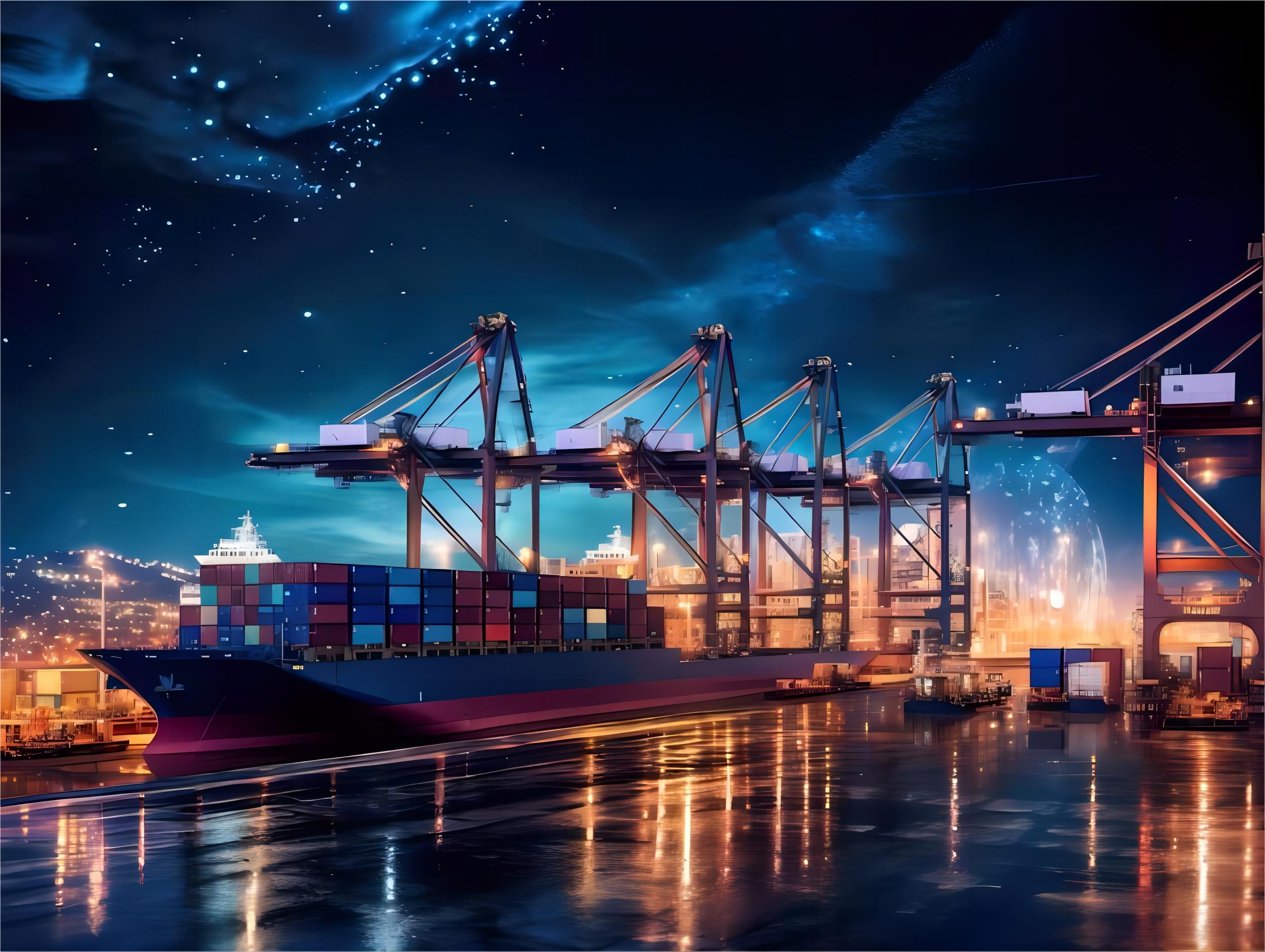
Selecting the optimal port of discharge can significantly impact your Reefer FCL detention prevention for toys from China to Denmark strategy. The Port of Aarhus is Denmark’s largest container terminal and offers extensive infrastructure for refrigerated cargo. Furthermore, its proximity to major distribution centers in Jutland makes it an efficient choice for many importers.
Alternatively, the Port of Copenhagen serves the eastern regions and the Oresund area effectively. However, larger vessels from China often call at major hubs like Rotterdam or Hamburg first, where cargo is transshipped to smaller feeder vessels bound for Denmark. Understanding this feeder schedule is vital, as delays in transshipment can eat into your allotted free time.
Notably, shipping to Europe involves navigating a complex network of ports and inland waterways. To minimize risks, you should coordinate with your freight forwarder to ensure that the chosen port has available reefer plugs and efficient customs processing. This foresight prevents the container from sitting in a non-powered area, which would risk the integrity of the toys.
Real-World Logistics Scenarios and Case Studies
To illustrate the importance of these strategies, let us examine a few recent shipments handled for toy distributors. These cases highlight how proactive management can save thousands of dollars in potential detention fees. Each scenario reflects the actual market conditions of late 2024 and early 2025.
Case Study 1: Large Scale Toy Distribution Route: Ningbo, China to Copenhagen, Denmark Cargo: Electronic Educational Toys, 65 CBM, 12,000 kg Container: 40HQ Reefer Shipping Details: – Carrier: Maersk Line – Port of Loading: Ningbo – Port of Discharge: Copenhagen – Route Type: Transshipment via Bremerhaven Cost Breakdown: – Ocean Freight: $3,950 – Origin Charges: $420 – Destination Charges: $550 – Customs and Duties: $1,200 – Total Landed Cost: $6,120 Timeline: – Booking to Loading: 5 days – Sea Transit: 34 days – Customs Clearance: 2 days – Total Door-to-Door: 41 days Key Insight: By negotiating 14 days of free time, the importer avoided $800 in detention fees when the warehouse was delayed by a local strike.
Case Study 2: Boutique Collectible Toys Route: Shenzhen, China to Aarhus, Denmark Cargo: High-end Plastic Figures, 28 CBM, 4,500 kg Container: 20GP Reefer Shipping Details: – Carrier: COSCO Shipping – Port of Loading: Shenzhen – Port of Discharge: Aarhus – Route Type: Direct Service Cost Breakdown: – Ocean Freight: $2,600 – Origin Charges: $350 – Destination Charges: $480 – Customs and Duties: $900 – Total Landed Cost: $4,330 Timeline: – Booking to Loading: 4 days – Sea Transit: 32 days – Customs Clearance: 1 day – Total Door-to-Door: 37 days Key Insight: Pre-clearing customs allowed the container to be picked up within 4 hours of discharge, ensuring zero terminal storage or detention costs.
Note: Freight rates are subject to change based on fuel costs, carrier capacity, and seasonal demand. Contact us for a current quote tailored to your specific shipment.

Which Option Should You Choose?
Determining the best shipping strategy depends on several factors, including your budget, the sensitivity of the toys, and the urgency of the delivery. If your primary goal is cost-effectiveness and you are shipping more than 15 CBM, Reefer FCL is undoubtedly the superior choice. It provides the best protection for your goods while offering the lowest cost per unit.
However, if you are shipping a smaller batch of new prototypes or high-demand items, air freight might be necessary despite the expense. For those who need a balance between speed and cost, rail freight is an excellent alternative, provided your logistics partner can guarantee reefer equipment availability. Always weigh the risk of detention against the potential benefits of each method.
Specifically, consider the following criteria for your decision: – Budget priority: Choose Sea FCL with negotiated free time. – Speed priority: Choose Air Freight for immediate market entry. – Cargo type: Use Reefer containers for toys with batteries or sensitive plastics. – Volume: Use FCL for anything over 15-20 CBM to maximize efficiency.
Mastering Your Toy Logistics from China to Denmark
To summarize, successful importing requires more than just moving goods from point A to point B. It involves a strategic approach to Reefer FCL detention prevention for toys from China to Denmark to safeguard your bottom line. By focusing on documentation accuracy, negotiating free time, and choosing the right logistics partners, you can avoid the common pitfalls of international trade.
Additionally, staying informed about market trends and port conditions in both China and Denmark will give you a competitive edge. As the toy industry continues to evolve, your logistics strategy must remain flexible and robust. Trusting experts to manage your cold chain ensures that your products arrive in perfect condition, ready for the Danish market.
Ultimately, the goal is to create a predictable and efficient supply chain that supports your business growth. With the right preparation, Reefer FCL detention prevention for toys from China to Denmark becomes a manageable part of your daily operations. Let us help you navigate the complexities of global shipping with confidence and ease.
Ready to streamline your logistics?
Ensure your toy shipments remain profitable by implementing professional Reefer FCL detention prevention for toys from China to Denmark. Our team at Top China Freight is ready to optimize your supply chain and handle all customs complexities. Contact us today for a personalized quote and expert guidance on your next shipment. Visit: https://Top China Freight.com/ for more information.
Request Quote