


China FCL container loading service to Portugal: The Complete Guide
China FCL container loading service to Portugal is the backbone of trade between these two nations. If you are importing goods, working with Top China Freight ensures your supply chain remains efficient and cost-effective. Navigating international logistics requires a deep understanding of container types, port operations, and customs regulations. Consequently, choosing a reliable partner helps mitigate risks associated with long-distance maritime transport.
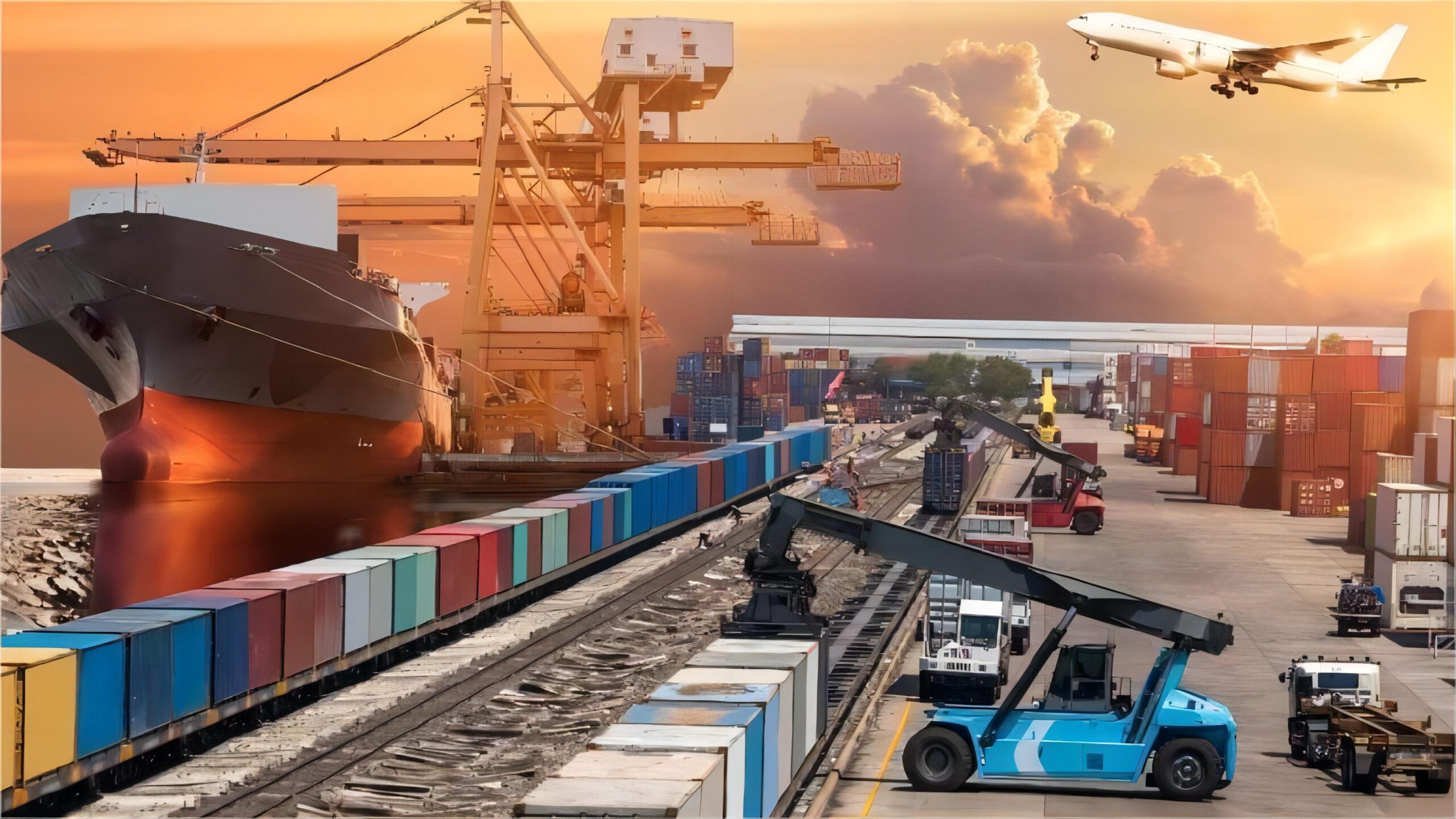
What is China FCL Container Loading Service to Portugal?
Full Container Load, or FCL, refers to a shipping mode where one importer occupies an entire container. This method is highly preferred for businesses moving large volumes of goods from Chinese manufacturing hubs. Moreover, it offers enhanced security since the container remains sealed from the point of origin until it reaches the destination.
Importers often choose this service to minimize handling and potential damage during transit. Additionally, FCL provides a faster transit time compared to Less than Container Load (LCL) because there is no need for consolidation. Consequently, your goods move directly from the factory to the port and then to Portugal without intermediate stops.
Logistics trends in 2025 suggest that FCL remains the most stable option for high-volume trade. Furthermore, the ability to track a single container number simplifies the entire supply chain management process. Indeed, most professional forwarders recommend FCL for shipments exceeding 15 cubic meters.
Benefits of Full Container Load Shipping
Efficiency is the primary reason many companies opt for sea freight when moving goods to Portugal. Since you are not sharing space, you have full control over how the cargo is stacked and secured. Therefore, fragile or high-value items are much safer in a dedicated container environment.
Cost-effectiveness becomes apparent when calculating the price per unit for large shipments. While the flat rate for a container might seem high, the cost per cubic meter is usually lower than other methods. In addition, FCL shipments are less likely to experience delays at customs compared to consolidated loads.
Reliability in scheduling allows businesses to plan their inventory cycles with greater precision. Most major carriers offer weekly departures from ports like Shanghai, Ningbo, and Shenzhen. Nevertheless, it is essential to book your space at least two weeks in advance during peak seasons.
How Does China FCL Compare to Other Shipping Options?
Choosing the right shipping method depends on your budget, volume, and urgency. While FCL is ideal for large loads, air freight is significantly faster for urgent deliveries. However, the cost of air transport can be five to ten times higher than maritime options.
Comparing these methods helps you understand the trade-offs between speed and expense. For instance, rail freight provides a middle ground for shipments to Europe, though it often involves trucking into Portugal from central hubs. On the other hand, sea freight remains the most economical choice for heavy industrial goods.
Hybrid solutions like sea-air are also available for specific logistics needs. These strategies combine the cost savings of ocean travel with the speed of air delivery for the final leg. Consequently, businesses can balance their operational costs while maintaining a reasonable delivery schedule.
| Method | Cost Range | Transit Time | Best For |
|---|---|---|---|
| FCL Sea | $2,500 – $4,500 | 30 – 40 Days | Bulk & Large Goods |
| LCL Sea | $80 – $150/CBM | 35 – 45 Days | Small Shipments |
| Air Freight | $5 – $9/KG | 5 – 8 Days | Urgent/High Value |
| Rail Freight | $3,000 – $5,000 | 20 – 25 Days | Time-Sensitive Bulk |
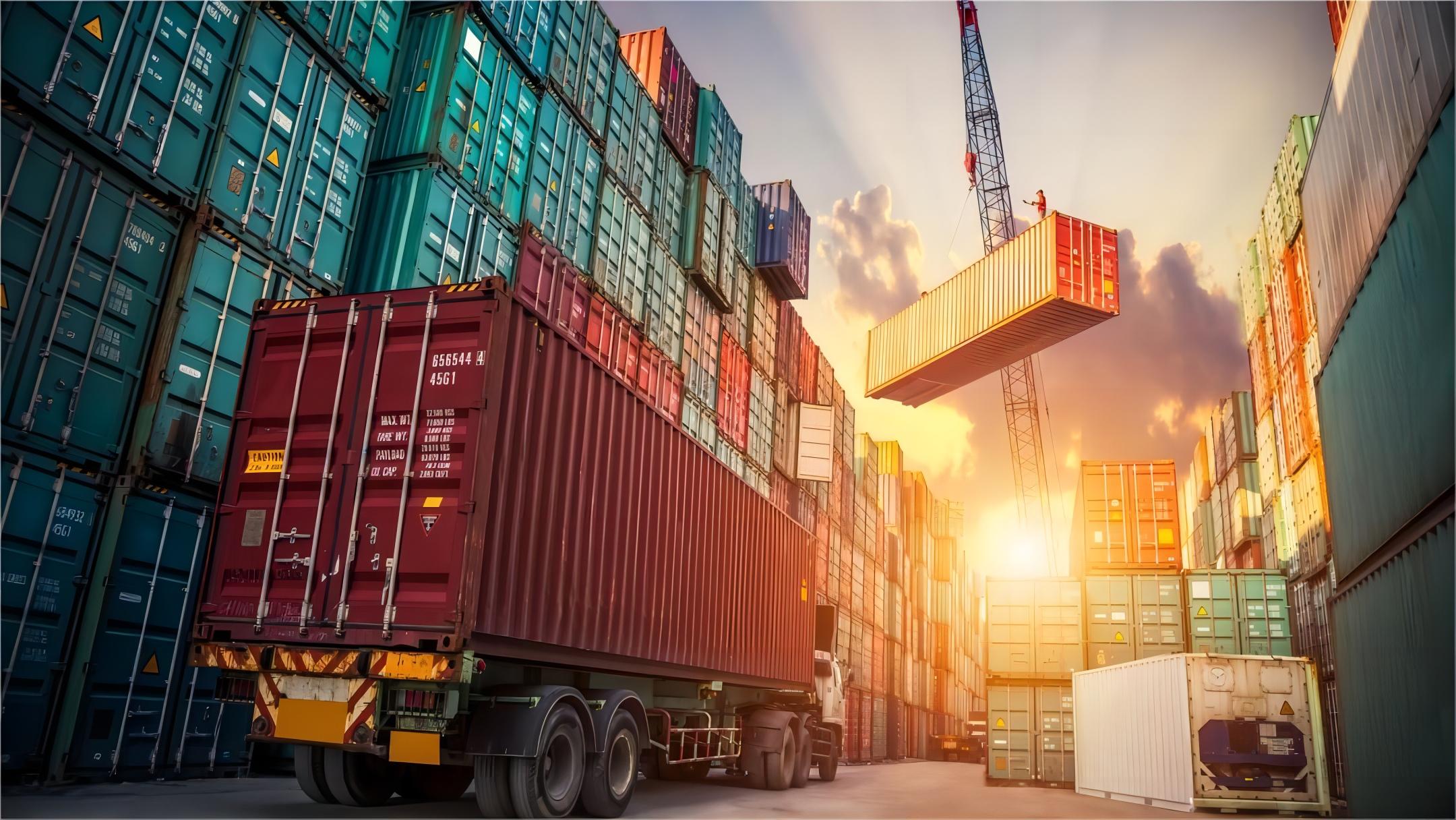
Major Ports and Transit Times for Portugal Shipments
Shipping from China involves major exit points like Shanghai, Ningbo, and Shenzhen (Yantian). These ports handle the highest volume of FCL traffic globally and offer the most frequent departures. Meanwhile, the primary arrival ports in Portugal are Lisbon, Leixoes (Porto), and Sines.
Transit times typically range from 30 to 45 days depending on the specific route and carrier. For example, a direct service from Shenzhen to Sines might be faster than a transshipment route via Singapore. Consequently, understanding the carrier’s schedule is vital for accurate planning.
Sines has become a major deep-water port capable of handling the largest container ships. Therefore, it is often the first port of call for many international lines entering the Mediterranean and Atlantic regions. Additionally, Leixoes serves the industrial northern region of Portugal, making it ideal for machinery imports.
Understanding Shipping Costs and Freight Rates
Freight rates are influenced by several factors, including fuel surcharges, seasonal demand, and container availability. As of early 2025, rates have stabilized but remain sensitive to global geopolitical events. Specifically, a 20GP container currently costs between $1,800 and $2,500, while a 40HQ can range from $3,200 to $4,500.
Origin charges such as Terminal Handling Charges (THC) and documentation fees must also be factored into your budget. Furthermore, destination charges in Portugal can add several hundred dollars to the total landed cost. Consequently, always request an all-in quote to avoid hidden expenses.
Market data suggests that rates typically increase during the peak season from August to October. During this period, capacity becomes tight, and carriers may implement General Rate Increases (GRI). Accordingly, booking early is the best strategy to secure lower rates and guaranteed space.
| Container Type | Volume (CBM) | Max Weight | Price Range |
|---|---|---|---|
| 20GP | 33 CBM | 28,000 KG | $1,800 – $2,500 |
| 40GP | 67 CBM | 26,000 KG | $2,800 – $3,800 |
| 40HQ | 76 CBM | 26,000 KG | $3,200 – $4,500 |
Essential Customs Documents for Portugal Imports
Navigating customs is often the most complex part of the China FCL container loading service to Portugal. You must provide a Bill of Lading, Commercial Invoice, and a detailed Packing List. Moreover, working with an experienced customs brokerage ensures that your paperwork complies with EU regulations.
Certificates of Origin may be required to benefit from specific trade agreements or to verify the source of the goods. Additionally, certain products like electronics or chemicals might need CE certification or REACH compliance documents. In contrast, missing a single document can result in costly port storage fees and delivery delays.
Portugal follows the Union Customs Code (UCC) of the European Union. This means that once your goods are cleared in Portugal, they can move freely throughout the rest of the EU. Nevertheless, the initial entry process requires a valid EORI number for the importer of record.
Step-by-Step Process of China FCL Container Loading
The process begins with booking your container through a freight forwarder several weeks before the cargo is ready. Once the booking is confirmed, the carrier releases an empty container to be picked up from the port depot. Subsequently, the container is transported to the factory or warehouse for loading.
Proper loading techniques are essential to prevent shifting during the long ocean voyage. Workers must distribute weight evenly and use dunnage or straps to secure the items. Furthermore, once loading is complete, the container is sealed with a high-security bolt seal to prevent tampering.
After loading, the container returns to the port for export clearance and vessel loading. Many businesses prefer a door to door service to manage this entire flow seamlessly. Indeed, this end-to-end management reduces the administrative burden on the importer.

Real Case Studies: Successful Shipments to Portugal
Analyzing real-world examples provides valuable insights into the logistics process and potential costs. These cases reflect typical scenarios handled during the Q3 2024 to early 2025 period. By reviewing these, you can better estimate your own timelines and budgetary requirements.
Case Study 1: Electronics from Shenzhen to Lisbon. A technology retailer imported 40HQ containers of consumer electronics. The shipment followed a direct sea route, taking 32 days from port to port. Consequently, the total landed cost was optimized by avoiding transshipment delays and additional handling fees.
Case Study 2: Industrial Machinery from Ningbo to Sines. A construction firm required 20GP containers for heavy equipment. Due to the weight, special care was taken during the loading process at the Ningbo facility. As a result, the cargo arrived in perfect condition within 38 days, including customs clearance.
Case Study 1: Consumer Electronics
Route: Shenzhen, China to Lisbon, Portugal
Cargo: Smartphones and Accessories, 65 CBM, 12,000 kg
Container: 40HQ
Shipping Details:
– Carrier: COSCO
– Port of Loading: Yantian (Shenzhen)
– Port of Discharge: Lisbon
– Route Type: Direct
Cost Breakdown:
– Ocean Freight: $3,450
– Origin Charges: $450
– Destination Charges: $550
– Customs Duties: $2,100
– Total Landed Cost: $6,550
Timeline:
– Booking to Loading: 5 days
– Sea Transit: 32 days
– Customs Clearance: 2 days
– Total Door-to-Door: 39 days
Key Insight: Using a direct route from Yantian minimized the risk of damage for sensitive electronics.
Case Study 2: Industrial Machinery
Route: Ningbo, China to Sines, Portugal
Cargo: Spare parts and machinery, 28 CBM, 18,000 kg
Container: 20GP
Shipping Details:
– Carrier: Maersk
– Port of Loading: Ningbo
– Port of Discharge: Sines
– Route Type: Transshipment via Algeciras
Cost Breakdown:
– Ocean Freight: $2,100
– Origin Charges: $380
– Destination Charges: $420
– Customs Duties: $1,800
– Total Landed Cost: $4,700
Timeline:
– Booking to Loading: 7 days
– Sea Transit: 38 days
– Customs Clearance: 3 days
– Total Door-to-Door: 48 days
Key Insight: Transshipment was necessary to reach Sines directly, which slightly increased the transit time but reduced local trucking costs.
Which Option Should You Choose for Your Business?
Determining the best strategy requires an evaluation of your specific business priorities. If your primary goal is cost reduction and you have a high volume of goods, FCL is the undisputed winner. However, if you are testing a new product with low volume, LCL might be a safer starting point.
Speed priority often dictates a shift toward air or rail solutions. While sea freight is slow, it offers the highest capacity for massive industrial projects. Therefore, many companies use a mix of sea for stock replenishment and air for urgent customer orders.
Cargo type also plays a significant role in your decision. Heavy machinery and raw materials are almost always shipped via FCL due to weight and handling constraints. In contrast, high-value, low-weight items like jewelry or specialized components are better suited for air transport.
Mastering Your Portugal Logistics Strategy
Successful importing requires a balance of speed, cost, and reliability. By utilizing a professional China FCL container loading service to Portugal, you secure a dedicated space for your cargo and minimize the risks of damage or delay. Understanding the nuances of port selection, container types, and customs documentation is essential for long-term growth.
Furthermore, staying informed about current market trends and freight rates allows you to make data-driven decisions. Whether you are shipping electronics from Shenzhen or machinery from Ningbo, the right logistics partner makes all the difference. Start planning your next shipment today to ensure your supply chain remains competitive in the global market.
Ready to streamline your logistics?
Optimizing your China FCL container loading service to Portugal starts with a professional consultation. Contact Top China Freight today to receive a customized quote and streamline your international logistics. Send Inquiry
Request Quote