


Flat Rack FCL space availability for solar panels from China to Germany
Securing reliable shipping for oversized renewable energy equipment is becoming increasingly complex in the current global market. Business owners often struggle to find consistent Flat Rack FCL space availability for solar panels from China to Germany due to high demand and fluctuating carrier schedules. By partnering with Top China Freight, you can navigate these logistics hurdles and ensure your photovoltaic projects stay on schedule and within budget.

Why Flat Rack FCL space availability for solar panels from China to Germany is critical
Solar panels and their mounting structures often exceed the dimensions of standard shipping containers. Consequently, using specialized equipment like flat racks is essential for maintaining the integrity of these sensitive components during transit.

However, the supply of flat rack containers is significantly more limited than standard 20GP or 40HQ units. Therefore, monitoring Flat Rack FCL space availability for solar panels from China to Germany is a daily necessity for procurement teams.
Moreover, the ongoing shifts in maritime routes have impacted the repositioning of empty specialized containers. This situation often leads to localized shortages at major Chinese hubs like Shanghai or Ningbo.
In addition, the surge in European renewable energy investments has placed unprecedented pressure on existing shipping lanes. Consequently, shippers must plan their logistics months in advance to avoid project delays.
Understanding the Technical Requirements for Solar Flat Racks
Flat rack containers are designed without side walls or a fixed roof, which allows for top or side loading of oversized cargo. For solar projects, this is particularly useful for pre-assembled mounting racks or large-scale inverter stations.
When you choose sea freight for these shipments, you must ensure that the cargo is properly lashed and braced. Improper securing can lead to damage during the long journey through the Indian Ocean and around the Cape of Good Hope.
Furthermore, carriers usually charge a premium for out-of-gauge (OOG) cargo that occupies extra space on the vessel. Understanding these surcharges is vital for calculating your total landed cost accurately.
Nevertheless, the stability provided by a flat rack is often superior to other methods for heavy, wide industrial equipment. This makes it the preferred choice for major solar farm installations across Germany.
How Does Flat Rack Shipping Compare to Other Shipping Options?
While flat racks are ideal for oversized items, they are not the only way to move solar equipment across the continents. Indeed, some smaller components or standard panels are better suited for different modes of transport.
For instance, rail freight has become a popular alternative for those needing faster delivery than sea but lower costs than air. It offers a middle ground that balances speed and budget effectively.
On the other hand, traditional FCL in 40HQ containers remains the most cost-effective solution for standard-sized solar modules. You should only opt for flat racks when dimensions strictly require the open-frame design.
To help you decide, consider the following comparison of the most common shipping methods used for this specific route.
| Flat Rack Sea FCL | $3,500 – $5,500 | 35-45 Days | Oversized/OOG Cargo | Higher cost, limited space |
| Standard 40HQ Sea | $2,800 – $4,200 | 30-40 Days | Standard PV Modules | Fixed dimensions |
| Rail Freight | $4,500 – $6,500 | 18-22 Days | Urgent project parts | Weight restrictions |
| Air Freight | $15,000+ | 5-7 Days | Critical replacements | Extremely expensive |
Cost Analysis and Market Rates for 2025
Freight rates for Flat Rack FCL space availability for solar panels from China to Germany are currently influenced by several global factors. As of early 2025, prices have stabilized but remain higher than pre-2020 averages.
Typically, a 40ft flat rack from China to Hamburg or Bremerhaven will cost between $3,500 and $5,500 depending on the degree of ‘out-of-gauge’ dimensions. If your cargo exceeds the width or height of the container frame, additional lost-slot fees apply.
Additionally, seasonal peaks during the third quarter often drive prices up by 15% to 20%. Therefore, booking your space at least 4-6 weeks before the cargo ready date is highly recommended.
Note: Freight rates are subject to change based on fuel costs, carrier capacity, and seasonal demand. Contact us for a current quote tailored to your specific shipment.
Navigating Customs and Documentation in Germany
Importing solar equipment into the European Union requires meticulous attention to detail regarding paperwork. You must provide a commercial invoice, packing list, and a certificate of origin to satisfy German customs authorities.
Utilizing a professional customs brokerage service can prevent costly delays at the port of entry. They ensure that your HS codes are correct and that you benefit from any available green energy tax incentives.
Furthermore, Germany has specific regulations regarding the recycling and disposal of electrical equipment. Ensuring compliance with the WEEE directive is essential for any long-term importer in the solar sector.
Consequently, having your documentation verified before the vessel leaves China can save weeks of potential storage fees at the German terminal.
Route Optimization: From China Hubs to German Ports
Most solar shipments originate from the manufacturing clusters in Jiangsu and Zhejiang provinces. As a result, the ports of Shanghai and Ningbo handle the majority of Flat Rack FCL space availability for solar panels from China to Germany.
When shipping to Europe, the primary destination ports are Hamburg, Bremerhaven, and Wilhelmshaven. Each port offers different advantages in terms of hinterland connections via rail or barge.
Moreover, some shippers prefer transshipment via Mediterranean ports to reduce sea transit time. However, this often involves more handling, which increases the risk of damage to sensitive solar components.
Direct services are generally preferred for flat rack cargo to minimize the number of times the unit is moved between vessels. This strategy protects the cargo and ensures a more predictable delivery schedule.
Realistic Case Studies for Solar Logistics
Case Study 1: Large Scale Solar Farm Component. Route: Shanghai, China to Hamburg, Germany. Cargo: Industrial Solar Inverters, 12 units. Container: 3 x 40ft Flat Rack. Ocean Freight: $4,200 per unit. Transit Time: 38 days. Key Insight: Early booking secured space during the Q4 peak, avoiding a $1,200 per unit rate hike.
Case Study 2: Mounting System Bulk Shipment. Route: Shenzhen, China to Bremerhaven, Germany. Cargo: Galvanized Steel Racks, 45 CBM. Container: 2 x 40ft Flat Rack (OOG). Total Landed Cost: $11,500. Door-to-Door: 45 days. Key Insight: Using a specialized lashing team in Shenzhen prevented shift-related damage during heavy seas.
Case Study 3: Urgent Replacement Parts. Route: Ningbo, China to Duisburg, Germany. Cargo: Specialized Solar Tracking Motors. Shipping Method: Rail Freight. Cost: $5,800. Transit Time: 20 days. Key Insight: Rail provided a vital solution when sea freight congestion threatened the project’s commissioning deadline.
Which Option Should You Choose? Decision Framework
Choosing the right shipping strategy depends on your project’s specific priorities. If budget is your primary concern and your equipment fits within standard dimensions, a 40HQ container is almost always the best choice.
However, if you are dealing with oversized mounting structures that cannot be disassembled, you must prioritize Flat Rack FCL space availability for solar panels from China to Germany. In this scenario, reliability should outweigh minor price differences.
For urgent needs where the project is stalled, rail freight offers a significant speed advantage. Although it costs more than sea freight, the daily penalties for a delayed solar farm often justify the extra expense.
Finally, always consider a door to door service to simplify the logistics chain. This approach reduces the administrative burden on your team and ensures accountability from factory to site.

Mastering Solar Logistics from China to Germany
In summary, successfully managing Flat Rack FCL space availability for solar panels from China to Germany involves proactive planning and a deep understanding of market trends. By choosing the right container type and shipping route, you can significantly reduce both risks and costs.
Whether you opt for sea, rail, or a hybrid solution, the key is to work with experienced partners who understand the unique requirements of the solar industry. Stay informed about market changes and always have a contingency plan in place for your most critical shipments.
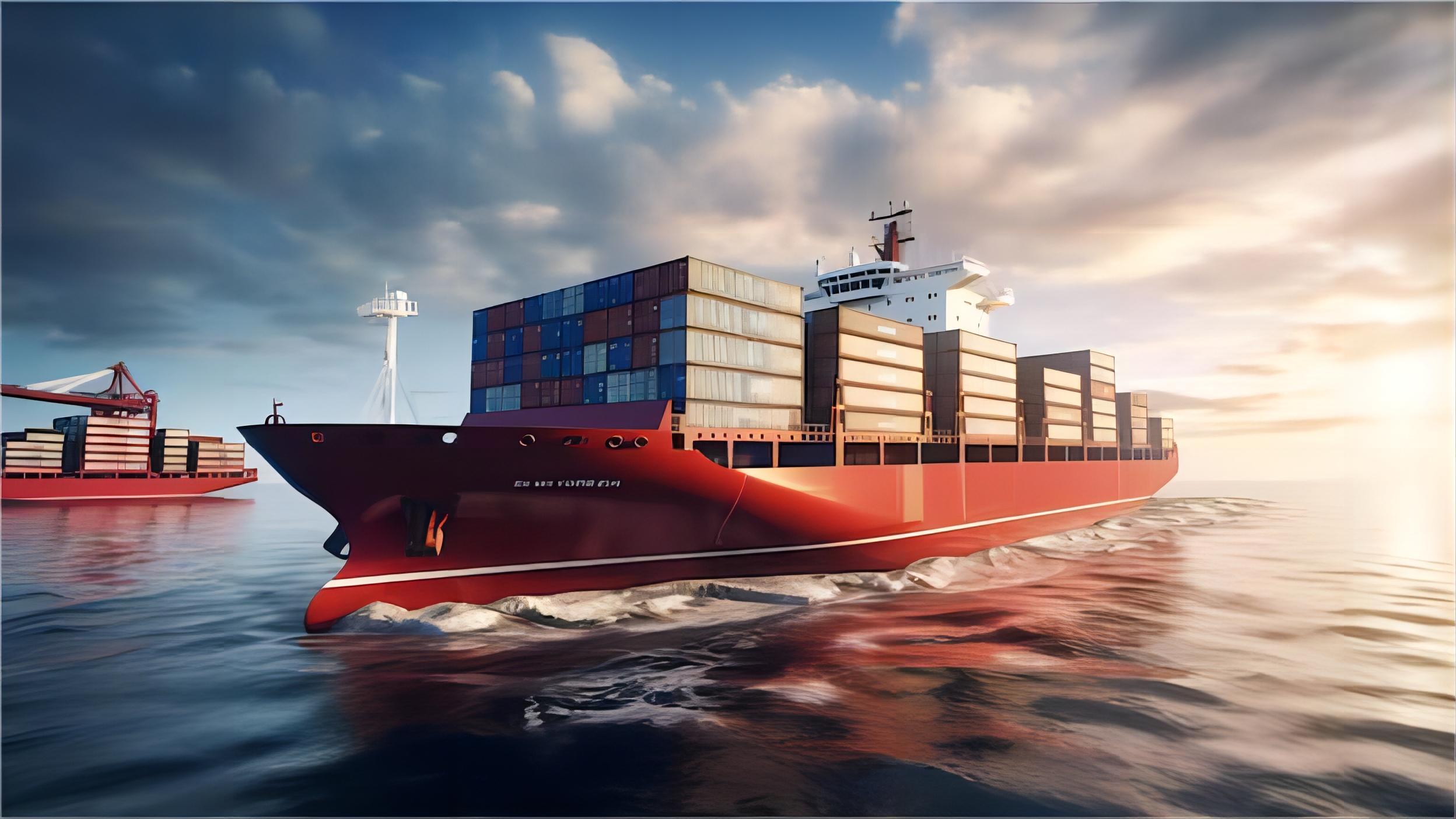
Ready to streamline your logistics?
Managing the complexities of Flat Rack FCL space availability for solar panels from China to Germany requires expertise and strong carrier relationships. Our team specializes in renewable energy logistics, ensuring your oversized cargo arrives safely and on time. Contact Top China Freight today for a customized quote and secure your shipping space for the upcoming season. Visit our website to start your inquiry.
Request Quote